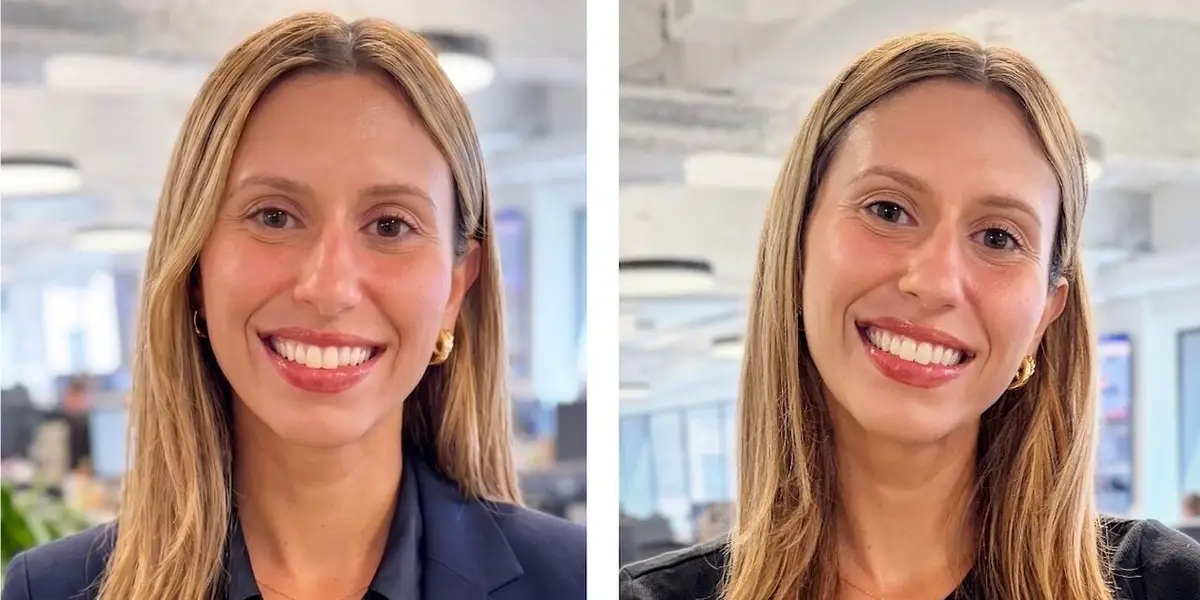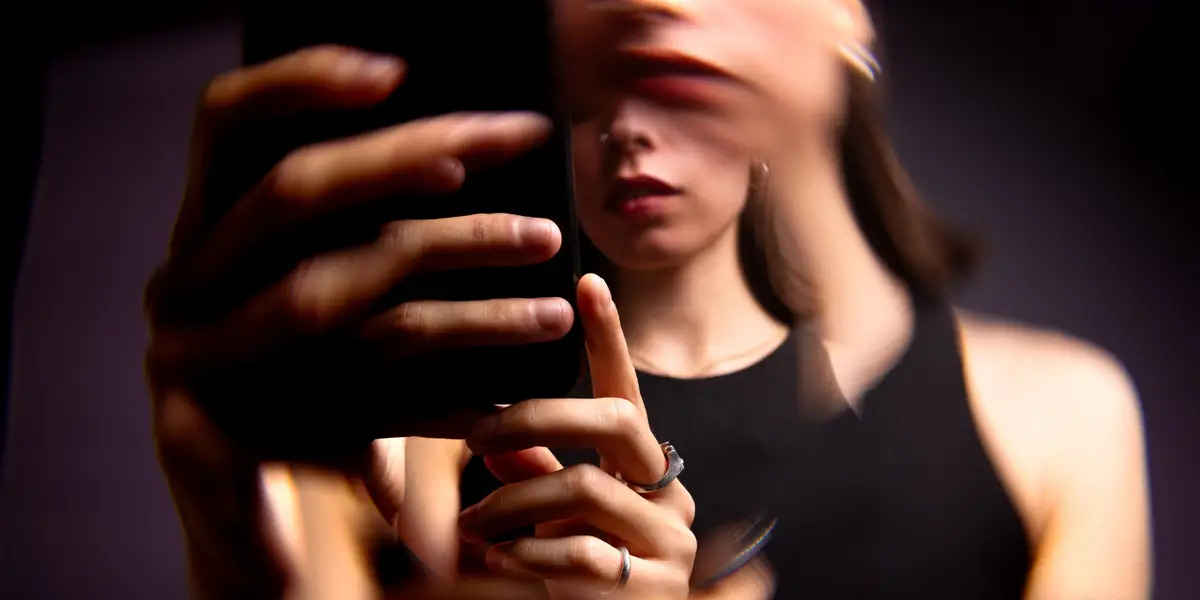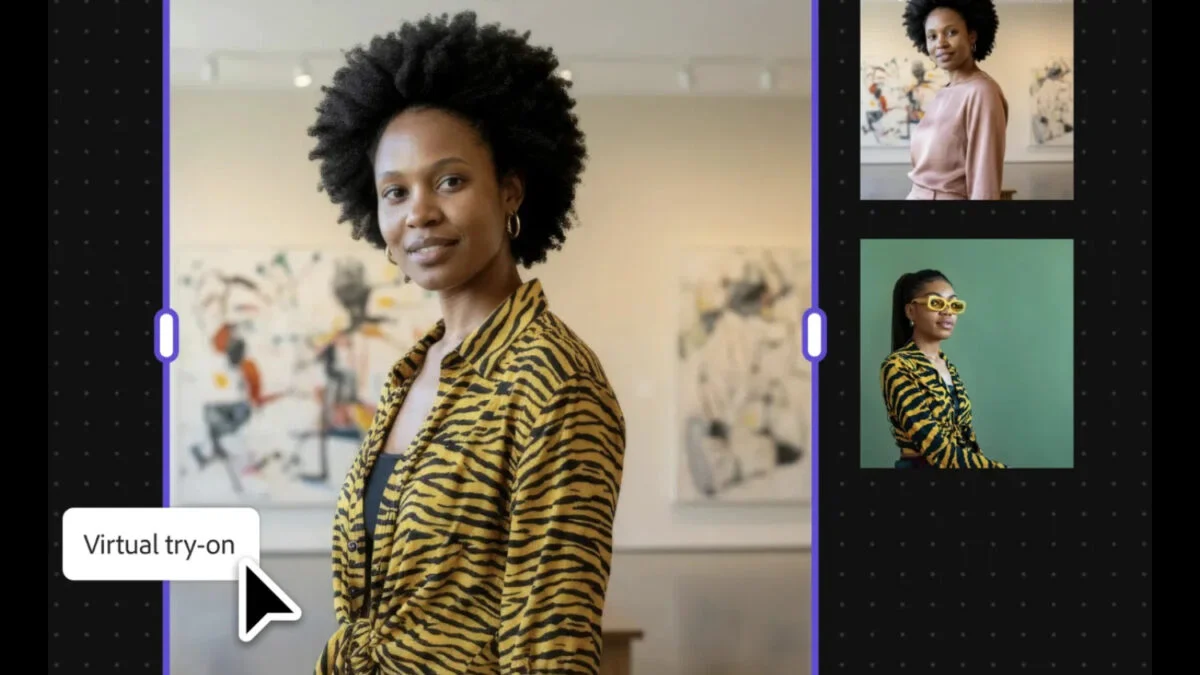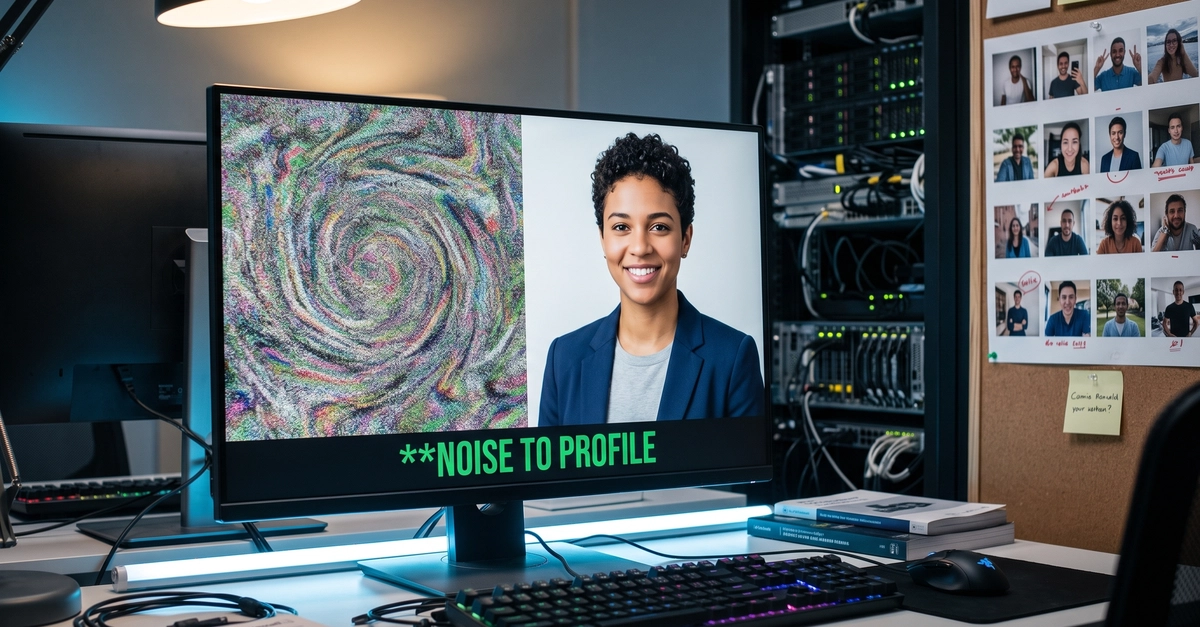
An AI LinkedIn headshot generator fine-tunes a latent diffusion model on roughly 10 to 20 selfies, then uses a LoRA adapter trained with a DreamBooth-style step to generate studio-style portraits. A face-restoration and upscaling pass polishes the selected image. This is a training pipeline, not a one-click filter, so weak spots are data quality, identity drift and post-processing.
Vendor demos show ten perfect portraits. A polished result can still shift a jawline or invent a suit lapel. I follow the path from noise to portrait and use PFPMaker as a practical reference, not proof that every service shares the same internals.
What does an AI LinkedIn headshot generator do first?
It first converts a small selfie set into a subject-specific adapter. The base model remains general, while the adapter nudges generation toward one person's face.
The simplified production path: