Pakistan must move from policy ambition to measurable, financed implementation.
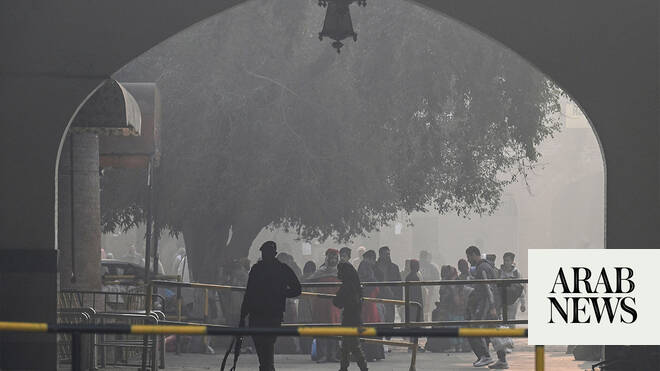
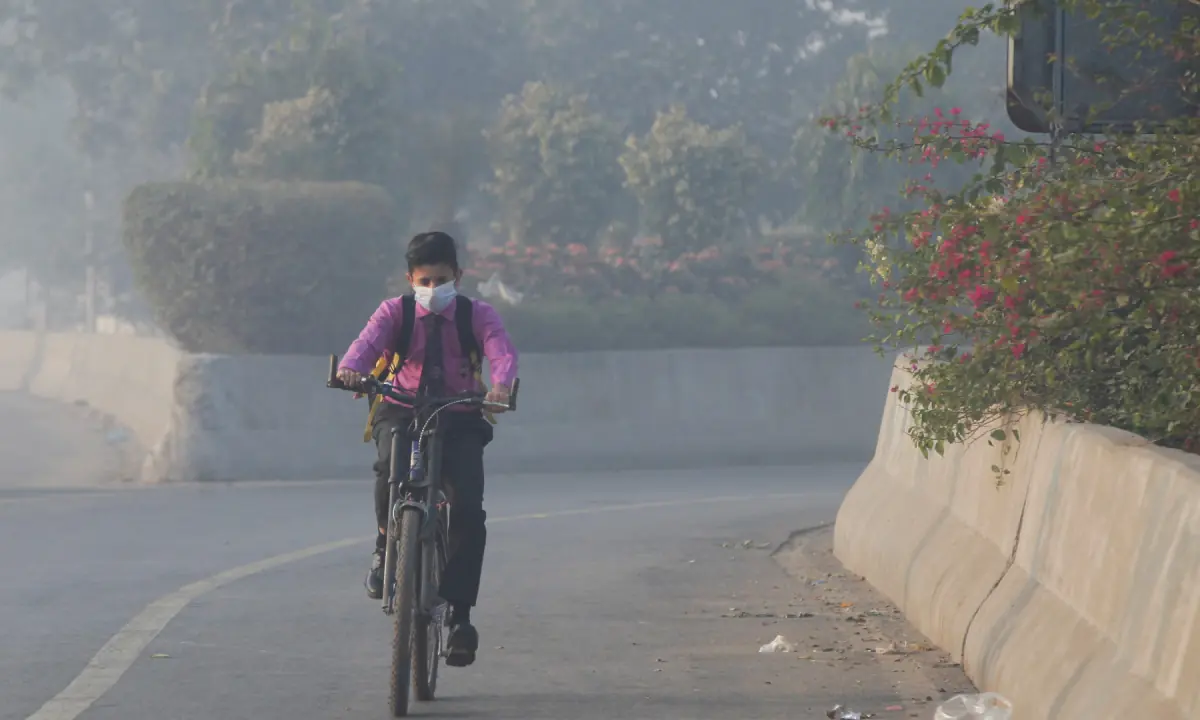
The seventh International Day of Clean Air for blue skies, observed on September 7, 2026, places the economic case for integrated clean-air and climate action at the centre of the global conversation. For Pakistan, that message could not be more timely. Air pollution is no longer a seasonal inconvenience confined to winter smog. It is a year-round public-health emergency, a constraint on human capital and productivity, and a material risk to public finance, business continuity and financial-sector resilience.
Pakistan’s policy architecture has advanced. The federal government adopted the National Clean Air Policy (NCAP) in 2023, and Punjab approved its Clean Air Policy and phased action plan the same year. Yet the decisive question is no longer whether Pakistan has policies. It is whether those policies can be converted into legally anchored responsibilities, credible data, investable sectoral measures and measurable reductions in exposure.
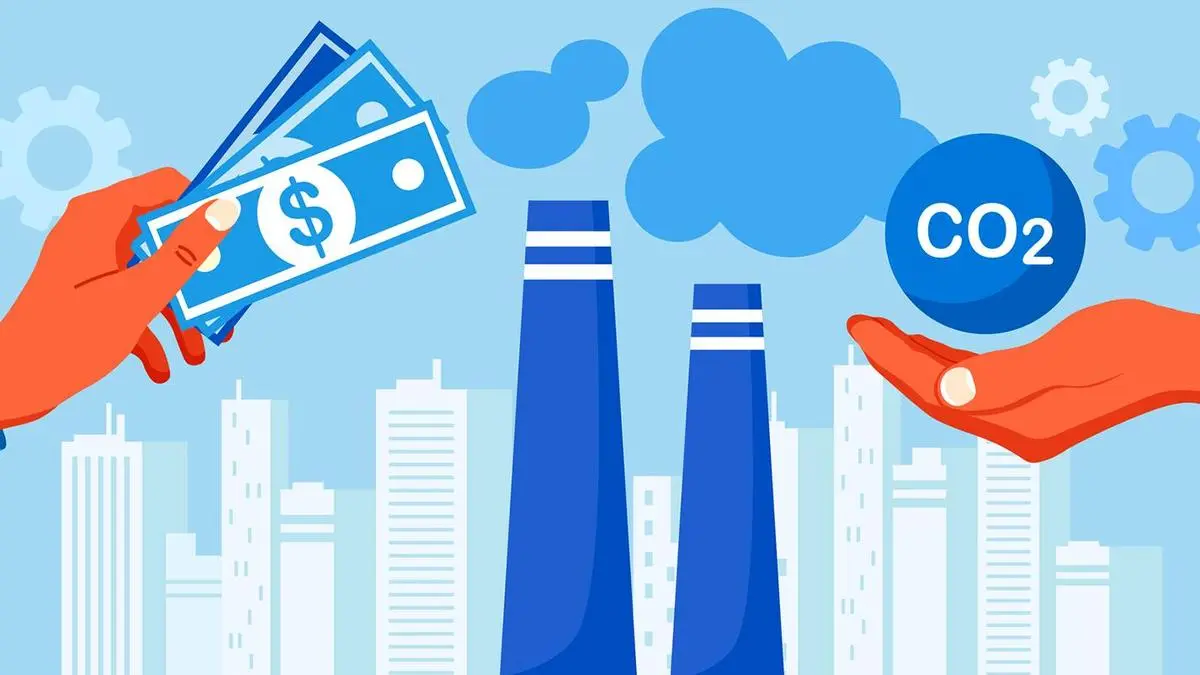
Pakistan’s domestic financial institutions must now become part of the implementation architecture. When banks provide loans, refinancing or dedicated financing windows to industry, their risk assessments should consider material exposure to air pollution, regulatory non-compliance, inefficient technologies and transition risk. Lending structures can then reward verified emissions reductions, cleaner production and credible transition plans. This would improve environmental and financial outcomes while helping industrial sectors move progressively towards net-zero pathways without denying viable firms the capital needed to modernise.