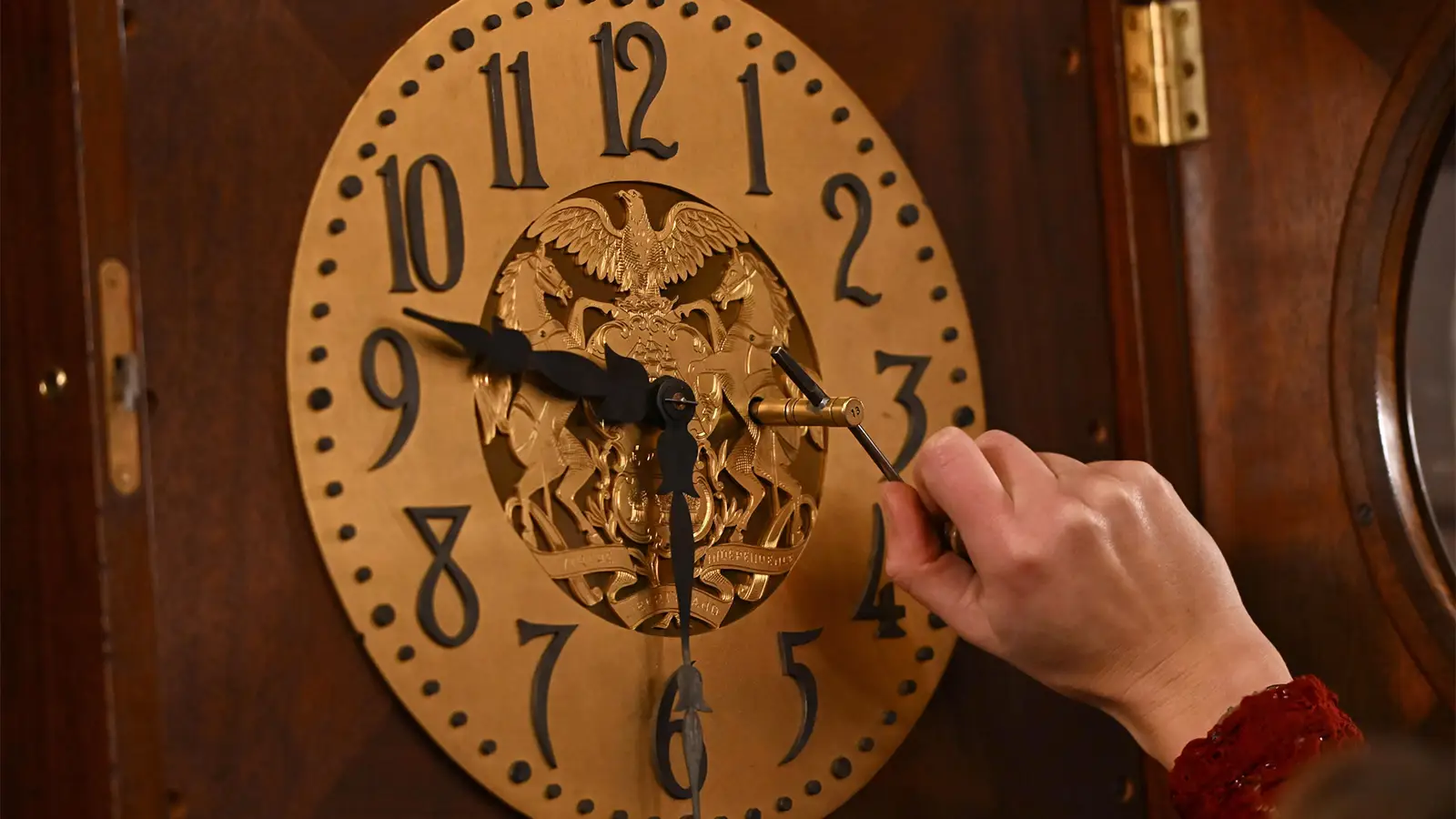
For millions of Americans, the approach of November usually brings a familiar ritual: one hour disappears from the evening light, clocks move backward and standard time returns. But in 2026, the annual “fall back” is unfolding alongside a much bigger question, could the United States eventually stop changing its clocks altogether?For now, the answer is no. Daylight Saving Time will end across most of the United States on Sunday, November 1, 2026, when clocks observing the change move back one hour at 2 am local daylight time. The United States began its 2026 daylight-saving period on March 8, following the federal rule that it starts on the second Sunday of March and ends on the first Sunday of November.When will the clocks change in November?At 2 am on November 1, clocks will be turned back to 1 am in places observing Daylight Saving Time. In practical terms, people get an additional hour overnight, while sunrise and sunset subsequently occur about an hour earlier by the clock.The change is largely automatic for smartphones, computers and other internet-connected devices. Traditional clocks, watches and appliances without automatic time adjustment may need to be changed manually.The November switch is the reverse of what happened on March 8, when clocks moved from 2 am to 3 am, beginning the 2026 daylight-saving period.Not every American will change their clocksThe twice-yearly adjustment is not universal across the United States. The U.S. Department of Transportation says Hawaii, most of Arizona and several U.S. territories do not observe Daylight Saving Time. Those territories include American Samoa, Guam, the Northern Mariana Islands, Puerto Rico and the U.S. Virgin Islands.Arizona presents a particularly unusual case. Most of the state remains on standard time throughout the year, while the Navajo Nation, which extends into Arizona, observes Daylight Saving Time. That means communities within the same state can follow different clock rules.Why does the US still change its clocks?The modern system is rooted in federal legislation. Under the Uniform Time Act, states that observe Daylight Saving Time must follow federally established start and end dates, although states can choose to remain on standard time year-round.The practice has survived decades of debate over its effects on sleep, safety, commerce, energy use and daily routines. That debate has now reached Congress again.Could this be one of the last clock changes?A major attempt to end the twice-yearly switch gained significant momentum in 2026. The Sunshine Protection Act of 2025, introduced in the House as H.R. 139, would make Daylight Saving Time the permanent national standard while preserving the ability of areas currently exempt from DST to remain on standard time. The House passed the measure 308–117 on July 14, 2026. It was subsequently received by the Senate and referred to its Commerce, Science and Transportation Committee.That means the legislation has advanced substantially, but it has not become law. Unless Congress completes the process and the bill is enacted, the November 1 clock change remains scheduled under current law.
Daylight Saving Time 2026: Clocks go back November 1 as millions gain an hour, while Congress debates whether America should keep changing time twice a year
United States clocks will fall back one hour on November 1, 2026. This annual change returns the nation to standard time after daylight saving. A bill in Congress could make daylight saving time permanent nationwide. The Sunshine Protection Act has advanced but is not yet law. Therefore, the scheduled November clock change remains in effect.
492 words~2 min read