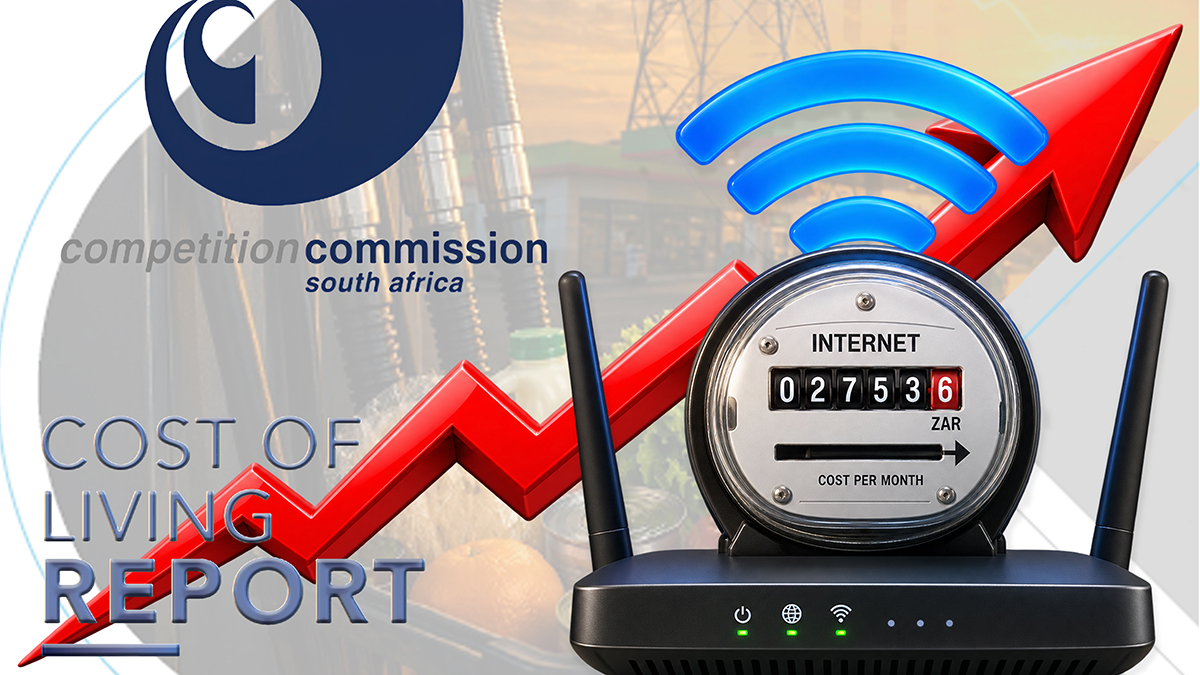
South African households have been buffeted by an onslaught of electricity, water, petrol, transport, healthcare and communication costs rising faster than overall inflation, while worrying evidence points to consumers not always benefiting from lower input costs in several food markets.In its latest cost of living report, the Competition Commission says in the first half of 2026 higher fuel and transport costs due to the Middle East war extended beyond the cost of commuting, raising production, logistics and distribution outlays across the economy and placing pressure on basic necessity expenses.“The transmission of these costs was evident in several of the food products examined in this report, although expanding margins at either the producer or retail level to historic highs raises concerns that these increases were not cost-reflective,” the antitrust regulator said.“Given historic evidence of ‘rocket and feather’ pricing strategies, there are legitimate concerns that prices may not decline once the fuel price stabilises.”For instance, the commission said producer prices for eggs had increased substantially since the start of the year, while the retail price of individually quick-frozen chicken and canned pilchards did not reflect stable or declining producer prices over the period.Added to that, the producer prices of bread, sunflower oil and maize meal remain elevated despite big decreases in the price of wheat, sunflower seed and maize.In December last year, trade, industry & competition minister Parks Tau said the commission, which operates under his department as an independent statutory body, had various initiatives under way to monitor food prices. He said the regulator had identified agriculture, food and agro-processing as priority sectors.Given historic evidence of ‘rocket and feather’ pricing strategies, there are legitimate concerns that prices may not decline once the fuel price stabilises.— Competition Commission reportThe commission has a joint project with the department of agriculture to compare South Africa’s firm margins and spreads between commodity prices and final retail prices for zero-rated food products with those of selected other countries, focusing on breads, maize and maize products, tinned fish, milk and milk products and vegetable oil.The latest cost of living report builds on the commission’s essential food price monitoring work, first published in July 2020, to track selected staple food prices from farm to retail level. This has since expanded to include essential items such as electricity, water, housing, health care, transport, education and communication services, as well as the effect of interest rates on affordability.The latest analysis shows that essential expenditure continues to place big pressure on household affordability. Between July last year and the same month this year, electricity prices rose by 8.1%, while water costs jumped 10.1%, both significantly above overall inflation of 4.3%. Petrol prices increased by 26% between January and July, driven largely by the turbulence in oil markets linked to the war between the US and Iran. Read: Competition Commission targets electronics repair market“Minibus taxi fares increased by 13% over the same period, raising concerns that commuters may continue to face higher costs even if petrol prices decline, as taxi fares generally do not adjust downwards,” the commission said.“Wireless internet service prices increased by 4.1% between January and July 2026, above overall inflation of 3.8% over the same period.”The regulator says greater transparency and consistency in tariff setting, stronger oversight across the water value chain, improved infrastructure investment and incentives for greater operational efficiency will be critical to ensuring future tariff increases are justified by the efficient cost of providing services.It says its analysis of the water sector highlights the need to ensure services are financially sustainable without placing an excessive affordability burden on households. “While municipal indigent support programmes provide an important safety net, affordability pressures remain where tariff increases exceed inflation and where vulnerable households are not effectively reached by existing support mechanisms,” it says.“Greater transparency and consistency in tariff setting, stronger oversight across the water value chain, improved infrastructure investment and incentives for greater operational efficiency will be critical to ensuring that future tariff increases are justified by the efficient cost of providing services.”Business Day
Households pay more as food prices defy falling input costs
Competition Commission flags lack of transparency and oversight in utility tariff hikes
666 words~3 min read