By Babajide Komolafe
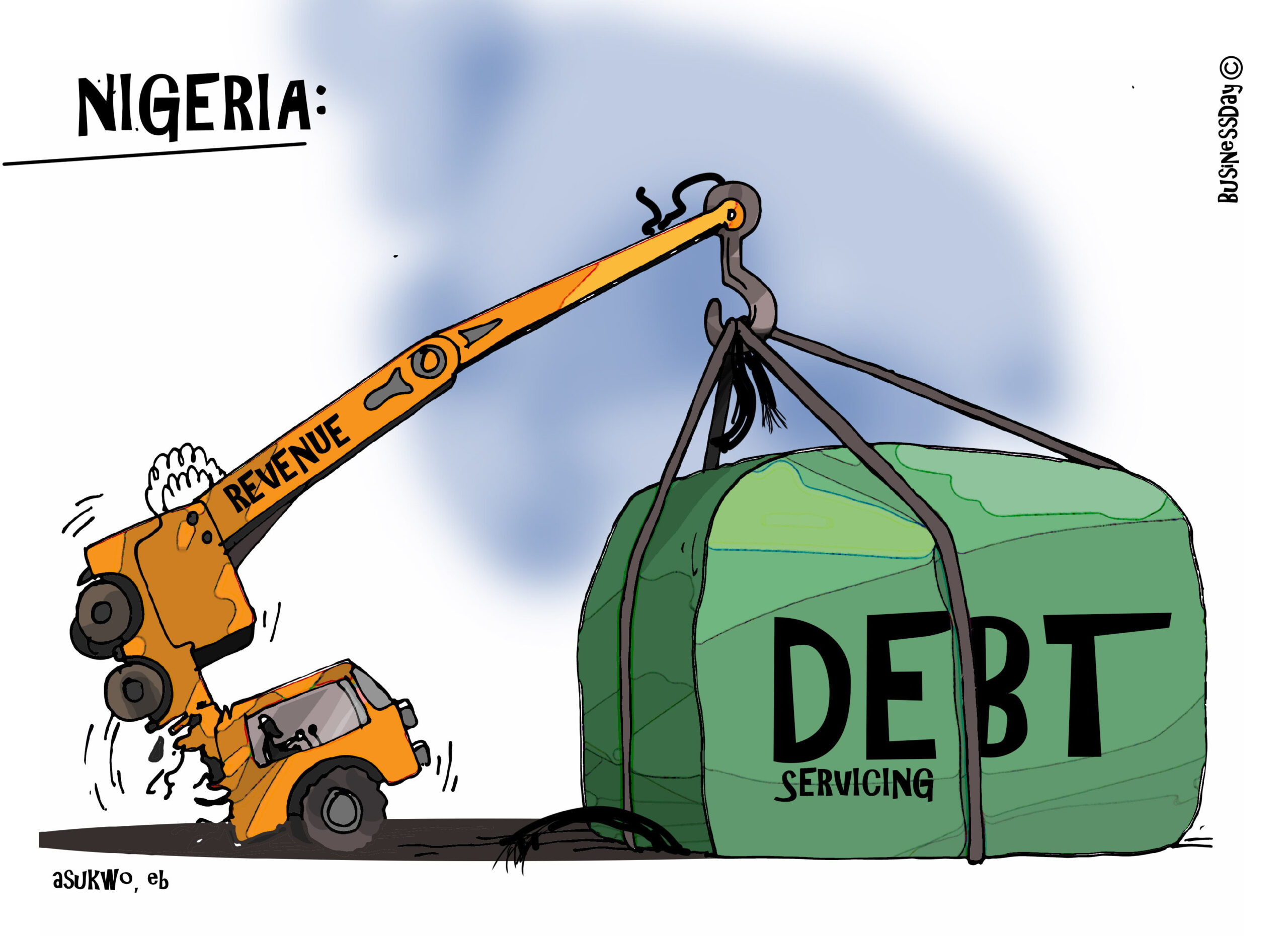
The federal government increased its borrowing from domestic investors by 90.5 per cent, year-on-year (YoY), to N24.7 trillion in the eight months to August 2026, against N12.98 trillion in the corresponding period of 2025 (8M’25).
Financial Vanguard findings from the government’s various public finance data also showed that credit to government grew more than four times faster than credit to the private sector during the same period. The data are generated from the Debt Management Office, DMO, and the Central Bank of Nigeria, CBN’s current reports.
These developments come against the backdrop of a massive rise in government revenue, as reported by some key agencies, including the Nigerian Revenue Service; Nigerian Customs Service; and the Nigerian National Petroleum Company Limited, among others. In addition to the massive revenue inflow, public concerns also point to savings from petrol subsidy removal, as well as massive naira cash translations from the floating of the exchange rate.
Many public commentators point to extra-budgetary spending and other unaccounted fiscal exposures as compounding the government’s cash-flow crises that may have compelled extensive borrowing across domestic and foreign windows. Meanwhile, the latest CBN data on money and credit showed that credit to the government rose by 43 per cent YoY to N33.92 trillion in July 2026 from N23.69 trillion in July 2025. But credit to the private sector grew by only 9.6 per cent YoY to N83.43 trillion in July 2026 from N76.13 trillion in July 2025. Thus, credit to the government grew 4.5 times faster than credit to the private sector. Financial Vanguard findings showed that the surge in FG’s borrowing was driven largely by increased issuance of FGN Bonds; FGN Savings Bonds; and Nigerian Treasury, NTBs.