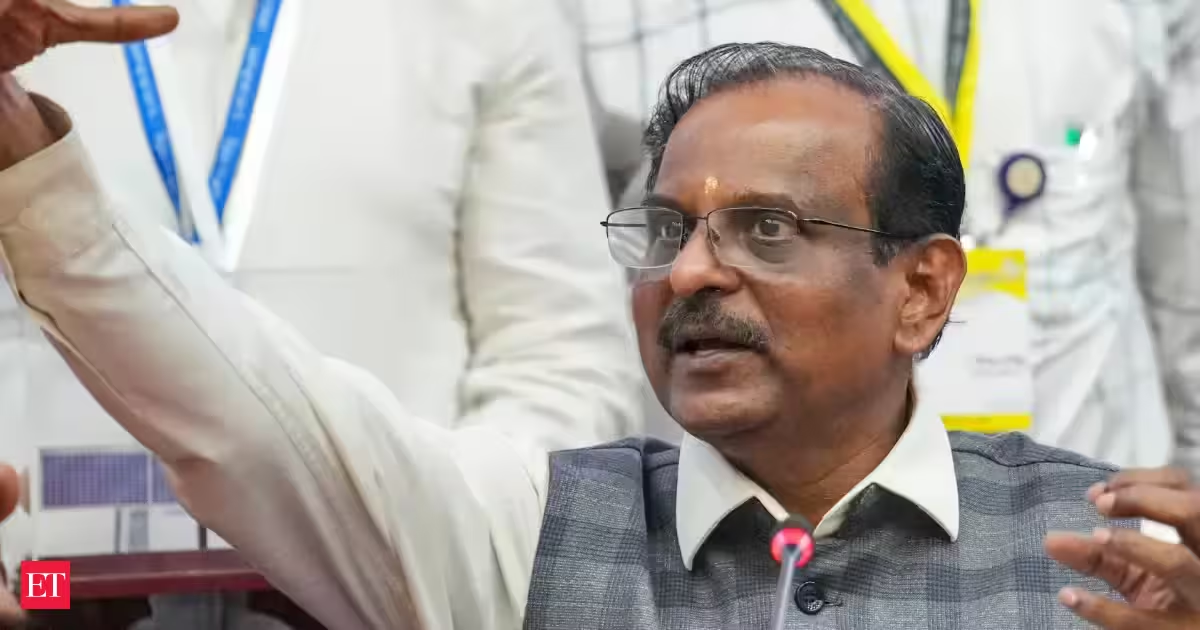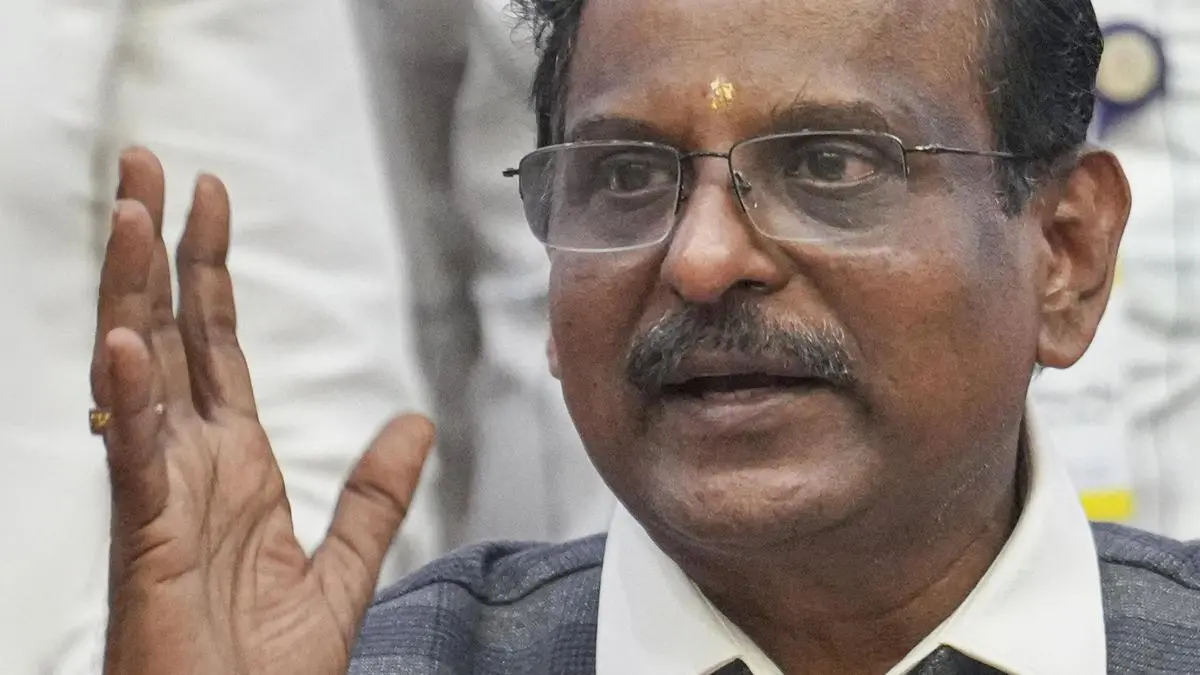
ISRO Chairman V Narayanan
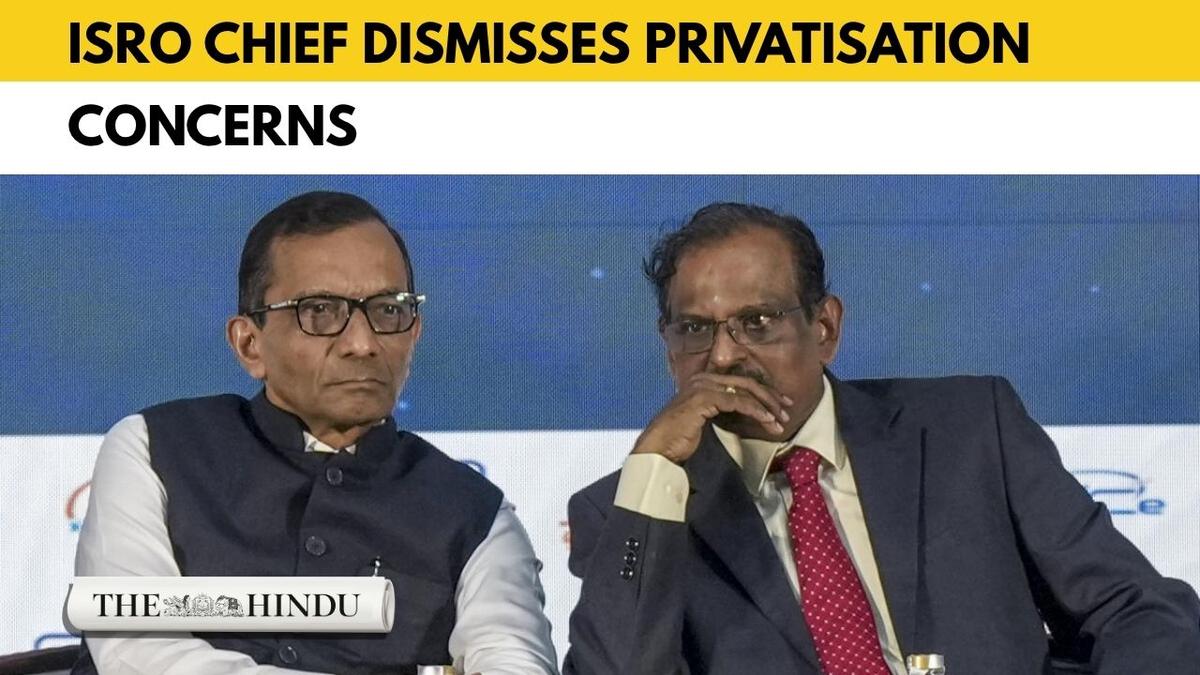
To quell internal anxieties about privatisation amid reports of its employees seeking clarification, space body ISRO said on Sunday that reports of privatisation were “baseless and incorrect”. “We wish to categorically state that ISRO will neither be privatised nor will its importance be diminished. ISRO will continue to remain India’s principal institution for advanced space research and technology development, national and strategic missions, space science and exploration and critical and frontier space capabilities,” the marquee institution said in a statement. The organisation noted that increased private participation in space is not about reducing ISRO’s role. “It is about enabling ISRO to focus even more strongly on the next generation of India’s space programme, while industry scales mature technologies and capabilities,” it said. The Indian government initiated space-sector reforms since 2020 and institutionalised it through the Indian Space Policy 2023, along with progressive liberalisation of FDI policy in the sector. The reforms should, therefore, be seen as “ecosystem expansion and capability multiplication, not privatisation”, said ISRO. The controversy began from recent public remarks made by Pawan Kumar Goenka, Chairperson of the Indian National Space Promotion and Authorisation Centre (IN-SPACe), that eventually ISRO will not make any launch vehicles and that it can be done by the private sector. Following this, major employee associations of ISRO wrote to ISRO Chairman V Narayanan demanding urgent clarification. Employees worried that ISRO will be diminished and sought clarifications regarding employment and other concerns.ISRO, in its statement, clarified that technology transfers do not mean ISRO is withdrawing from that domain, but helps enable large-scale production and commercialisation. “The transition is therefore towards an ISRO-led national space ecosystem.” By ISROs focus will move to frontier R&D, advanced technologies, human spaceflight, next-generation launch systems, and deep-space, among others. This transition, it notes, is particularly important in the context of Space Vision 2047, which includes establishing the Bharatiya Antariksh Station by 2035, undertaking an Indian crewed mission to the Moon by 2040 and developing next-generation and reusable launch systems, among others. Defining roles, ISROs statement says that it remains the core organisation for advanced R&D, technology development and national missions, and IN-SPACe facilitates and authorises participation of non-government entities. Published on September 6, 2026