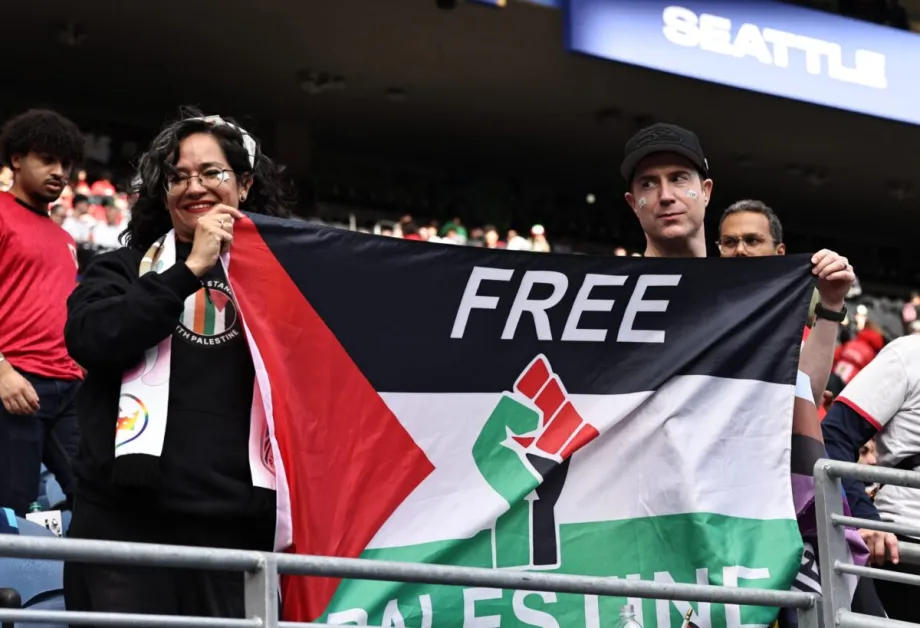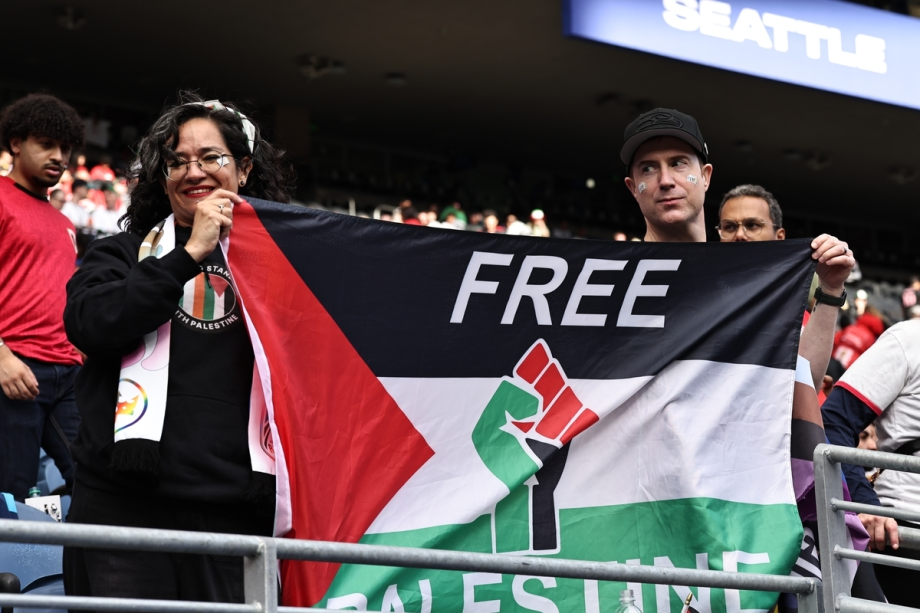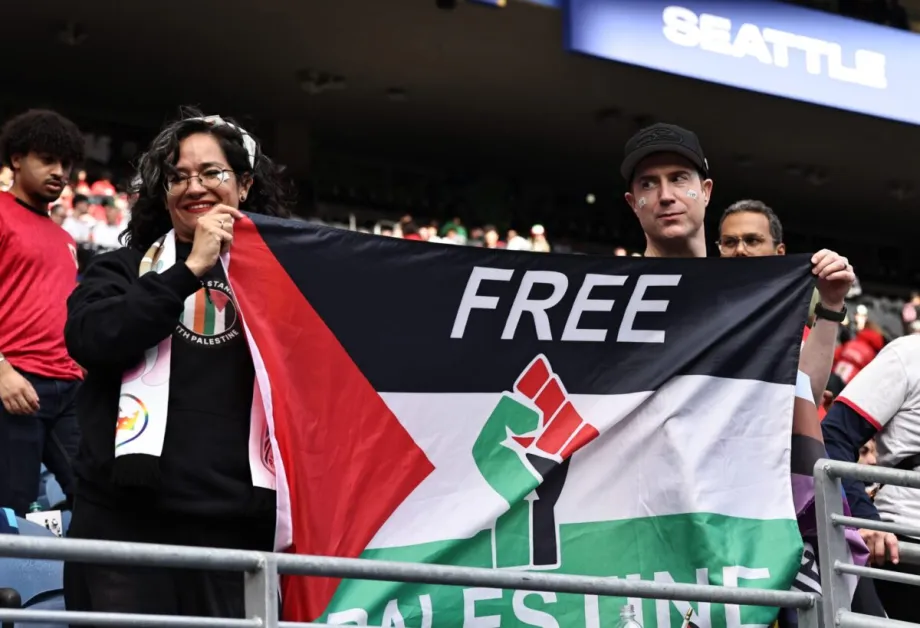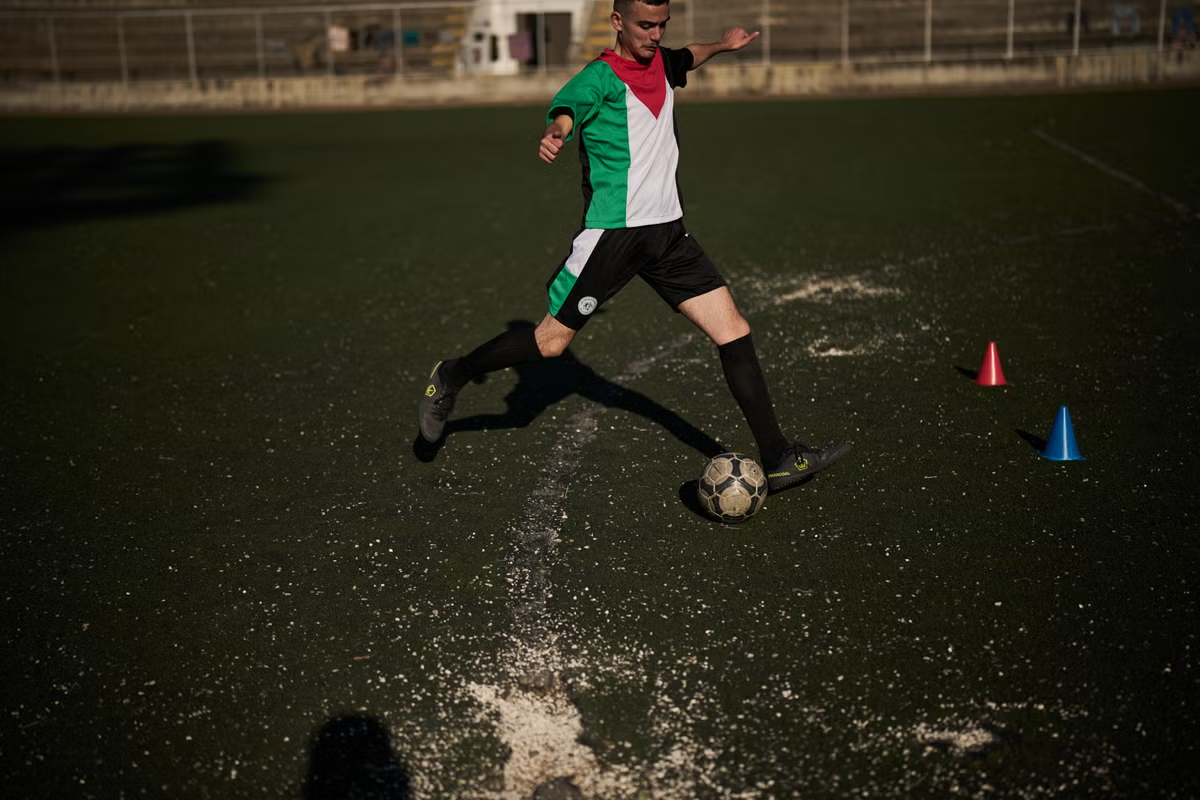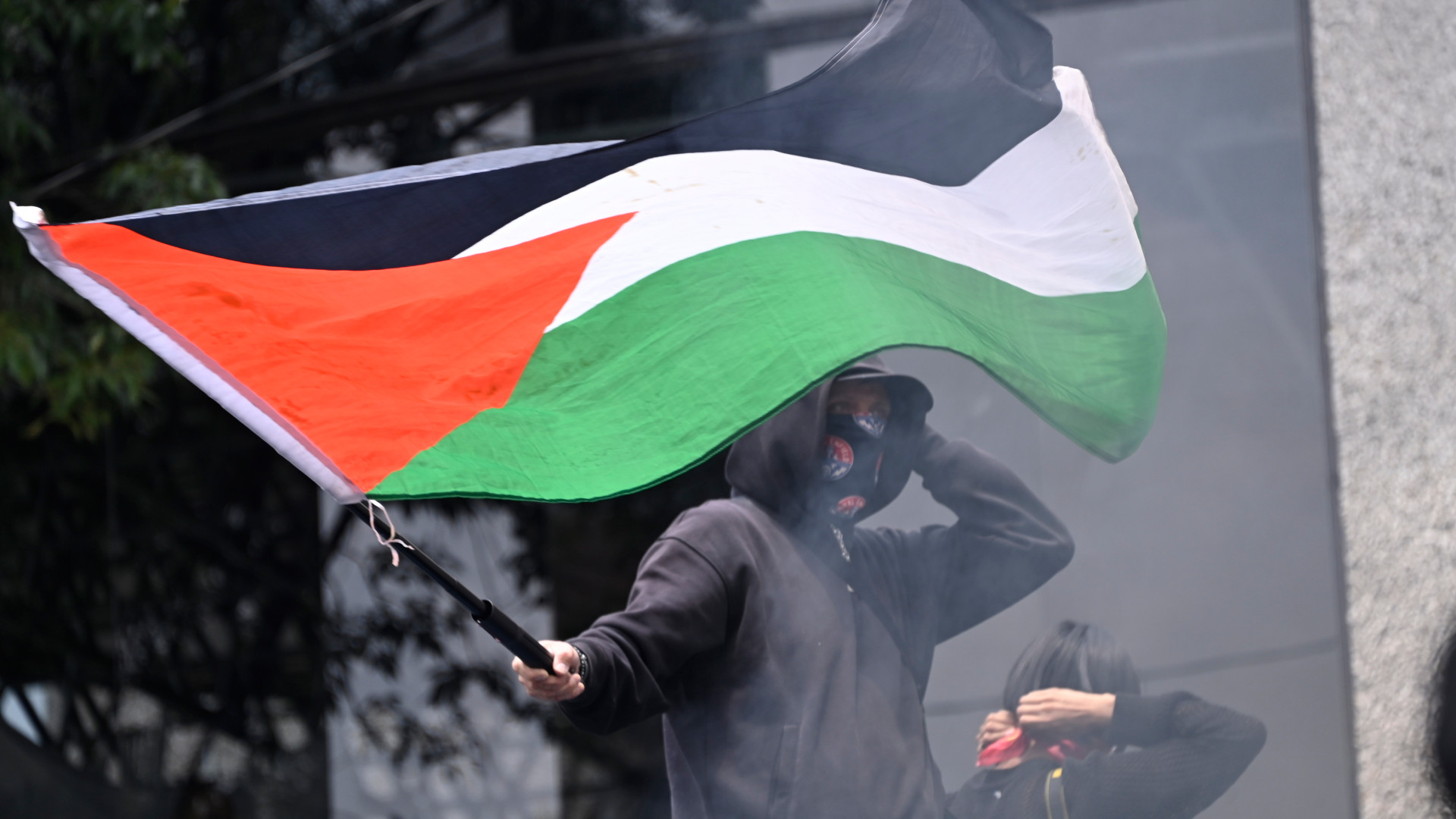
Palestine did not qualify for this summer's Football World Cup. It hardly needed to. Activists opened the tournament by forming a human Palestinian flag in Mexico City, and at the Egypt-Iran match in Seattle, Palestinian flags flew behind the goals while chanting for Gaza.
When Bosnia and Herzegovina, a nation that survived its own genocide, reached the knockout rounds, its supporters filled stadiums with choruses of "Free Palestine" for a people enduring another.
Palestine had no team on the pitch, yet became one of the tournament's defining presences. In the past three years, the Palestinian flag has emerged not only as a symbol denouncing Israeli genocide, but as a global gesture against victimisation, injustice and colonial oppression.
The tournament ended in July, with Palestine emerging as its true winner.
That visibility now comes with a measure of accountability. Last September, a UN commission of inquiry concluded that Israel is committing genocide in Gaza, where the health ministry has recorded more than 73,000 dead, around half of them women and children. Some 2,700 families have been wiped from the civil register.