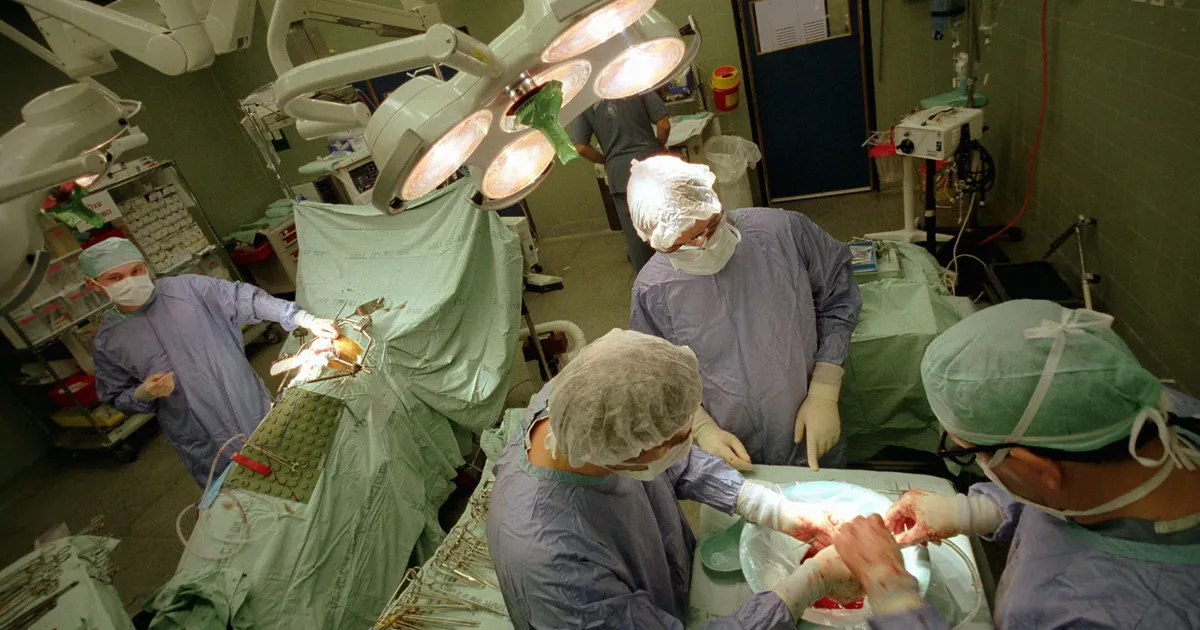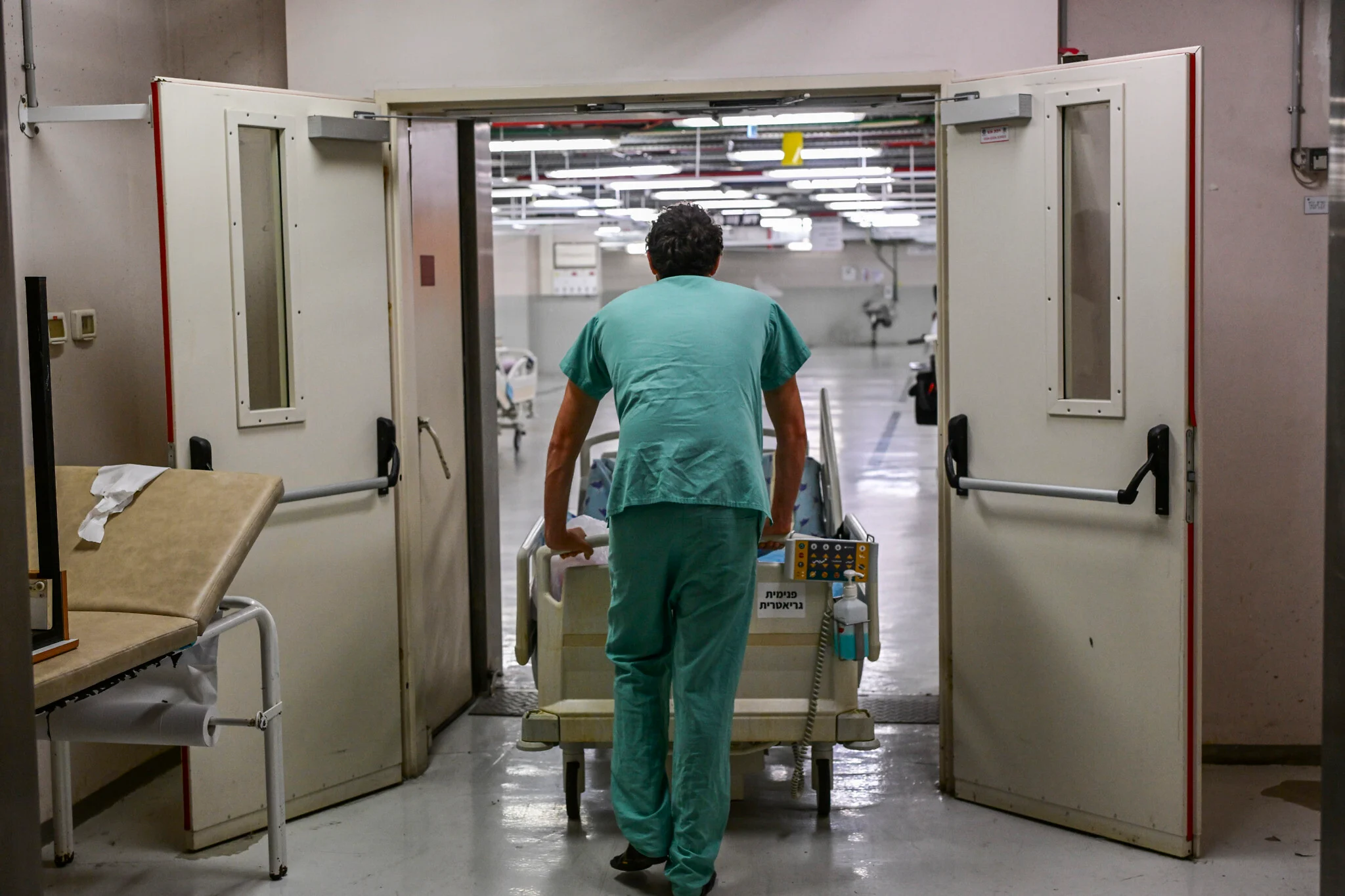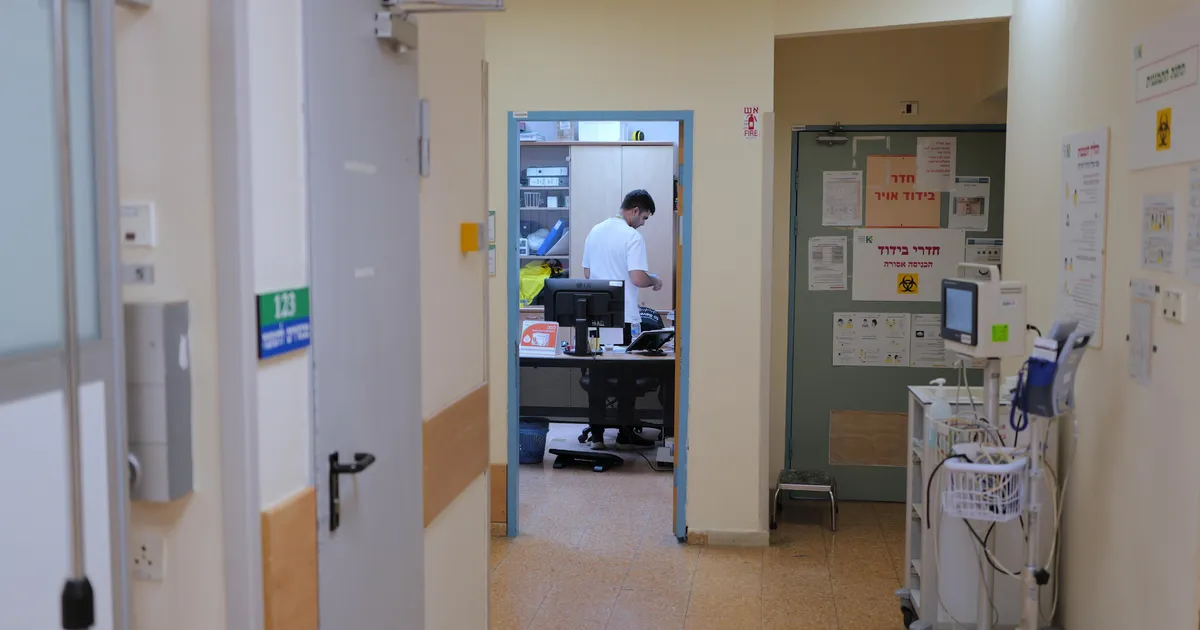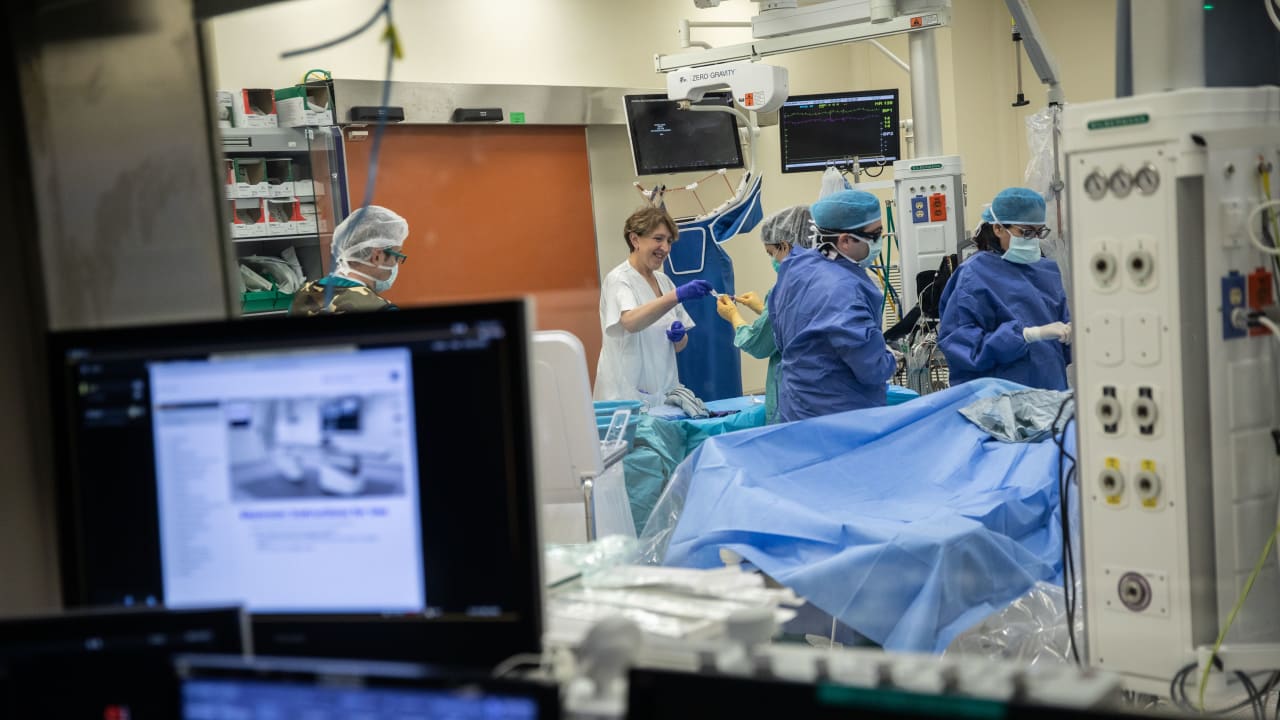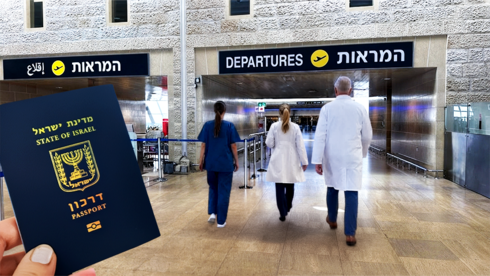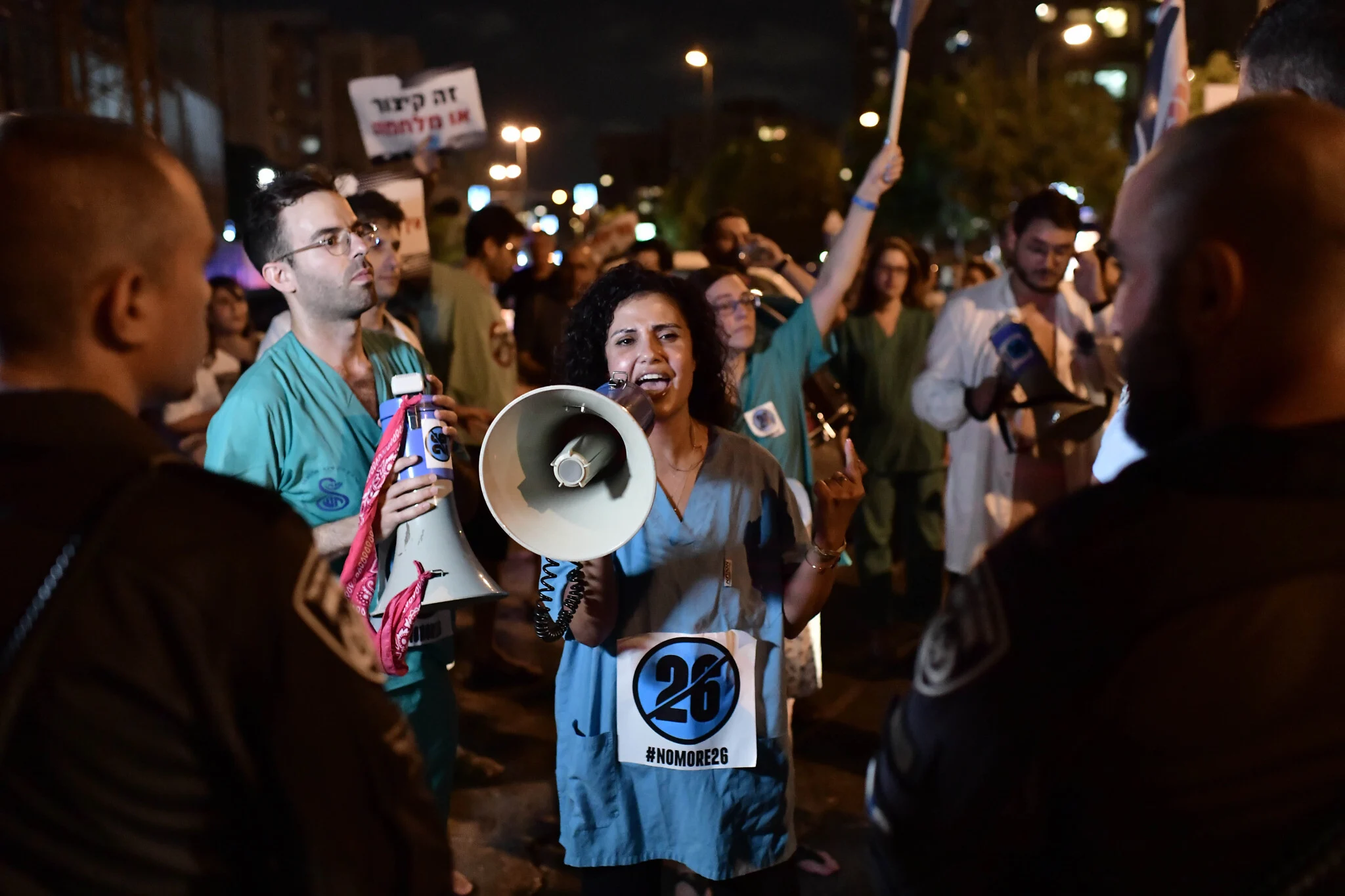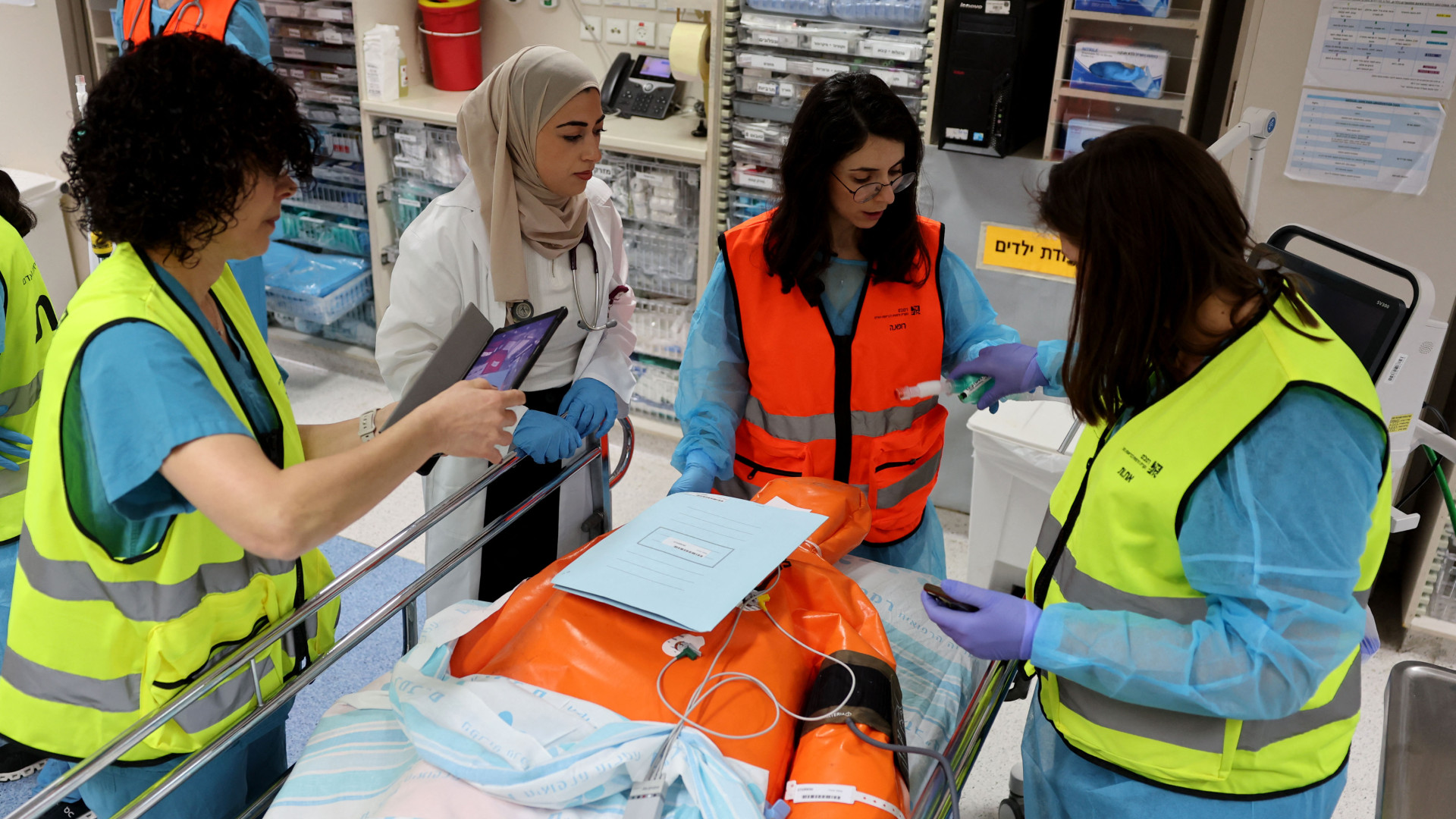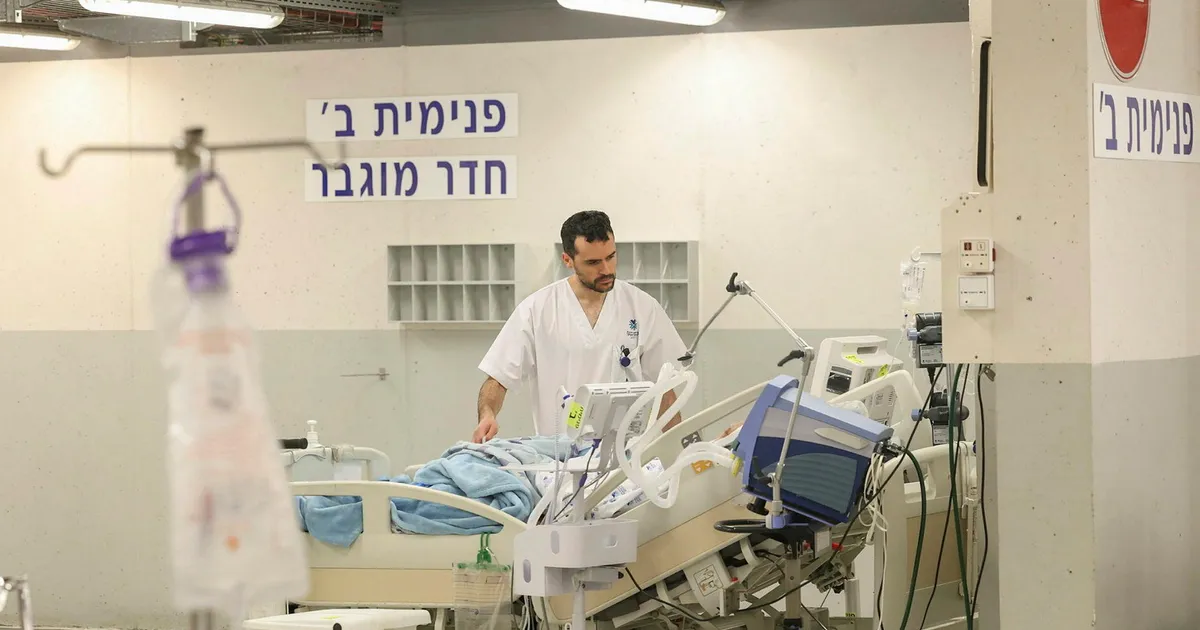
Current sectionScience & Health'The big question is what will happen after the election,' said a Tel Aviv University professor who conducted the research. The figures point to 2023 – marked by Netanyahu's judicial overhaul and the October 7 attack – as the main turning pointShare to FacebookShare to XArticle printing is available to subscribers onlyPrint in a simple, ad-free formatSubscribeComments: Zen reading is available to subscribers onlyAd-free and in a comfortable reading formatSubscribeHospital bed in an underground complex at Ichilov Hospital in March. Credit: Ichilov Hospital spokespersonHospital bed in an underground complex at Ichilov Hospital in March. Credit: Ichilov Hospital spokespersonSeptember 06, 2026At least 1,370 physicians left Israel between 2023 and 2025, following Prime Minister Benjamin Netanyahu's judicial overhaul, nearly double the number who left during the same period a decade earlier, according to a new Tel Aviv University study published Sunday.The study was conducted by Prof. Itai Ater of the Coller School of Management, who heads the Economists for Democracy forum; Prof. Nittai K. Bergman, head of the Berglas School of Economics; and Doron Zamir, a doctoral student at the Coller School of Management.The group has already published several reports documenting increased emigration since 2023, particularly among academics, engineers and other highly skilled professionals."Economists have been warning since 2023 about the departure of highly skilled workers as a result of the government's policies," Ater told Haaretz.Haaretz Podcast | Behind the scenes at the Republican Jewish Coalition confab"It began in the context of the judicial overhaul and has only worsened since Hamas' October 7 attack, the war and the disparities between those serving and those not serving [in the military]. We economists warned that citizens who can leave would do so. The documents we published seek to determine whether these warnings were justified."An operating room at Ichilov. Credit: Tomer AppelbaumAn operating room at Ichilov. Credit: Tomer AppelbaumThe study uses the Central Bureau of Statistics' definition of an emigrant who has left Israel. Under this definition, physicians are considered to have emigrated if, during the first year after their departure, they spent more than 270 days outside Israel and, since their departure, have not spent more than three consecutive months in the country.The researchers also limited the analysis to people who had lived in Israel for at least three years before their departure. This was intended to exclude immigrants who arrived in Israel following Russia's invasion of Ukraine. Some have argued that many of these immigrants have since left the country, potentially distorting the emigration figures.Because many physicians eventually return to Israel, for example, after completing their residency, the researchers also accounted for returnees. After adjusting for these groups, the study found that Israel lost an average of 255 physicians per year during the period examined, five times the annual average of the previous decade.To provide a clearer picture of the trend, the researchers examined emigration rates among physicians aged 45 and older, those who have generally completed their residency and are expected to train the next generation of doctors in Israel.The study found a worrying trend in this group as well: between 2023 and 2025, one in five physicians who emigrated was at least 45 years old, compared with one in seven during the previous decade.An analysis by medical specialty shows that among ear, nose and throat, dermatology, and ophthalmology physicians, specialists who are already in high demand in Israel, 6.2 percent of those working in these fields left the country during the period examined (116 physicians). Among physicians in these specialties under the age of 60, the figure rises to 9.4 percent.Another concerning figure involves surgeons: 188 surgeons left Israel during this period, representing 6 percent of all physicians working in the field, and 8.8 percent of those under the age of 60.A breakdown by district shows that most of the physicians who left had lived in the Tel Aviv District, where 5.4 percent of physicians emigrated, compared with just 1.5 percent of physicians who lived in West Bank settlements.Israeli doctors protest the government's judicial coup in Tel Aviv, earlier this year. Credit: Hadas ParushIsraeli doctors protest the government's judicial coup in Tel Aviv, earlier this year. Credit: Hadas ParushThe data on physicians under the age of 60 comes alongside a report published by the Finance Ministry last week, which found that in the coming years, approximately 24 percent of specialist physicians working in Israel's public hospitals will be approaching retirement age. It also found that about 25 percent of physicians currently working in Israel have already passed retirement age and continue to work because of the shortage of doctors.Atar concludes that what is particularly troubling is not the current situation, but the trend revealed by the study."The big question is what will happen after [the election in] October. If the trend doesn't change, the numbers we are seeing now will become much more painful," he said.In the NewsIsrael's Algae Crisis: Is 'War Dust' From Gaza Fueling the Crisis?57,000 Israelis Have Left the Country Since Last Rosh HashanahIsrael's High Court Weighs Legality of Voter-tracking Apps Ahead of ElectionCovenant Emerges From Stealth With Plans for Low-cost Cruise MissilesIsrael's Response to U.K. Settlement Sanctions Is a Media-hyped NothingburgerRemembering and rebuilding two years laterICYMINetanyahu Got an Explicit Warning Before Oct. 7. He Didn't Brief Security ChiefsThink Bibi Is Bad? Meet Sara NetanyahuIMDb Replaces the Name Israel With 'The Occupied Palestinian Territories'Water Crisis Triggered by Gaza's Ruin: Israel Is Paying the Price of DestructionNetanyahu Was Warned About October 7. Will Haaretz's Exposé Change Anything?What Did Netanyahu Really Do on the Morning of October 7?
Almost 1,400 doctors have left Israel amid Gaza war, study finds
'The big question is what will happen after the election,' said a Tel Aviv University professor who conducted the research. The figures point to 2023 – marked by Netanyahu's judicial overhaul and the October 7 attack – as the main turning point
921 words~4 min read