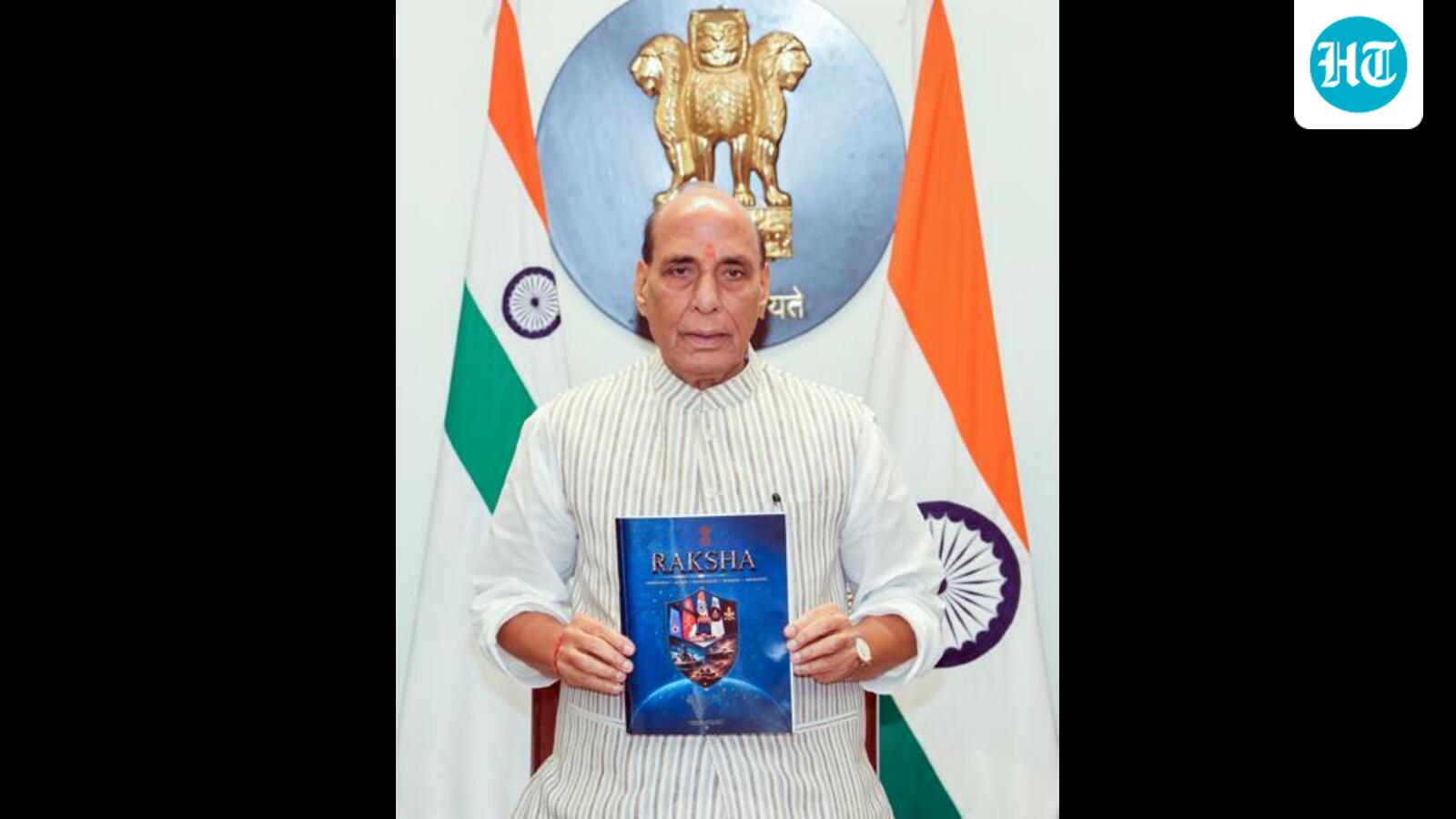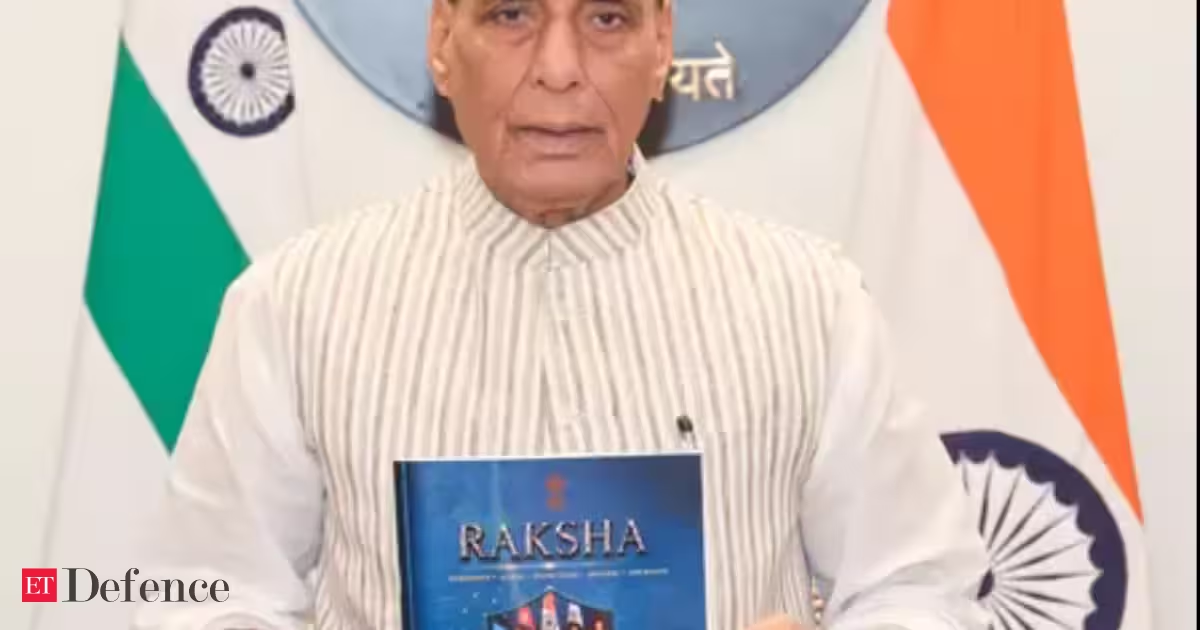
The Ministry of Defence (MoD) plans to increase its military diplomacy outreach to the entire globe by establishing 85 to 90 defence wings by the end of 2030. The priority is to place corresponding officers in 12 countries that have already deployed their respective defence attaches in their embassies in New Delhi. But India has not done so far. The defence wings act as forward nodes of defence diplomacy and industry outreach with host nations.As of now India has about 54 defence wings in missions abroad, internal MoD information accessed by businessline revealed. Out of this, two are in America, 11 in Africa, 10 in Europe, 30 in Asia and two in the Oceania region. Ten more defence wings were approved by Defence Minister Rajnath Singh in 2024, which are in the process of getting established, taking the total to 62.Of the new ones, three more will be opened in America, four in Africa, one in Europe, and one will be taken out of Asia, as per changes made in the strategy.Moreover, to facilitate regular dialogues and engagements, instead of opening a new defence office in every single country, accreditation has been given to 50 existing ones to cover some neighbouring nations. In this way, the outreach can be expanded to overall 157 countries, as per the MoD’s plan.In the multi pronged approach to increase defence cooperation and cooperation xports, armed forces utilised the allocation ₹400 crore as a “defence diplomacy fund” for financial year 2025-26, which is ₹100 crore more than the previous financial year’s budgeting.The defence diplomacy fund, launched in FY 21-22 with a corpus of ₹110 crore, is drafted into the revenue budget of the Indian Army, Indian Air Force (IAF) and Indian Navy. Since FY25, the Indian Coast Guard has been getting this fund to increase India’s strategic outreach by way of offering gifts and gratis to friendly foreign countries, like in Africa, with significant defence material, equipment and infrastructure support.The fund was increased to ₹150 crore in FY23, and the budget remained the same in the following FY24, but there was a significant jump to ₹300 crore in FY25, and ₹400 crore in FY26.The government is giving a nudge to defence wings and reorienting the role of Indian defence attaches (DAs) — who are military officials drawn from the Army, Navy and Air Force and posted as diplomats in embassies and consulates abroad — to promote exports and cooperation with countries.Sources said the DAs have been withdrawn from many countries from which equipment was being imported to those regions and nations to which India is exporting or has potential for future trade. India has set a defence export target of ₹50,000 crore by 2030, up from ₹38,424 crore in FY26.Besides this, India is looking to enhance the presence of liaison officers in multinational constructs and host countries in West Africa, the Mediterranean, Latin America, the Caribbean and Pacific Island. As of now, India has positioned 2 International Liaison Officers for cooperation with organisations and between nations and 4 more will be deputed in the near future, as per the Ministry’s blueprint.Positioning of International Liaison Officers enables real-time access to policy discussion, intelligence inputs and decision-making processes, allowing India to shape outcomes and faster crisis response.This is in addition to the Bharat Maitree Shakti Scheme through which New Delhi has increasingly extended dedicated concessional Defence Lines of Credit to boost defence exports, maritime security and capacity building to adjoining countries like Vietnam, Bangladesh, Sri Lanka, Mauritius, Maldives and many in the African continent.The other milestones flagged are by way of defence industrial collaboration, aimed through initiatives like the global shipyard model. This approach also serves as a calibrated response to expanding Chinese maritime influence under the Belt and Road Initiative, with India emphasising transparency, sustainability and capacity building rather than debt-driven engagement, the strategic roadmap reveals.The model is anchored in the government’s massive ₹69,725-crore shipbuilding reform package unveiled late last year. By leveraging partnerships with global leaders like South Korea and Japan, India intends to promote green shipping, aiming for 30 per cent of the fleet to use clean fuels by 2047 and reduce the current $110 billion annual outflow to foreign vessels.Rajnath Singh on September 3 released the ‘RAKSHA’ framework on defence diplomacy, which outlines India’s strategic roadmap and vision for global defence partnerships over the next 10 years.Published on September 6, 2026
MoD boosts defence diplomacy push with ₹400 crore fund, plans 90 defence wings globally by 2030
MoD plans 85-90 defence wings by 2030 and reorients attaches to push exports towards ₹50,000-crore target
728 words~3 min read