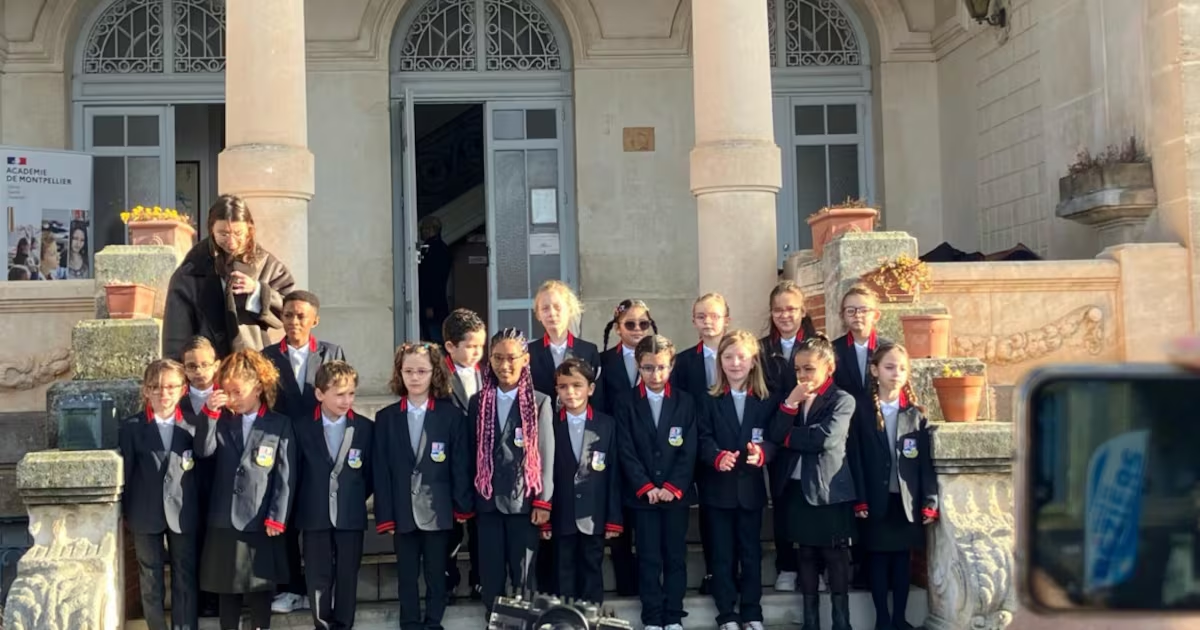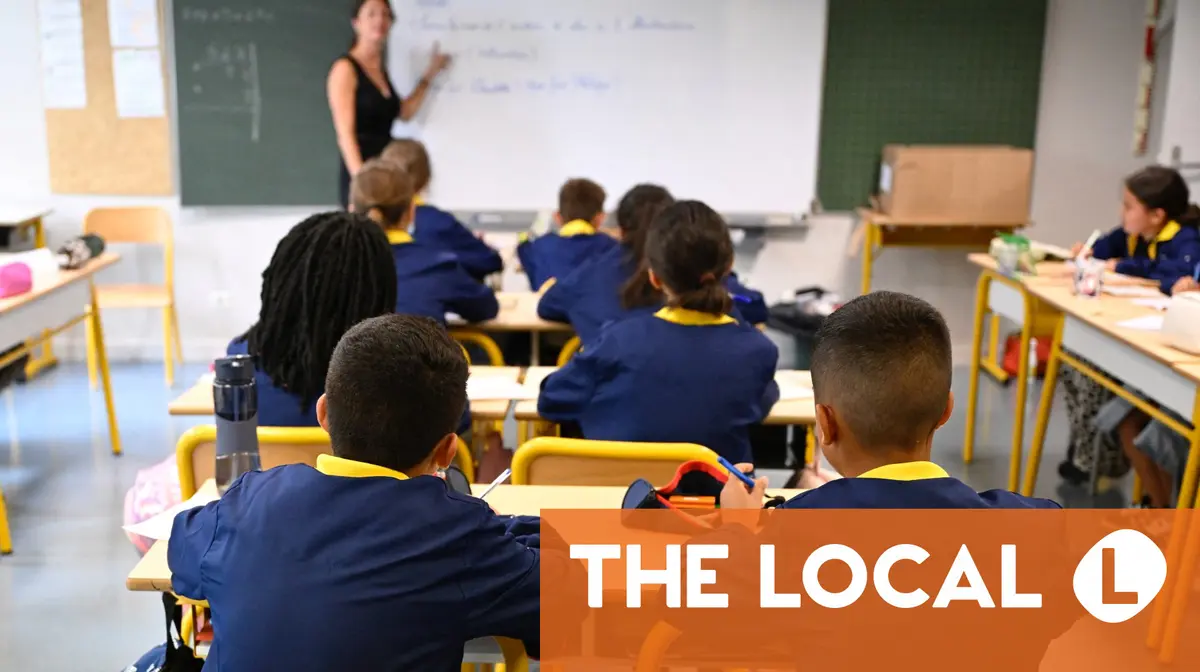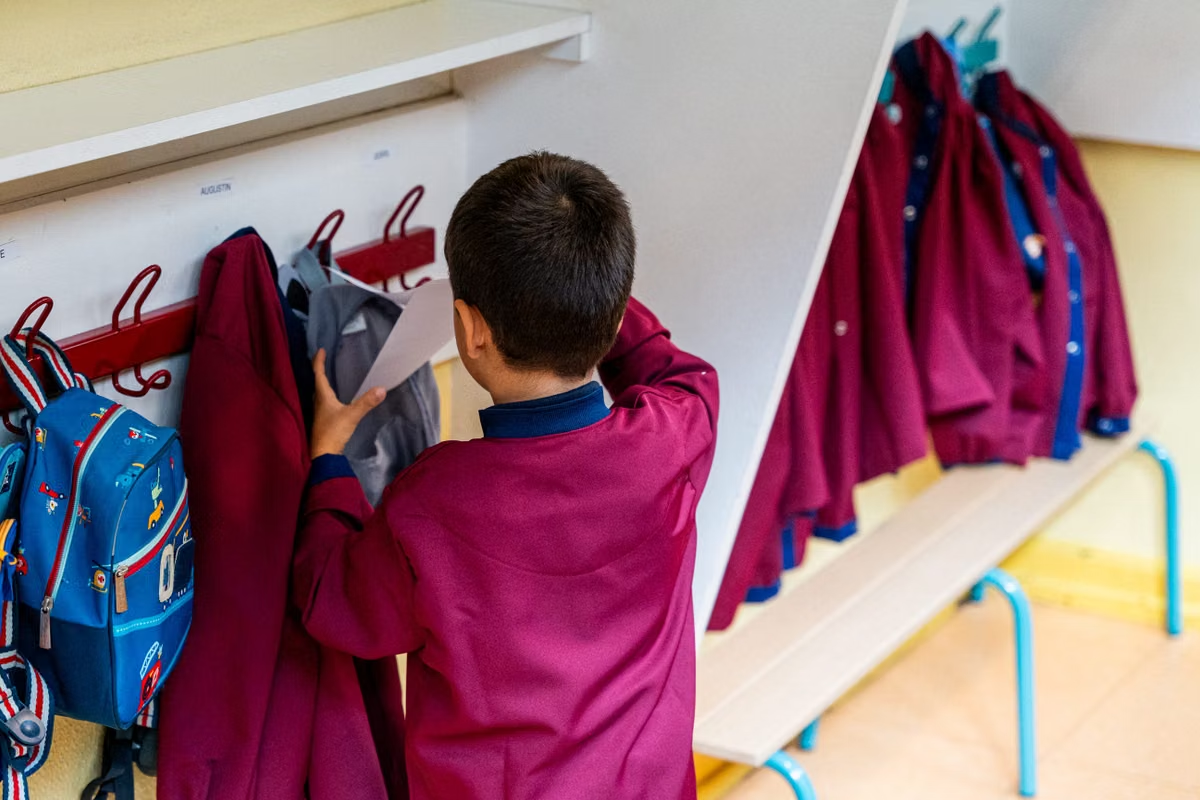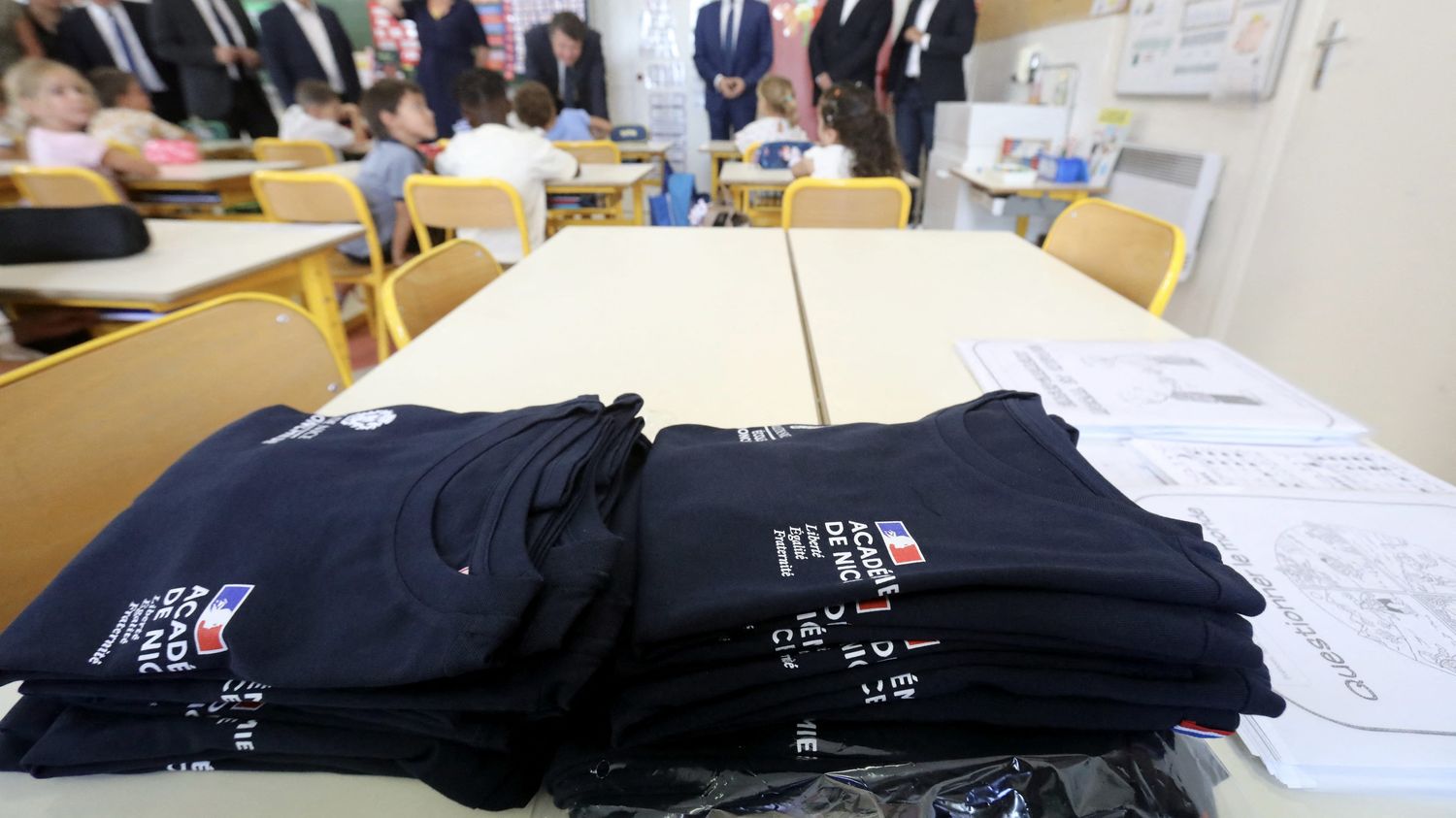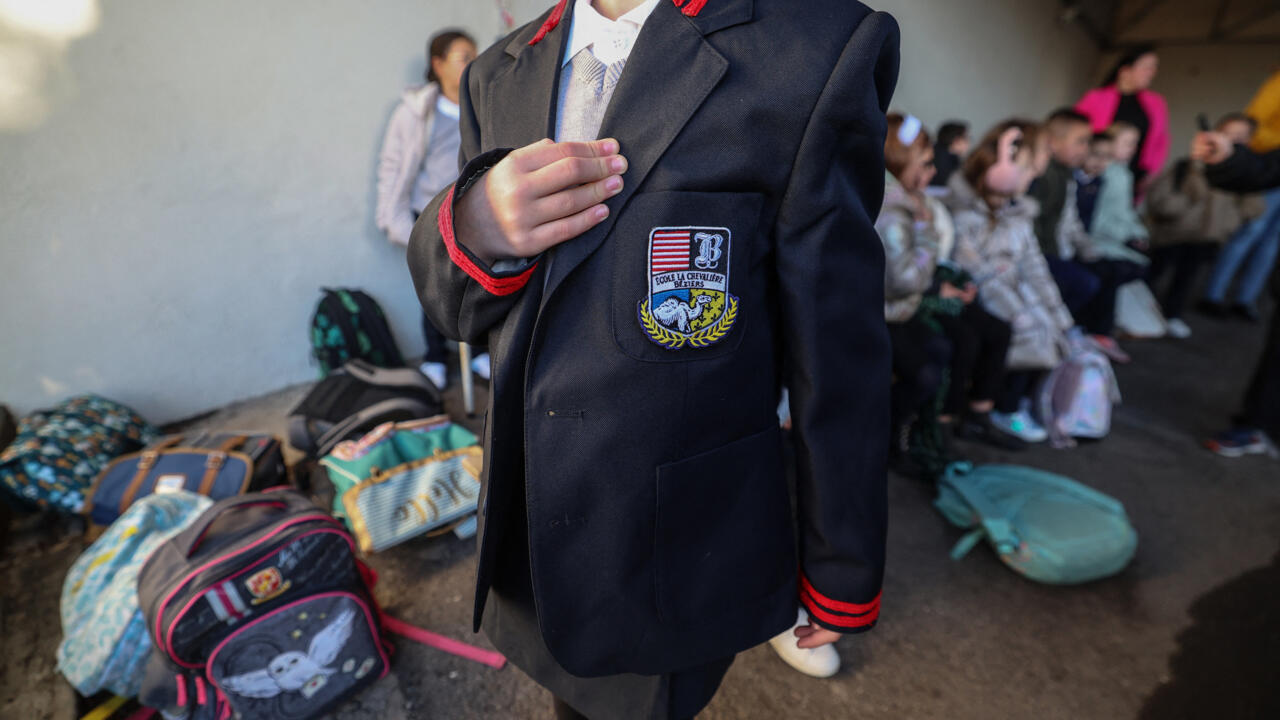
Two years after France began trialling uniforms in schools, the experiment is sputtering to a close after failing to convince pupils or teachers.
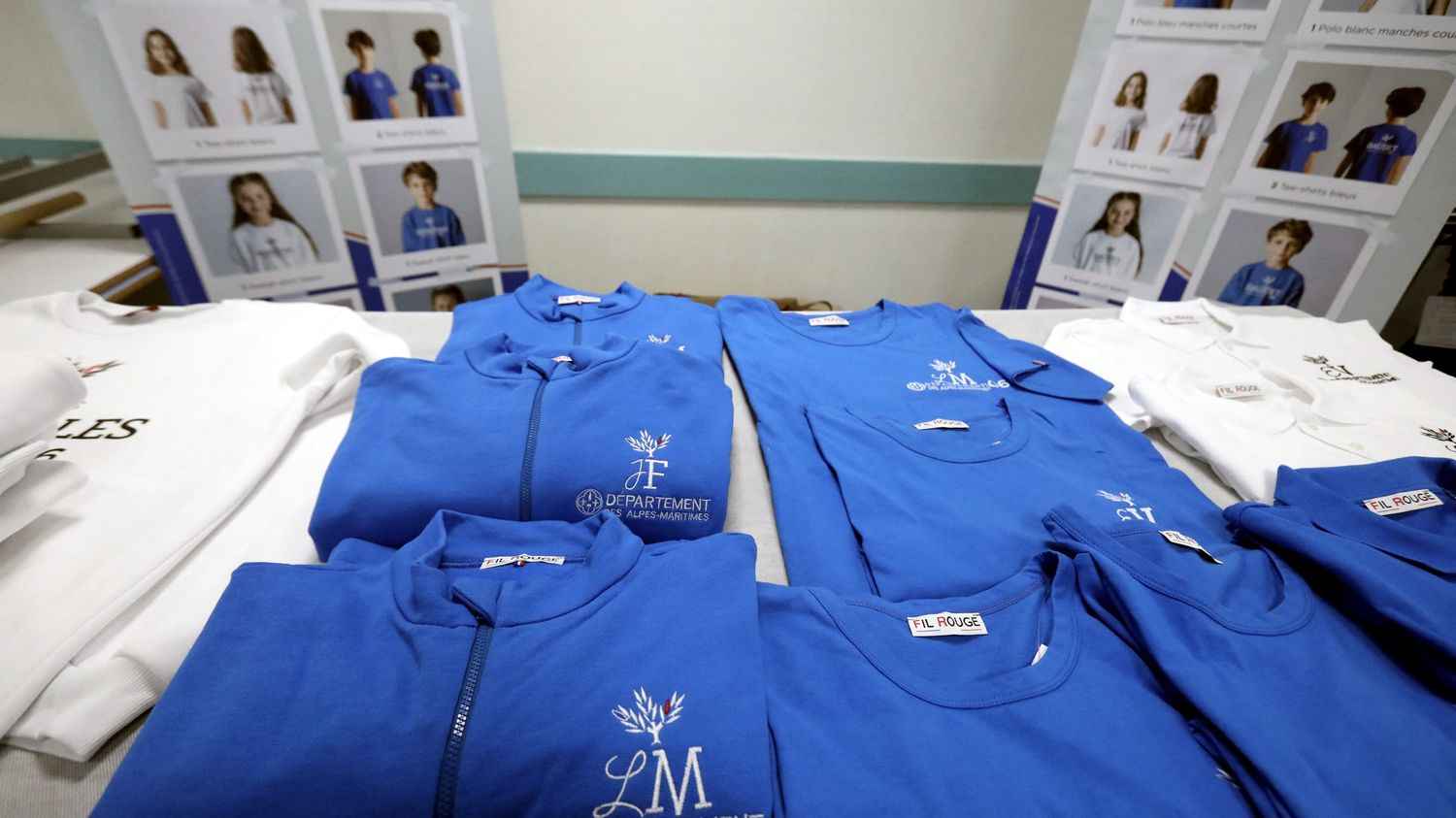
Research found strong opposition among students, while evidence of better academic results, less bullying or fewer social divisions remained limited. Education Minister Édouard Geffray confirmed in late August that the opt-in scheme would not continue nationally when schools reopened for the 2026-2027 academic year. “It is neither a failure nor a waste. But the experiment showed that its overall effect was fairly limited,” Geffray told local reporters. “We did not see particularly clear changes in academic results. As for the school environment, the effects were quite uneven.” He added: “If it doesn't work, we're not going to persist with it. But if some want to continue the experiment locally because it works, they are free to do so.” The French news agency AFP said France's Education Ministry did not respond to requests for details of any funding allocated to uniforms for the new school year. Unity in uniform School uniforms were one of the flagship measures introduced under former prime minister Gabriel Attal's government. Supporters hoped wearing a uniform would strengthen cohesion and students' sense of belonging, combat bullying and discrimination, improve school life, and ultimately help academic performance. Starting in September 2024, state schools from primary to high school were invited to trial uniforms of their choosing, with local authorities and the national government covering the cost. Around 200 establishments out of nearly 60,000 signed up for the first year. Wider rollout was envisaged for 2026 if results proved convincing. Schools drop out Despite high hopes, local authorities have been dropping out one after another. In the northeastern city of Metz, authorities said in 2024 they would take part for as long as the state continued its trial. In August, with state funding no longer assured, the mayor confirmed the city's six participating schools – representing 800 pupils – would end the programme. In nearby Florange, nearly 90 percent of parents and school staff voted in June to abandon the scheme – despite local mayor Rémy Dick, from the conservative Republicans party, initially pushing for it to continue. “There is no point wanting a single outfit if we have to impose it,” Dick ultimately acknowledged. Nice, Reims and Châlons-en-Champagne are among the other municipalities that have confirmed they are not continuing the pilot. One notable exception is the southern city of Béziers, where far-right mayor Robert Ménard has decided to extend uniforms to every primary school in the city. Wearing them will be optional, however, and local authorities no longer expect state funding.