Mani Basharzad
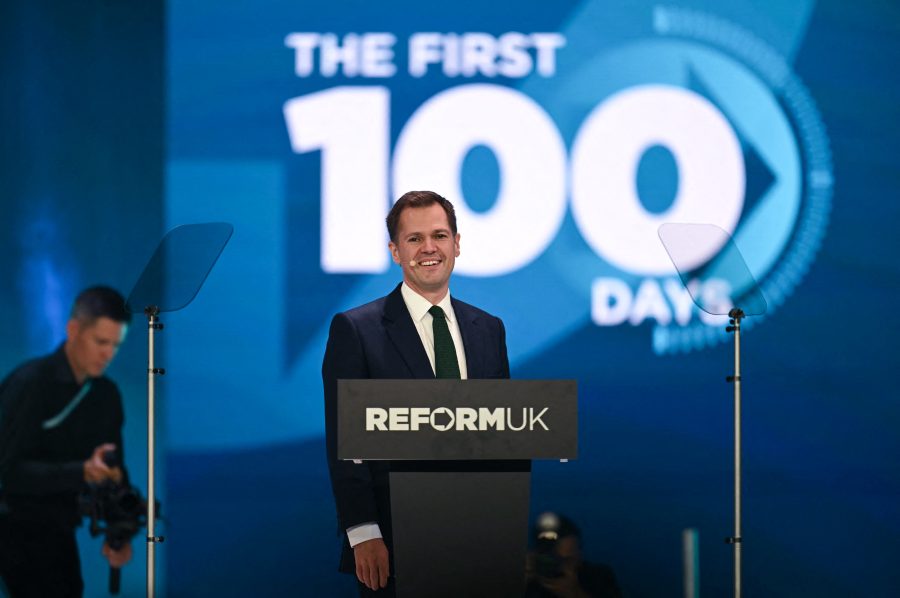
Reform has said at its conference that it will increase the tax-free personal allowance to £15,000 in its first budget. This would amount to a £500 tax cut for the average worker, or £1,000 for a working couple. ‘The biggest rise in the personal allowance in its history,’ as Jenrick put it.
But average workers are already paying the lowest proportion of their earnings in tax for almost 50 years. The figure is also low by international standards: it is 2.7 percentage points below the OECD average, putting the UK in the bottom third. The average UK single worker pays less tax than their American and Canadian counterparts and, as research by the Tax Policy Foundation shows, ‘the average UK worker paid less wage tax than at any time since the 1940s’.
On the other hand, the OBR forecasts that the total tax burden, as a share of GDP, will reach 38.3 per cent by 2030-31: the highest since records began in 1948. There is a clear gap here: the country’s tax bill is going to reach a post-war high at the end of this parliament, but the tax paid by the average worker is at its lowest level for half a century. Who is paying the bill? The middle class and the rich.
The folly at the heart of Reform’s thinking is a class struggle