Two years ago, Yuki Liu was a university student in the northern Chinese province of Hebei, studying traditional Chinese music and the pipa – a pear-shaped Chinese lute – weighing the usual paths considered by her peers: postgraduate degree or civil service exam.Today, her day begins at 1am in Germany.While many people sleep, she is already working as an apprentice at an industrial bakery in a small town outside Stuttgart in the country’s southwest, preparing the shop for the morning rush.The turning point for Liu came as she approached graduation and grew increasingly unsure about the path her studies could offer her in China. “With a music degree, your only option is to teach,” she said. “Otherwise you starve.”Liu came across Germany’s apprenticeship system almost by happenstance, discovering a path that the musician had never imagined: becoming a blue-collar worker in Europe’s largest economy.Liu is among a growing number of young Chinese turning to Ausbildung, Germany’s dual vocational training system, as an alternative to an increasingly competitive graduate job market at home and as a potential route to staying in Europe. Many applicants, like her, already hold university degrees or have worked for well-known companies.
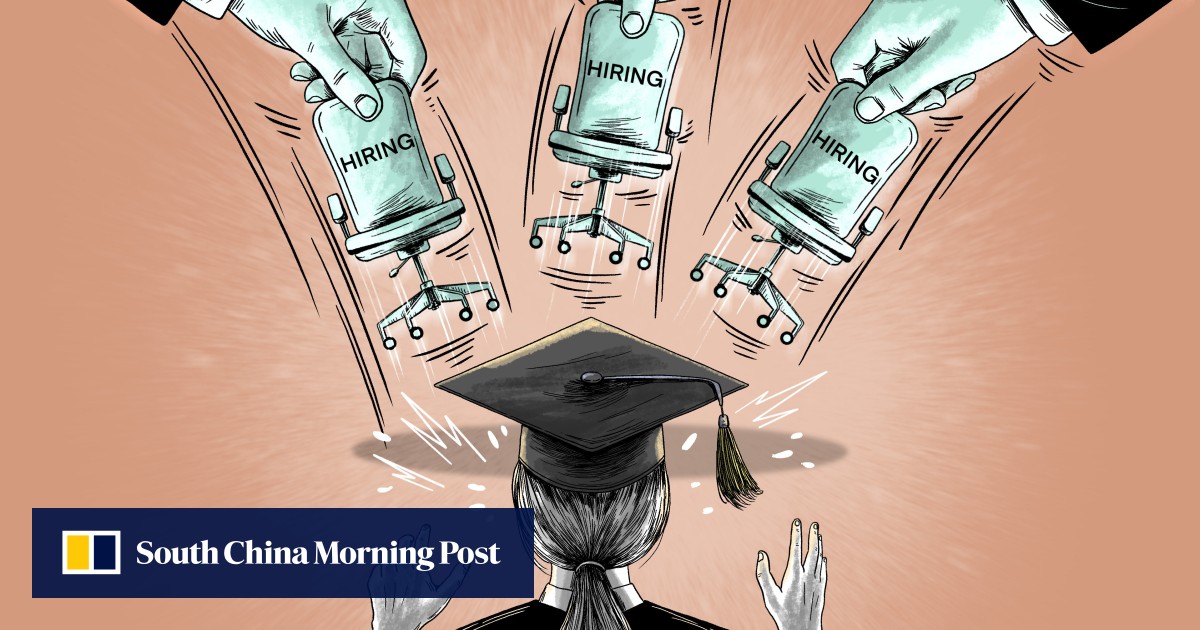
China’s youth job crisis drives graduates to German vocational apprenticeships
Facing bleak employment prospects at home, some young Chinese workers are pursuing technical training abroad, but not all make it through.
195 words~1 min read