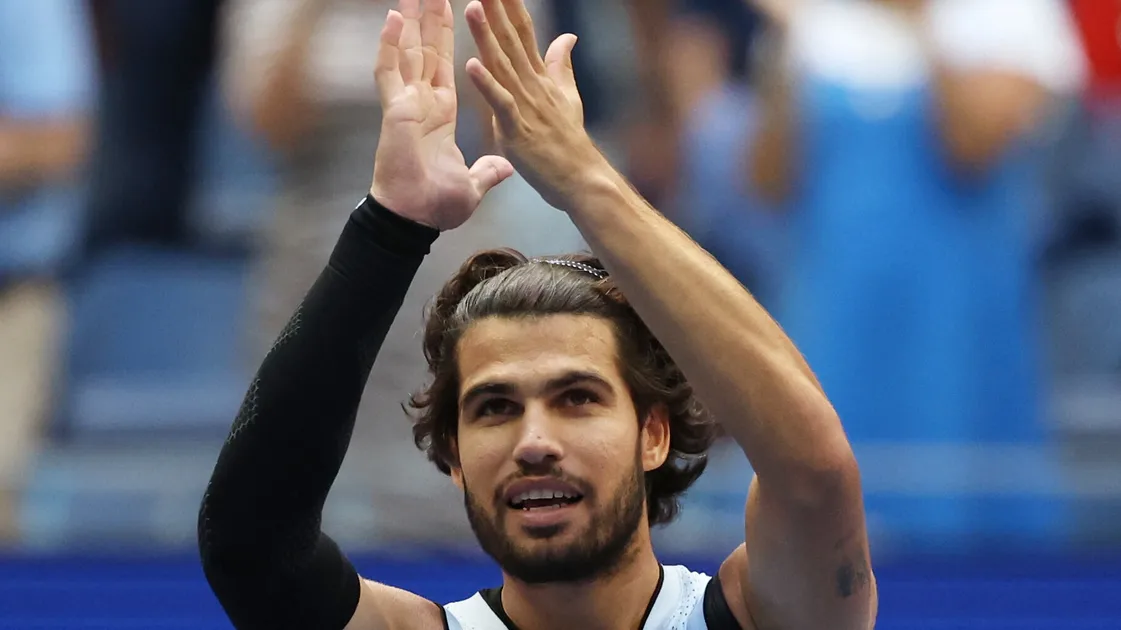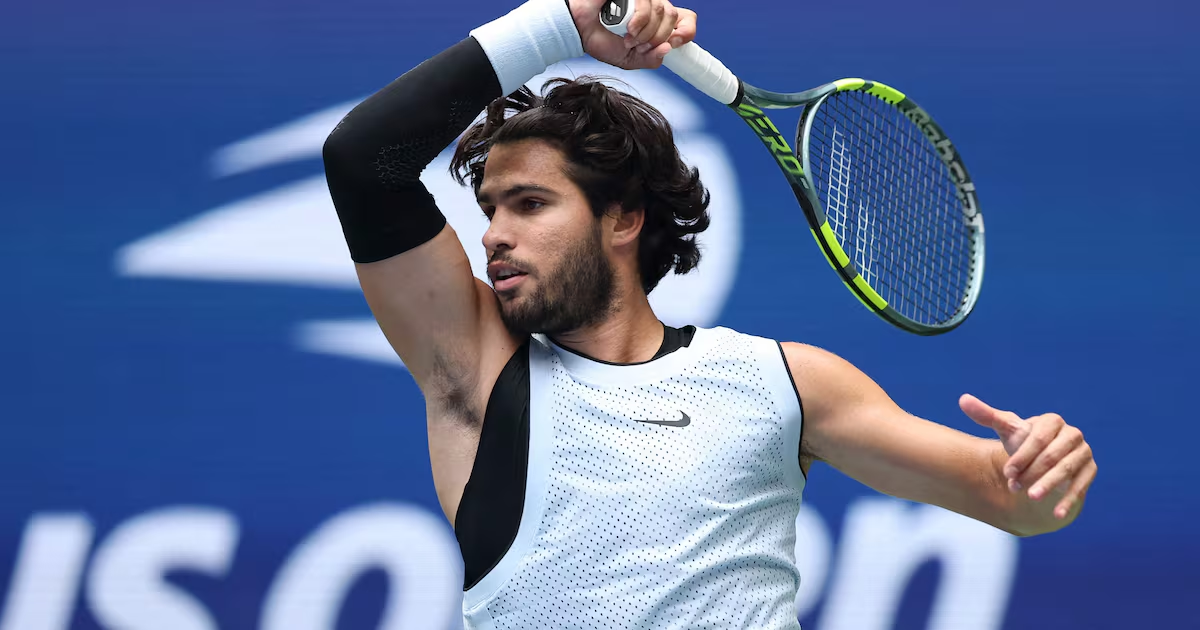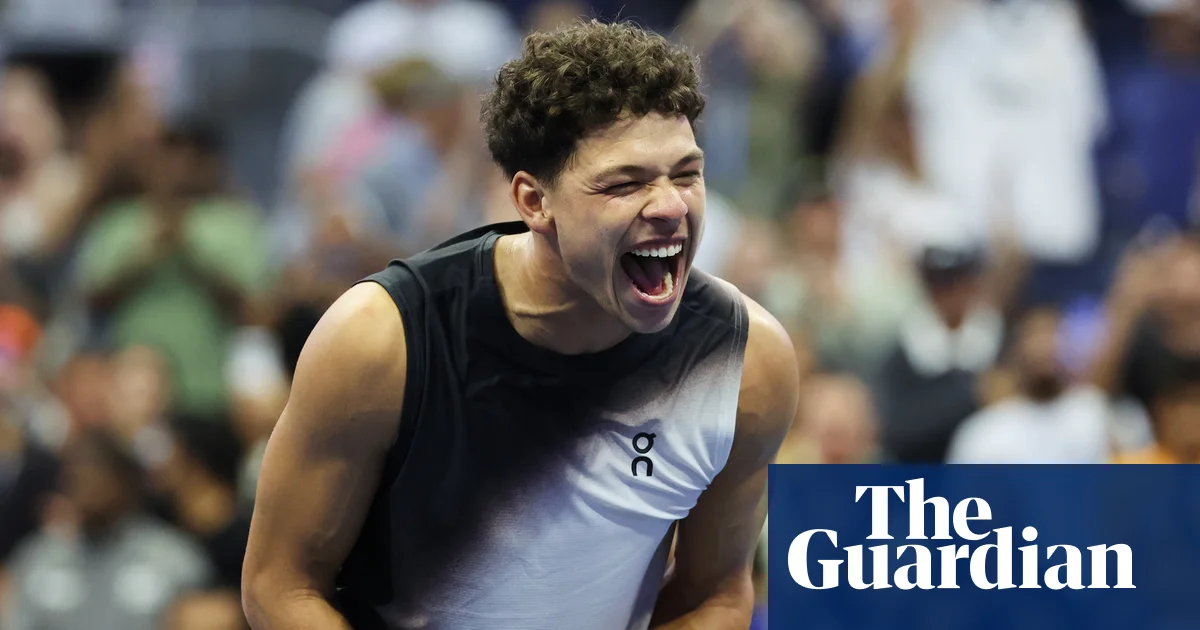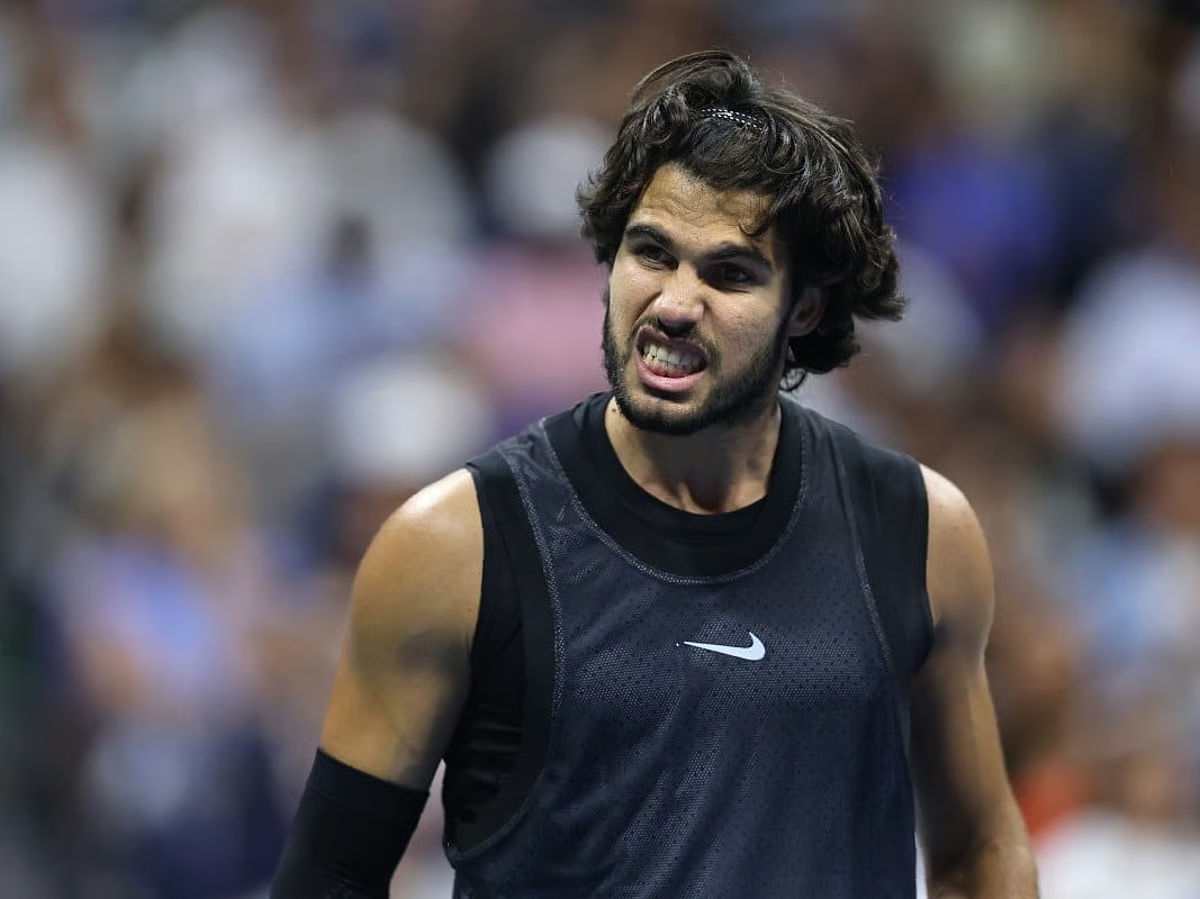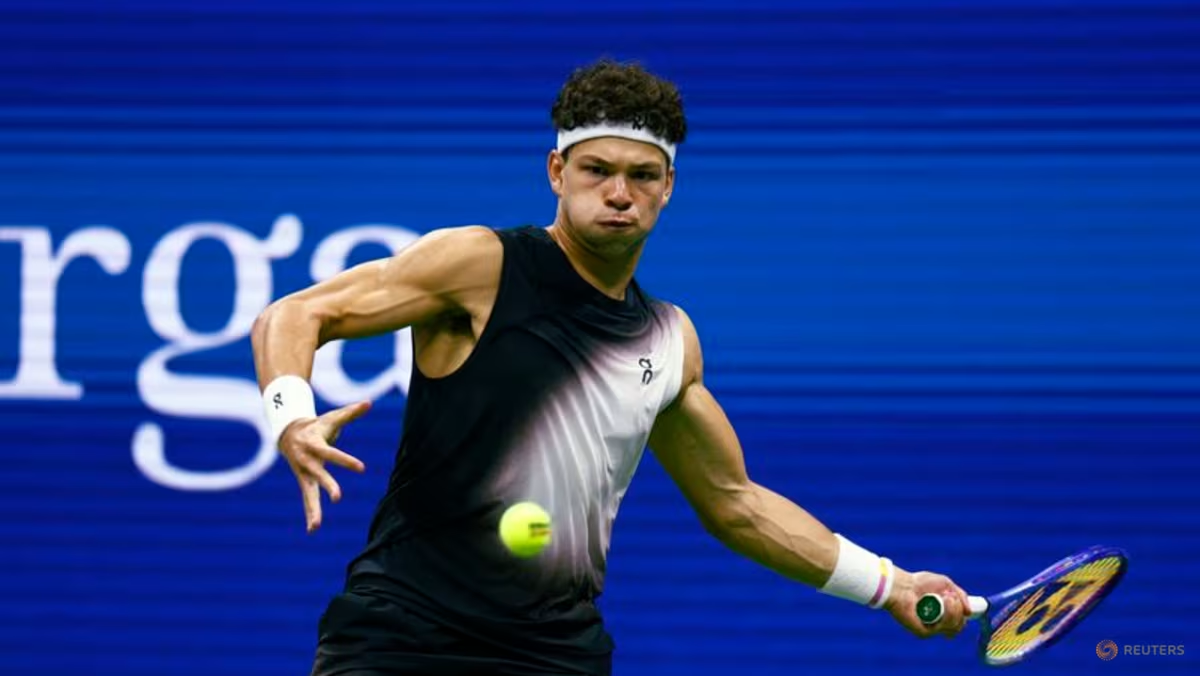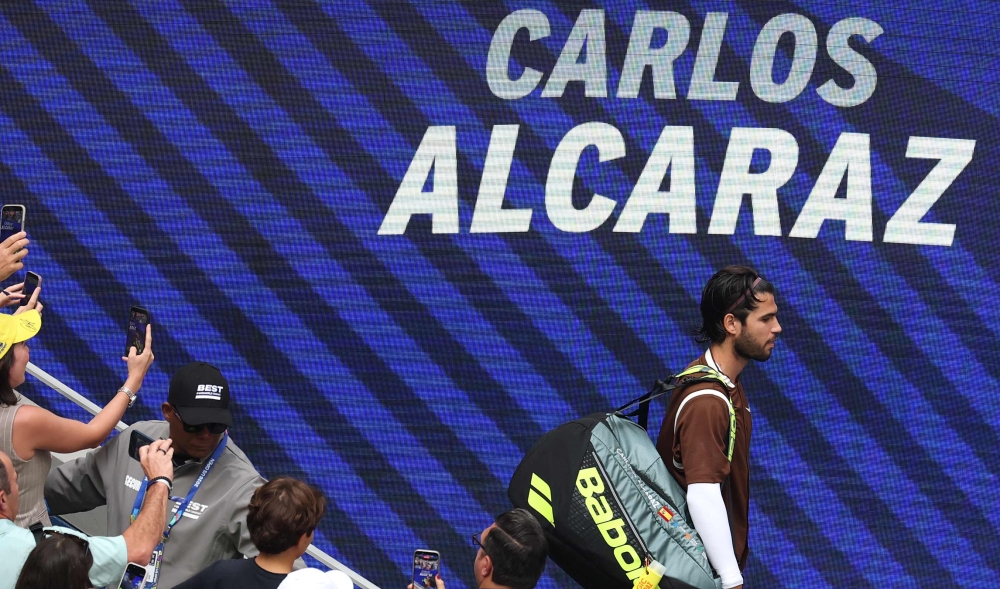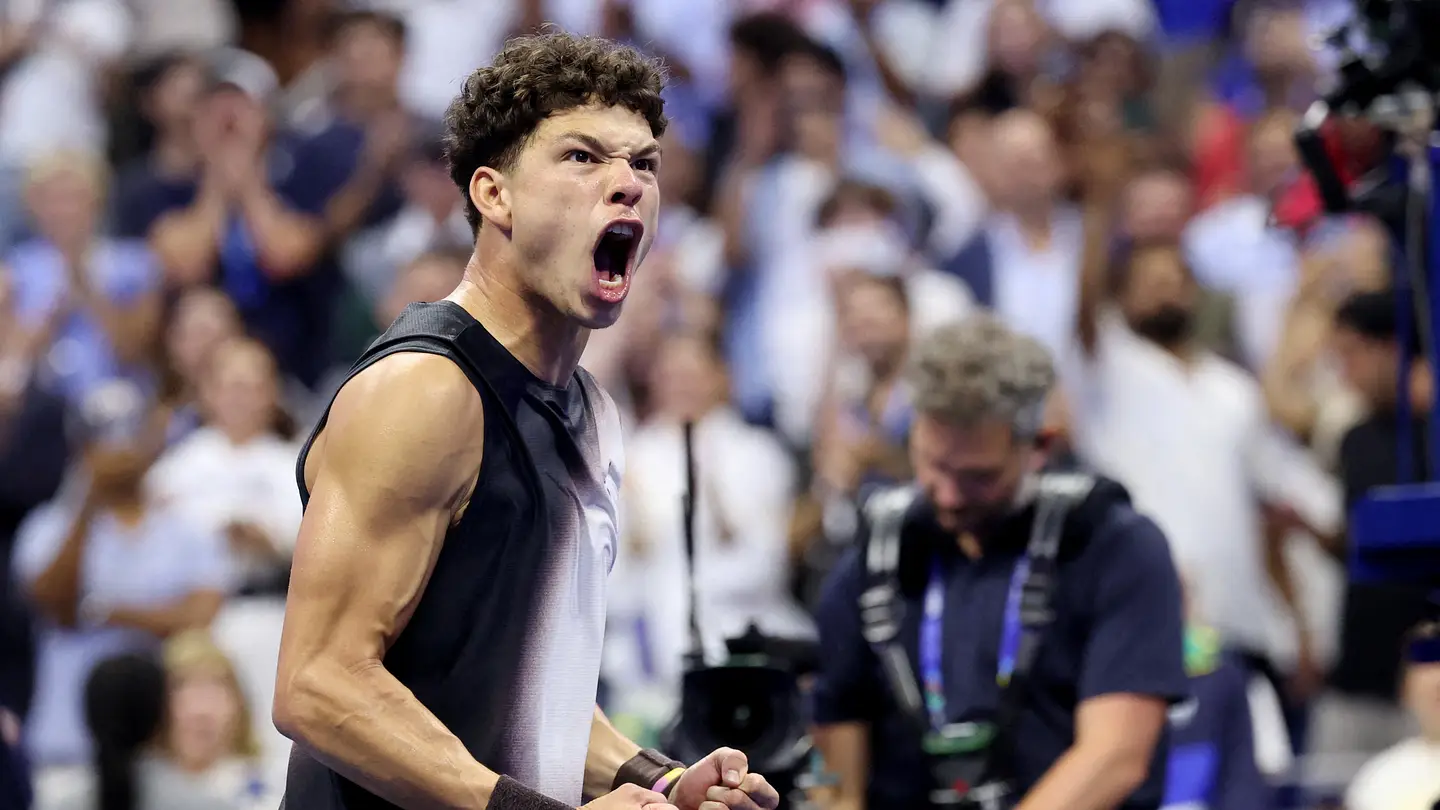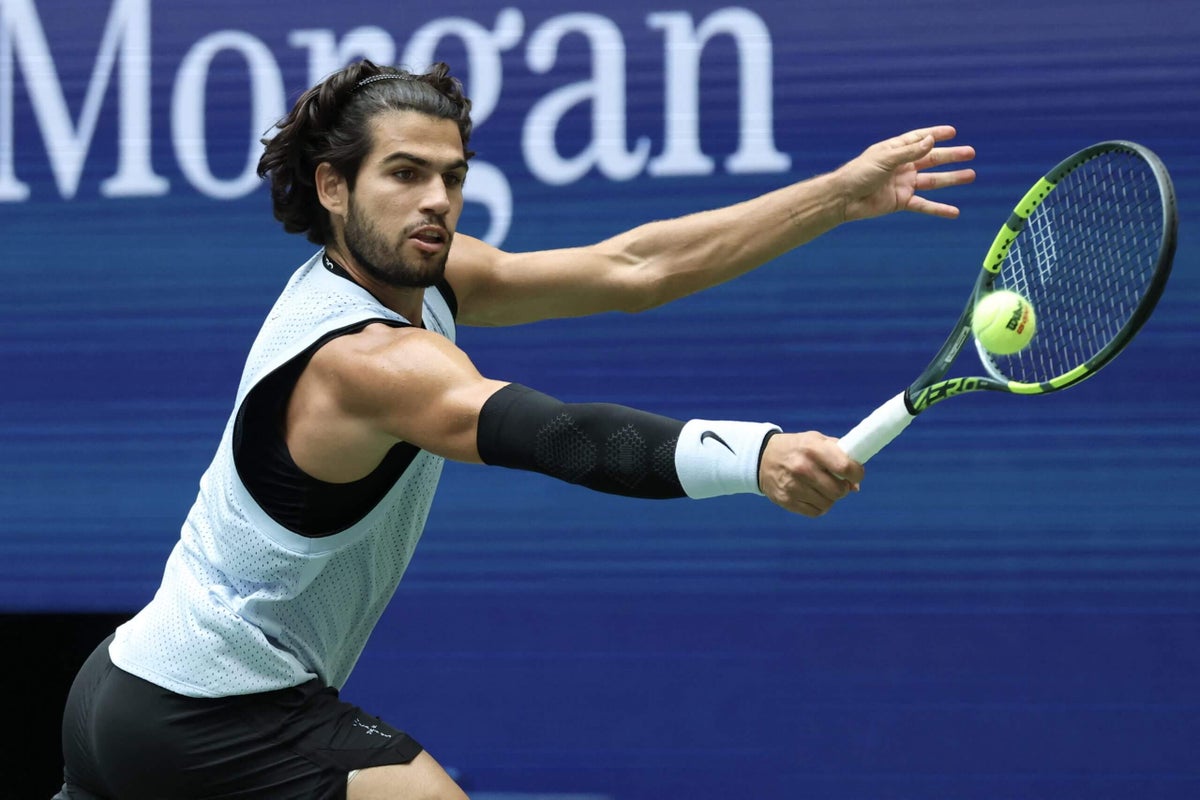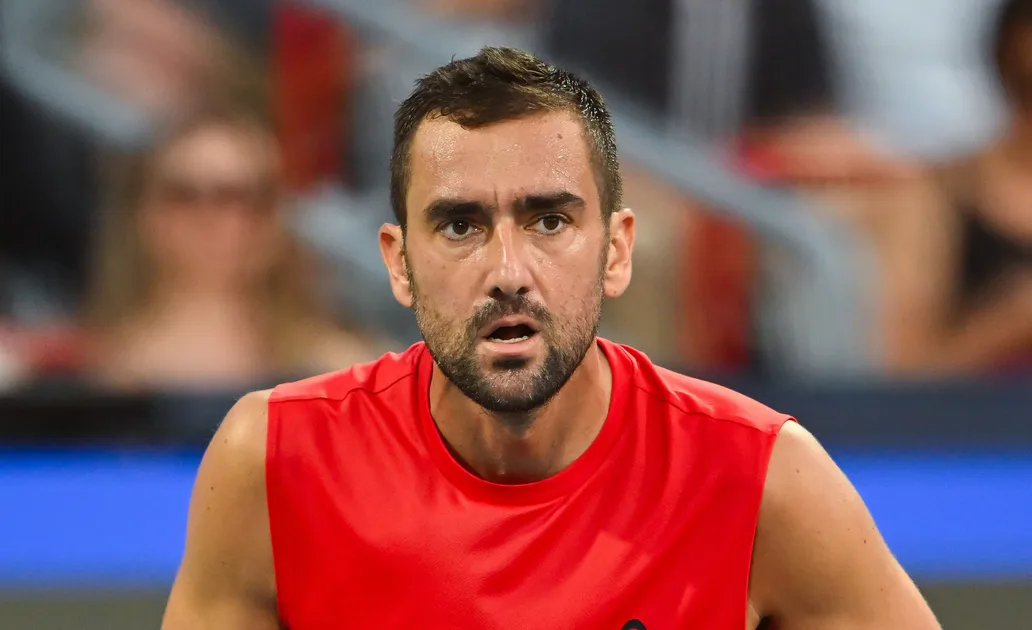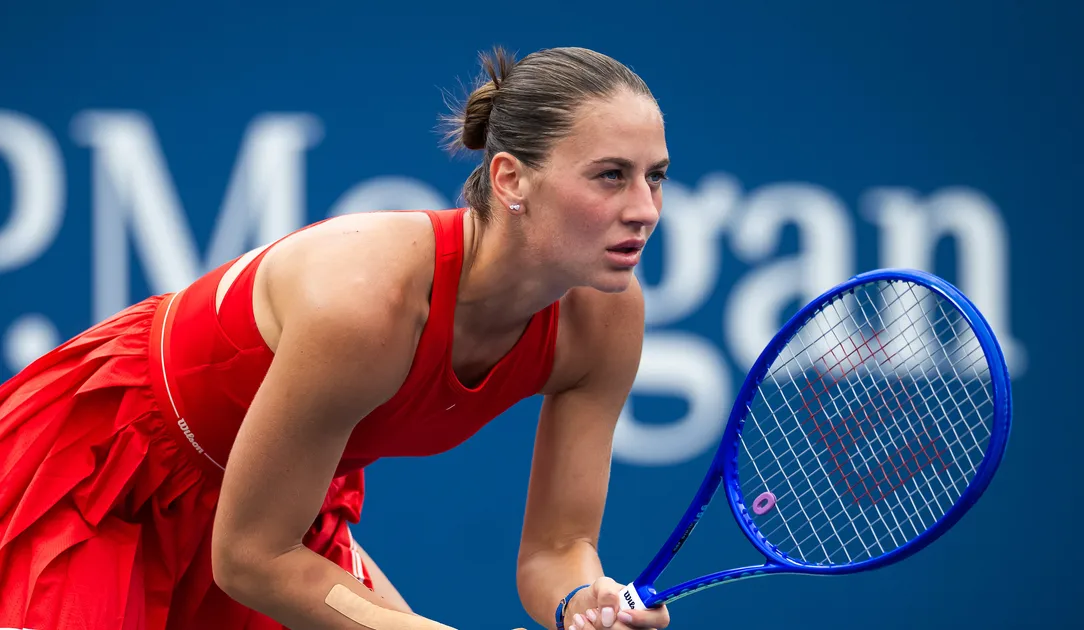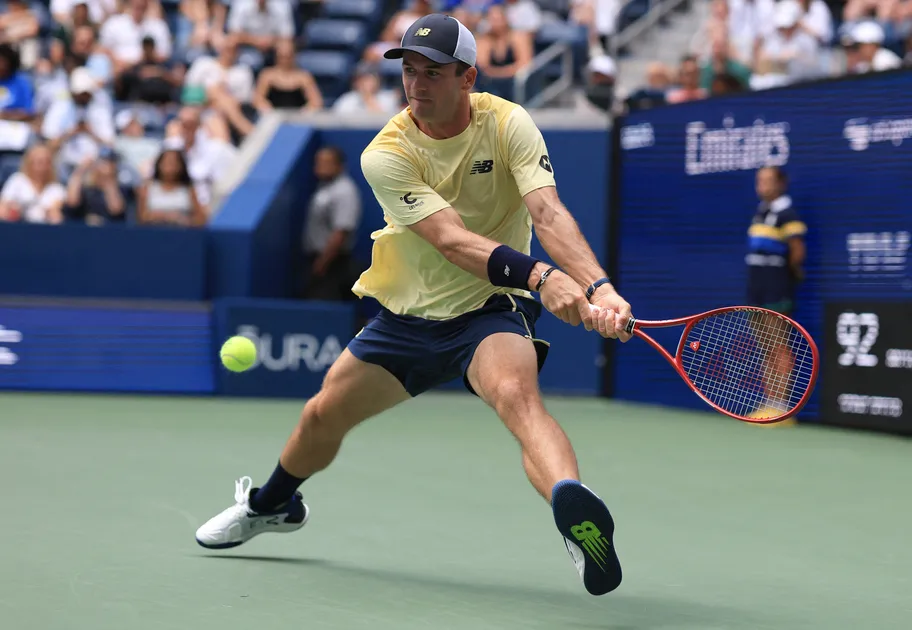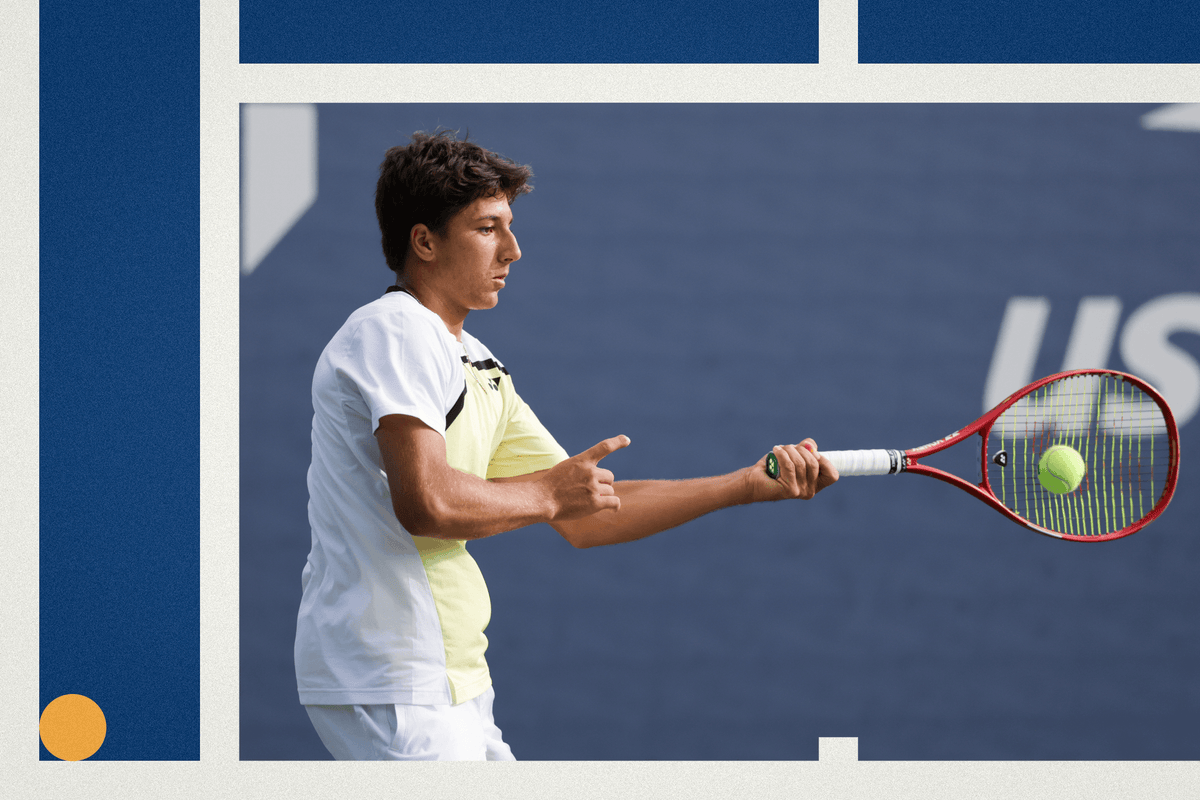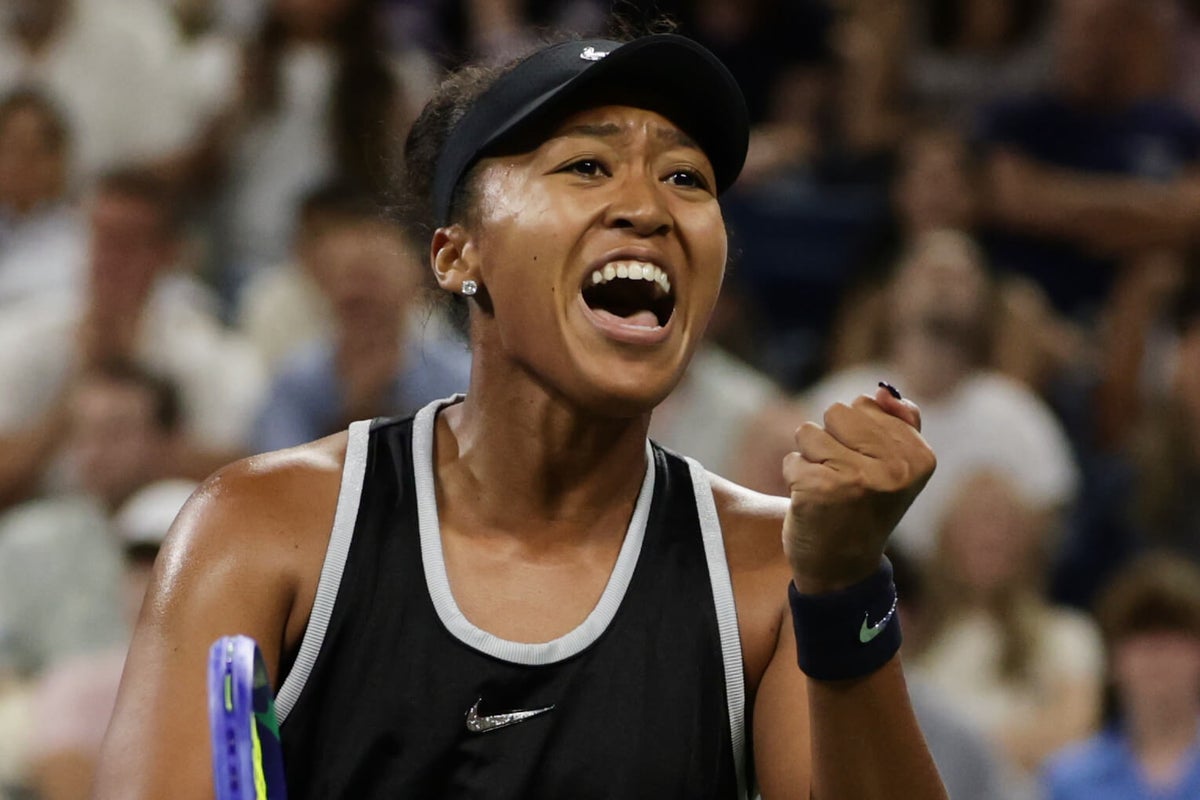
The Athletic has live coverage of the 2026 U.S. Open. NEW YORK — Carlos Alcaraz and Ben Shelton are one match away from what could be the men’s matchup of the U.S. Open.Alcaraz, probably the best tennis player on the planet, is a generational talent. He has mastered both artistry and power to become an all-time great at 23. He is also working his way back from a serious injury to his right wrist at the kind of warp speed that is rarely safely seen in sports.On the other side is Shelton, the biggest name in American men’s tennis right now and likely his cohort’s best hope for breaking a 23-year Grand Slam drought, with his fiery mix of power, athleticism and energy.As the U.S. Open starts its second week, Shelton and Alcaraz also represent opposite journeys through the precarious first days of a Grand Slam. Is it best to conserve energy and strength in the legs while rolling over opponents, or to get pushed close to the limit once or twice, so that when the matches get harder and the pressure rises, the terrain is familiar?Where Alcaraz has cruised, Shelton has clawed. The Spaniard has spent 7 hours and 22 minutes on court. He has played 10 sets and 89 games, winning nine of those 10 sets.Shelton has spent 9 hours and 21 minutes on court. He has played 12 sets and 122 games, winning nine of those sets. He has also played four tiebreaks.His latest four-set win, over Canada’s Denis Shapovalov stretched through Friday night and into Saturday morning, finishing at 2 a.m. ET.What does the high cost of this year's U.S. Open mean for tennis?Matthew FuttermanComing off the court, Shelton said in a hallway under Arthur Ashe Stadium that he wouldn’t have it any other way. His other opponents — the freewheeling Tallon Griekspoor and the big-serving Hubert Hurkacz — had given him a rich palette from which to draw later in the tournament.“This is a great way to start in terms of variety,” Shelton said.“I have dealt with a lefty, dealt with a big hitter, dealt with a feel guy, dealt with a massive server, dealt with a spot server, serve-and-volleyer. I feel well prepared for what’s ahead.”His next challenge is a revived Stefanos Tsitsipas, in the round of 16 Sunday night.Alcaraz, and some other players in both draws, may want to have a word with Shelton, though he has plenty of company among those who are more reason by the day to believe in the beauty of battles. Looking at you, Naomi Osaka.“I’m happy to play three-setters,” Alcaraz said in a news conference Friday after his second straight-set win in three matches. “Less time you spend on the court, much better for the next round.”Tommy Paul, Alcaraz’s next opponent, put it even more succinctly. “I want easy matches all the time,” he said after climbing back from a set down to outlast Alexander Bublik in five sets on Friday.“You’re going to get tough matches at some point in the tournament,” Paul said.“You know, if you actually want to win these tournaments, you have to beat the best players. My mindset is, it doesn’t matter when. I mean, you just got to do it at some point.”Carlos Alcaraz and Tommy Paul met at the Australian Open earlier this year. They have played three Grand Slam matches, with Alcaraz winning all three. (Izhar Khan / AFP via Getty Images)That point can sometimes come out of nowhere. For Naomi Osaka, a semifinalist last year, it arrived from the jump. The two-time champion squeaked through her first round in two tiebreakers. She needed three sets to survive her second round against Kateřina Siniaková. On Saturday night against the Belgian wall named Elise Mertens, she stormed back from a break down in the third set, overcame tightness in her leg late, and found the courage to hit big shots in big moments at the end to get into the second week.
At the U.S. Open, to be or not to be battle-tested is the question
Some players have cruised through their first three rounds. Some have had to battle. Which is better? It depends who is talking.
1,610 words~7 min read