(Image credit: Shutterstock)
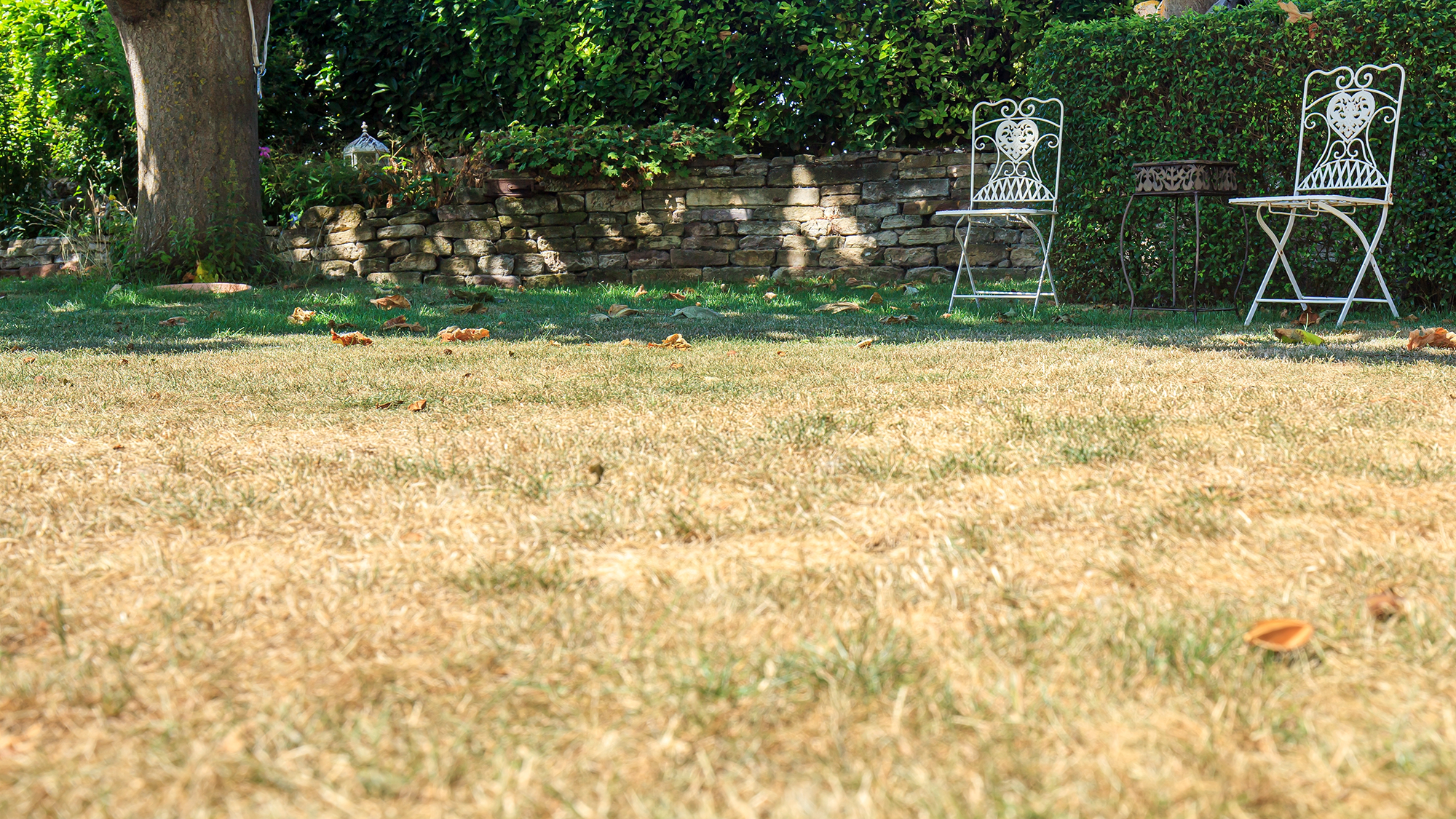
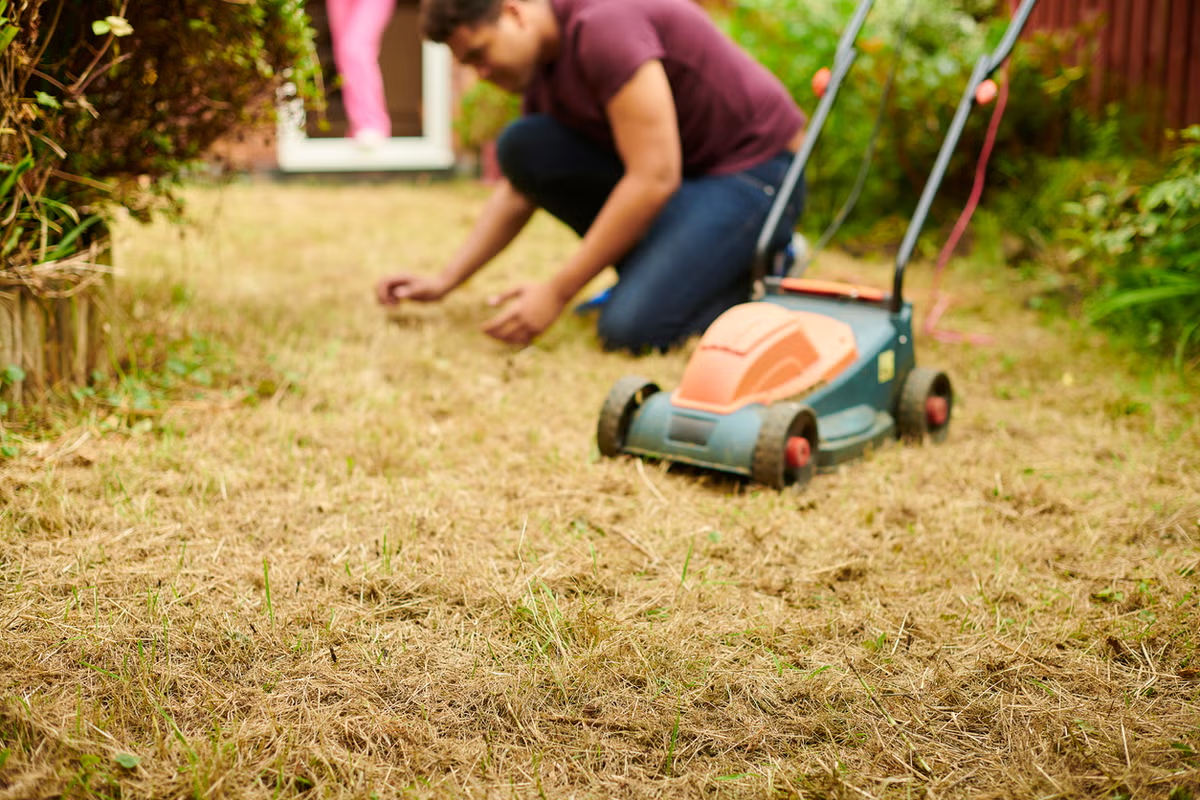
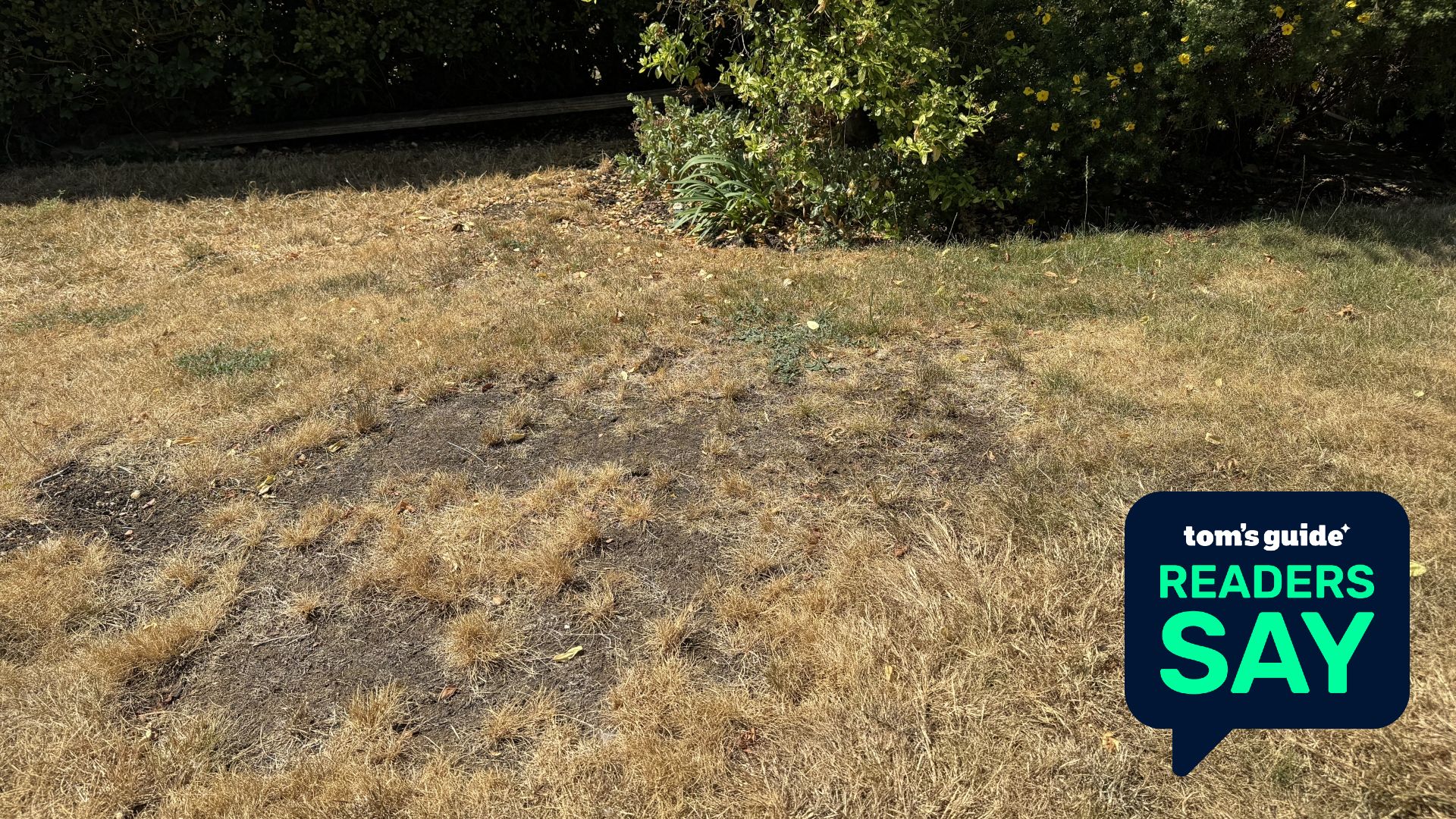
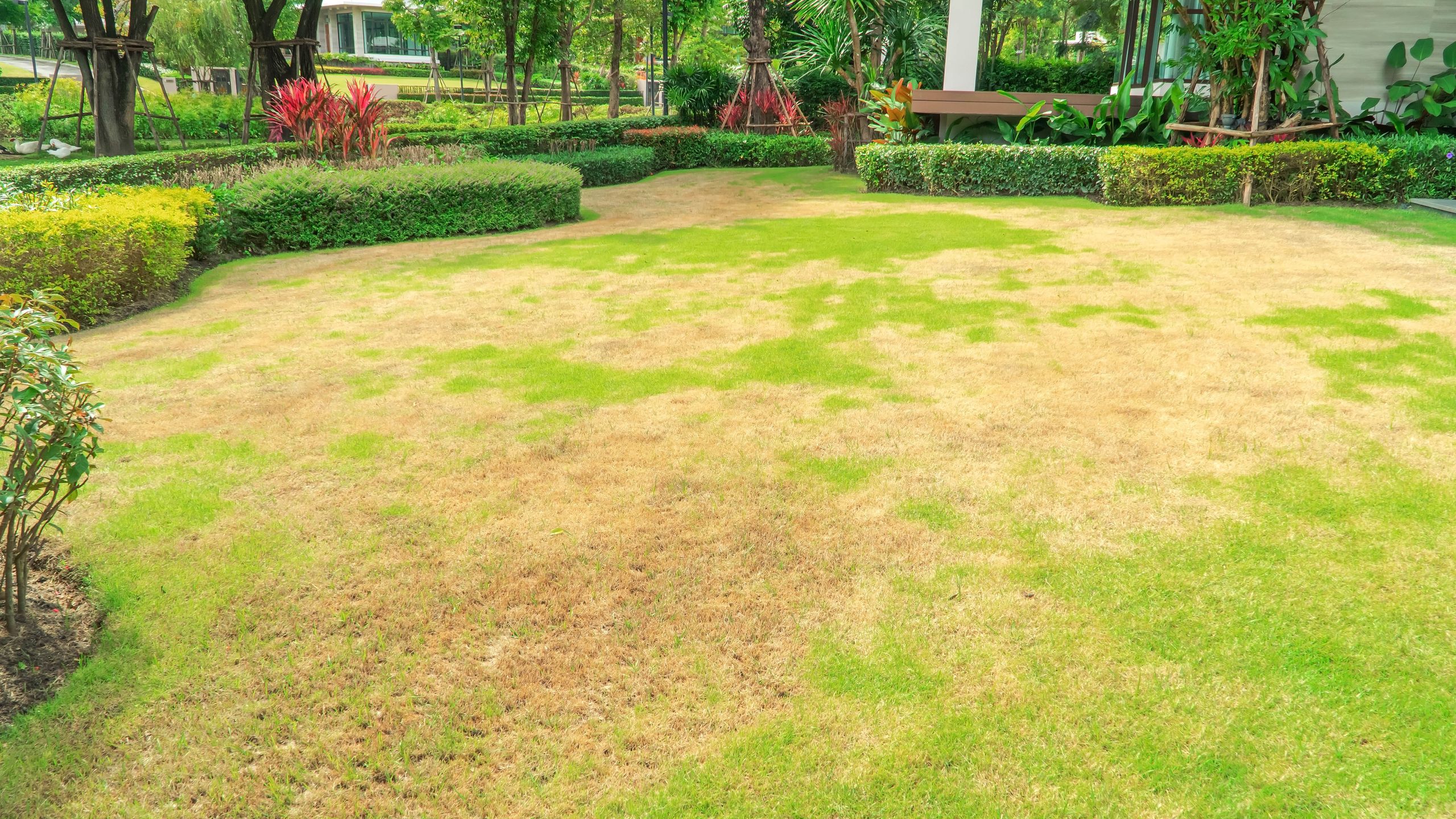
Now that the heatwave is over and the new season begins — our grass might be looking a little worse for wear. This is especially the case if you’ve ended up with a patchy brown lawn that needs some TLC.What’s more, you’ll want lush, healthy grass all year round by maintaining a good lawn care routine. So how can you revive your patchy lawn after the drought?Luckily, a lawn expert has revealed that September is the ideal time to begin sowing new seeds — but this only works if you do one vital task before you start. In fact, it’s one of the simplest things that we often forget to do and will make all the difference to the results of our hard efforts.So, before you start sprinkling your bag of grass seeds, don’t forget to do this one crucial check first.Check the weather forecast
ok google assistant weather forecast (Image credit: Tom's Guide)Since fall weather is so unpredictable, experts suggest you always check your local forecast before seeding, as these conditions can easily ruin germination.“September is the best time to sow new grass seed, but it’s so important to check the forecast, identifying the temperature and rainfall trends,” advises Chris McIlroy, lawn expert at The Grass People.“The new seeds will need around two weeks of stable conditions to germinate and establish their first roots; severe weather changes can interrupt the process and leave seeds vulnerable.”Get instant access to breaking news, the hottest reviews, great deals and helpful tips.The new seeds will need around two weeks of stable conditions to germinate and establish their first rootsChris McIlroy, lawn expert at The Grass People.Additionally, you’ll need to get the right balance and ensure the conditions are not too dry or too cold. Both of which can stall the development of your grass seeds, leading to a costly failure where they simply die.“It only takes a minute, but missing this step could result in a whole bag of seed being wasted,” adds McIIroy. “The soil needs to remain 50°F or above, and you need some rainfall, any frosty nights could interrupt germination.“If drought conditions continue, grass seed will shrivel and die before it has a chance to germinate. But equally, too much rain can waterlog soil and drown seeds. Not checking the forecast can be a costly mistake, especially when starting a new lawn from scratch.”However, a little patience will pay off. And he suggests it’s far better to hold out for the ideal environment rather than rushing and wasting your grass seed. Plus, after a parched summer, your lawn must be truly ready for overseeding.Top tips before seeding your lawn in September