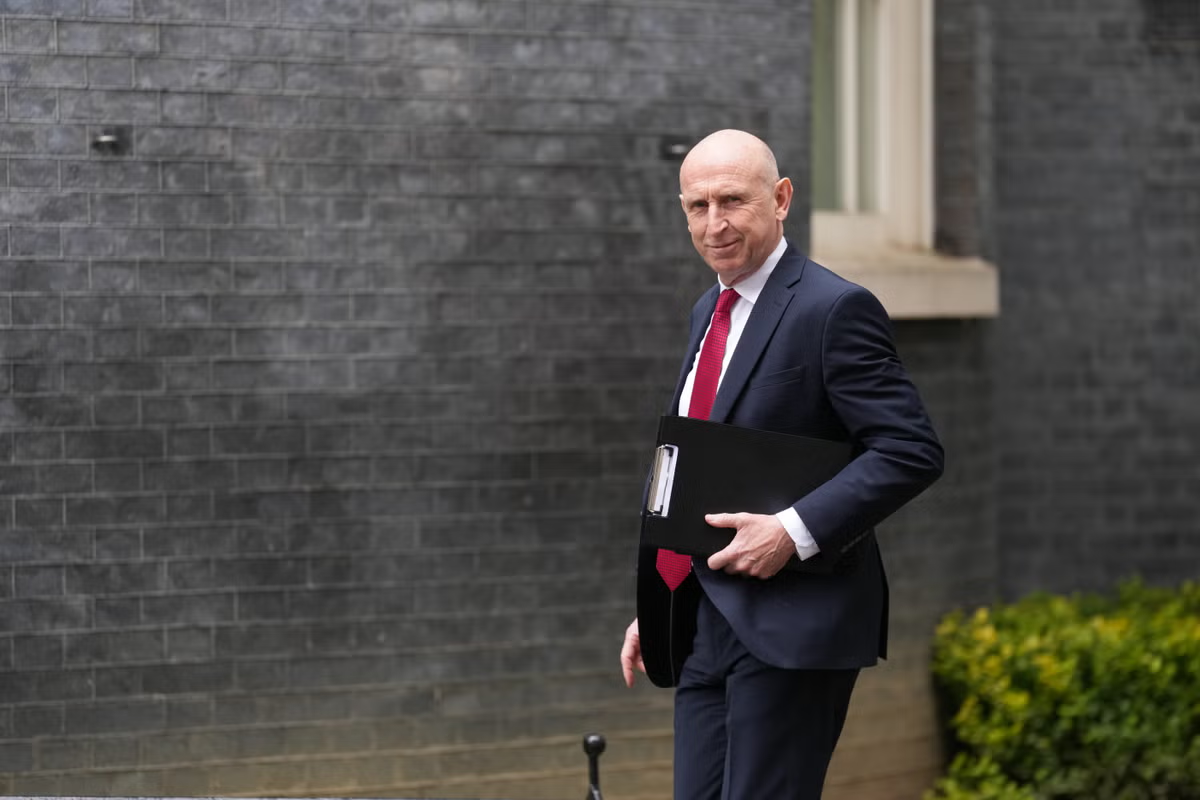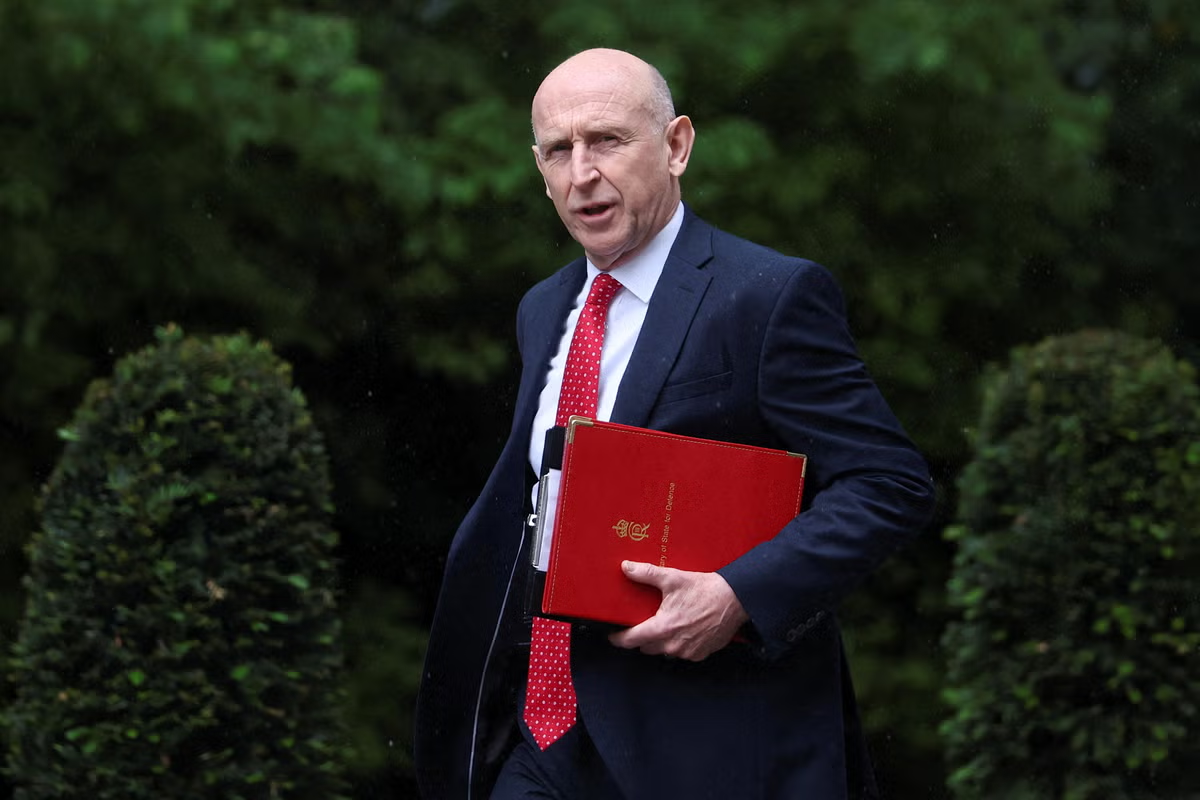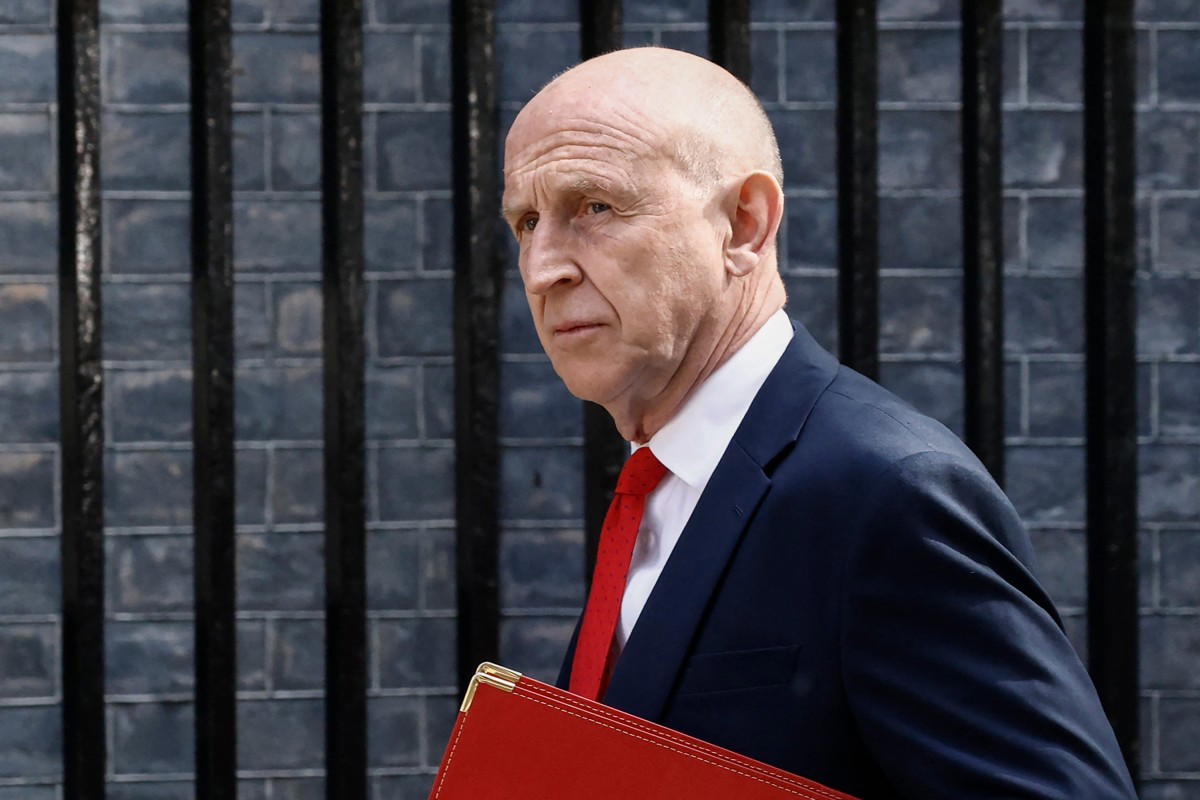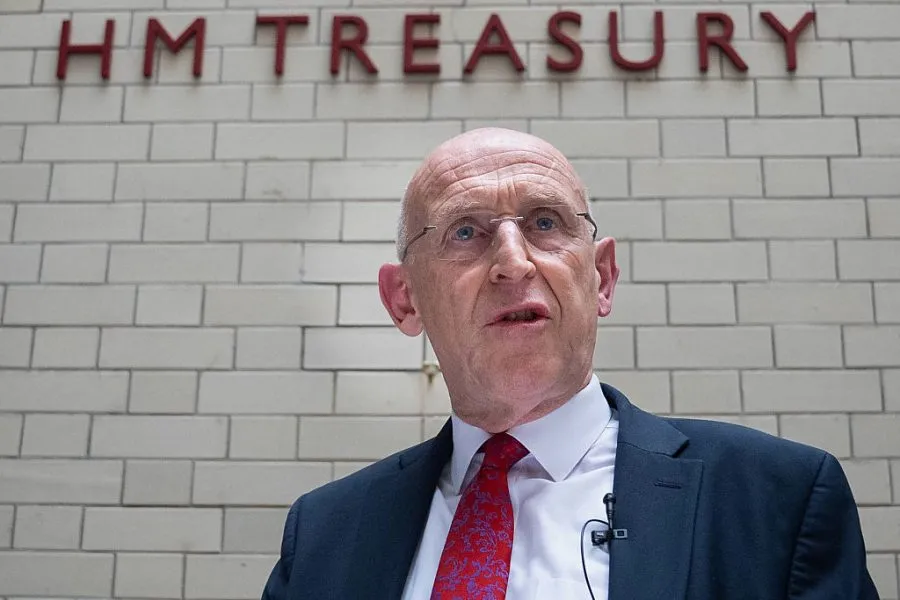
Sir Keir Starmer’s premiership was already in crisis on 11 June this year when John Healey submitted his resignation as Defence Secretary. A quiet, unshowy, widely liked and respected Yorkshireman who had spent most of the past 25 years on Labour’s front bench, Healey had applied himself seriously to the defence brief, shadowing it for four years before being appointed to lead the Ministry of Defence in 2024.
Healey resigned because he took the view that the Defence Investment Plan (DIP), the dreadfully delayed document which would set out the financial implementation of last year’s Strategic Defence Review, was simply inadequate. It did not provide for defence expenditure to rise quickly enough to match the threats facing the United Kingdom.
In particular – and this became the symbol of the three-way dispute among Healey, Starmer and then-Chancellor of the Exchequer Rachel Reeves – Healey believed it was vital to set a target of spending 3 per cent of GDP on defence by 2030. The final draft of the DIP did not include this commitment. Healey believed that its absence undermined the government’s obligation, along with all its Nato allies, to spend 3.5 per cent of GDP on core defence capabilities by 2035, with another 1.5 per cent dedicated to wider security and resilience.