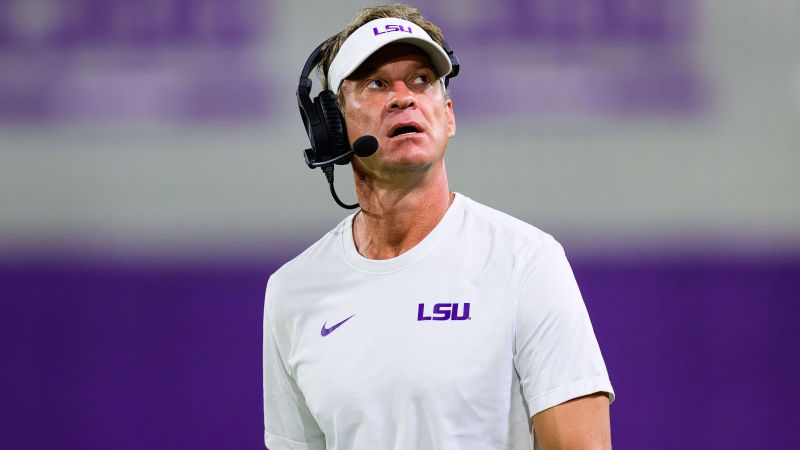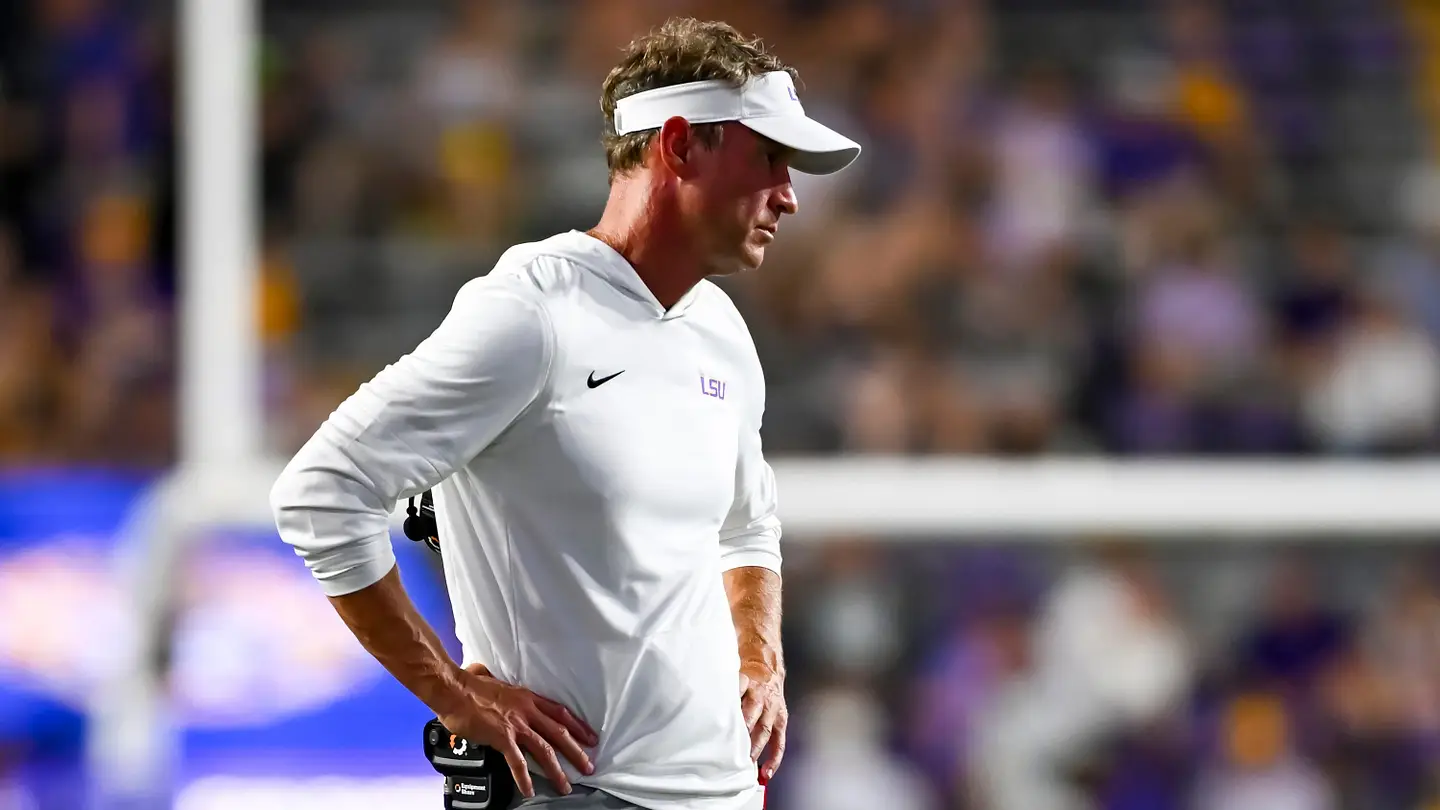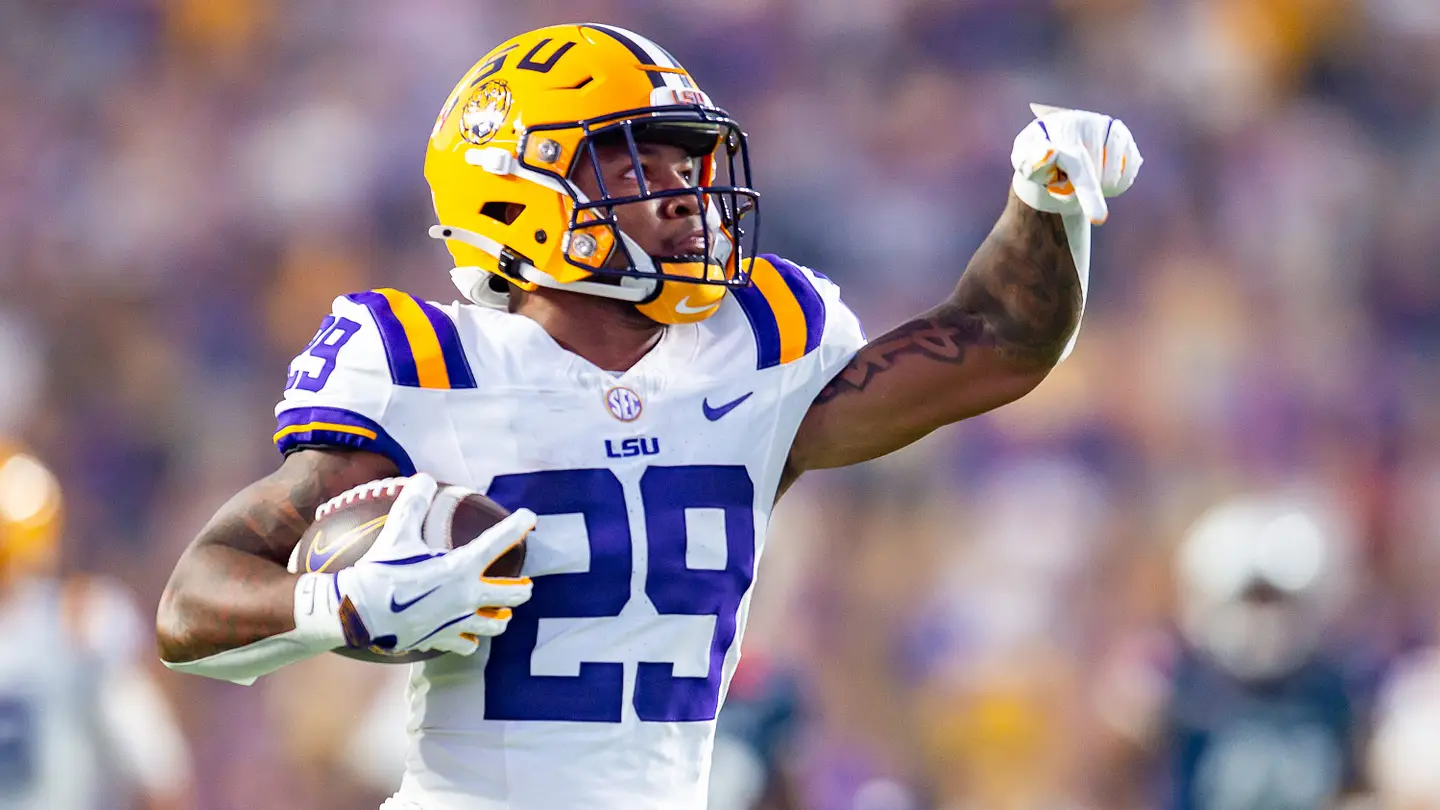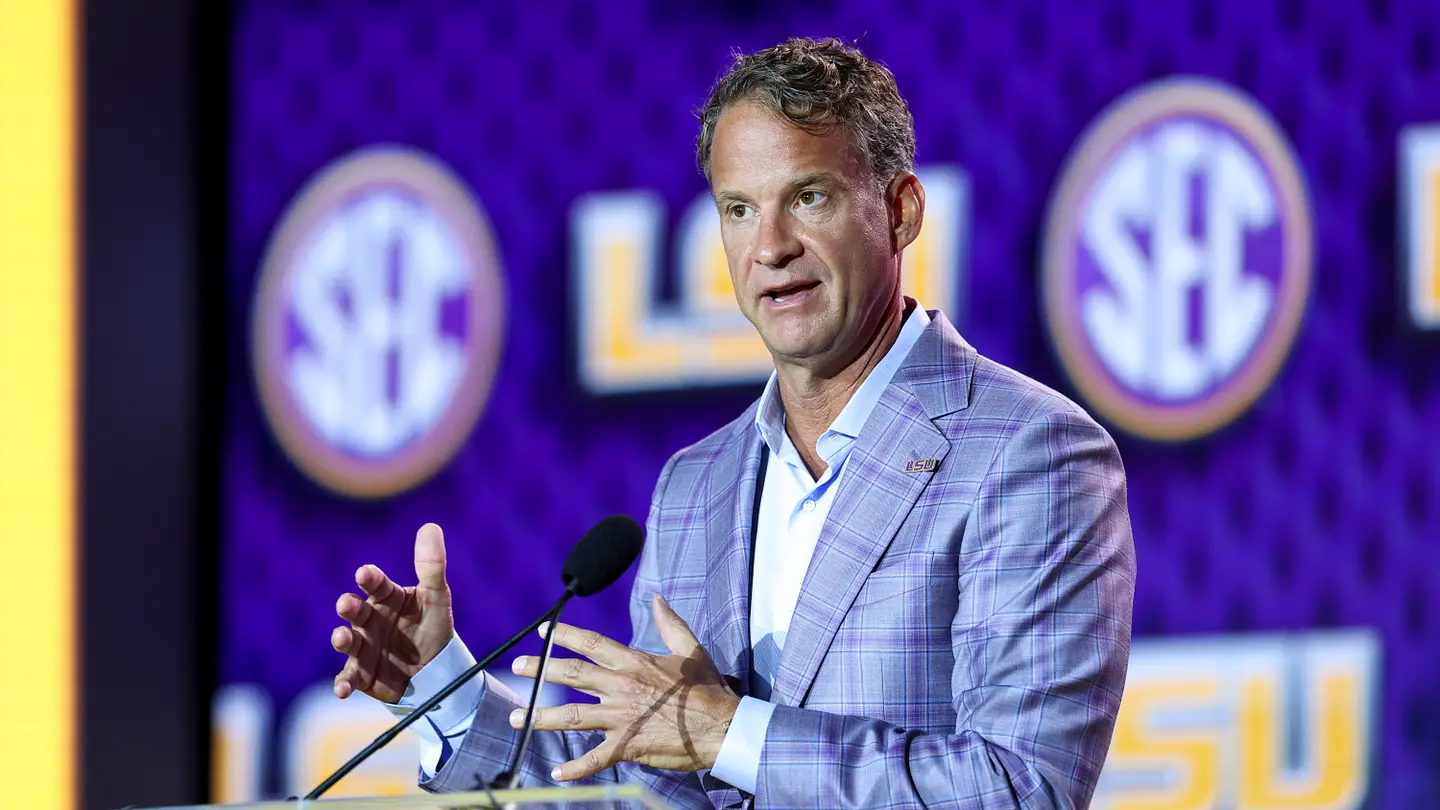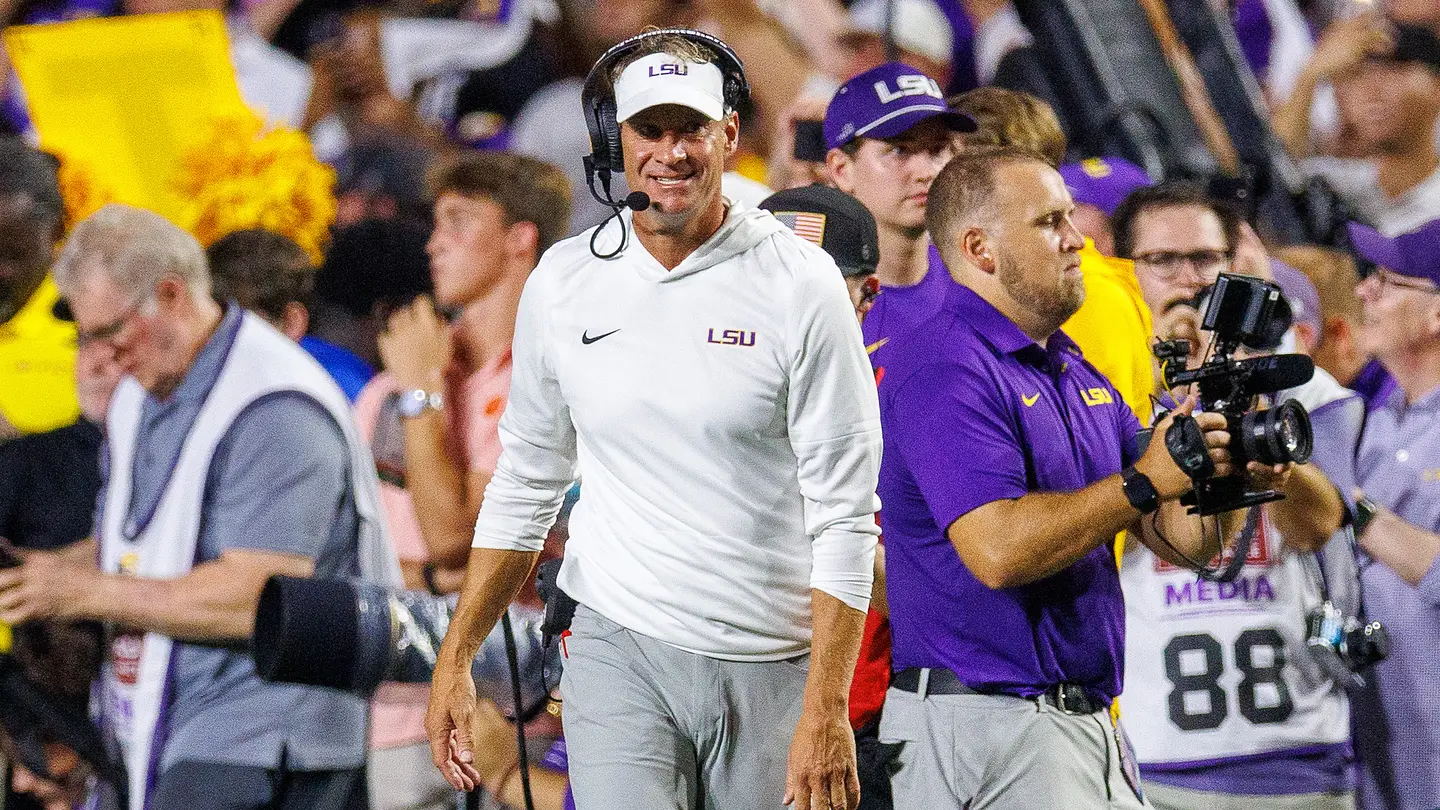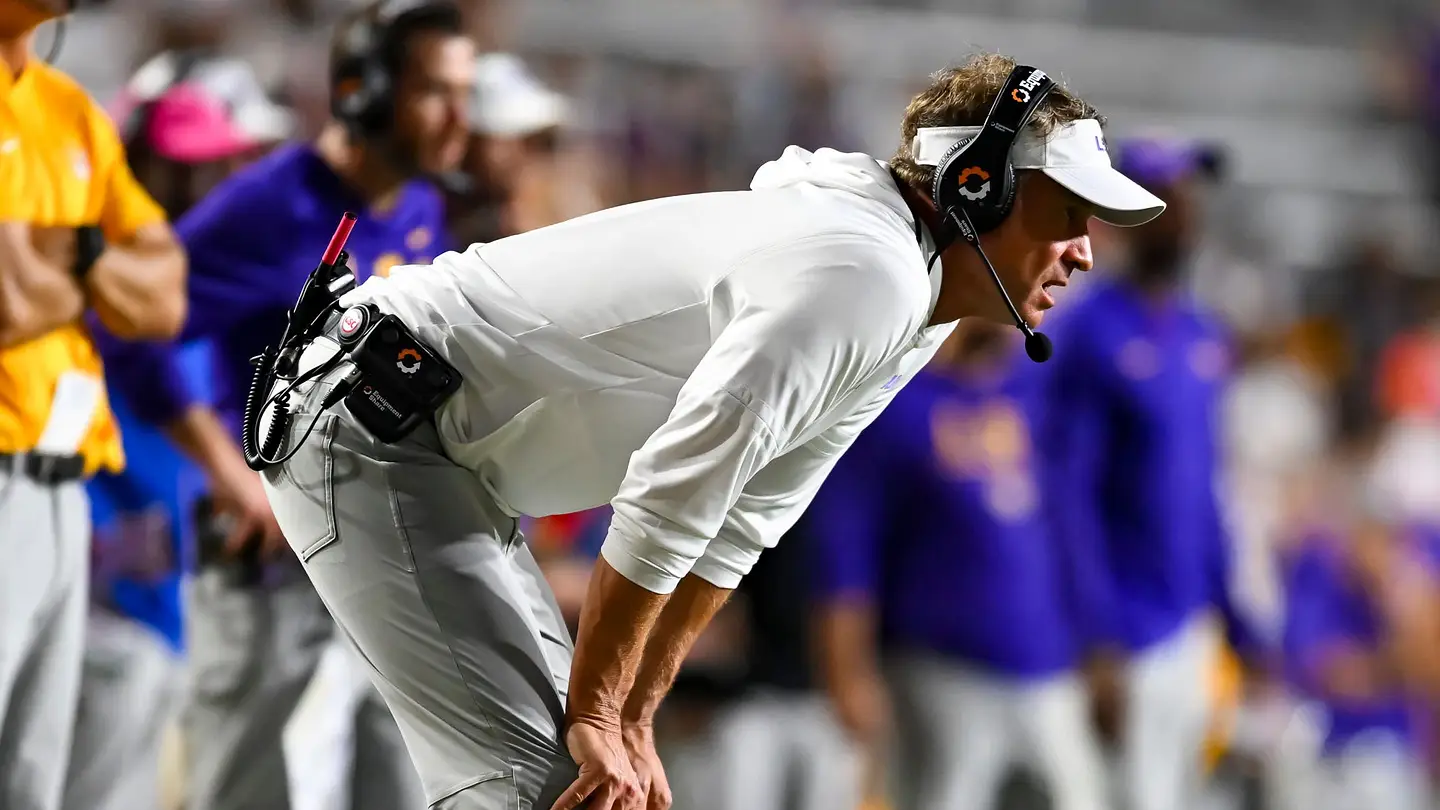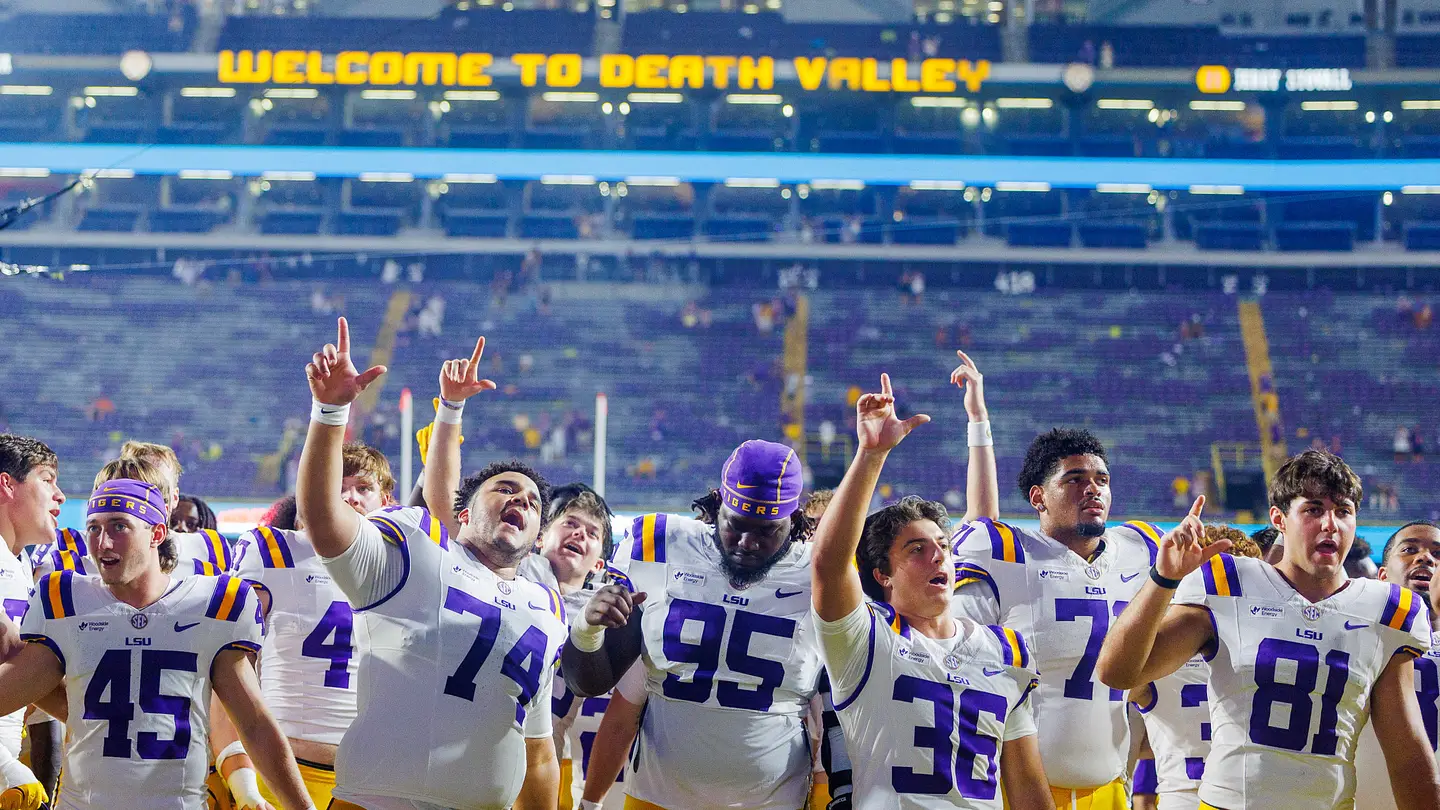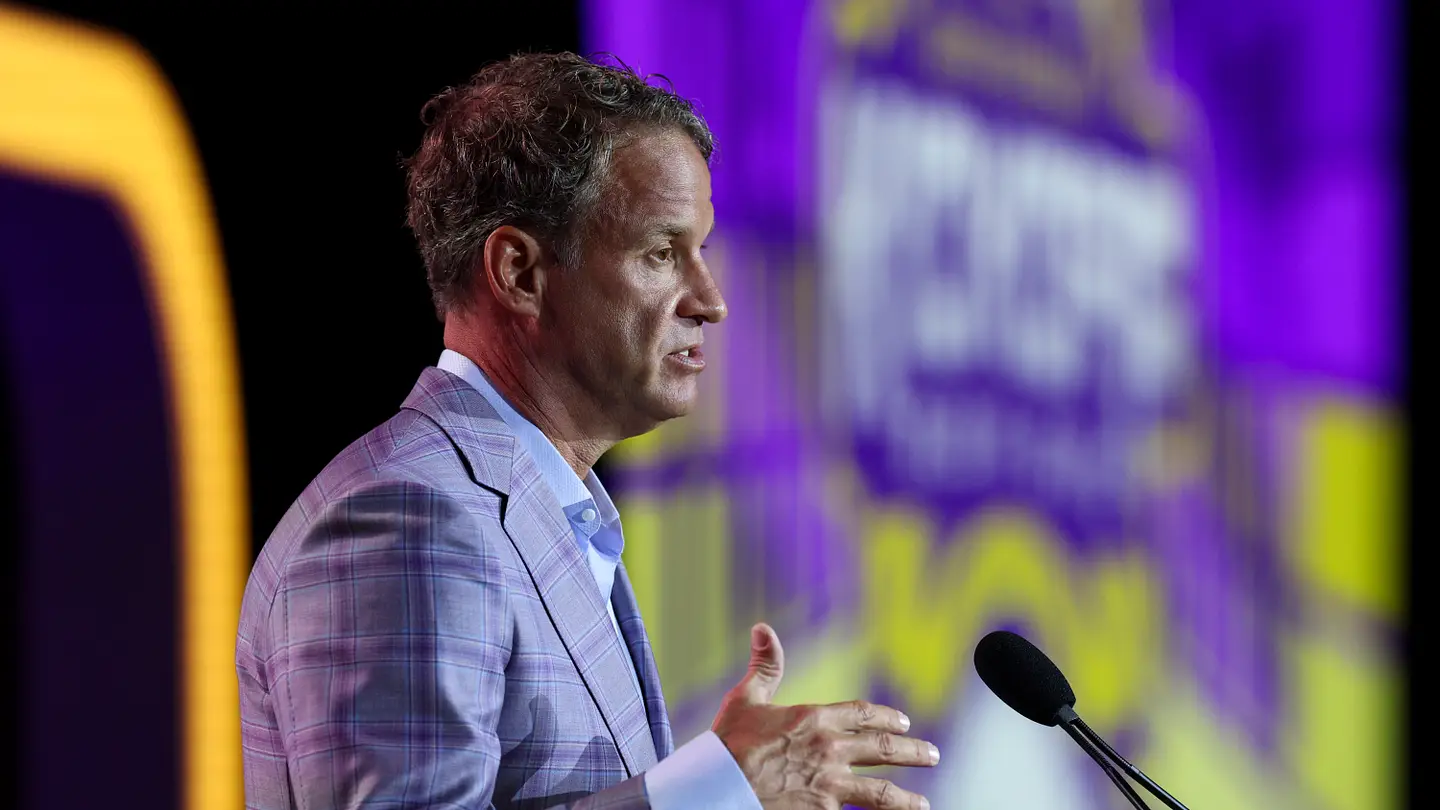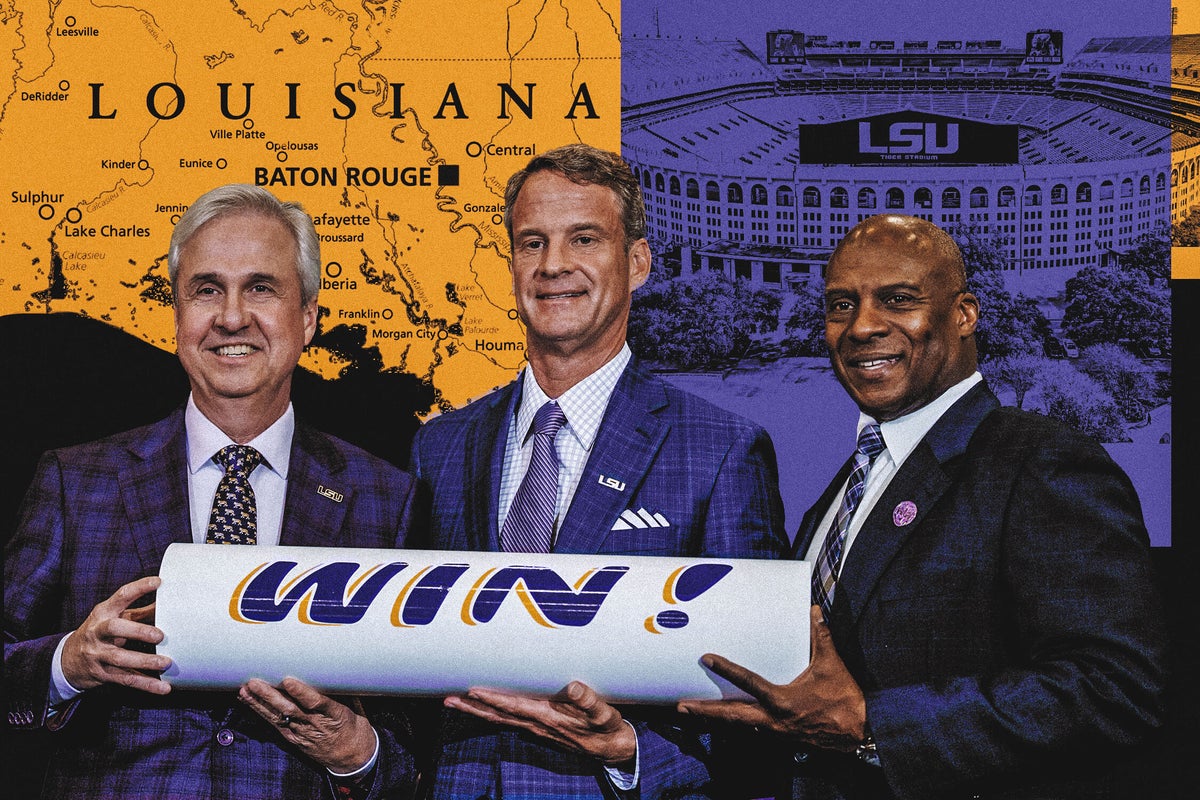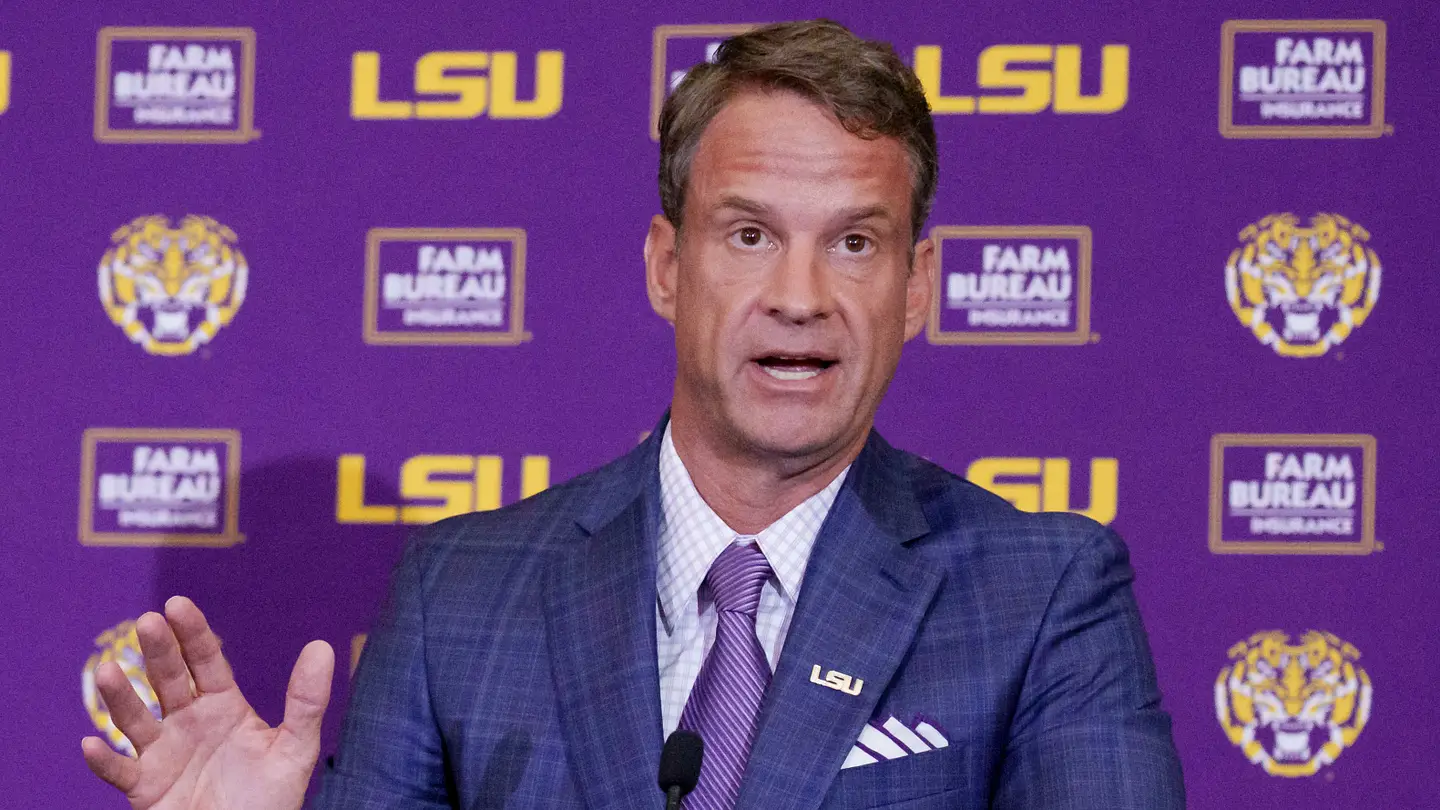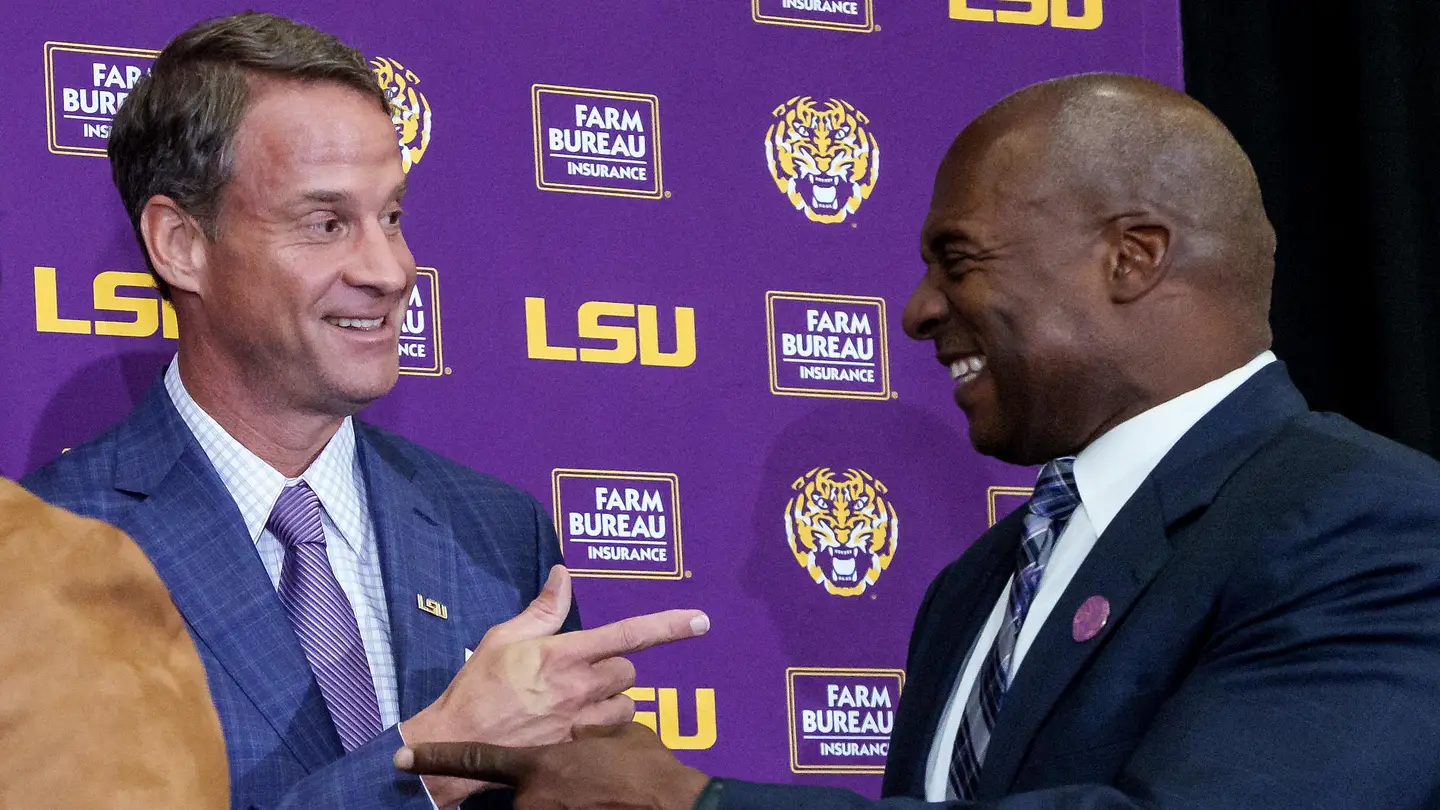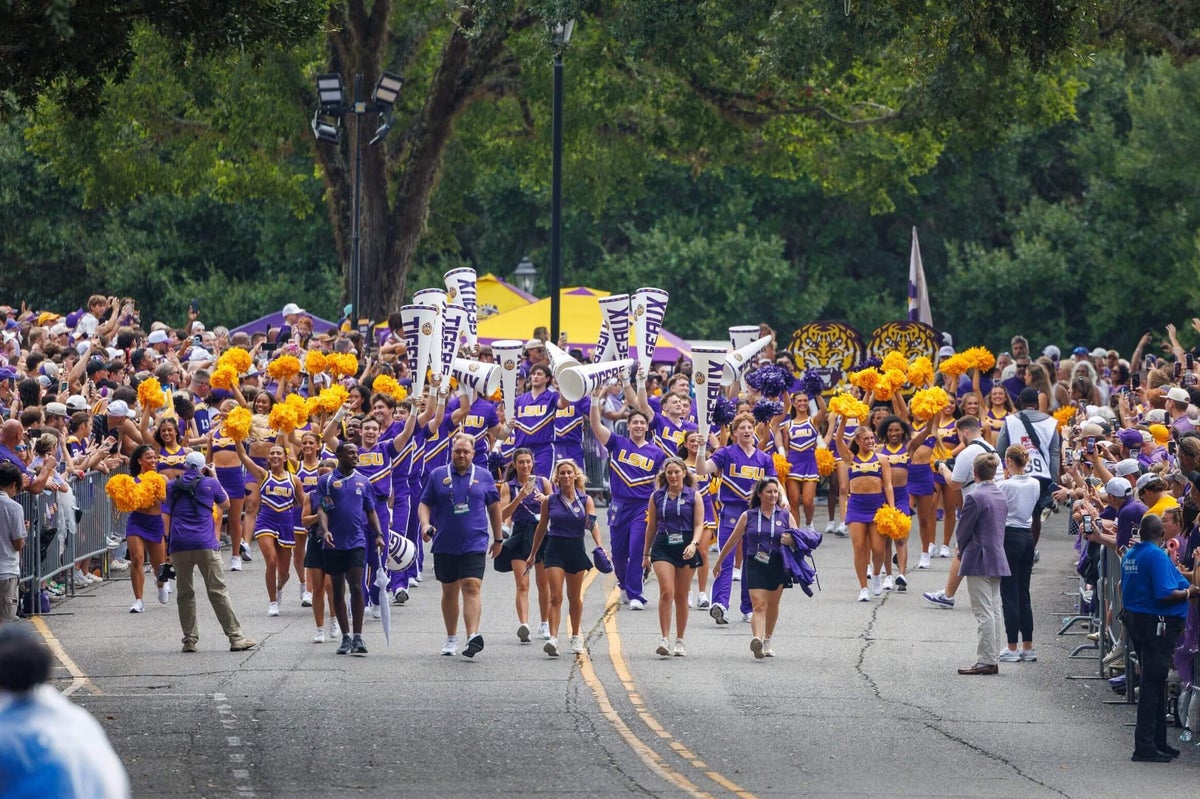
The Athletic has live coverage of LSU vs. Clemson here.BATON ROUGE, La. — Around the tailgates, Tiger Stadium and Mike the Tiger’s enclosure, the two words on some LSU fans’ T-shirts jumped out: “Just different.” It was a term coined by Tigers coach Lane Kiffin at his introductory news conference last December, summing up the uniqueness of LSU and Louisiana.It’s also a term that has taken a different meaning in recent weeks: It Just Means More versus It’s Just Different.These are tense times between the SEC and LSU, one of the conference’s founding members and biggest brands. Two days before LSU opened the Kiffin era, SEC commissioner Greg Sankey was grilled in a Baton Rouge courtroom as part of one lawsuit, just as it became public that the SEC had filed suit against LSU and Kiffin.Things might be cooling down after Friday night, when LSU decided not to roster two of the players at the center of the issue, Dae’Quan Wright and Zxavian Harris, who had been in NFL camps this summer and were cleared by the Louisiana court to return to college football. LSU opted not to risk penalties if the SEC eventually prevails in court, though it’s holding two roster spots open, just in case.Either way, the controversy has left scars. There was already frustration before Thursday. Then the hearing — both Sankey’s testimony and the judge’s ruling — “landed much heavier than most expected,” said an SEC administrator who spoke on the condition of anonymity to comment on the ongoing legal dispute.“I’ve never seen as much ‘They have to go’ from athletics administrators,” the official said. “It’s hard to tell what is emotion and what would lead to real action.”Why are LSU fans unequivocally behind Lane Kiffin?Chris BranchLSU administrators have been relatively quiet throughout the process. School president Wade Rousse issued a measured statement Friday morning and voted to clarify and enforce the SEC rule against signing former pro players. He abstained on the vote to adopt harsh penalties for teams that do so. Rousse and athletic director Verge Ausberry may be trying to balance supporting their coach and being good SEC members. But there is also a perception within the conference, multiple SEC sources said, that Louisiana Gov. Jeff Landry is calling the shots and has been since orchestrating the firing of athletic director Scott Woodward last year.There’s a long tradition in Louisiana, going back to Huey Long in the 1930s, of the governor getting involved in LSU athletics. It’s just different, after all.Among LSU fans, at least a few polled before Saturday’s game, there was some pragmatism. Doug Triche of LaPlace, La., said there was some anger at the SEC but more at the NCAA, which he called the ultimate culprit for how it set up the fifth-year ruling.“I think he made the right call. He wasn’t going to put LSU in jeopardy,” Triche said, adding, “They’re all pros. They’re all getting paid. They’re professionals now, so how do you separate them?”But that was a red line that SEC administrators chose to draw — as did their counterparts at the other three power conferences. While Kiffin said he wasn’t a party to the players’ lawsuit in Louisiana, the SEC lawsuit alleges that Kiffin and LSU “began an orchestrated campaign to recruit professional athletes to join LSU’s football roster.”Cameron Dupuy, a Tigers fan from New Orleans, said the fan base was probably split on whether Kiffin should have recruited the players.“But I think everybody’s pretty much rallied behind Kiffin,” he said.As for being sued by its own conference?“The SEC probably had to do it, to show they were serious about it,” Dupuy said. “Then again, you’ve got teams like Notre Dame who aren’t in a conference. I think LSU would be fine not in a conference. If something were to happen, I think LSU would figure out a way to be fine. I think LSU is just as big a brand as the SEC.”Triche also compared LSU’s brand power to Notre Dame’s — but he doesn’t think the school will end up competing as an independent.“LSU is one of the first founders of the SEC, so how do you say, ‘Oh, you’re not a part of us anymore,’” Triche said. “I think it’s going to work out. It’s just going to take time.”One upshot of all this: It’s been a trial run for SEC self-governance, an idea the conference has been discussing for a year. The idea of completely breaking away — playing only each other and staging its own playoff — is the most drastic, and unlikely, option. But breaking away from the NCAA in terms of making its own rules is very much on the agenda, especially if the Protect College Sports Act isn’t passed by Congress or lacks teeth. Part of the thinking is that conference-wide rules are more likely to be upheld in court than NCAA rules, because athletes have the option to play in other conferences.This case is putting the theory to the test. The Louisiana state court sought to enjoin the SEC from acting against LSU for rostering the players, but even then LSU chose not to roster the players — at least not yet. The threat of the penalties if the SEC eventually wins either the Louisiana case or the federal lawsuit temporarily won the day.It still depends on how things play out, of course. But at this point, many SEC administrators would rather find out by getting a win or by losing and then moving forward with that knowledge.This could be a productive moment for the SEC. But it’s also an existential one for a conference accustomed to spirited behind-the-scenes discussions before presenting a united front with 16-0 votes. Now, it’s suing one of its charter members.As the SEC administrator put it: “This is challenging the whole ethos that the conference was built on and thrived on.”
The SEC vs. LSU and Lane Kiffin turned into a fight. Where do they go from here?
How tense have things gotten between the SEC and LSU, one of the conference’s founding members and biggest brands?
995 words~5 min read