(Image credit: Sanuj Bhatia / Tom's Guide)
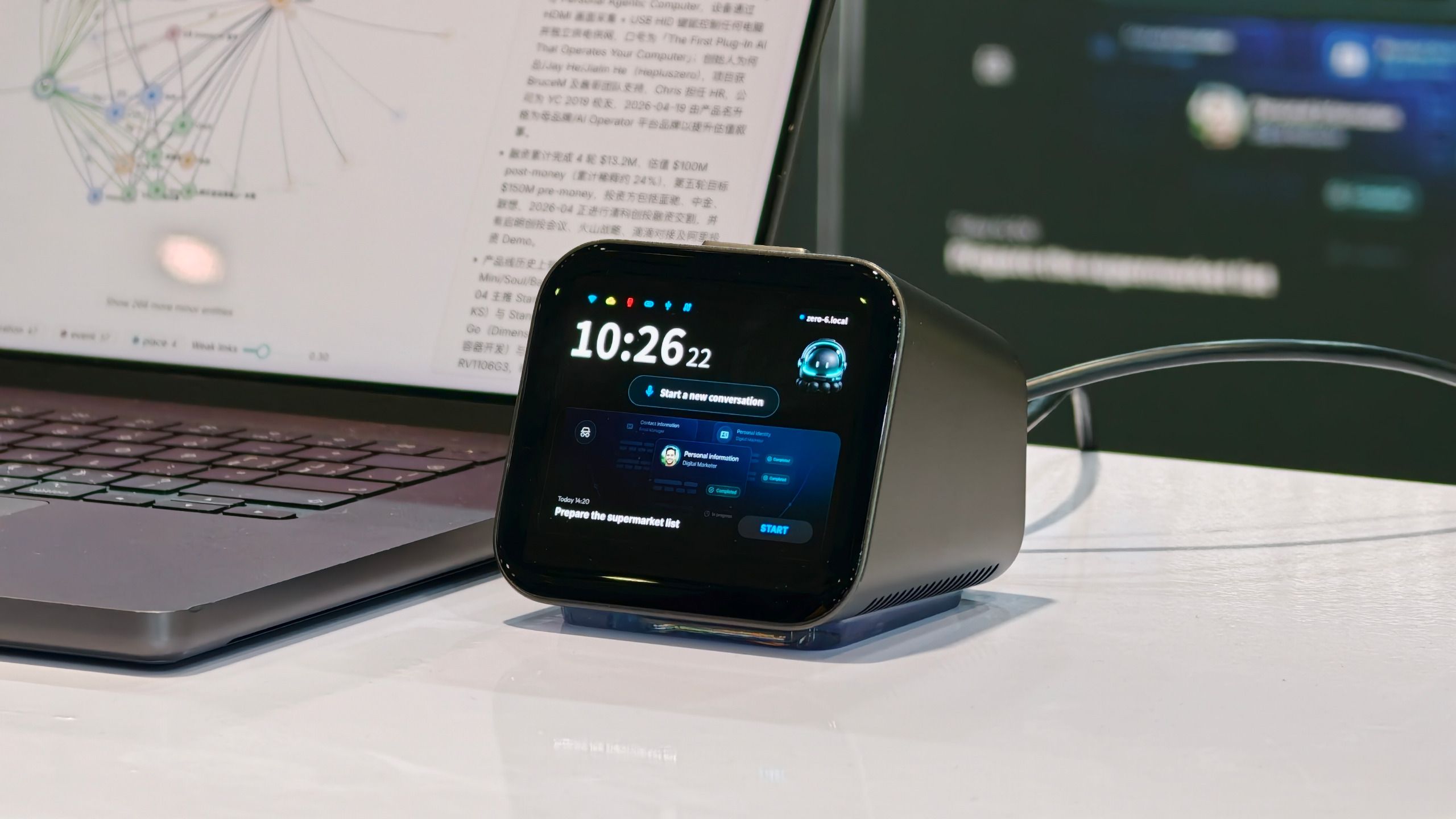
There's been a sudden surge of AI agents that can help you perform tasks on your PC, even while you're away. You've probably heard about tools like OpenClaw, which can run autonomously on your behalf. But one of the problems with running these kinds of agents locally is that they often require plenty of hardware resources to function properly.I'm not someone who changes laptops every year. I still use a MacBook Air M3 from 2023, and I'll probably continue using it until it gives up on me, which hopefully won't be for another five to seven years. But that also means my laptop isn't necessarily built for running powerful local AI agents, and upgrading my entire computer just for that doesn't make much sense.Well, for people like me, Violoop might have an interesting solution. The company has just showcased its new hardware AI agent at IFA 2026, and unlike software agents that run directly on your laptop, use its resources, and potentially drain more battery, Violoop is a separate device that connects to your computer and handles much of the AI processing itself.
(Image credit: Sanuj Bhatia / Tom's Guide)Similar to software-based agents, Violoop is screen-aware. It can understand what's happening on your display and help perform tasks based on that context. For example, if someone asks you to send them an address, Violoop can pull up the relevant information and fill it in for you. If you're looking at a long PDF that you don't have time to read, you can ask it to summarize the document instead.The idea is that the device gradually understands you better the more you use it. Violoop builds what the company calls a continuous memory graph, which learns about your workflows, preferences, and patterns over time so the agent has more context when you're asking it to do something.Of course, having an AI constantly looking at what's on your screen and building a memory around what you do immediately raises some privacy questions. Violoop says it has taken a local-first approach here. Screen data is processed directly on the device and, according to the company, is never transmitted to the cloud.