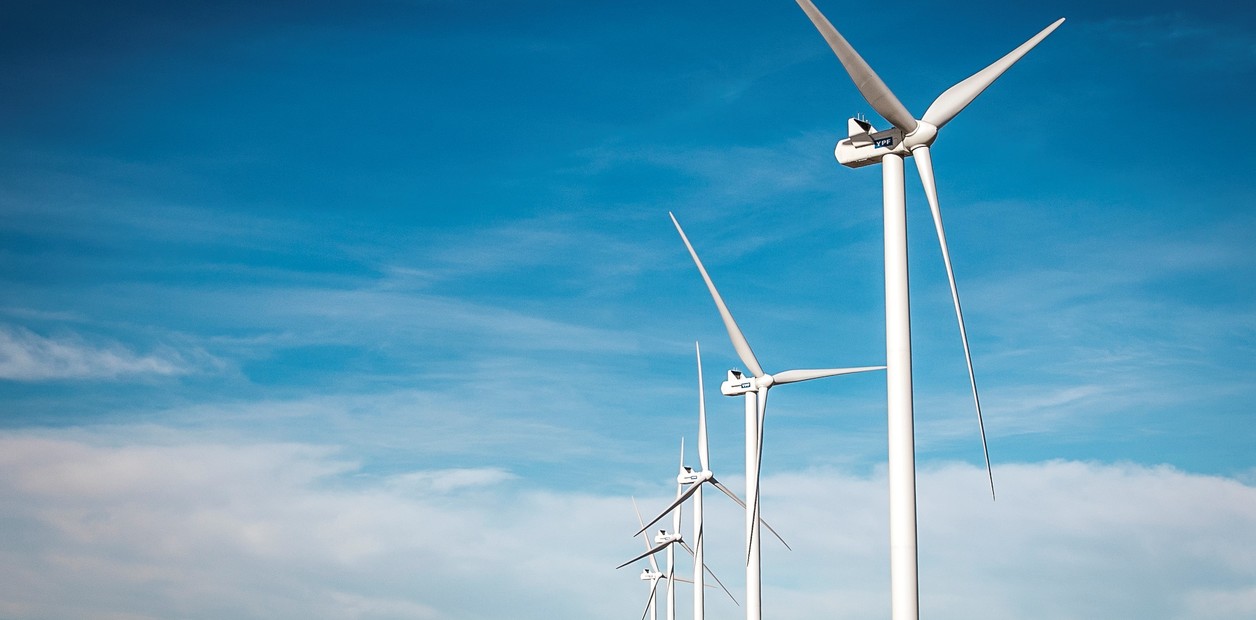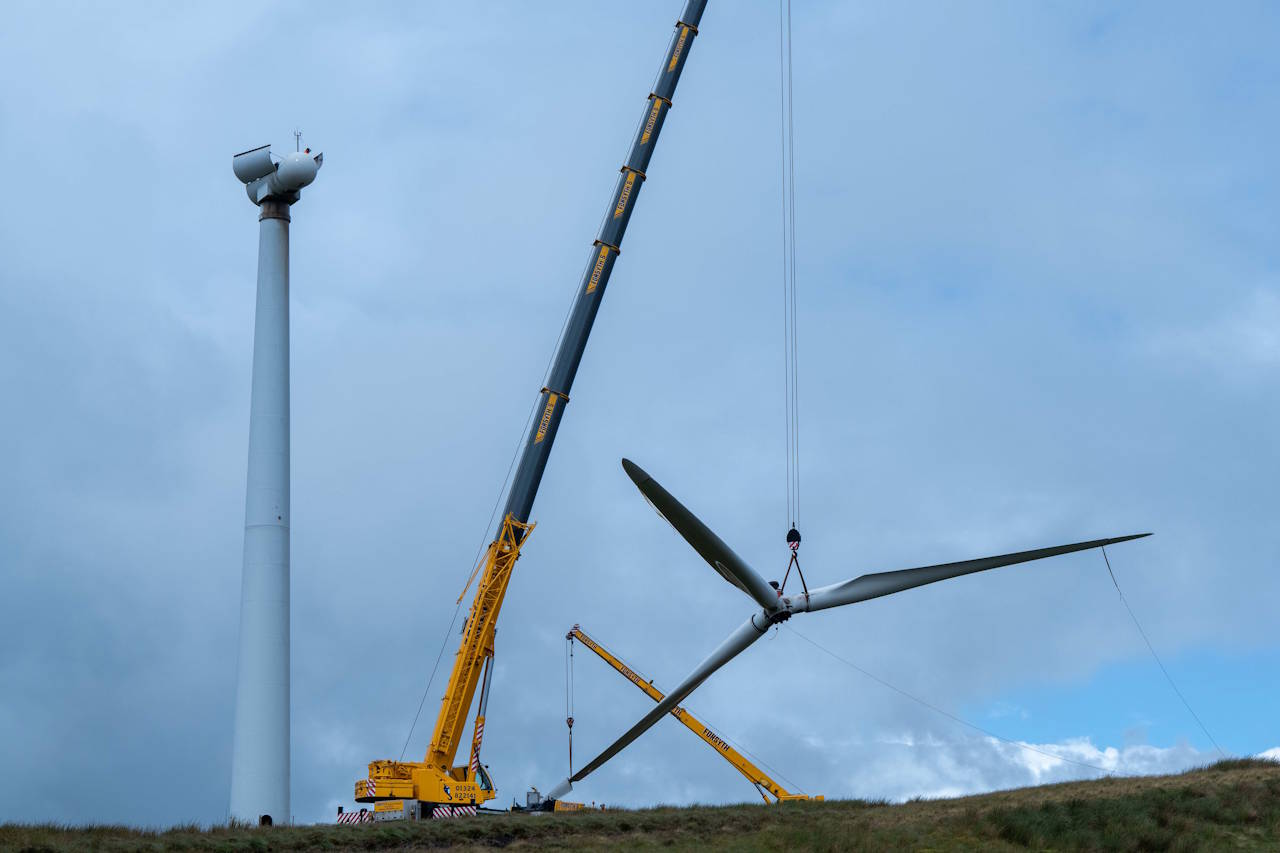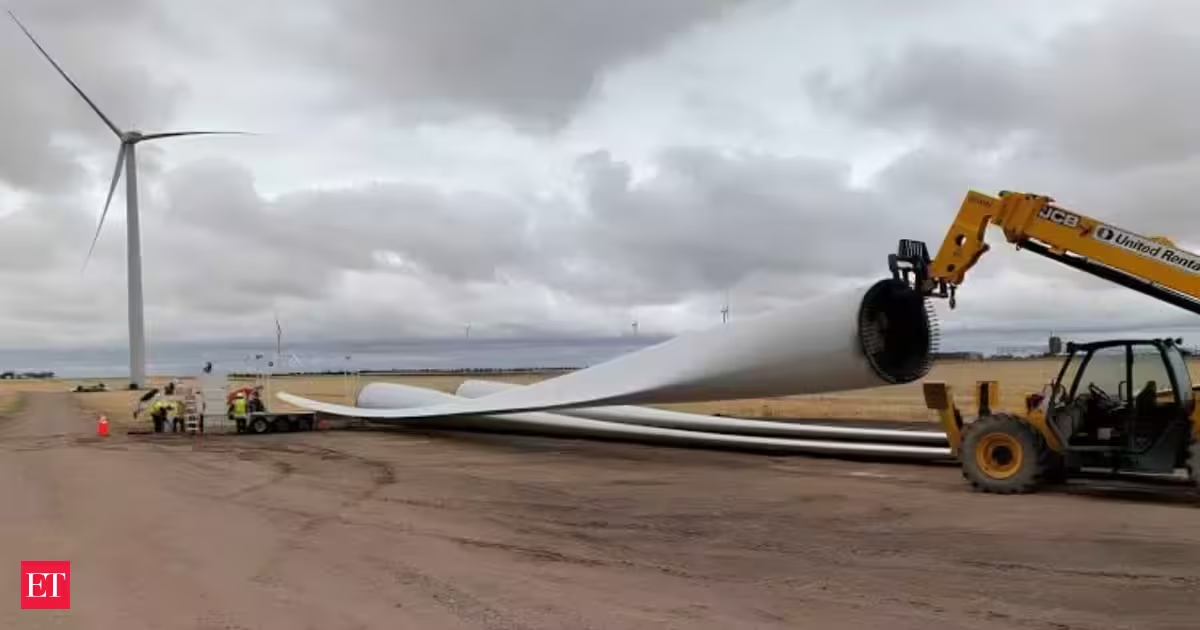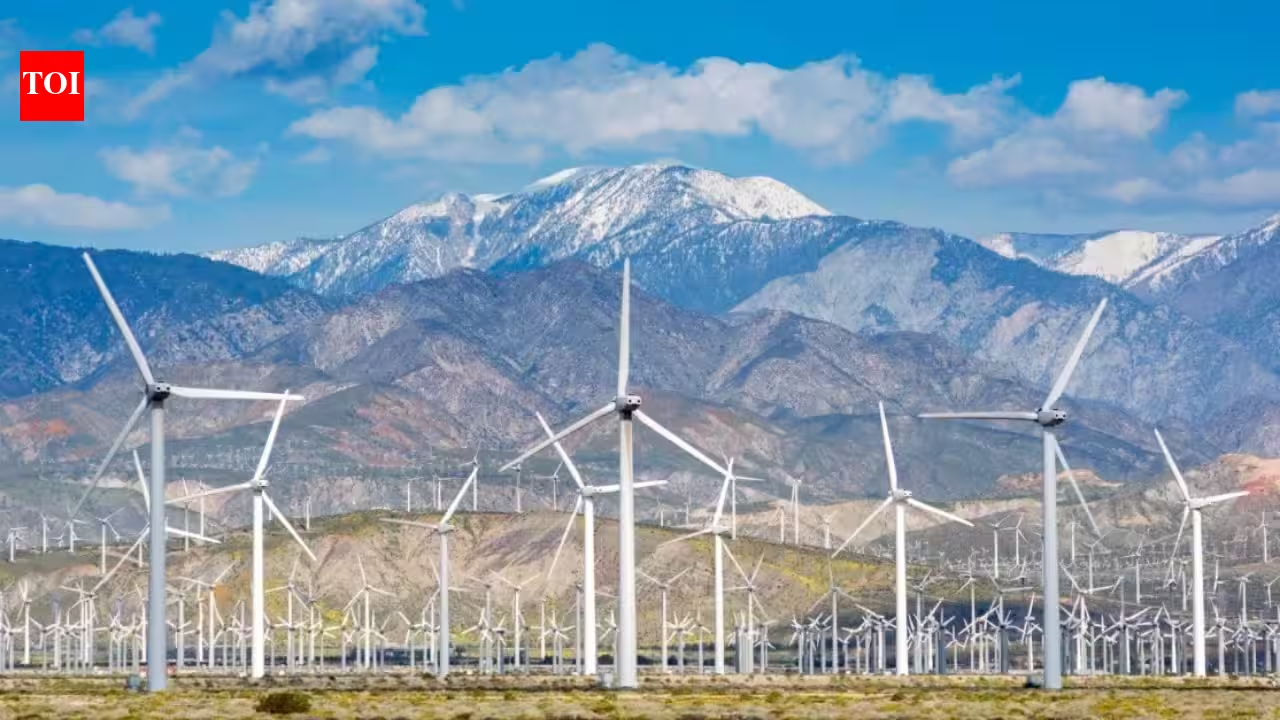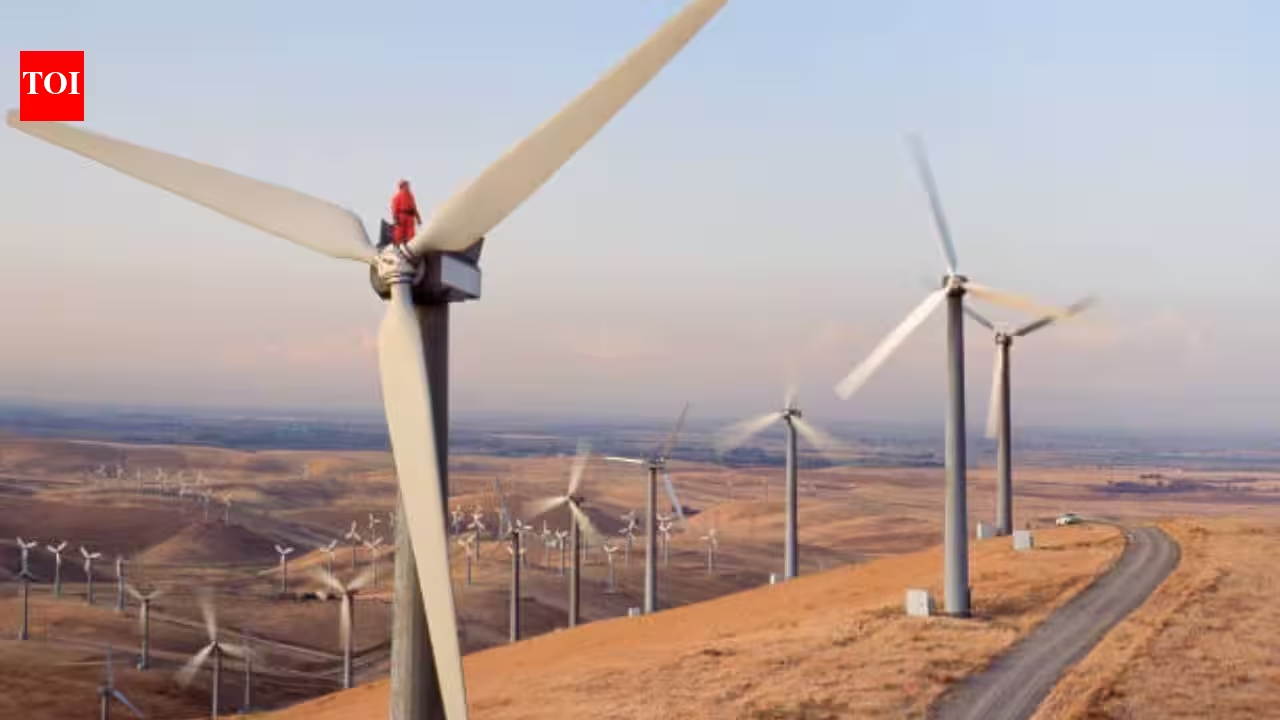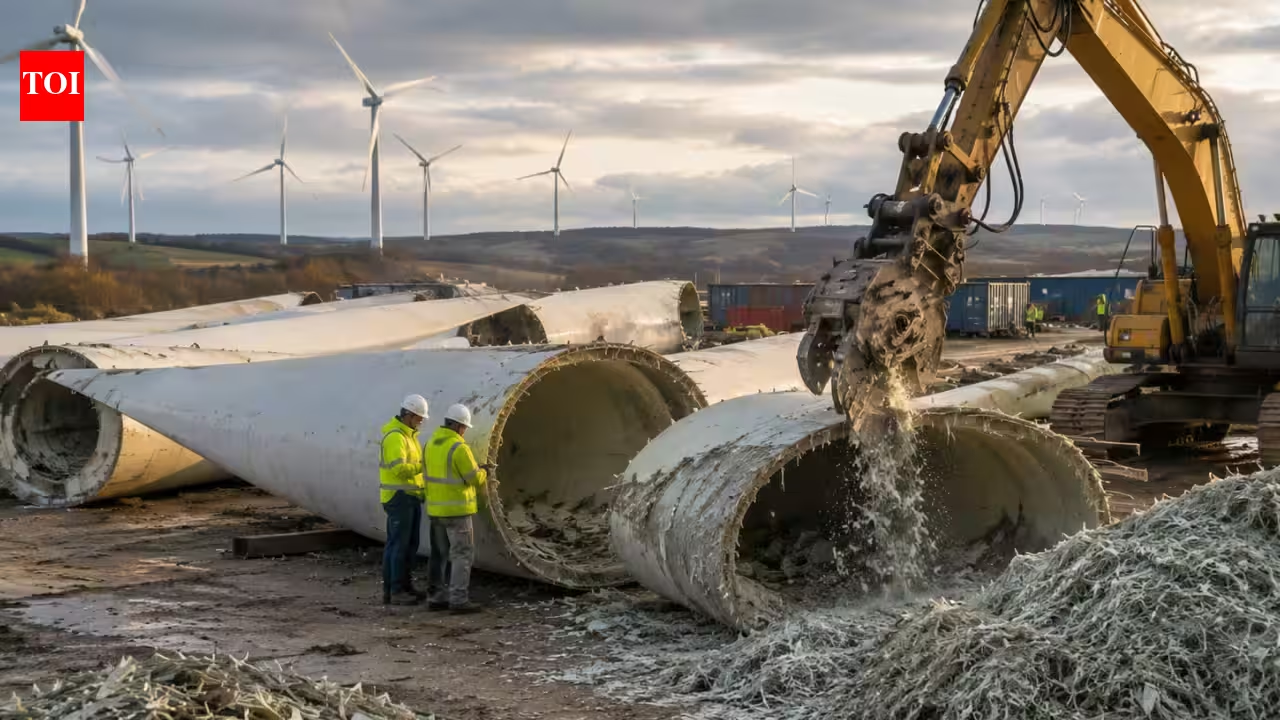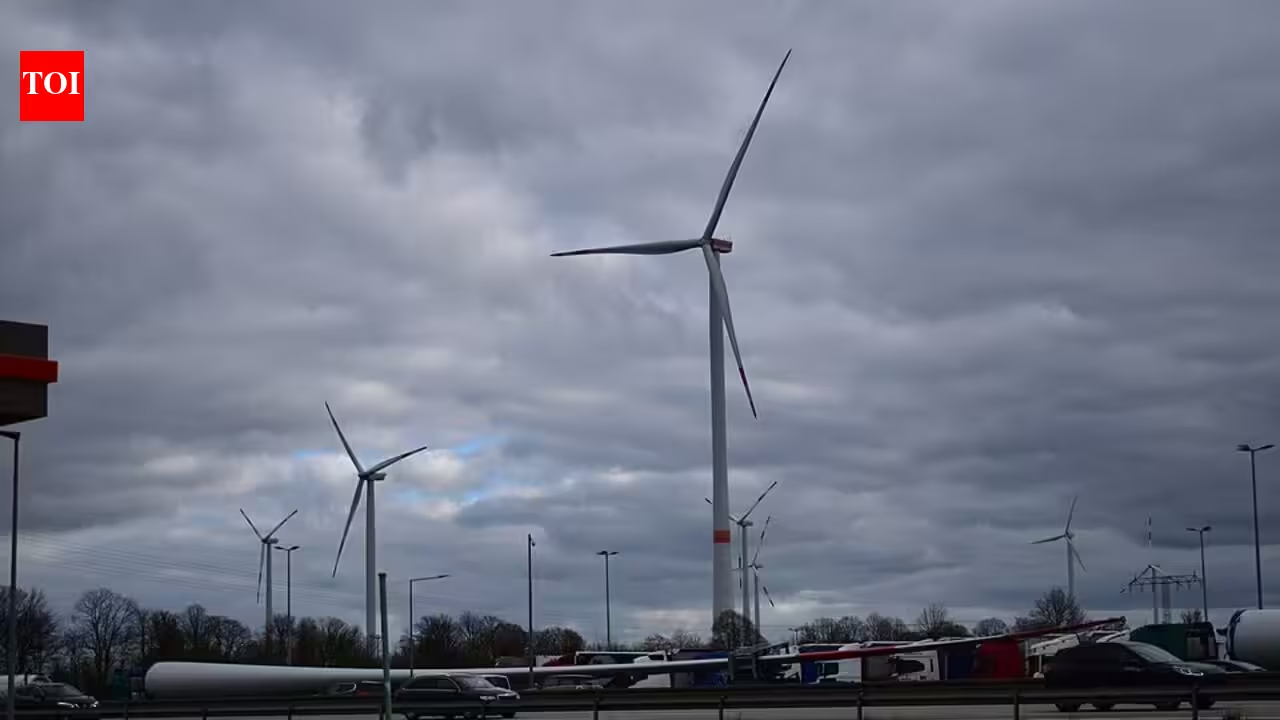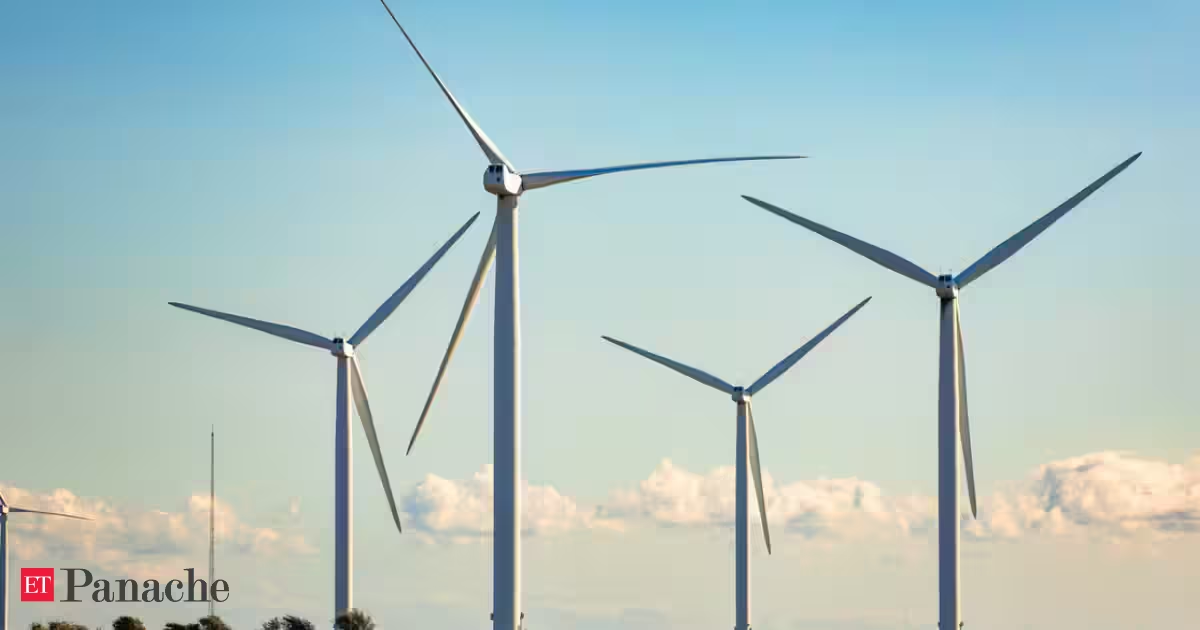
A wind turbine blade can spend years sweeping through the sky, generating electricity before eventually retiring. But unlike a steel tower, its tough composite construction makes it considerably harder to recycle. In Missouri, however, some of America's enormous retired blades are meeting a very different fate: they are being chopped into tiny pieces and given a second life in cement. The process offers one answer to a growing question for the US wind industry: what should happen to turbine blades once they can no longer do the job they were built for?Why wind turbine blades are difficult to recycleWind turbines have an expected service life of around 30 years, although components such as blades can require replacement earlier, according to the US Department of Energy (DOE). Most of a turbine's mass is relatively straightforward to recycle because it contains materials such as steel, copper, aluminium and iron. Blades are trickier.They are generally made from composite materials such as fibreglass or carbon fibre combined with resin. These materials are deliberately lightweight and durable, qualities that make blades effective in the air but difficult to separate at the end of their useful lives. The DOE notes that composite components have historically often ended up in landfills.In Missouri, giant blades are shredded for this useAt a processing facility in Louisiana, Missouri, a city roughly 70 miles northwest of St Louis, retired blades are mechanically broken down. The DOE says the facility can process as many as 3,000 blades per year. Once shredded, the material can be used in the cement-making process rather than simply being buried as waste. GE has described how the blades are first reduced to pieces roughly the size of a deflated football before undergoing another round of shredding in Missouri. The final pieces are small enough to be fed into cement kilns.One blade can replace tonnes of conventional materialsAccording to an environmental analysis cited by GE and Veolia, recycling a single seven-ton blade this way can avoid the use of nearly five tons of coal, 2.7 tons of silica and 1.9 tons of limestone, along with almost another ton of mineral raw materials. Nearly 90% of the blade's weight can be reused: more than 65% substitutes for raw materials used to make cement, while roughly 28% can provide energy for reactions inside the kiln. The companies say an analysis by sustainability consultancy Quantis estimated the process could cut net CO2 emissions associated with cement production by 27% compared with conventional manufacturing.Retirement doesn't have to mean landfillMissouri isn't the only experiment underway. The DOE highlights retired blades being transformed into pedestrian bridges, benches, bike shelters and noise barriers, while other researchers are recovering glass fibres for use in new composite products. A blade that once captured the wind may never spin again. But in Missouri, retirement can mean something unexpected: being shredded, sent into a kiln and ultimately becoming part of the material used to build America's next generation of structures.
In US, a Missouri facility shreds up to 3,000 retired wind-turbine blades a year; the waste is reused in cement production
In Missouri, retired wind turbine blades, known for their complex composite makeup, are being creatively repurposed. These enormous blades are shredded and utilized in cement manufacturing, effectively substituting traditional raw materials while lowering carbon emissions. This groundbreaking method provides an eco-friendly answer to the increasingly pressing issue of blade disposal within the US wind energy sector.
491 words~2 min read