French political scientist Anaïs Marin has long focused on eastern Europe. From 2018 to 2024, she also served as the UN special rapporteur on human rights in Belarus.
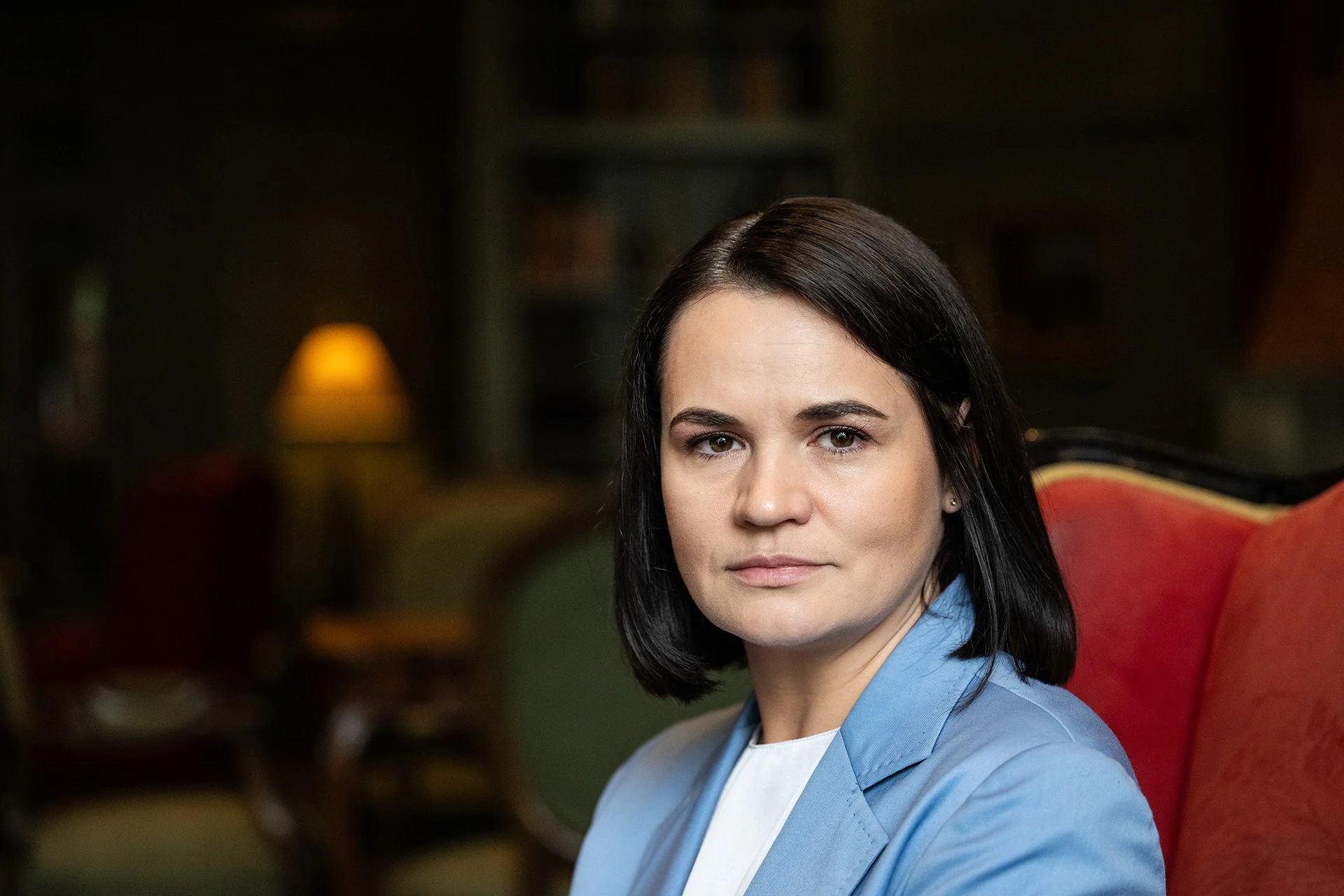
Anaïs Marin, former UN special rapporteur on human rights in Belarus (Source: Anaïs Marin archive)
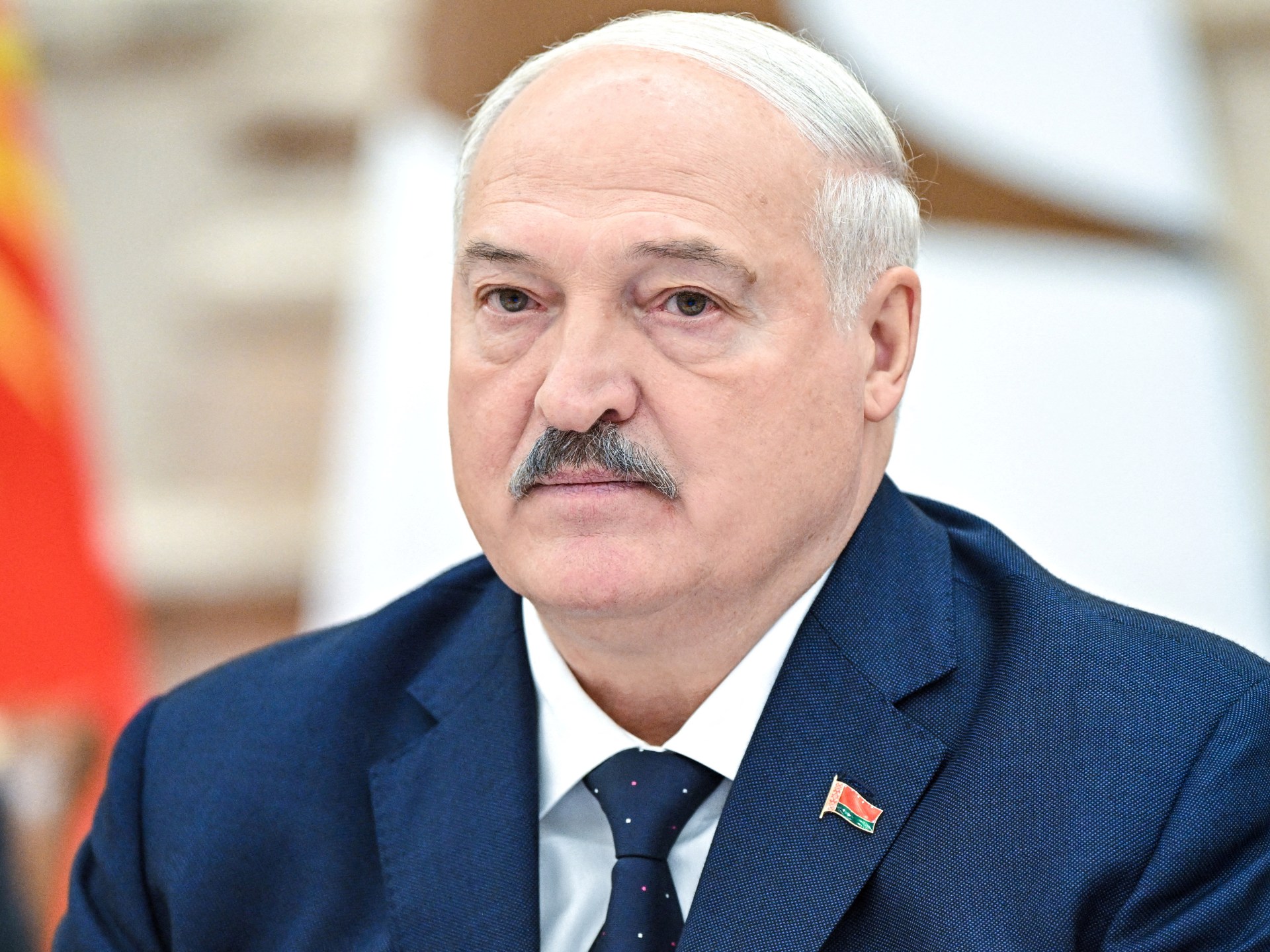
Today, we primarily see Belarusian president Alexander Lukashenko as a dictator who brutally suppressed democratic protests after the rigged election in 2020. What was his reputation in Belarus before that?
From a sociological perspective, he fitted the definition of a “red director” — someone who managed a large agricultural enterprise in Soviet times. In 1994, he became president as a populist candidate, promising to fight corruption. He won a democratic election at the time, but subsequently reshaped all institutions and the constitution so that he could remain in power forever.
He evidently saw himself as the “father of the nation” and Belarusians as his children. He built his regime on one principle: if Belarusians did not demand rights from him, he would provide them with a paternalistic system resembling that of Soviet times. That is, a state that would care for people from birth to their deathbed. That was the Belarusian social contract.