The world’s attention remains fixated on Iran and the Strait of Hormuz, but the four-year slog of Russia’s war in Ukraine continues to have an outsized impact on global energy markets, especially as diesel prices hit all-time highs at the end of this week.
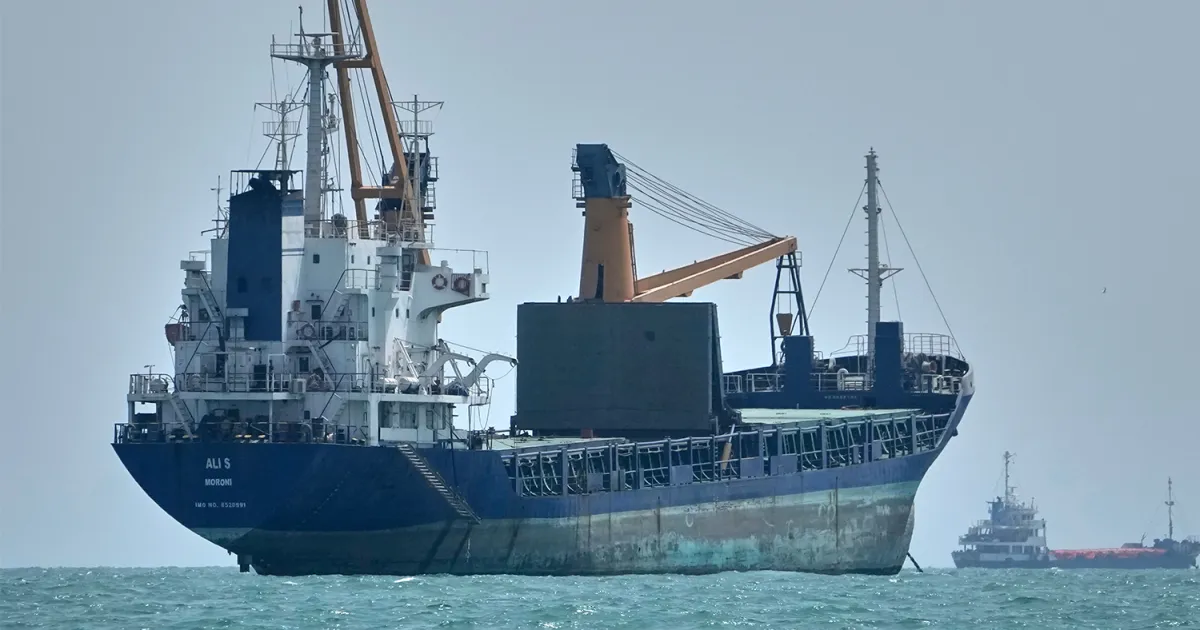
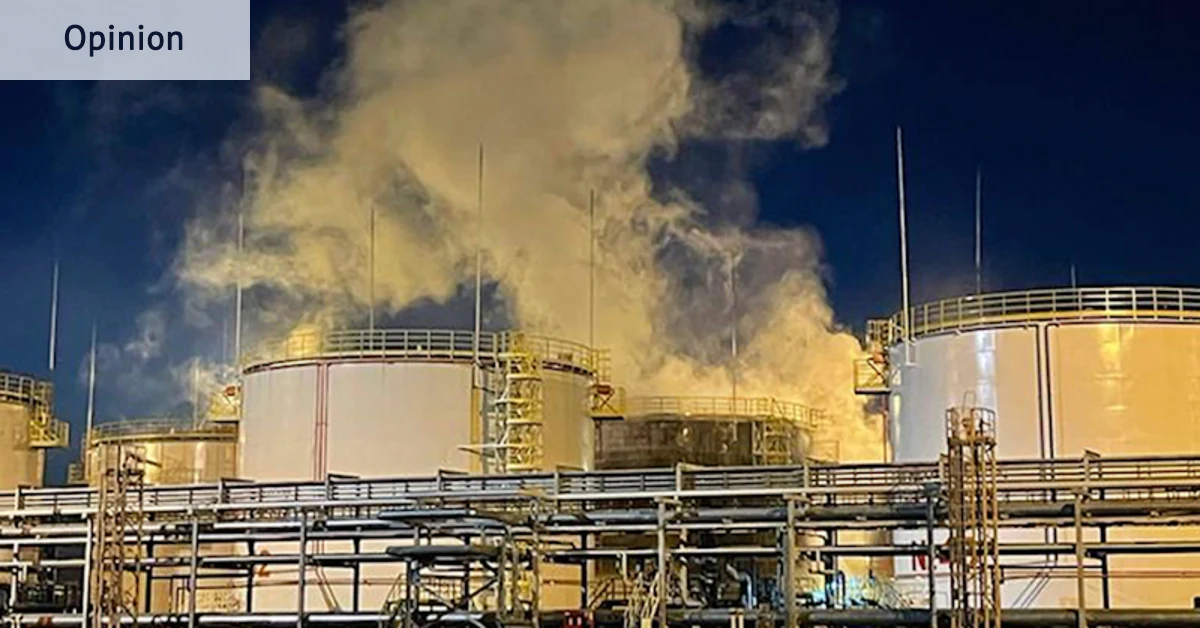
The war in Ukraine has caused periodic oil disruptions in the Black and Caspian seas and to pipelines and terminals, but the biggest growing impact is Ukraine’s rising success targeting Russia’s refining network with long-distance drone attacks. An estimated 40% of Russia’s oil-refining infrastructure is now offline, and Russia has cut off its diesel exports—resulting in about 3% of daily, global diesel supplies removed from markets.
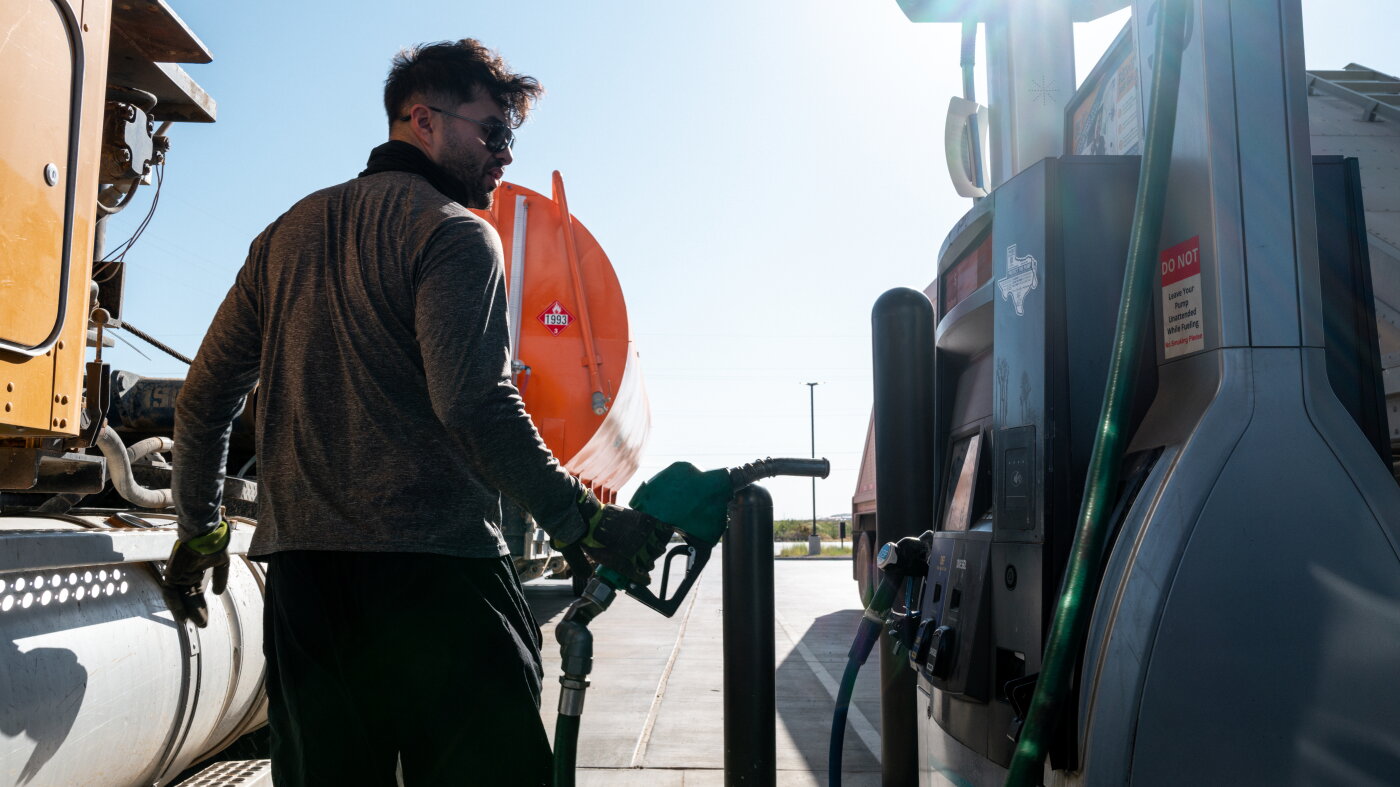
Combined with even bigger refining outages in the Middle East, and with China voluntarily mothballing some facilities because of its reduced oil imports, the situation has driven up the average price of diesel fuel in the U.S., reaching an all-time high of $5.85 per gallon on Friday, according to GasBuddy. Likewise, the average U.S. gasoline price—$4.14 for a gallon of regular unleaded—is the highest ever entering Labor Day weekend, breaking the previous 2012 record.
“The Russia situation is really critical,” said Matt Reed, president of the geopolitical and energy consultancy Foreign Reports. “It makes sense that the world’s attention turned to Hormuz since the closure triggered the largest supply shock in history. Yet the real story now is refining constraints that are keeping fuel prices high. When the strait shut, the world tapped crude stocks, but we don’t have the same kind of cushion for refined products.”