Handling dates in JavaScript is notoriously error-prone. While ECMAScript's native Date object has well-documented pitfalls—uncontrolled mutability, 0-indexed months, and automatic local-timezone conversions—there is an even larger blind spot in existing libraries like date-fns, dayjs, and luxon: non-Gregorian calendar systems and regional legal date semantics.
Global and regional enterprise applications (e.g., banking, fintech, tax compliance, healthcare, public sector, and international travel) frequently operate under official non-Gregorian legal rules:
To solve this without bloating runtime bundles, dragging in heavy astronomical dependencies, or resorting to loose string parsing and any, we engineered Chronera — an open-source, zero-dependency date and multi-calendar engine written in strict TypeScript.
In this deep dive, we'll examine the architectural design decisions, mathematical foundations, and type-level techniques used to model complex multi-calendar domains safely.
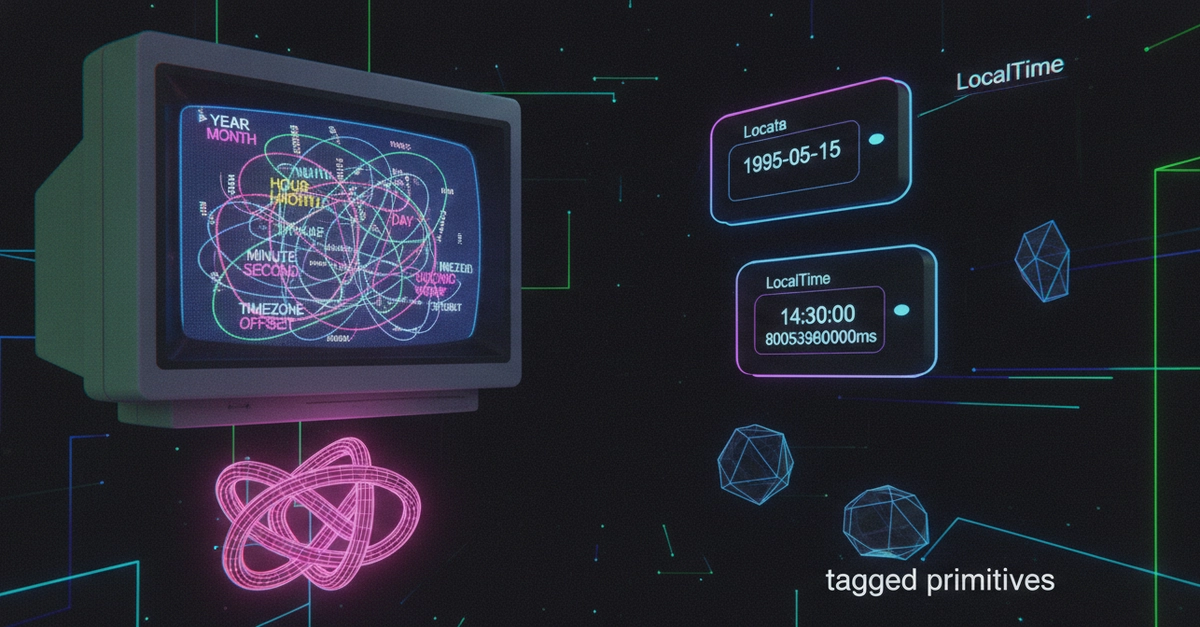
1. The Architectural Dilemma: Monolithic Objects vs. Tagged Primitives