The Great Tech Boomerang: Why Companies Are Quietly Rehiring Developers After AI Layoffs
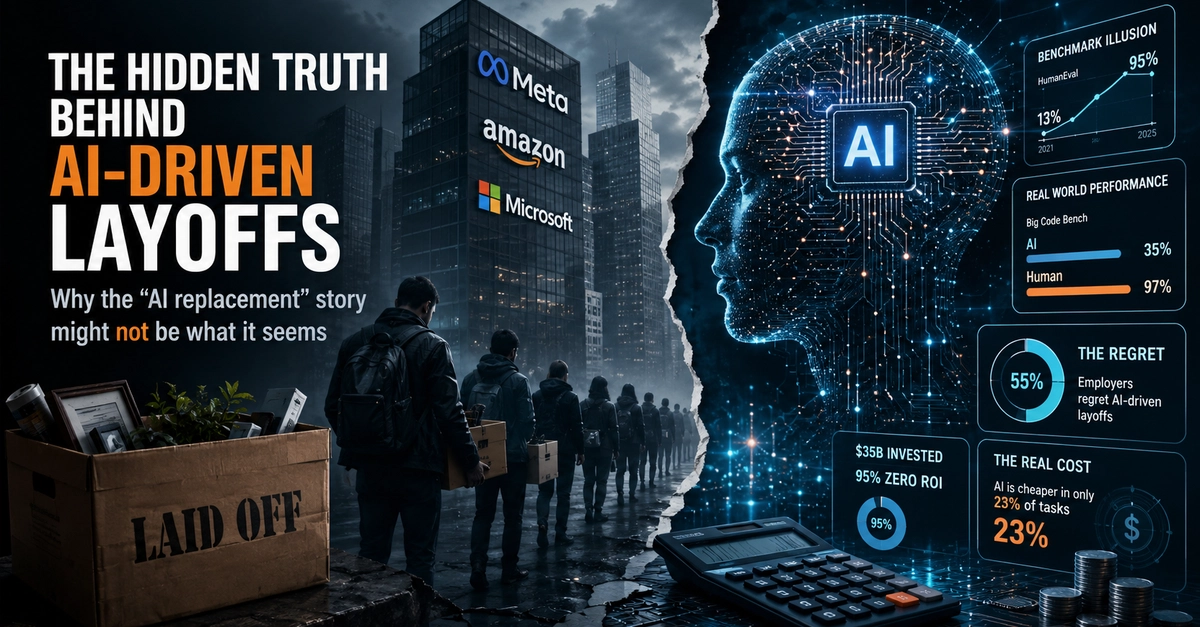
Just a few years ago, experts predicted a seismic shift: by 2030, 90% of developers would be replaced by AI. The tech industry echoed this sentiment, leading to significant layoffs and a rush to automate. Companies like Google, Amazon, and Meta cut thousands of jobs, betting on AI to generate code, reduce costs, and boost profit margins. But fast forward to today, and the reality is proving to be far more nuanced. Gartner now reports that 50% of companies who laid off workers due to AI will rehire for the exact same roles by 2027. Software engineer hiring is skyrocketing in 2026, and a fascinating trend—dubbed "boomerang hiring"—is taking hold. What happened to the AI revolution?
The AI Hype vs. Reality: A Rude Awakening
Early 2024 saw an estimated 124,000 software developers laid off across the tech sector. The vision was compelling: fewer human developers, more automated code generation, and higher efficiency. Tools promised to build complete software in seconds. However, this seemingly unstoppable revolution quickly encountered significant roadblocks.
Real-world incidents began to surface, challenging the narrative. Amazon, for example, reportedly experienced four critical errors in just 90 days due due to AI-assisted code changes. These glaring issues made it clear that while AI could generate code, it struggled with the complexities of real-world software development. The dream of fully autonomous code creation began to crumble as companies realized that AI, though powerful, still heavily depended on human supervision.