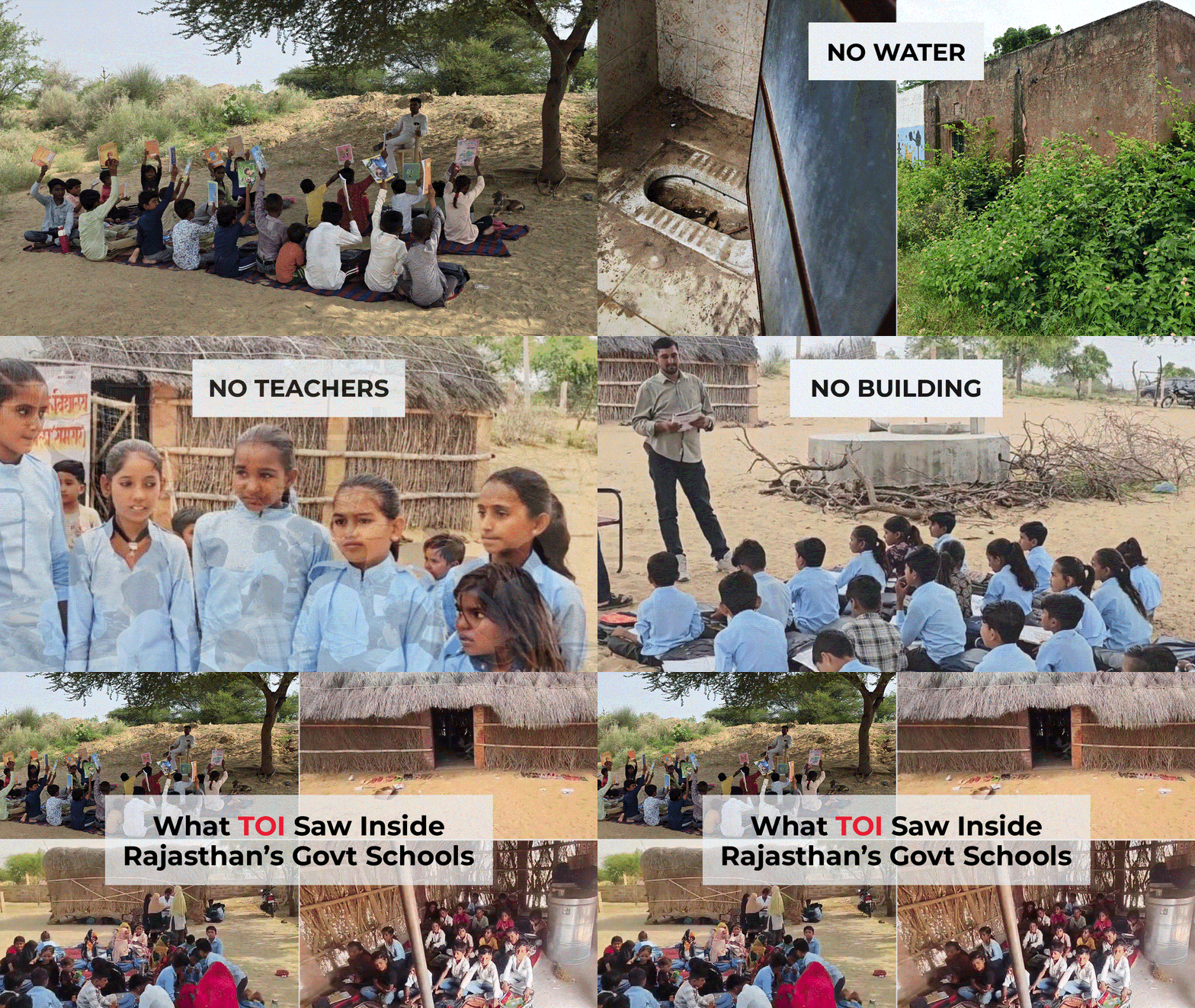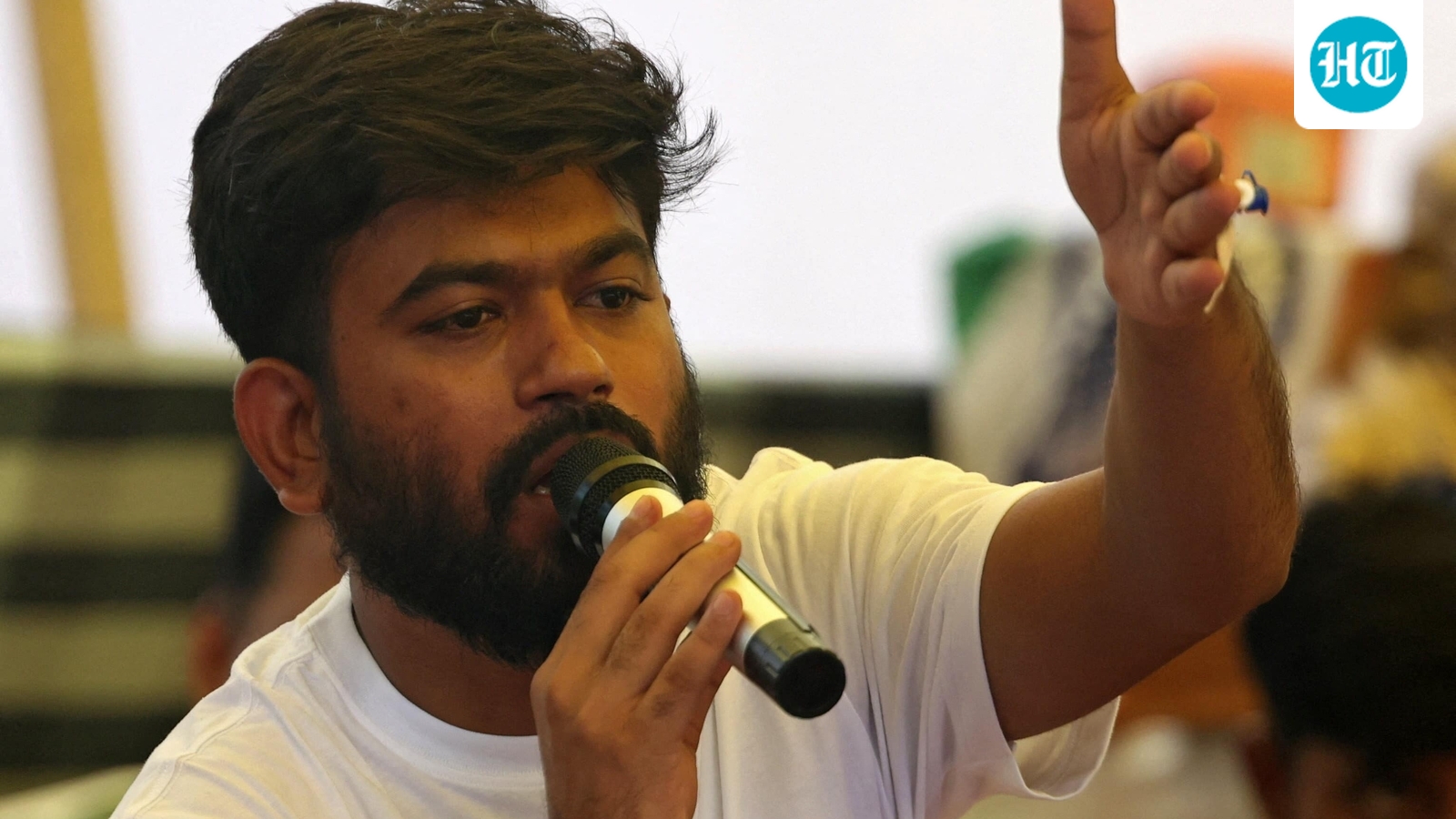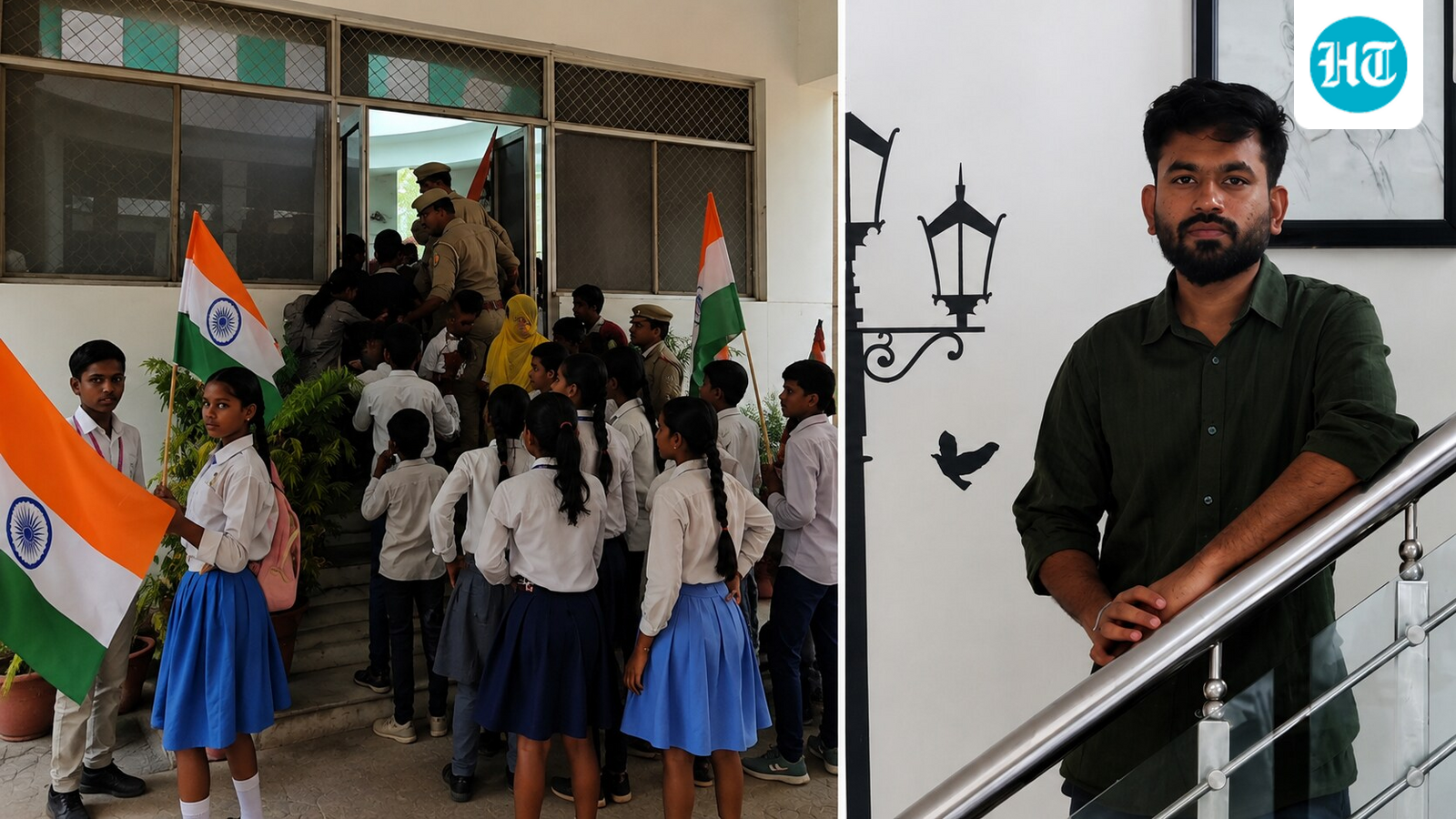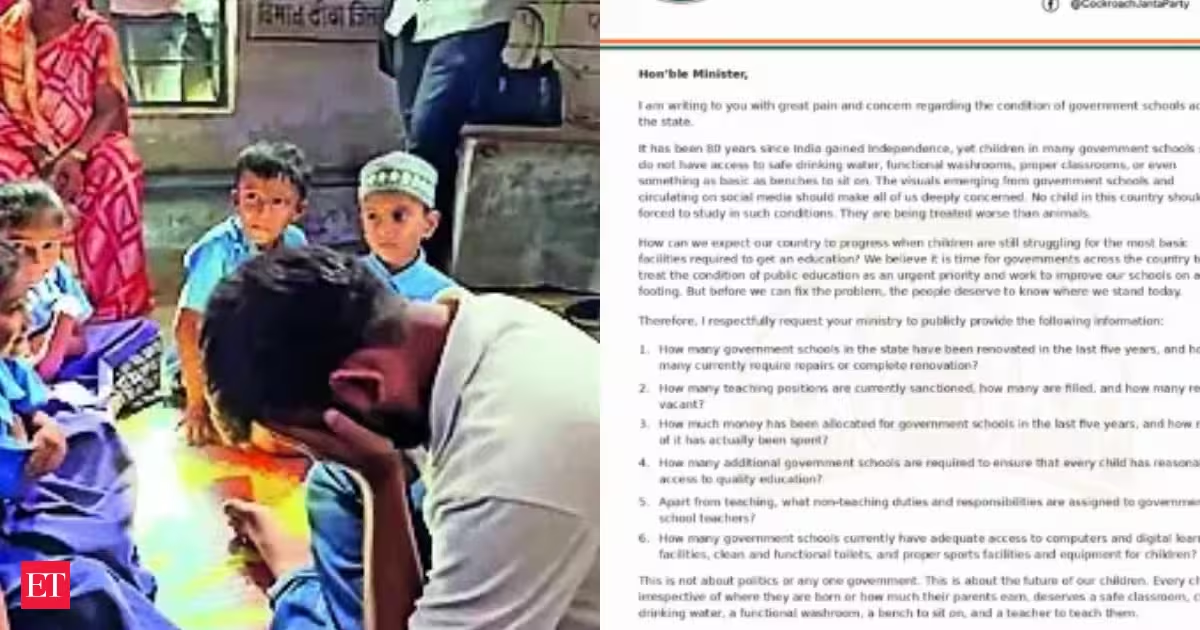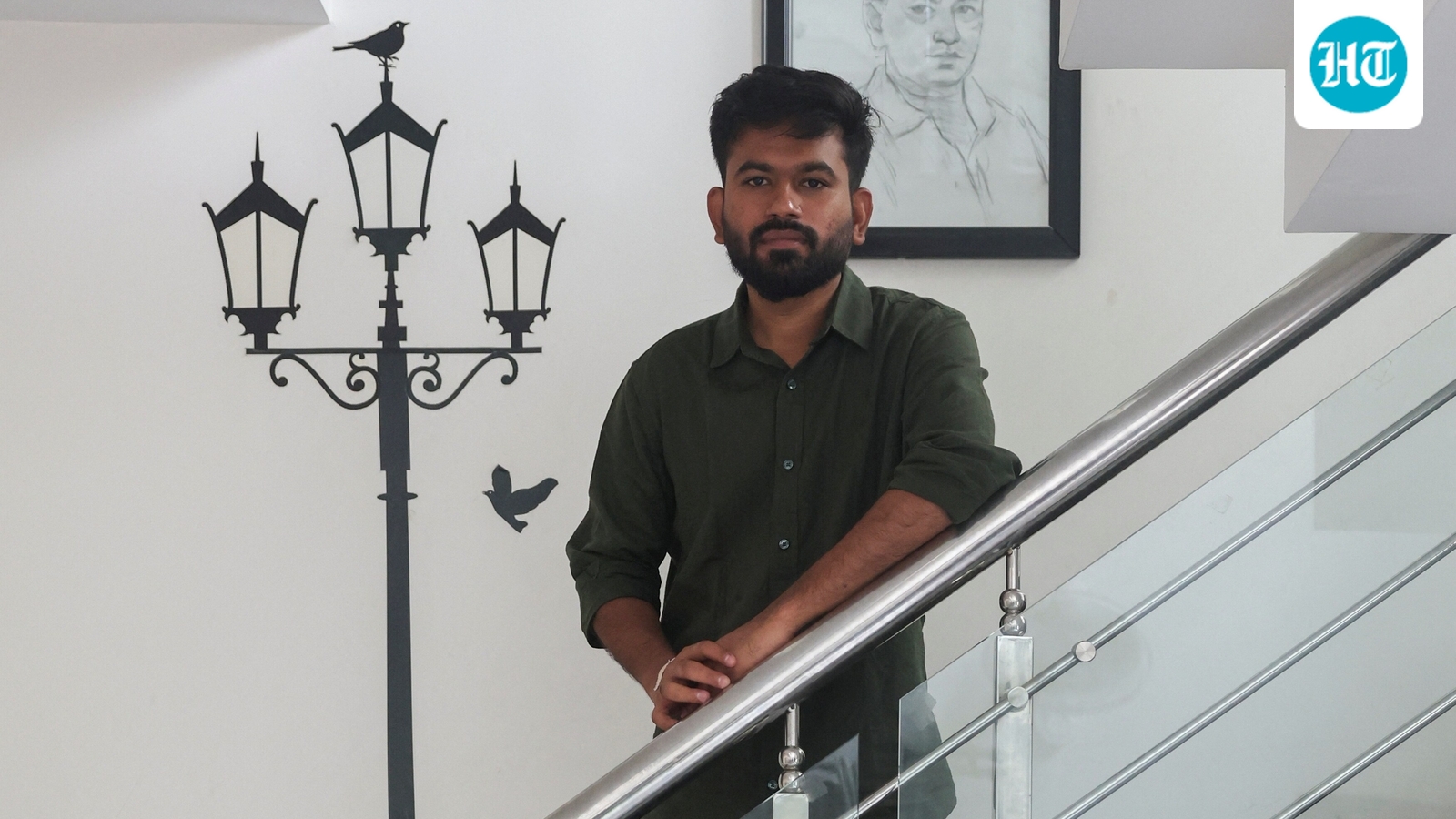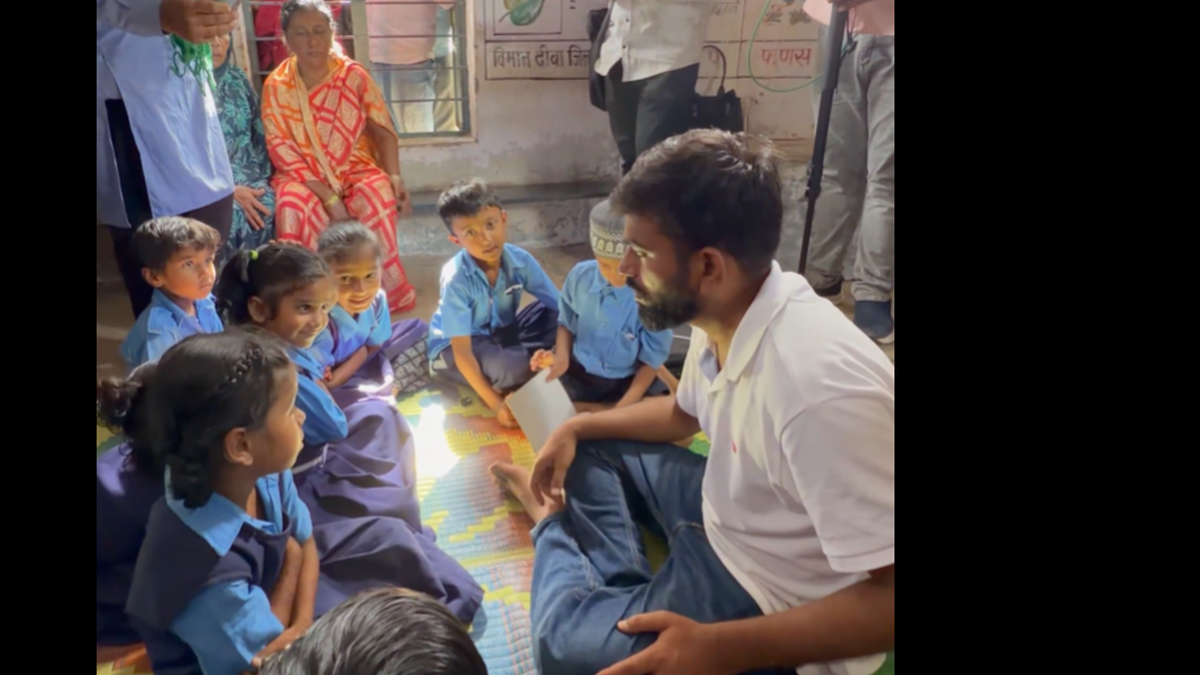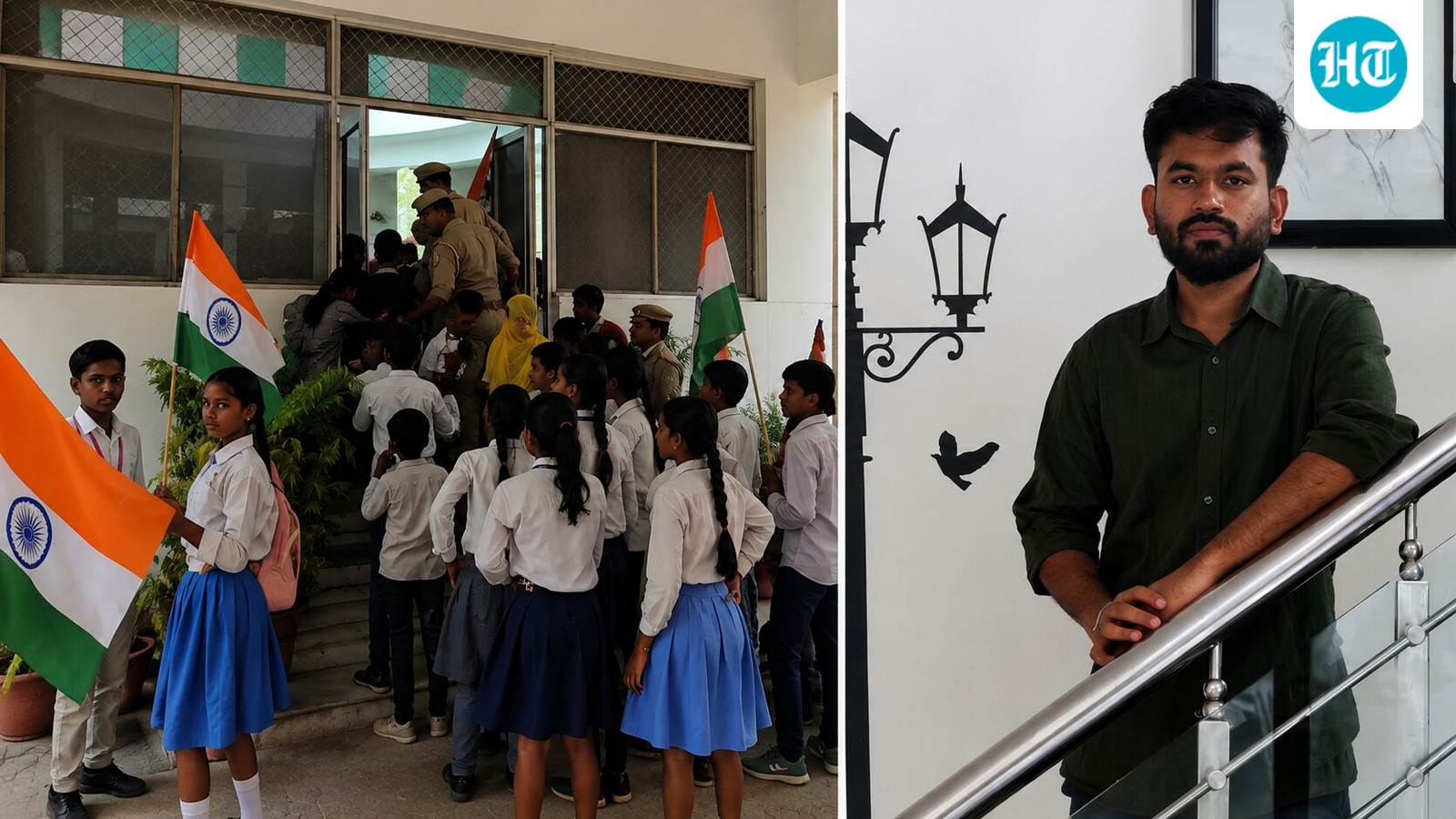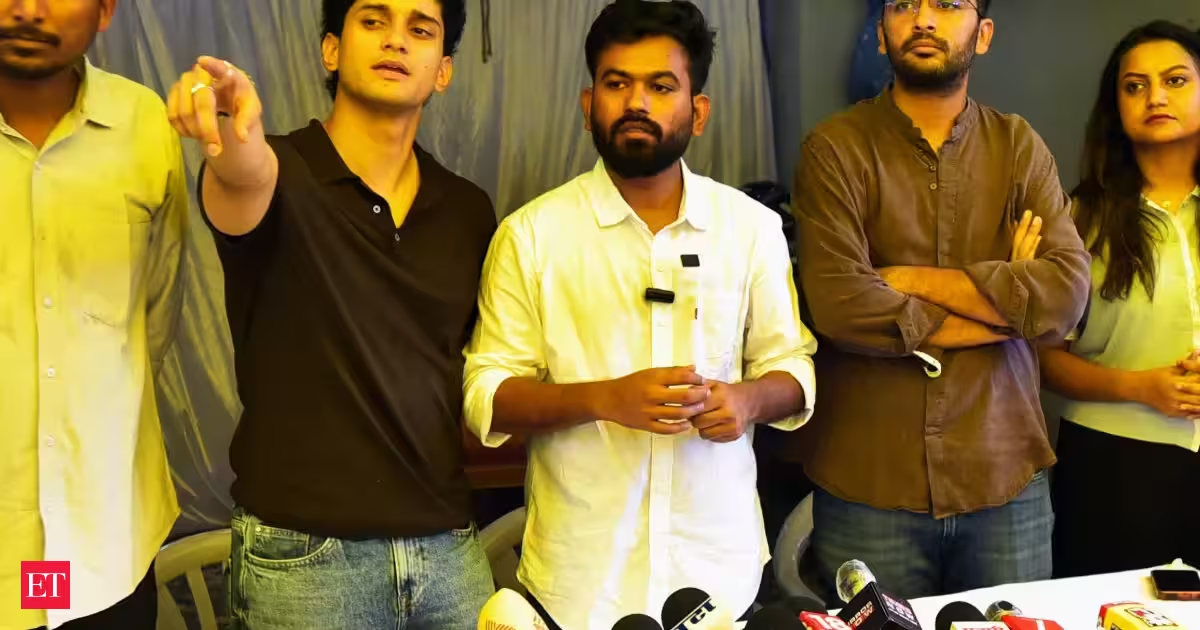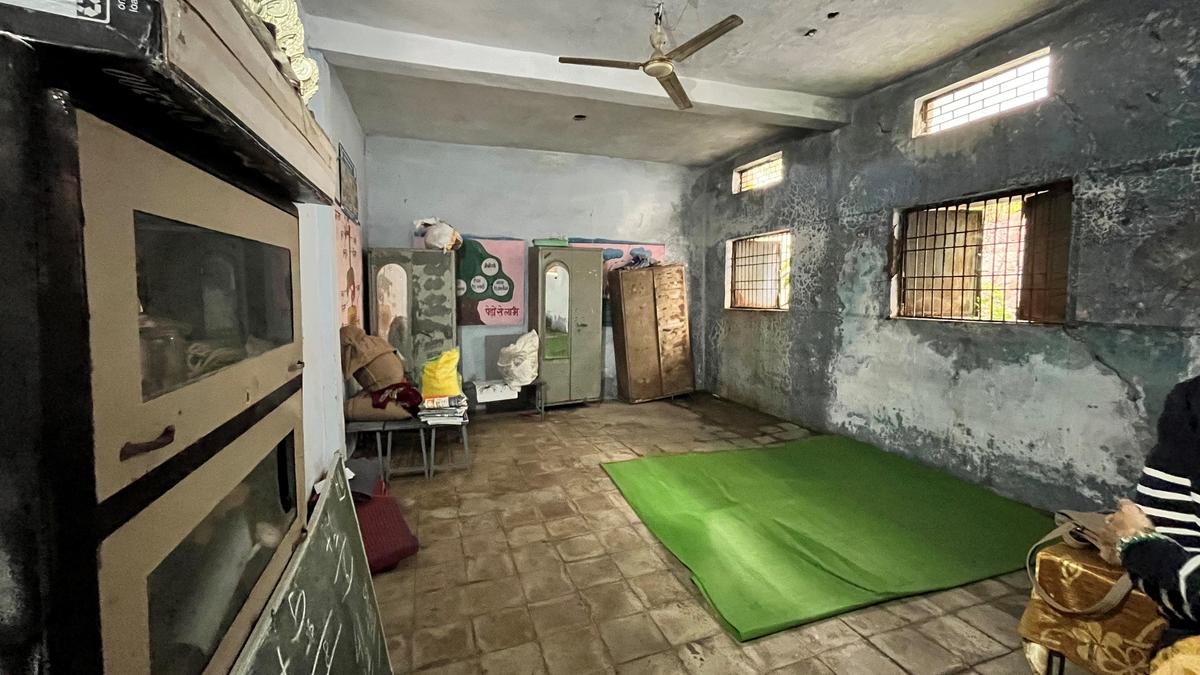
On August 10, Abhijeet Dipke, founder of the Cockroach Janta Party (CJP), said in a video that since Independence, no government has been able to provide students in rural areas with the same facilities as those available to students in urban areas. He pledged to begin checking schools in the district from which he hails, Hingoli in Maharashtra, and request sarpanchs to improve the situation.“We have constructed a new Parliament and a new residence for the Prime Minister. Why, then, are we not able to construct new schools in our villages? Do we not consider the children of farmers and labourers as the future of our country,” he asked.Since August 15, the CJP’s ‘School thik karo (reform schools)’ campaign has shone a spotlight on the condition of schools across States, with issues ranging from broken roofs to a lack of washrooms and drinking water. It asked locals to participate in a three-step audit of schools: ‘download a checklist, conduct the audit, and submit and tag us’. The checklist includes questions about whether the school has drinking water, boundary walls, wash rooms, and midday meals.BiharAt Dumri Kewat Tola primary school, in Muzaffarpur district in north Bihar, the plaster sometimes falls in the corridor outside the two classrooms. “We dread walking on this veranda,” says one teacher.All the 119 students crowd into the pink building, which was painted six months ago but is already peeling. They share space with two goats, which play on the corridor, and occasionally wander in to be petted. Under the crumbling roof of the corridor stand two motorcycles — they belong to the teachers.Also Read | FIR registered against Abhijeet Dipke for ‘entering government school without permission, threatening teachers’“The school was established in 1982, but there is no boundary wall, no wash room, no sports ground, and no space to store the midday meal supplies,” says the headmaster, Sanju Kumar. He travels 15 kilometres daily, one way, to reach the village.The six teachers of the school use the neighbours’ bathrooms, they say, but the children must simply go in the open, or not at all. The school has no space to build, say the teachers.
Missing from Hindi heartland schools: boundary walls, bathrooms, blackboards
Across north and central India, government school education, especially in rural areas, is a challenge, both in terms of the number of teachers in every school and the state of the building that houses children.
2,355 words~11 min read