By
Updated on: September 4, 2026 / 6:44 PM EDT
/ CBS News
Add CBS News on Google
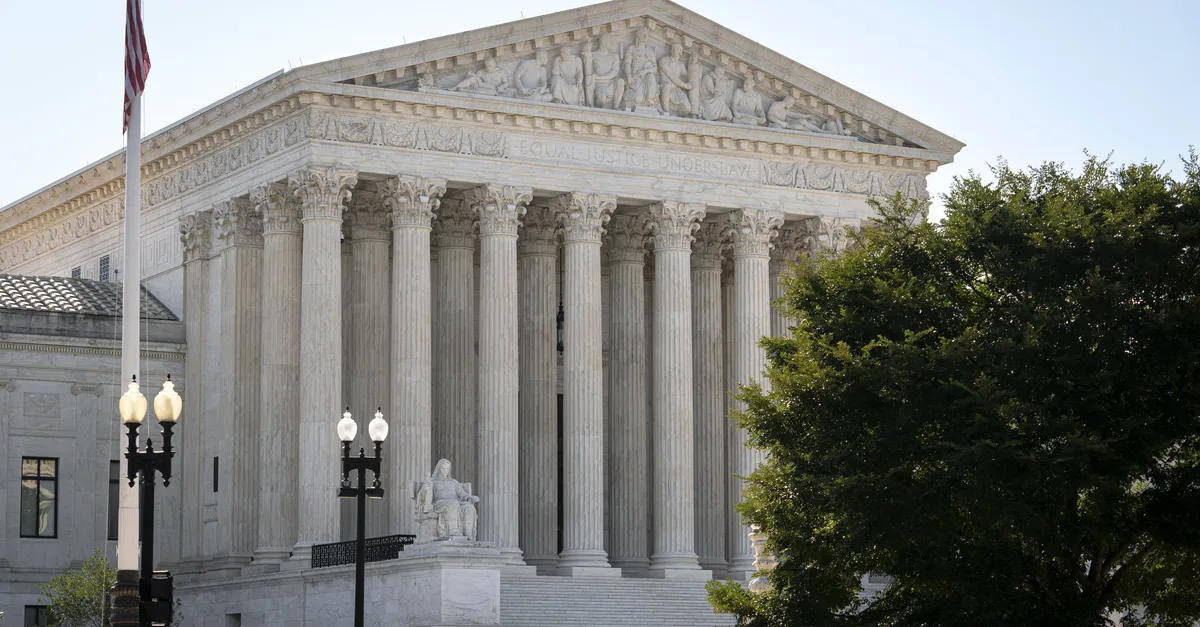
The Supreme Court on Friday granted Republicans' request to halt a lower court decision that prevented political party committees from receiving more favorable broadcast advertising rates, giving the GOP a win weeks before the November elections.The order from the high court restores guidance from the Federal Communications Commission that allows political parties and committees access to cheaper rates for political ads in the run-up to the midterms. The decision could be a boon for national Republican groups, which have amassed bigger war chests than their Democratic counterparts and can flood the airwaves with more ads in support of GOP candidates. The National Republican Congressional Committee has reserved $10.8 million in television ads for 23 House races this month, according to the group and AdImpact.The move by the NRCC, which aims to expand Republicans' ranks in the House, comes after the Supreme Court in June struck down federal limits on the amount of money political committees can spend in coordination with federal candidates.In an unsigned decision, the Supreme Court said the appeals court likely did not have jurisdiction to address the challenge to the FCC's policy that was brought by a group of Democratic candidates for the House and Senate. Those candidates are Sen. Jon Ossoff of Georgia, Rep. Kristen McDonald Rivet of Michigan, Sherrod Brown of Ohio and Roy Cooper of North Carolina. Ossoff and McDonald Rivet are seeking reelection, and Brown and Cooper are both running for the Senate in their respective states.The high court also said the GOP party committees are likely to be harmed by the 4th Circuit's decision, since they said broadcasters are already withdrawing favorable rates in light of the lower court's ruling."Current and future recissions will require the party committees to pay more for advertising space, thereby hampering their efforts to reach the electorate in the critical weeks leading up to the midterms," the Supreme Court said. "That injury, which implicates their First Amendment rights to speak and coordinate their political activities freely, cannot be remedied after the fact through refunds or reimbursements."