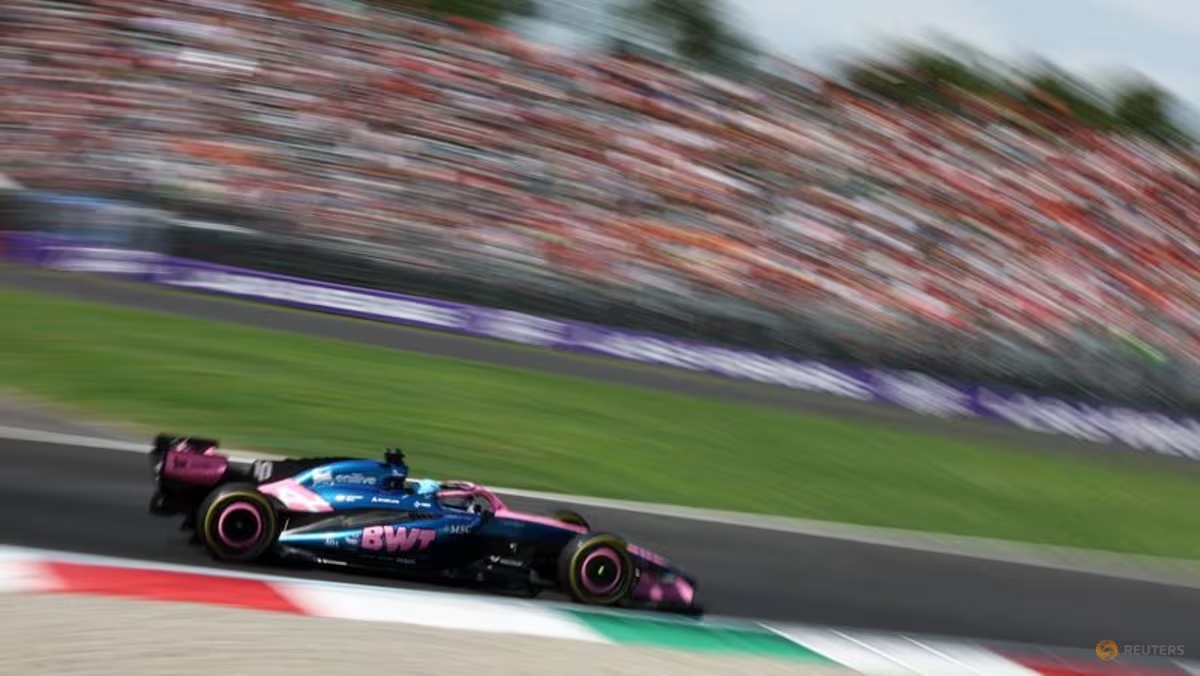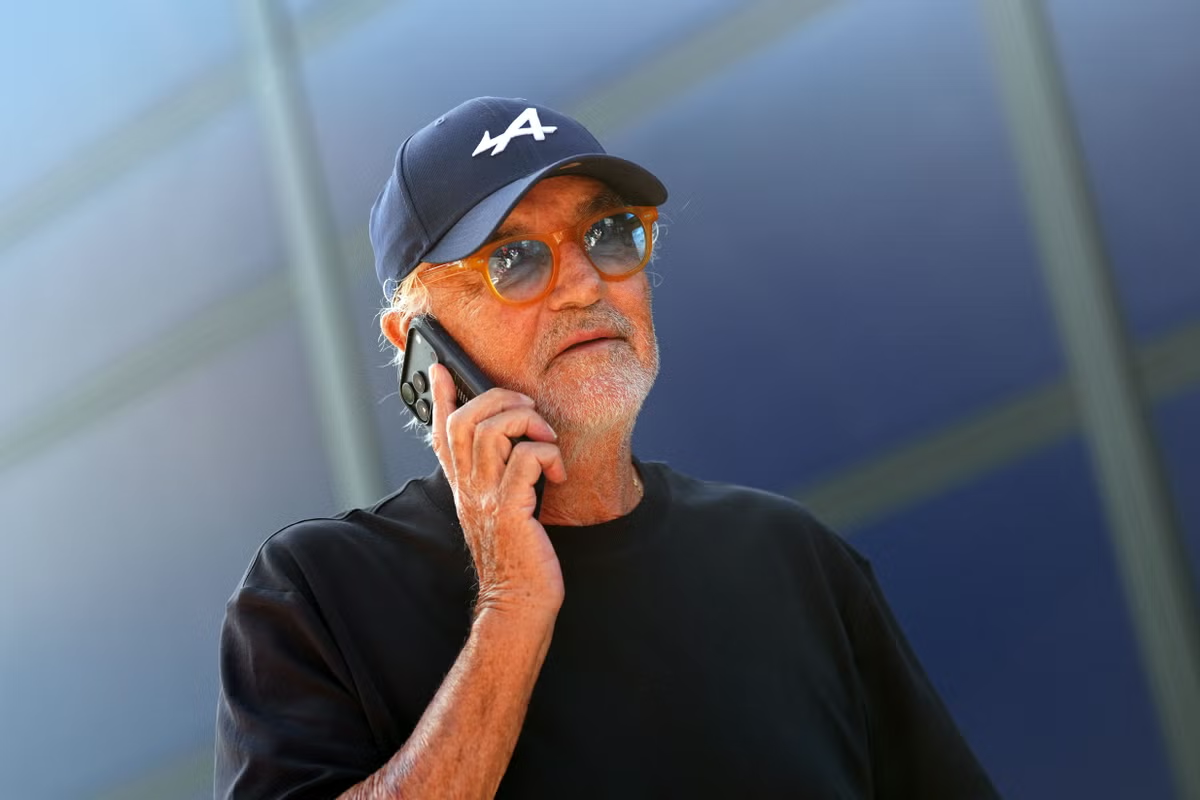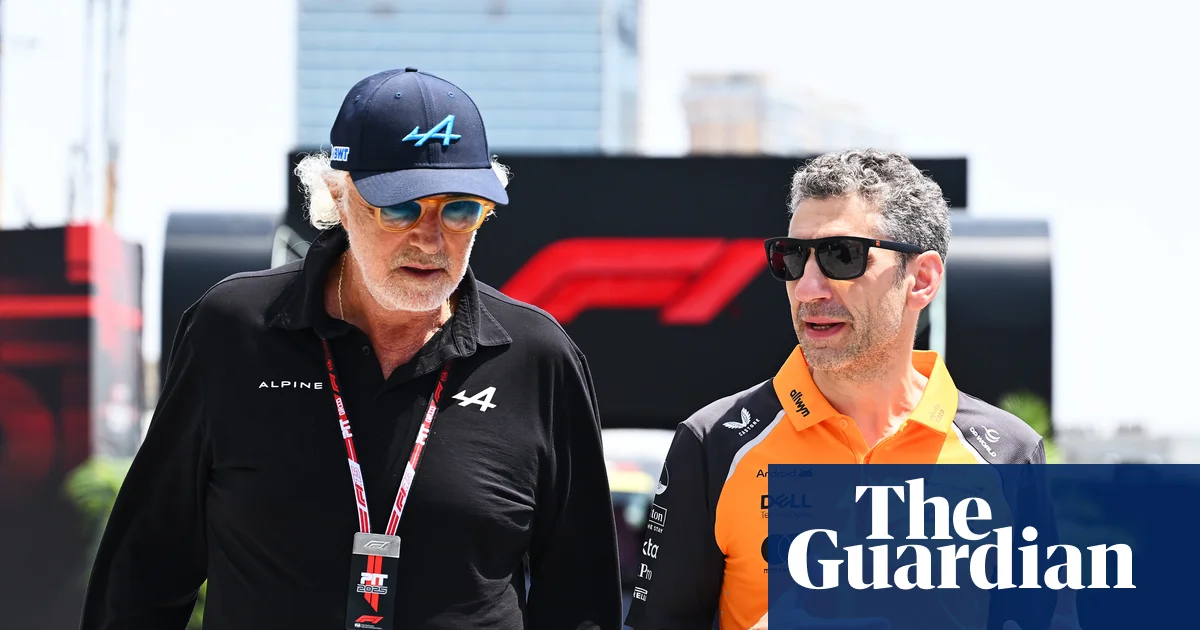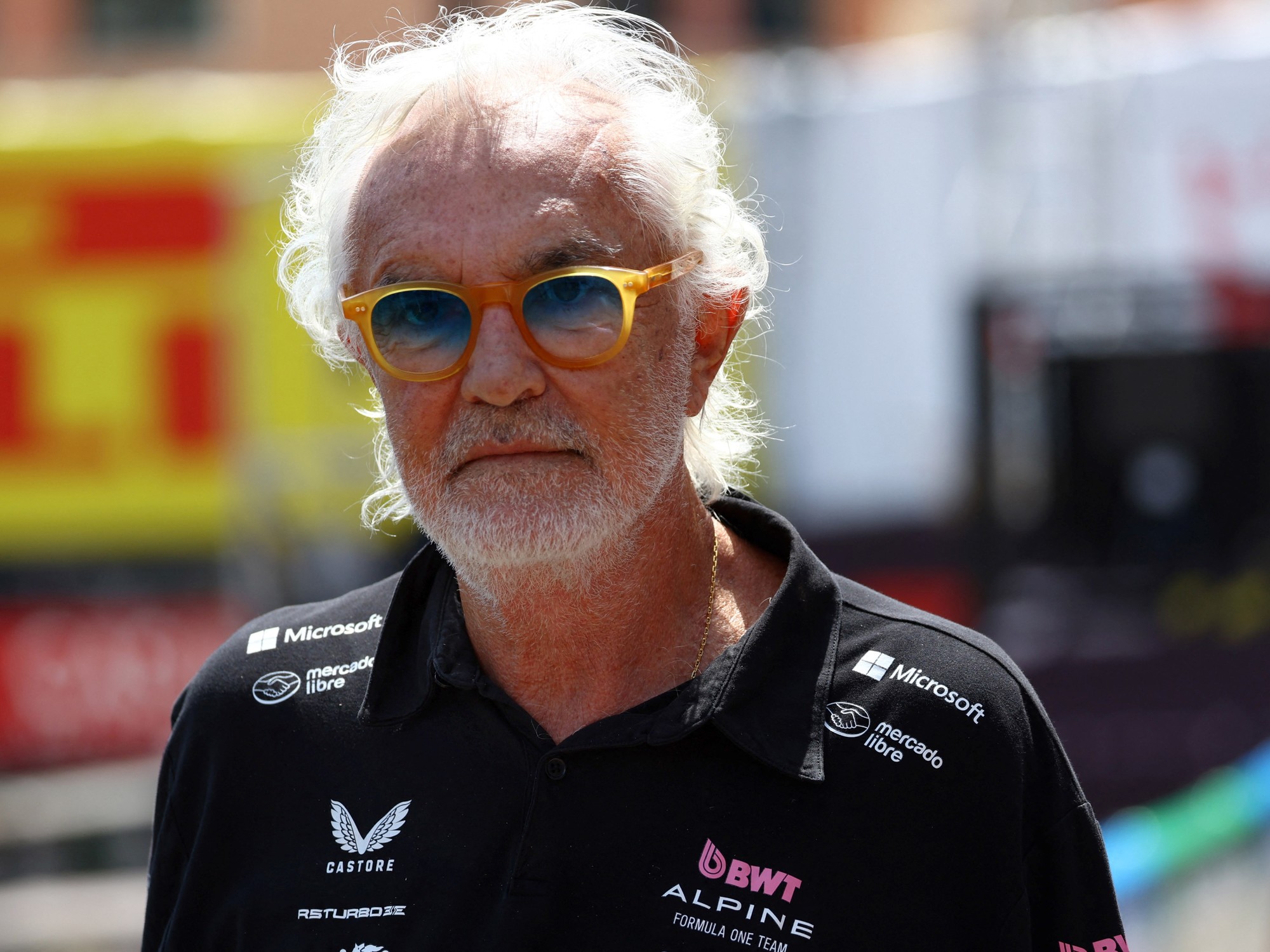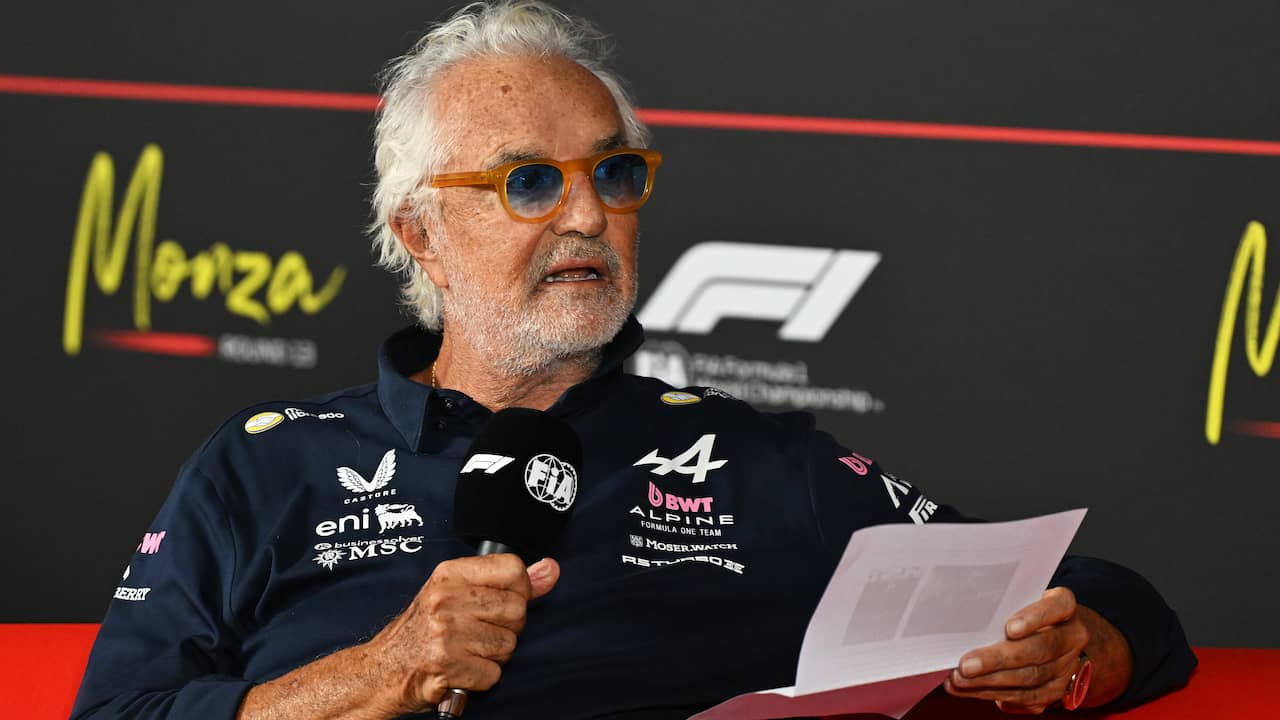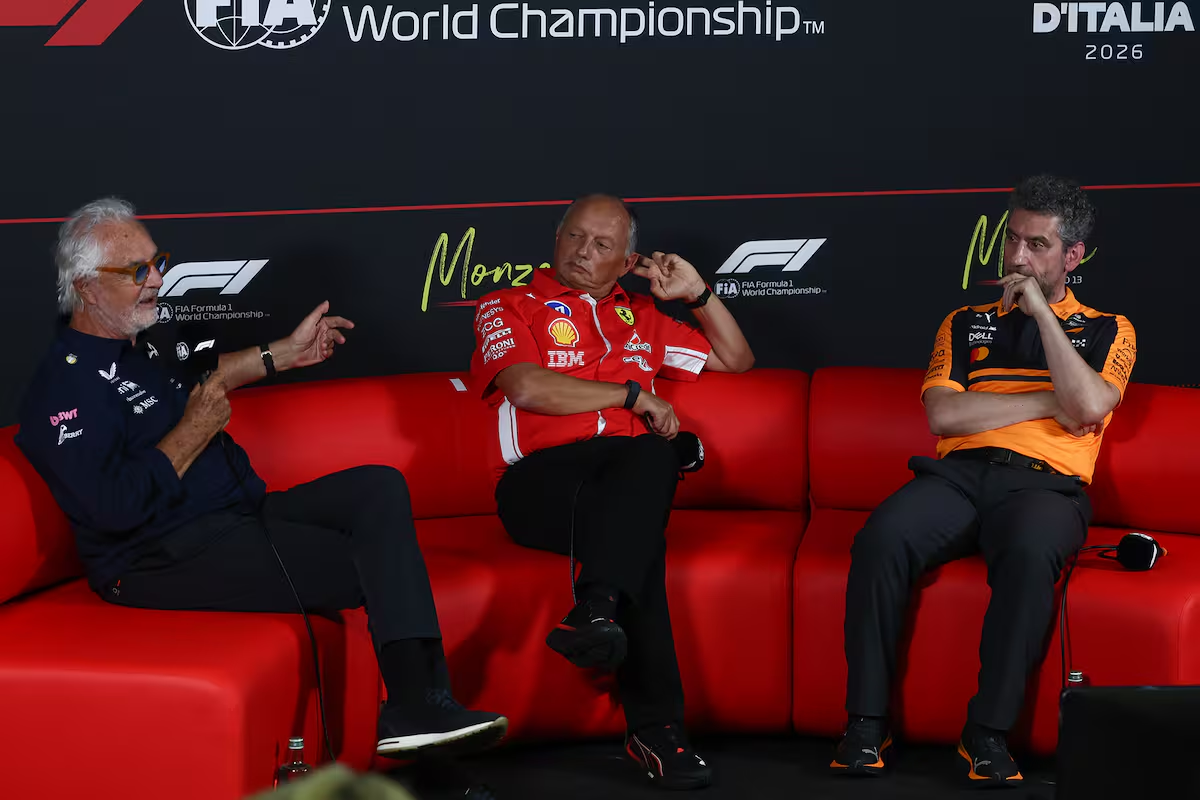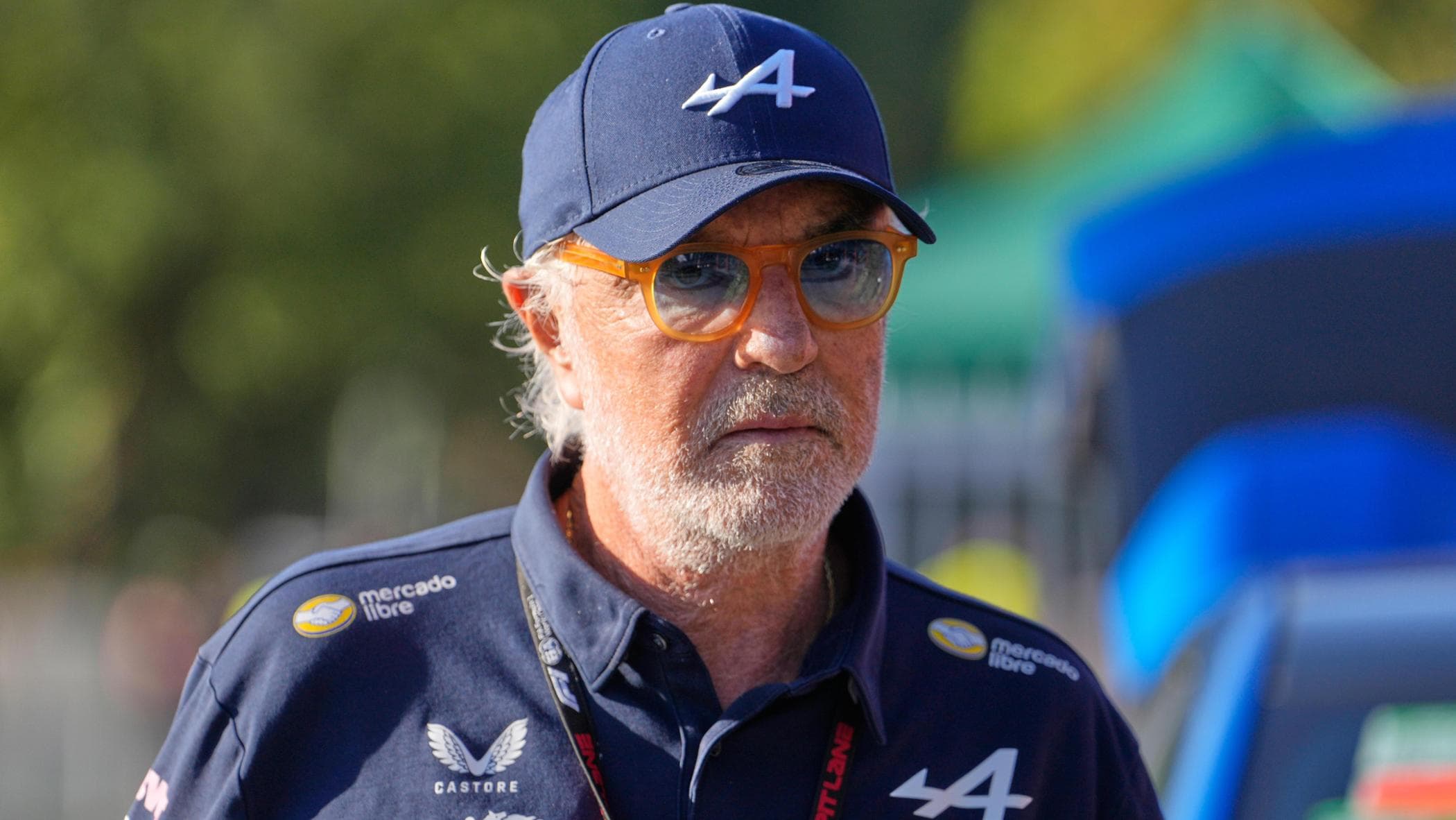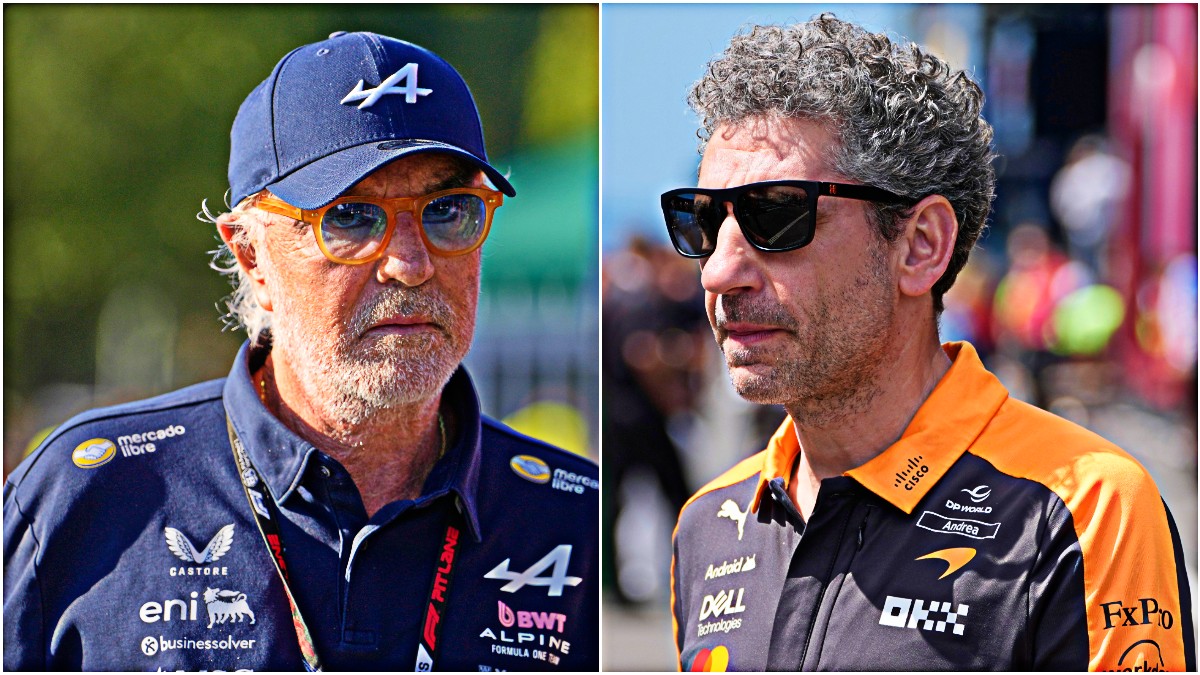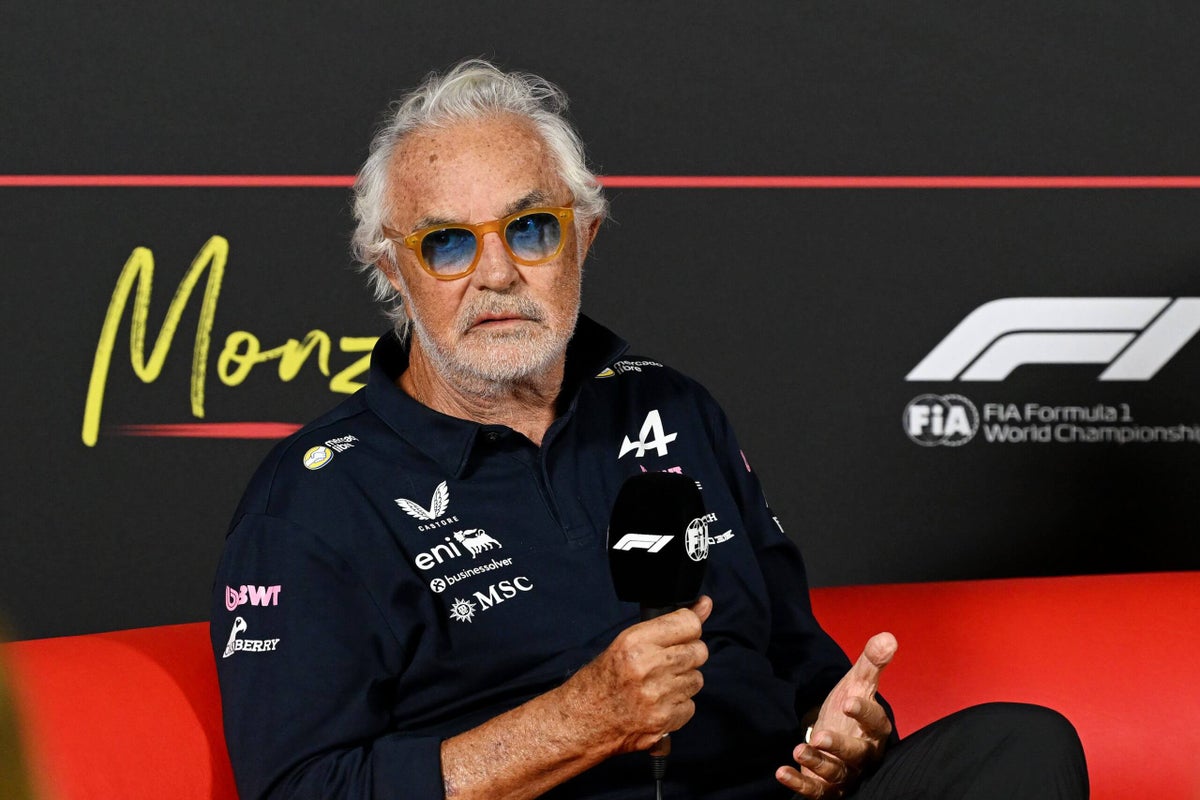
MONZA, Italy — Alpine Formula 1 chief Flavio Briatore has alleged that a judge on the panel that ruled to reinstate Pierre Gasly’s penalty at the Monaco Grand Prix is “very linked” with McLaren.On Friday, the FIA announced that its International Court of Appeal (ICA) had ruled in favor of McLaren and Red Bull after they challenged the decision to overturn Gasly’s two five-second penalties for pit lane speeding in Monaco.The initial overturning of the ruling by the Monaco race stewards had reinstated Gasly to the podium ahead of Red Bull’s Isack Hadjar and McLaren’s Oscar Piastri, only for the ICA to decide the penalties should be re-applied, dropping Gasly back down to seventh place.Alpine released a statement after the ruling was announced expressing its “disappointment and frustration” over the decision.But in the FIA news conference shortly after the announcement, Briatore, who is Alpine’s executive advisor, effectively its team principal, alleged that one of the judges involved in the ruling was linked to McLaren.“This is very unfair, but we accept the decision,” Briatore said. “But what is very strange was (there were) four judges in the panel. One of the judges acted like a prosecutor. For this, no big problem.“The problem is he’s very linked with the McLaren company. Because we have a nice picture of this guy at a speech for McLaren in 2018 in MSO (McLaren Special Operations) Beverly Hills. He has a foundation, it’s called One Drop foundation, and McLaren gave two, three McLaren cars.“This was quite unfair, one of the judges was linked with a team which was protesting (against) us.”Andrea Stella, McLaren’s team principal, declined to respond to these comments by Briatore. Speaking in the same news conference, he expressed his wish to instead discuss the ruling of the ICA.“If you want to talk about these kinds of allegations, then I think that’s not convenient,” he said.After Stella then talked about the importance of clarifying the rules around the case, as being for the good of F1, Briatore re-stated his belief that the judge was linked to McLaren.“What is unfair is, some judge was linked with McLaren,” said Briatore. “This is unfair. The judge normally needs to be independent, completely. And this judge, the name is, it’s kind of an Italian name, but he’s American, Filippo Marchino.“Filippo Marchino is a judge (who) was very nasty during the hearing, (he) was acting as a prosecutor.“And after, we found out what is the reason why (he was) so nasty, this guy. He is very linked with McLaren. This I notice. So whatever Stella said, for the sport, for this, first I think someone, where you have the judgement, the judge needs to be independent. And not somebody doing the speech for McLaren and somebody using the McLaren car in the charity.”Briatore added Alpine had “no idea this guy was linked with McLaren” prior to the hearing.Filippo Marchino in 2018. (Joe Scarnici / Getty Images)When Stella was asked by a reporter if he would reject the suggestion that McLaren had any agency over the appointment of the panel for the case, he replied: “I find that this conference going in this direction is quite insulting for McLaren, for the reputation of a team that deserves a lot of respect.“And if anybody makes these kinds of allegations – which seem quite serious – they are going to have to take responsibility for what they are saying in a public forum. The hearing, the whole International Court of Appeal, was conducted to the highest standards and we should not question this phase like it’s been done.”When The Athletic asked Briatore if he could clarify what he meant specifically in relation to Marchino, he said: “I just said everything. We accept the result of the hearing. What was very disappointing is to find out one of the judges has a very good relationship with McLaren – working relationship, kind of.“The panel should be completely independent and you don’t need somebody linked with some team, especially the team involved with us in this situation.”Marchino was one of four judges who comprised the court’s ruling panel for the hearing, which lasted all day on Tuesday August 25 at the FIA’s headquarters in Paris, France. The Athletic has approached the FIA for its position on Briatore’s comments.The ICA is essentially the FIA’s court of last resort when it comes to racing disputes. The final appeal tribune analyzes issues brought forward by the FIA president or raised by any of the National Sporting Authorities in motorsports.There are 36 judges in total, and the ICA is an independent entity with its own administration separate from the main FIA structure.There are certain restrictions around whether judges can serve on case-specific panels.At least three judges need to be on the panel, and they are appointed by the ICA president, Laurent Anselmi. There are also restrictions around nationalities – if they conflict with the main parties in the case. Concerning the hearing of McLaren and Red Bull’s challenge, the judges with Monegasque, British and French nationalities were removed.Anselmi then selected eight judges, and it was put to the parties of this case on whether there were any issues, with Michael Grech appointed the president of the hearing. No objections were raised at the time, and the ICA president selected the four judges that worked on this hearing panel.Alpine driver Pierre Gasly in the pitlane at the 2026 Monaco Grand Prix. (Rudy Carezzevoli / Getty Images)Based in Los Angeles, Marchino is the founder and lead attorney of The X-Law Group, according to the law firm’s website. The end of his mandate as a judge for the ICA is in 2027. He was elected in 2023 after he was put forward by the F1 teams.According to an FIA biography, he is “an experienced trial attorney with an educational background in aerospace engineering” who “routinely litigates some of the most technical and challenging cases in the United States.” The Athletic has approached Marchino for comment.McLaren declined to comment further beyond Stella’s comments in the news conference when approached by The Athletic.An Alpine spokesperson said there was “nothing further to elaborate on what was said in the press conference” by Briatore.On Saturday morning, the ICA released a statement — distributed by an FIA spokesperson — attributed to Anselmi, Rui Botica Santos (president of the FIA’s international tribunal and vice-president of its judges congress), Waltraud Wünsch (vice-president of the ICA) and Gérard Martin (vice-president of the international tribunal).The statement read: “The FIA courts wish to make clear that the appointment and participation of the judges in that case, like for any other case, were conducted in accordance with the applicable FIA judicial procedures and usual practice, which are inspired by the highest standards like the IBA Guidelines on Conflicts of Interest in International Arbitration.“All judges are elected by the FIA General Assemblies, some of them upon proposition of a group of at least five F1 teams in accordance with the FIA Statutes. They are all subject to the independence and confidentiality requirements contained in the FIA Judicial and Disciplinary Rules, make annual disclosures of interests to the FIA compliance officer, and sign a specific declaration of independence for each particular case in consideration of the issue at stake and the parties involved, which is served to the parties.“At both the beginning and conclusion of the hearing, the parties were invited to raise any issue concerning the proceedings or the composition of the court. None did so. No objection was raised during the hearing concerning the manner in which the Court questioned the witness or conducted the proceedings.“The ICA emphasizes the importance of constituting panels with judges from different cultural and geographical backgrounds. This helps ensure that the deliberations and discussions reflect a diversity of legal traditions, perspectives and approaches, further strengthening the fairness, independence, credibility of the process and access to a fair trial.“A court’s decision can leave room for various interpretations and comments as for its legal merits; that is fair and accepted by all the judges. The court is confident in the soundness of the proceedings and the integrity of the judges. The FIA courts remain committed to the independence and impartiality of their judges and to the integrity of the judicial process.”
Alpine’s Flavio Briatore alleges judge in Monaco GP court ruling ‘very linked’ with McLaren
Alpine executive advisor Briatore alleged a judge on the panel reviewing the Pierre Gasly Monaco GP penalty saga was linked to rival McLaren
1,371 words~6 min read