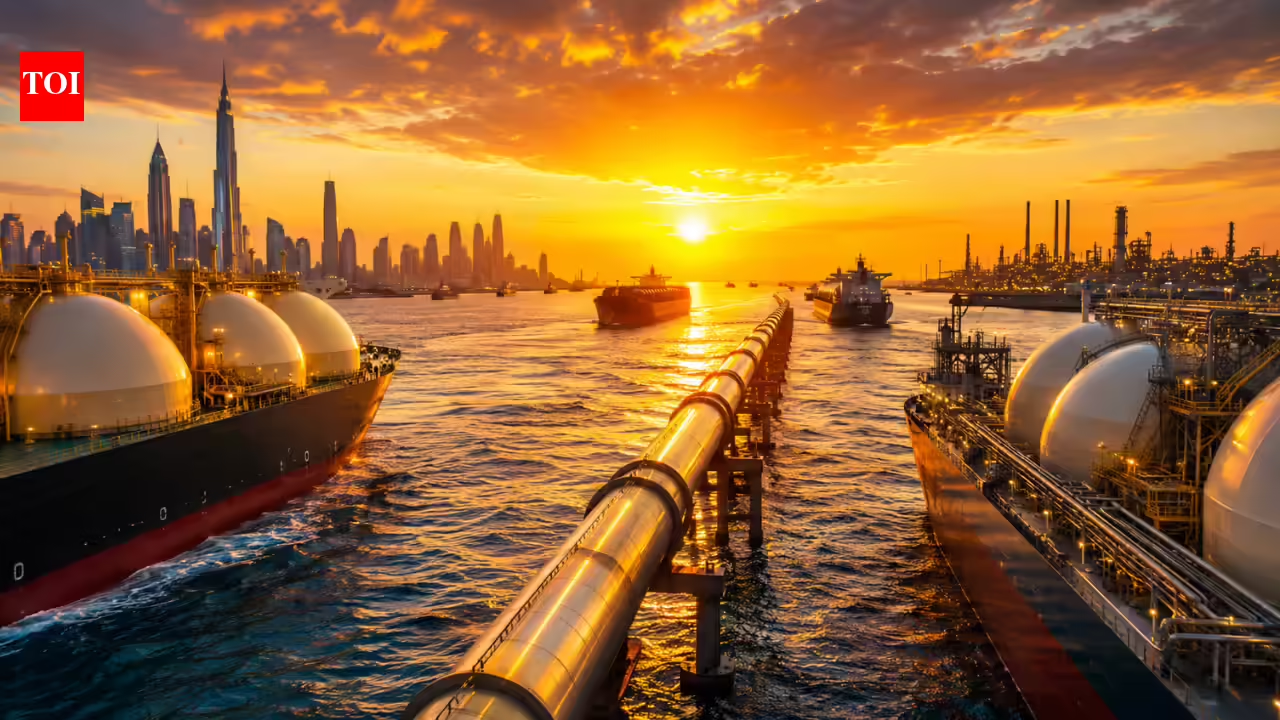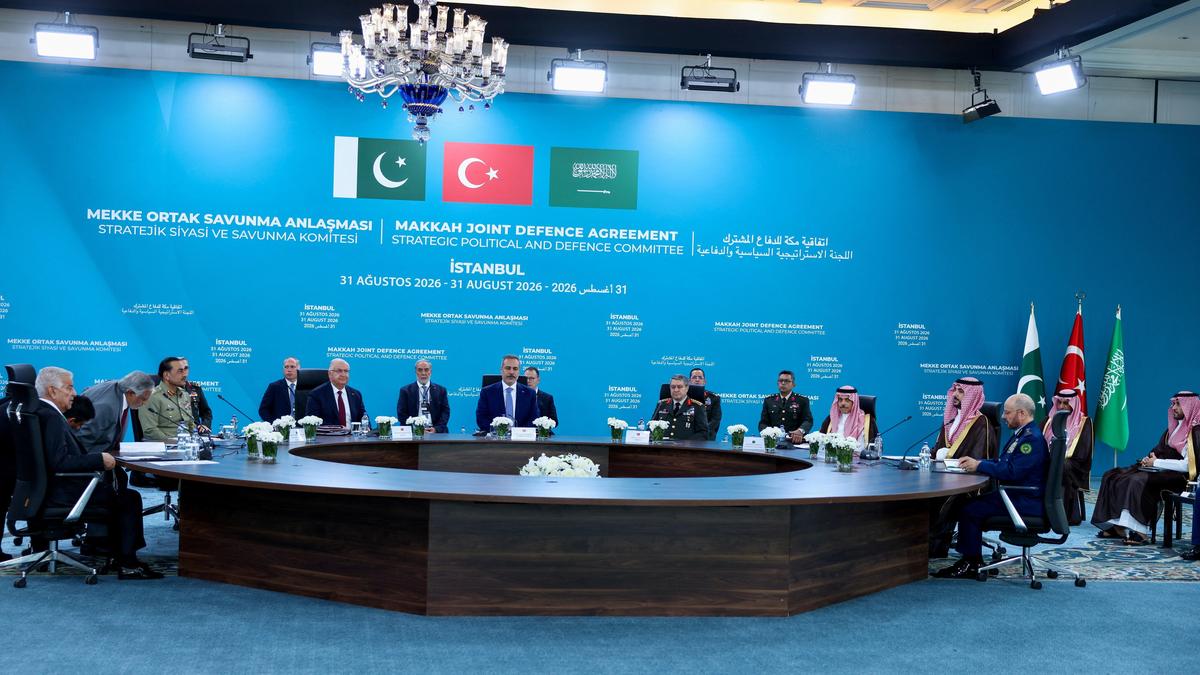
‘The growing influence of external powers and hostile regional pacts directly threatens India’s trade routes, energy security, and the welfare of millions of Indian citizens living in the Gulf’
| Photo Credit: Reuters
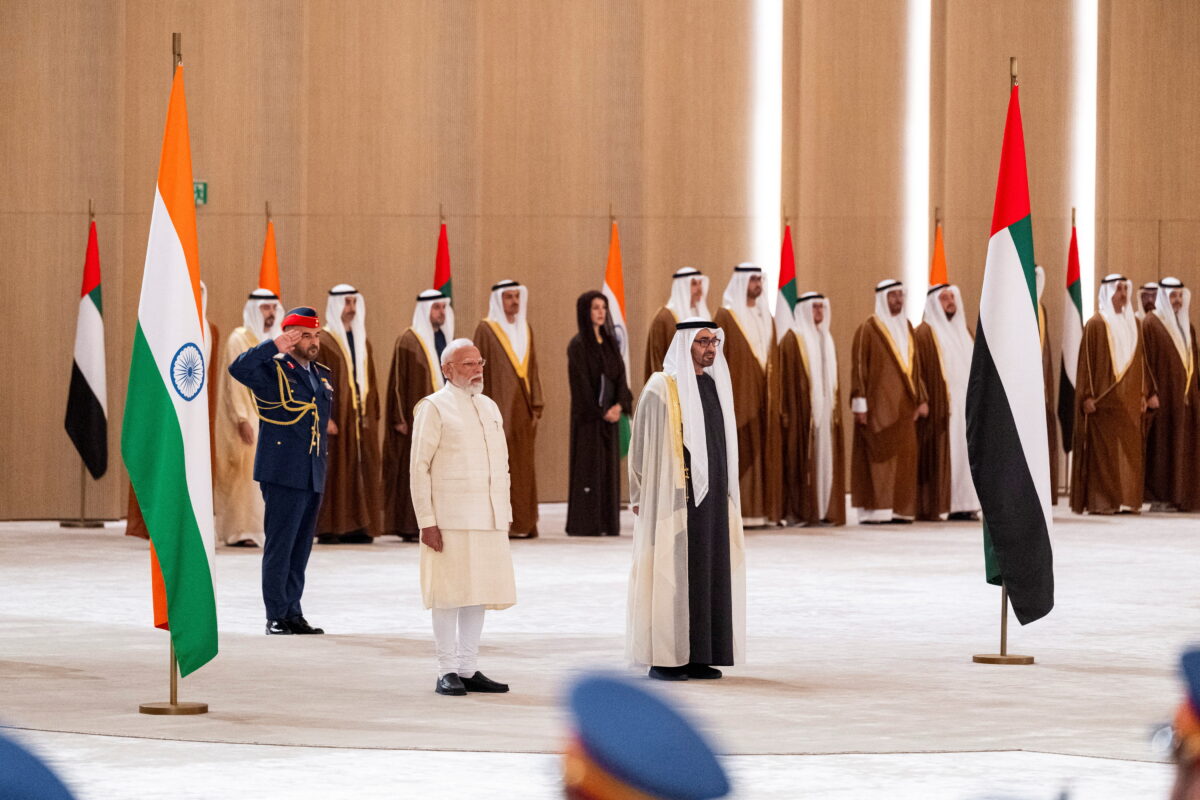
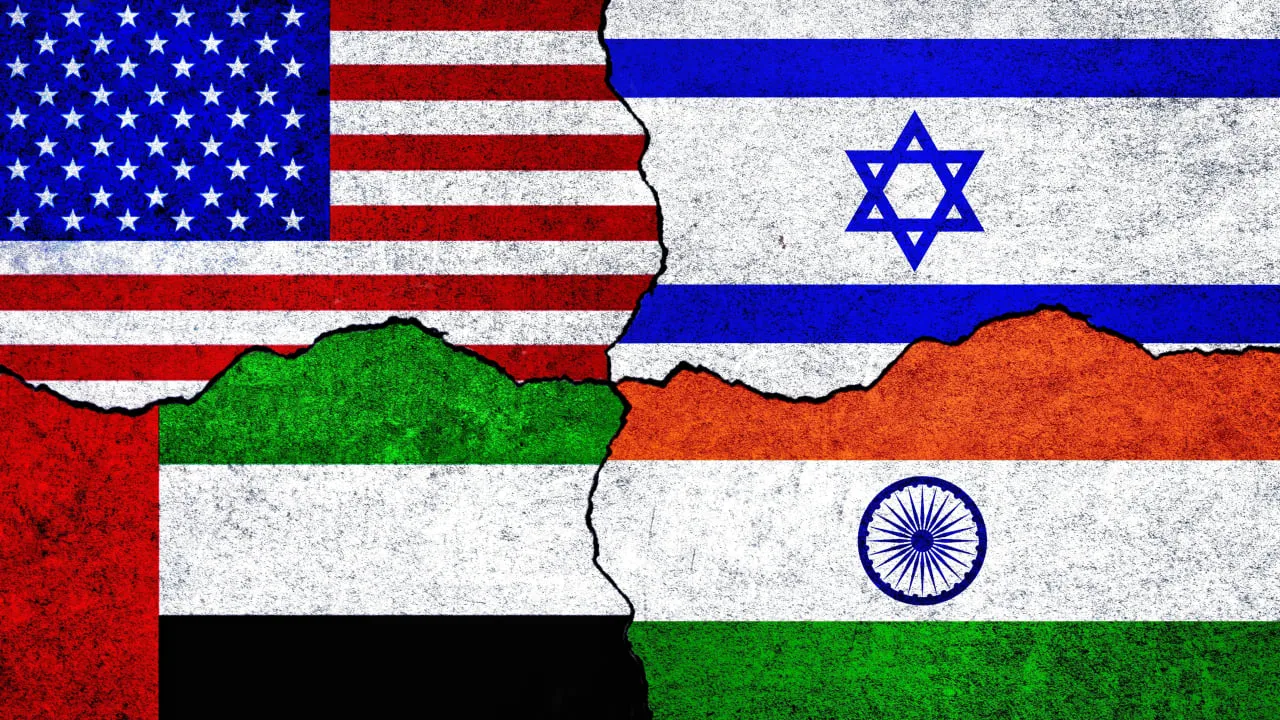
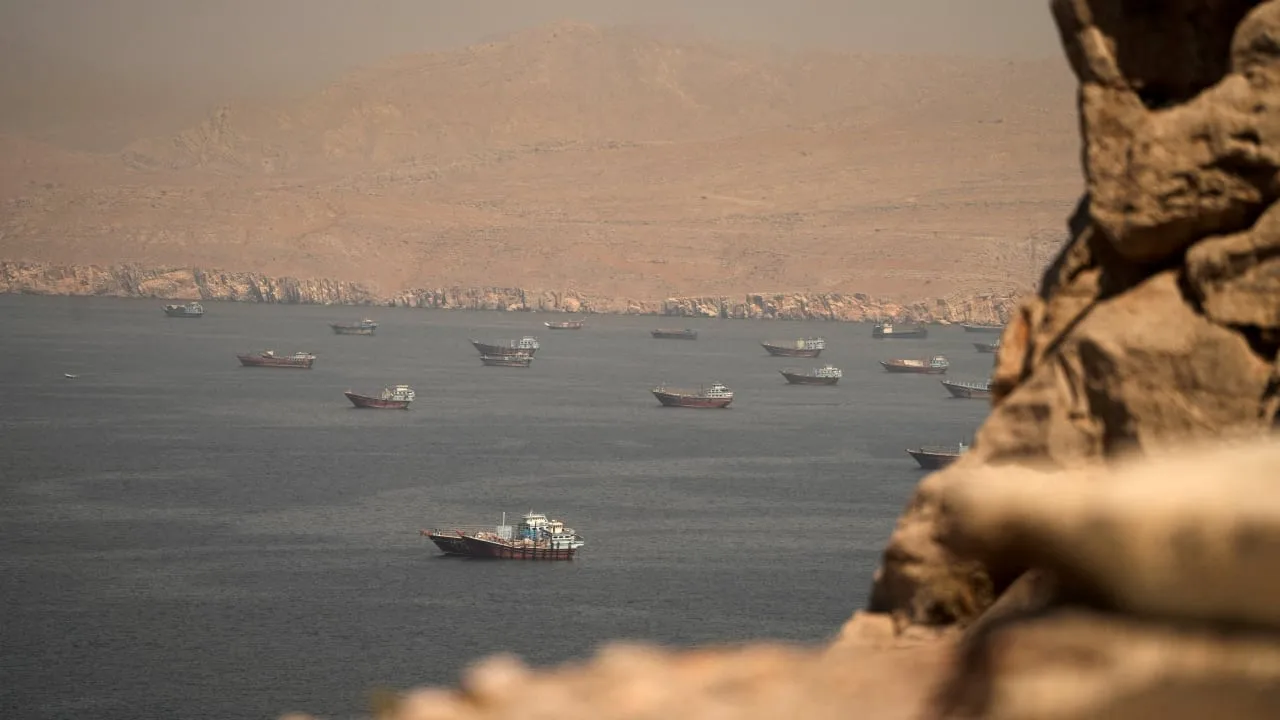
For decades, India’s relationship with West Asia operated under a doctrine of deliberate ambiguity and even of some strategic distance. Delhi treated the “Middle East” primarily as an economic hinterland: a critical source of crude oil, a reliable destination for outbound labour, and a vital conduit for remittances. When regional crises flared, Indian foreign policy defaulted to hedging, balancing relations between competing power centres such as Riyadh, Tehran, Tel Aviv, and Abu Dhabi without tying itself to the security obligations of any single capital. Of late, we called that approach “multi-alignment”.But while India was careful to be friendly to all, it was not too friendly to any, in an effort not to offend any of the various capitals in the mix. The logic was clear: there was much to be gained from all parties in what was widely seen to be a likely West Asian economic renaissance. The region was seen through a macroeconomic vision that highlighted its convenient geographic features, its immense natural resources of oil and gas, massive capital accumulation, and its receptivity to imported labour and skills, of which India has a surplus. In this framing, the global economic centre of gravity was seen as inexorably shifting away from an aging, debt-burdened West toward a highly dynamic Asia, positioning West Asia as the ultimate maritime and terrestrial bridge between a declining West and a rising East. Published - September 05, 2026 12:16 am IST