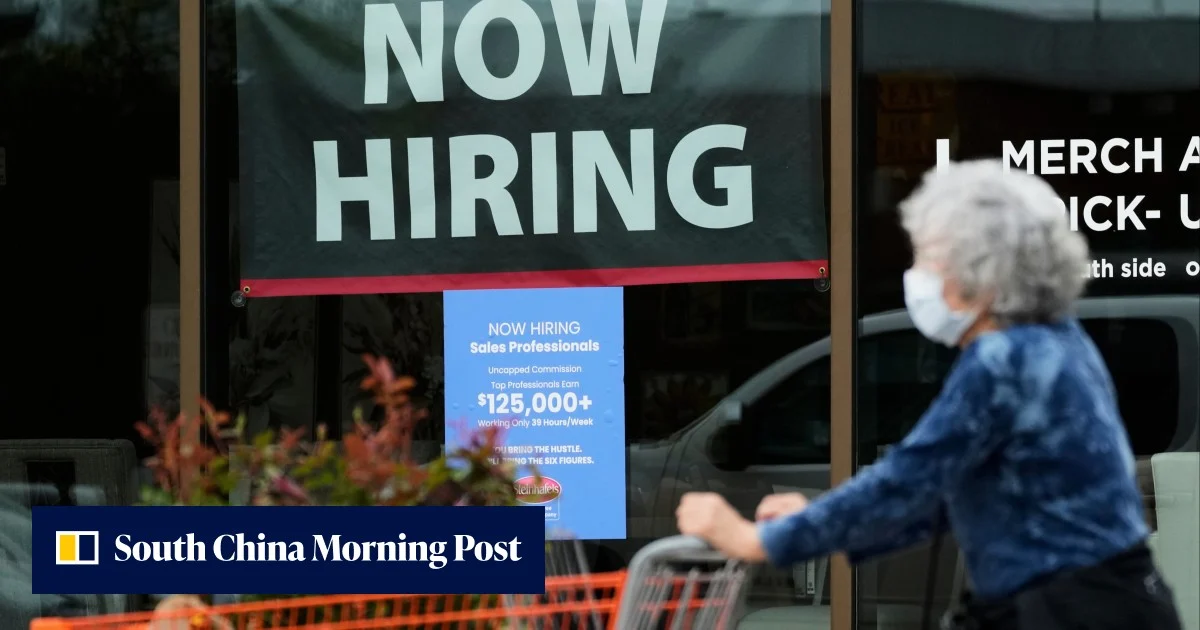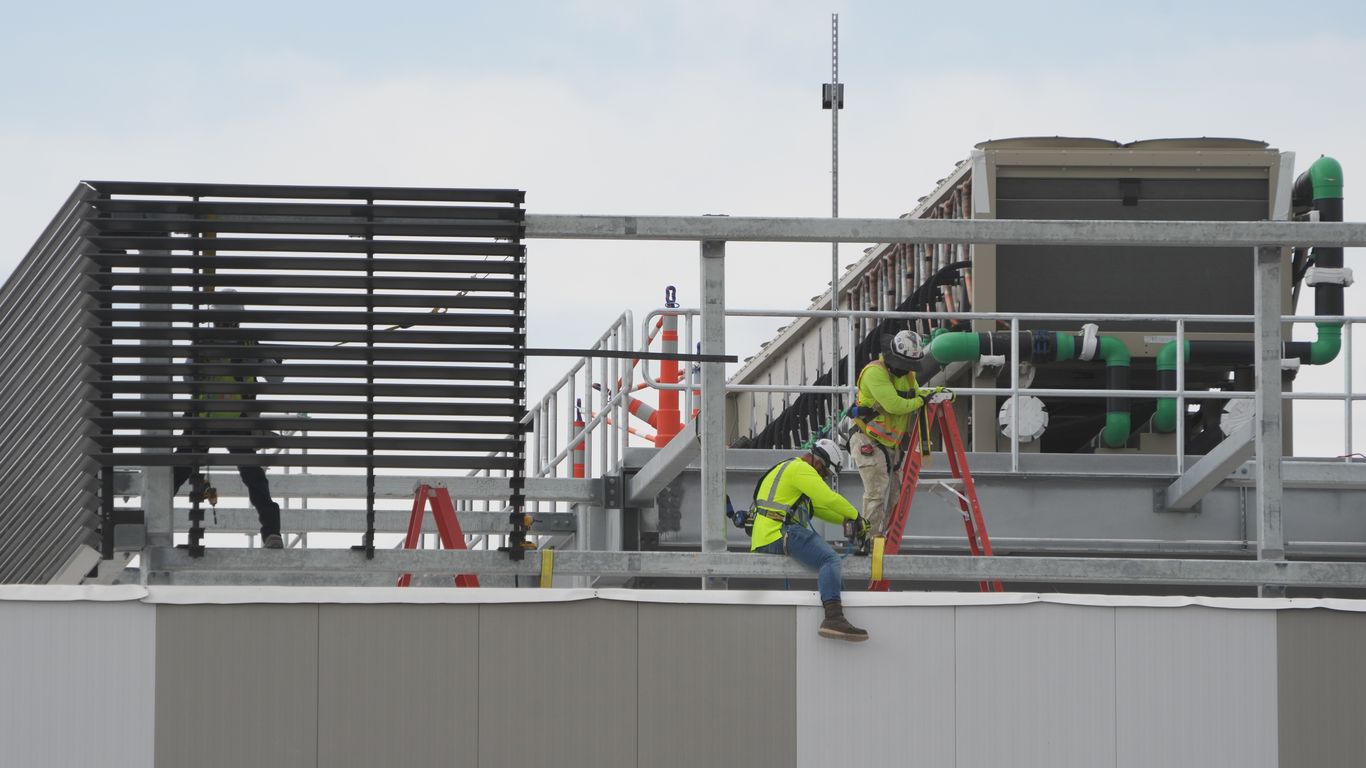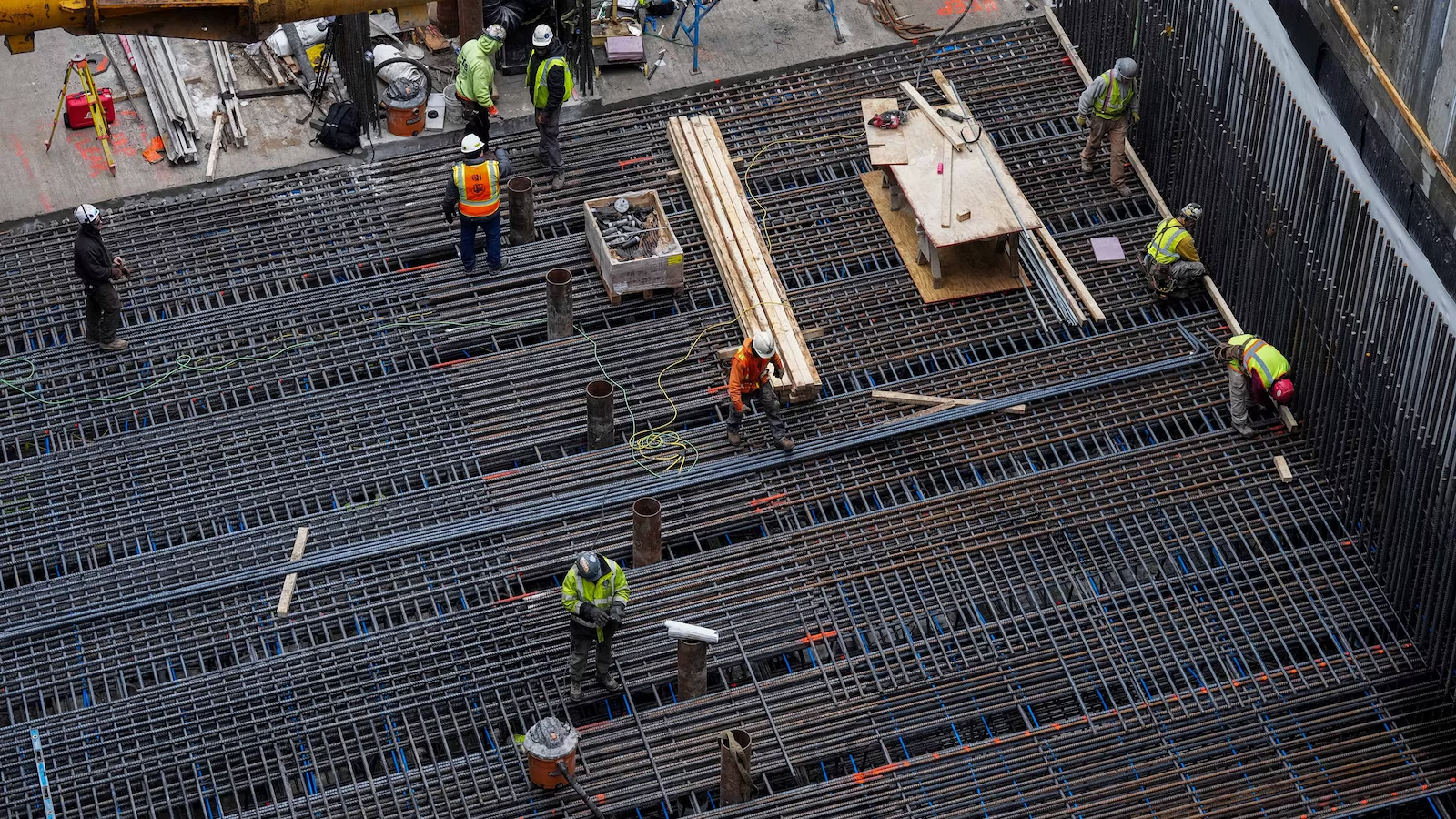
Washington — The US labour market bounced back in August as employers added a surprising 162,000 jobs, ending a summer of lacklustre hiring with a bang.The unemployment rate remained at a low 4.1%.Hiring far exceeded the 65,000 jobs that forecasters had expected, according to a poll by FactSet. Labour department revisions also looked good, adding 55,000 to June and July payrolls. Employers created 21,000 jobs in July; the labour department had originally reported that they’d cut 23,000.Two months before the midterm elections, US President Donald Trump welcomed the strong hiring report Friday. “Great jobs number just announced, breaking all estimates (except mine!) by double and triple — and you haven’t seen anything yet!” Trump wrote in a social media post.But inflation has dominated conversations this year in business and households. Voters are increasingly frustrated by higher costs, particularly fuel prices that have hit record levels since the U.S. and Israel attacked Iran in late February.Meagre pay raises have made rising prices more painful for many. Average hourly wages rose 3.1% last month from a year earlier, the weakest year-over-year increase since May 2021.Restaurants and bars added 59,000 jobs last month, construction companies 22,000 and manufacturers 16,000. Factory jobs are up by 58,000 since hitting a recent low in December, the department noted.The US labour force — the number of people working or looking for work — jumped by 683,000 last month after falling in June and July.Diane Swonk, chief economist at the tax and consulting firm KPMG, called the report “incredible. It’s a summer heatwave.”She noted that a broad measure of the unemployment rate, which includes people so discouraged they’ve given up looking for work and those working part-time because they can’t find the full-time jobs they want, dropped to 7.7%, the lowest in more than a year.So far this year, employers — companies, government agencies and nonprofits — have added an average of more than 80,000 jobs a month. That is up from a dismal monthly average of 9,700 last year.But job creation remains well below the 166,000 monthly jobs that were the norm in 2023 and 2024, let alone the 491,000 a month recorded during the 2021-2022 hiring boom that followed pandemic lockdowns.Hiring has bounced around this year. From May through July, employers added a lacklustre average of 38,000 jobs a month. Then came the burst of new jobs in August, which left some economists sceptical. “The rebound in hiring this month is encouraging,” wrote Thomas Simons, chief US economist at the investment bank Jefferies, “but we suspect that it’s more of a payback from weakness over the prior three months rather than a sign of significant acceleration.”Friday’s report may increase the likelihood that the Federal Reserve will raise its key short-term interest rate when it next meets September 15-16. Solid hiring sends a signal that current borrowing costs are not necessarily high enough to restrain the economy and cool inflation.Fed chair Kevin Warsh said last week that inflation, at 3.7% according to the Fed’s preferred measure, remains too far above the central bank’s 2% target and added that without further progress, the Fed would have “work to do”.With hiring seemingly healthy, the Fed’s focus will shift to a critical inflation report due next week. On Thursday, Fed governor Christopher Waller said he is leaning towards keeping the Fed’s rate unchanged, but would support a hike if inflation comes in high.US employers are contending with a shortage of workers — the result of Trump’s immigration crackdown and the retirement of baby boomers.Instead of looking to hire from a diminished pool of available workers, “businesses are increasingly focused on boosting efficiency through technology and AI and increasingly seek to do more with their existing workforce”, EY-Parthenon economists Gregory Daco and Lydia Boussour wrote in a commentary this week.The information industry, which includes employers in telecommunications and data processing, lost 23,000 jobs last month and is down 97,000 since the start of 2026, a decline that has arrived as artificial intelligence does work that was once handled by people.Trevor Freel, a senior recruiter at the American Medical Association, said that AI appears to be replacing people in customer service and software development. He asked one job candidate in customer service why he was looking for a new job. The answer: “Well, I got replaced by a robot.”
US jobs bounce back with 162,000 added in August as hiring crushes expectations
The strong August jobs data raises chances the Federal Reserve will hike interest rate in September
717 words~3 min read