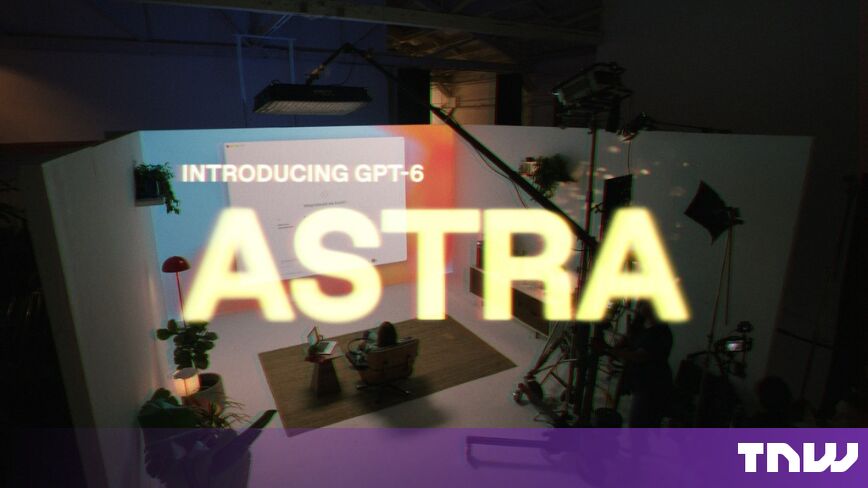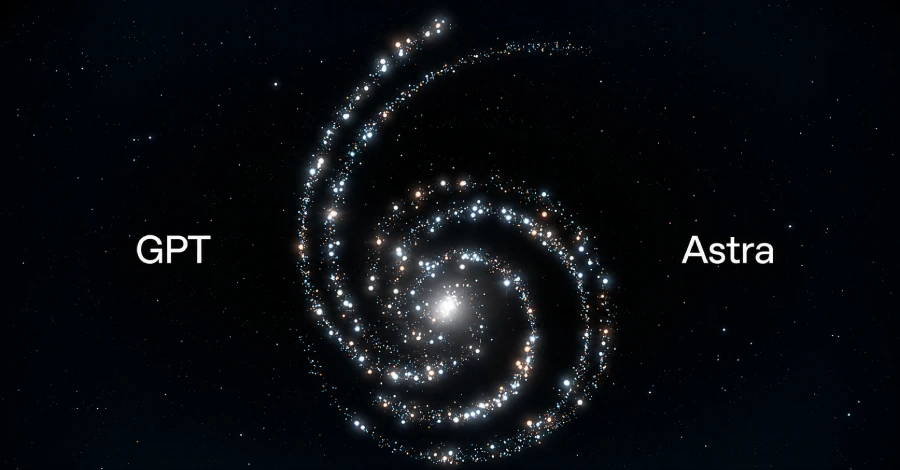
OpenAI's new model, GPT-6 Astra, produces fewer hallucinations and blocks prompt injection attacks more effectively than its predecessors. But it still isn't reliable enough for truly secure AI agent deployments.
The new Astra model makes far fewer factual errors than its predecessor, GPT-5.6 Sol, according to OpenAI's system card. OpenAI tested it against ChatGPT conversations that users had flagged for wrong answers, meaning these were particularly error-prone cases whose failure rates shouldn't be taken as typical for everyday use. Astra reproduced these reported errors much less often, with the biggest gains showing up at low latency settings and lower reasoning levels.
GPT-6 Astra (pink) hallucinates less than the GPT-5 models across all latency settings. | Image: OpenAI
For direct prompt injections, where users try to manipulate the model through their own prompts, Astra hits a near-perfect 99.99 percent defense rate. OpenAI credits its GPT-Red method for this, which uses an automated attacker to harden the model during training.
Jailbreak resistance looks similar. Against a fixed dataset of known attacks trying to extract harmful responses about biology, violence, and cybersecurity, Astra refuses to help in 91.5 to 98.3 percent of cases.