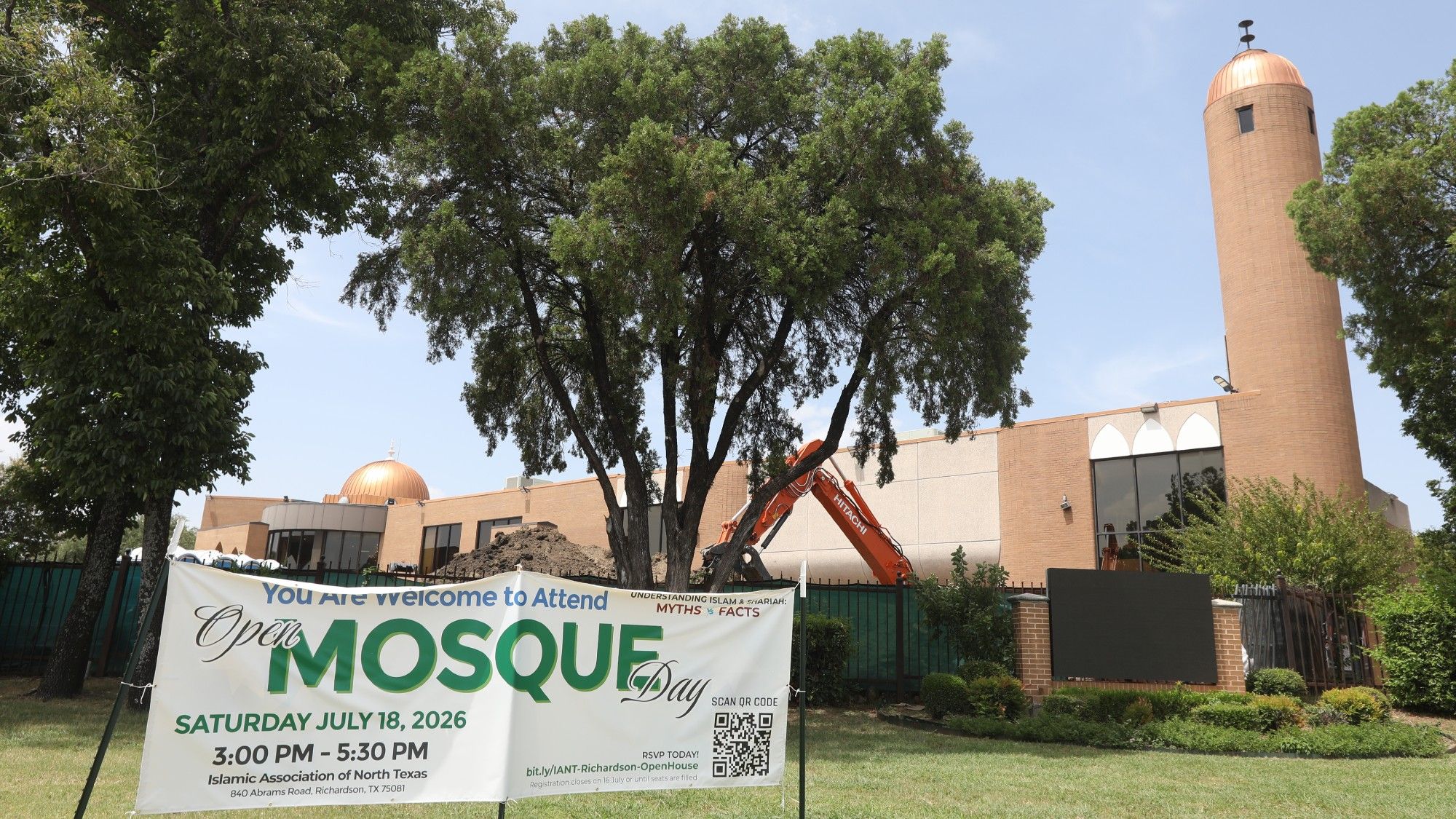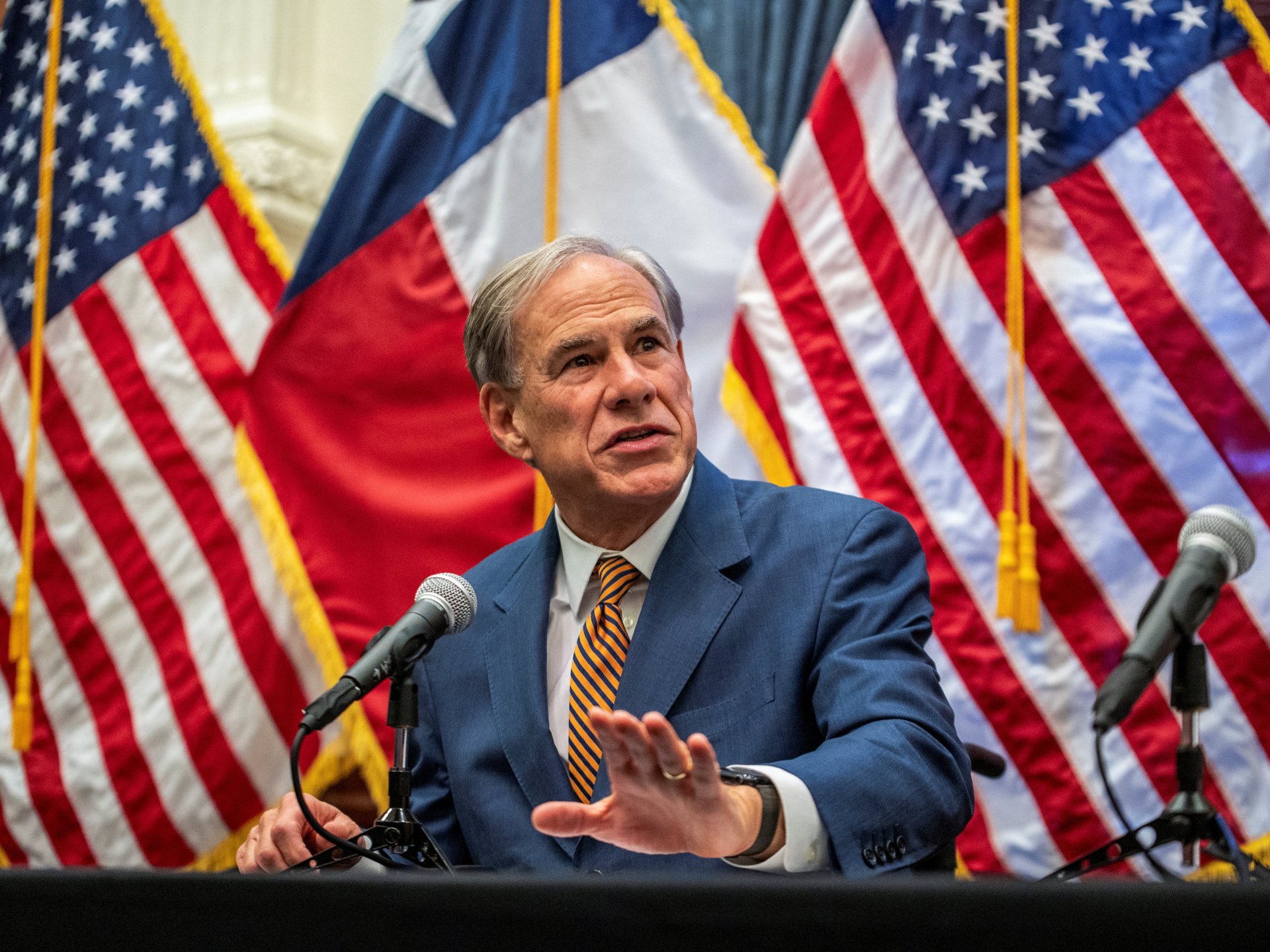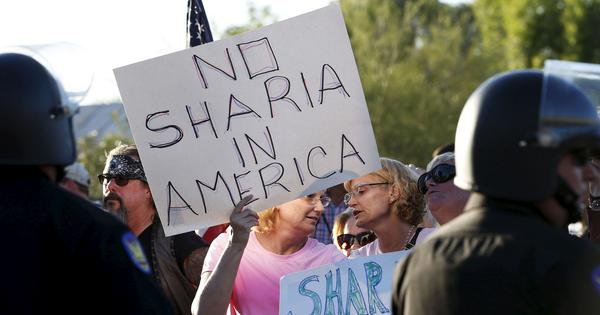
Elected officials across Texas are increasingly treating ordinary Muslim religious practice – prayer, dress, marriage counseling, even mosques themselves – as evidence of a political threat and saying so openly.“I won’t rest until every Muslim is gone,” Bo French, the Republican nominee for Texas railroad commissioner, wrote on social media in June. Since late 2025, Texas officials have investigated plans for a Muslim-friendly housing development outside Dallas, as well as a small Dallas organisation that offers religious divorce counseling. Governor Greg Abbott also designated the Council on American-Islamic Relations, the country’s largest Muslim civil rights group, a foreign terrorist organisation under Texas law.In May 2026 Abbott threatened to pull $530,000 in state funding from Grand Prairie unless the city canceled a private Eid celebration at a water park. He also threatened to withhold funding from Dallas Fort Worth International Airport unless it dropped plans for ablution stations, the washing facilities Muslims use before prayer.State Representative Alan Schoolcraft, a Republican helping lead the “Sharia Free Texas Caucus”, has framed the distinction explicitly. He told the Houston Chronicle that his concern “has nothing to do with faith, with religion,” but rather with “cultural differences, refusing to assimilate, and trying to establish a parallel culture.”He has also said lawmakers intend to try to define what qualifies as a religion, arguing that Islam is “much more than a religion.” He has not explained where the line between Islam as religion and Islam as culture or politics would fall, or which Muslim practices would lose the protections ordinarily afforded to religious exercise.That effort arrives as the country marks 25 years since the terrorist attacks of September 11, 2001. Suspicion of Islam in American politics predates that day, but 9/11 hardened it into something durable: an assumption that Muslims themselves are dangerous.I am a law professor who teaches constitutional law and the First Amendment, and my work focuses on religious liberty. My 2019 book, When Islam Is Not a Religion, examined this phenomenon years ago: Many American politicians recast ordinary Muslim religious practices as political or threatening.Rival legal systemOne common target is sharia, which critics often describe as a competing legal system poised to displace American law. In reality, sharia is a broad set of religious and ethical principles, not a fixed legal code. As law professor Asifa Quraishi-Landes has explained, Muslims distinguish sharia itself, God’s way, from “fiqh”, the human interpretation of that way into specific rules. Observant Muslims can disagree about what sharia requires, the way Christians differ over what their faith requires day to day, or Orthodox Jews over what keeping kosher demands in a given kitchen.Texas politicians, however, portray sharia as a threat to American law. That suspicion has now produced official action against the Islamic Tribunal, a Dallas-based organisation that offers religious arbitration, a process where parties voluntarily agree to submit disputes to a religious panel, the way any two businesses might agree to skip court and use a private arbitrator instead. Much of the tribunal’s caseload is Muslim women seeking religious divorces, including from abusive marriages. American courts encounter this kind of religious arrangement constantly, and not only from Muslims.The Beth Din of America, a rabbinical court in New York City, arbitrates disputes for observant Jews under Jewish law. The Montana-based Institute for Christian Conciliation provides a Christian counterpart, offering biblical mediation and arbitration in disputes ranging from church and employment conflicts to business contracts.In each instance, once parties have agreed to arbitrate, a court may confirm and enforce the resulting arbitration award, subject to limited grounds for setting it aside. Texas law allows courts to reject an arbitration award when, for example, the process substantially prejudiced a party’s rights, involved fraud or arbitrator misconduct, or exceeded the arbitrator’s authority. None of these religious panels has the power to override American law.— Spencer Hakimian (@SpencerHakimian) November 20, 2025
In Texas, politicians are treating everyday Muslim practices as a threat
Some claim that Islam doesn’t really count as a religion and that it is actually a political ideology bent on ‘world domination’.
1,470 words~7 min read