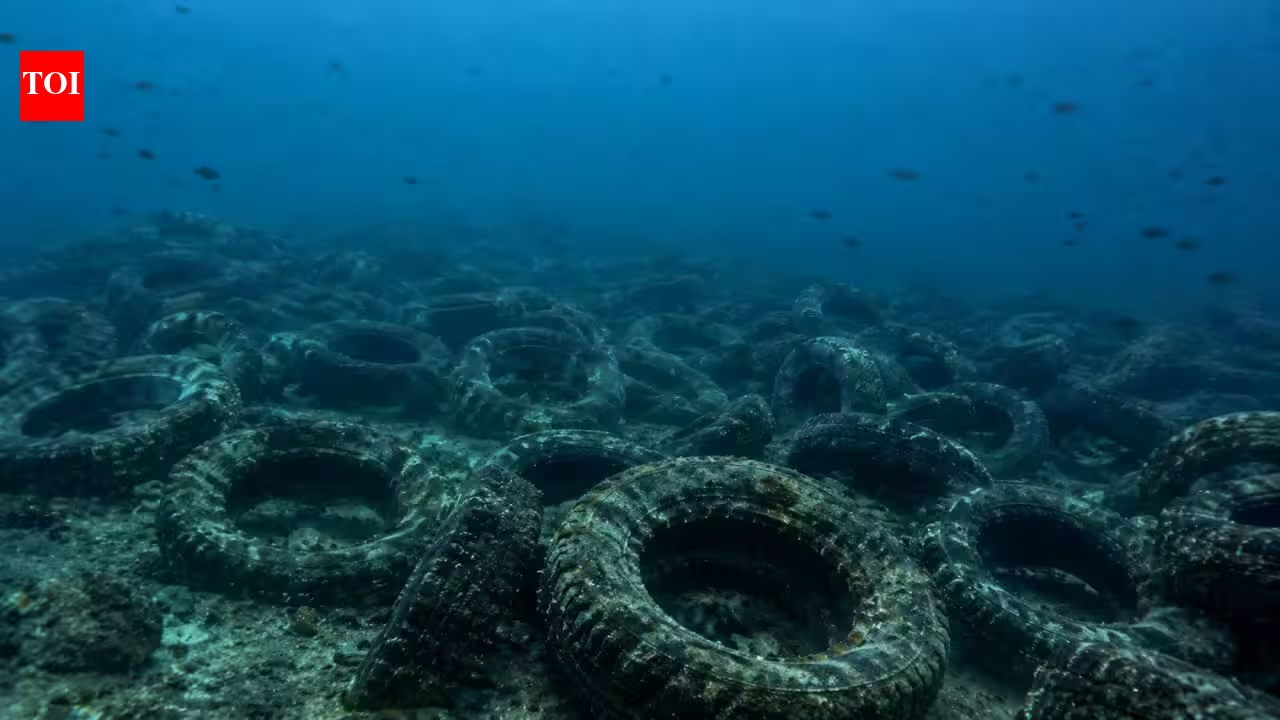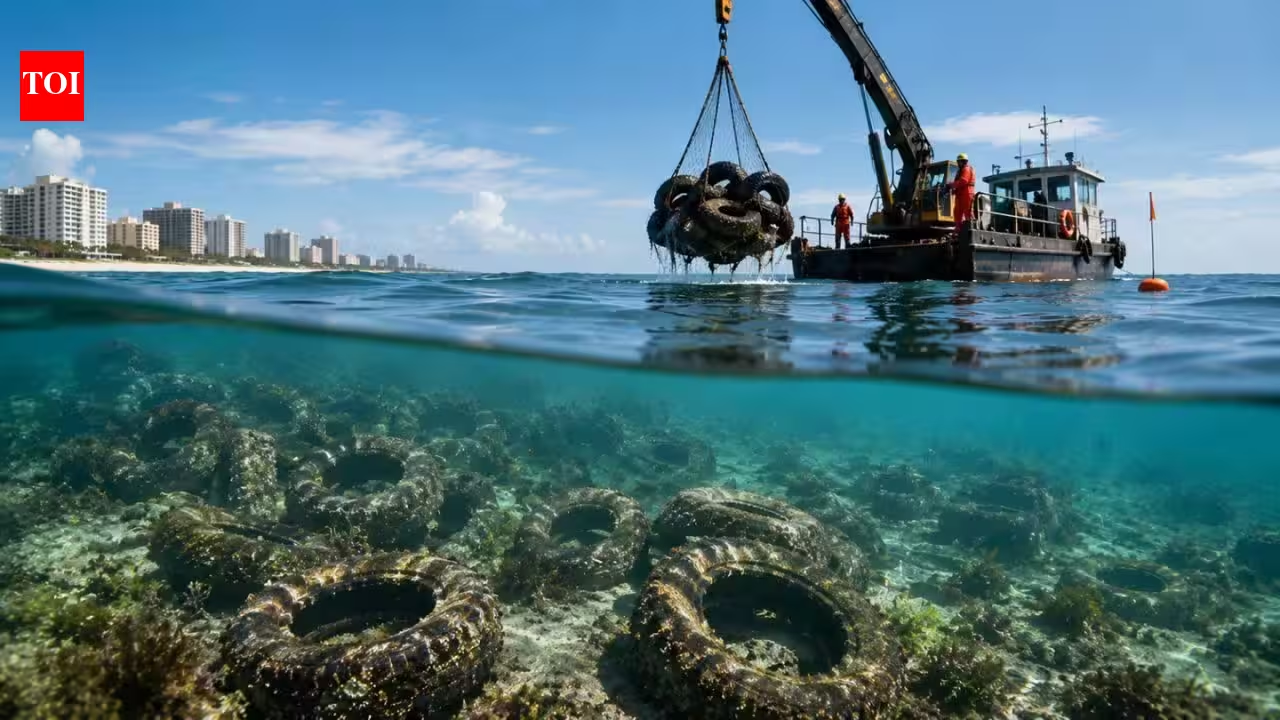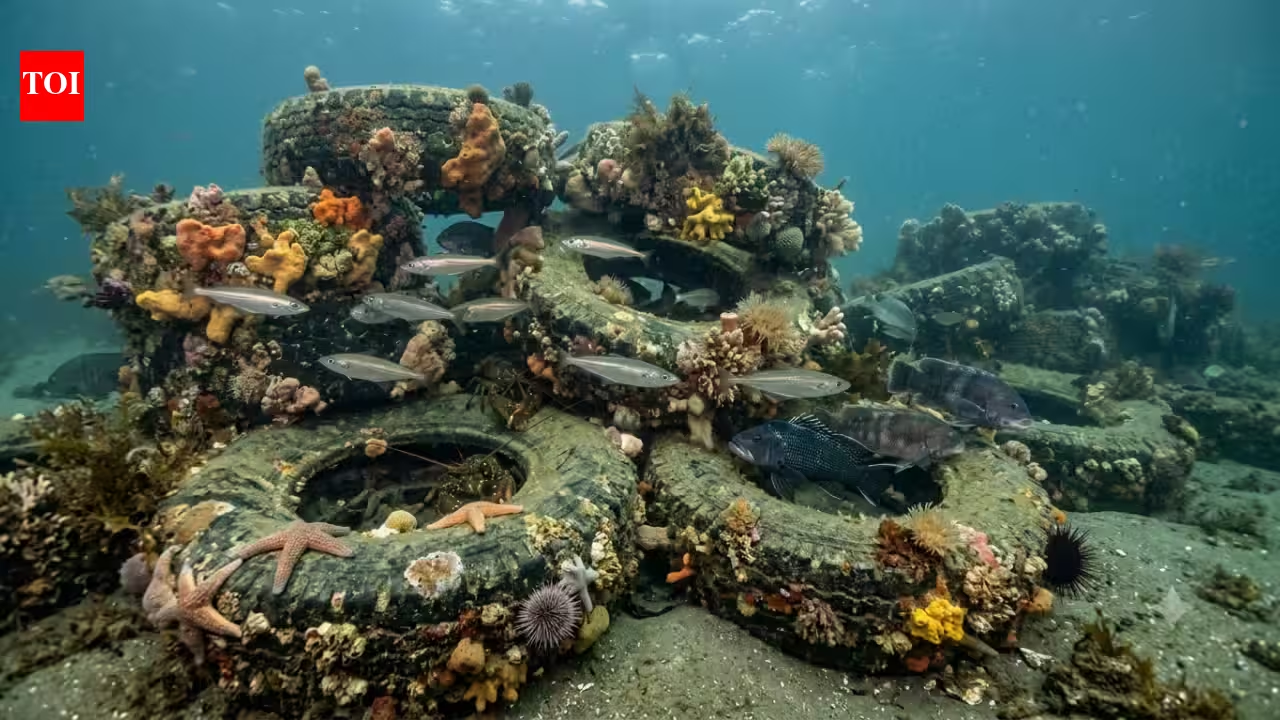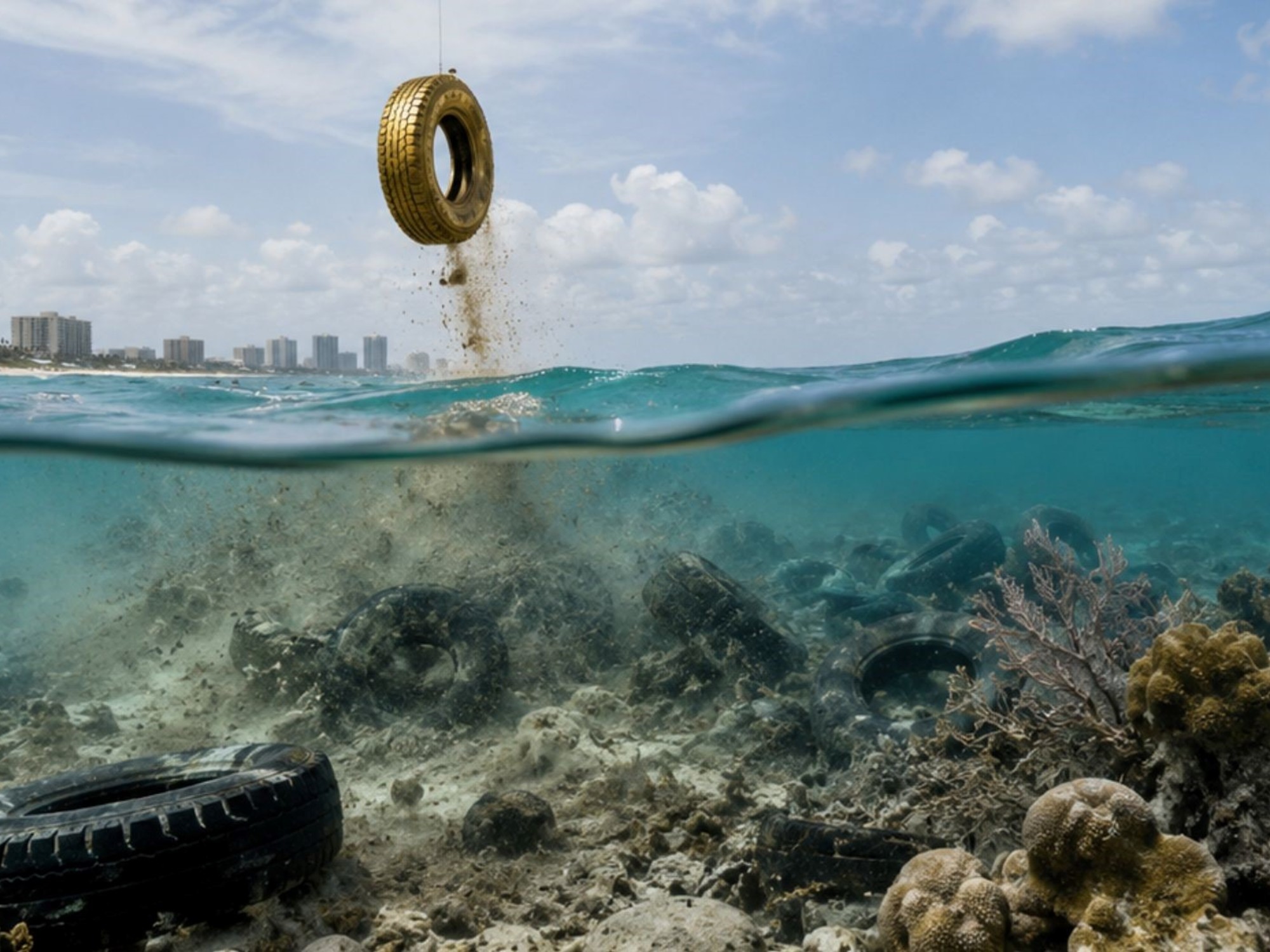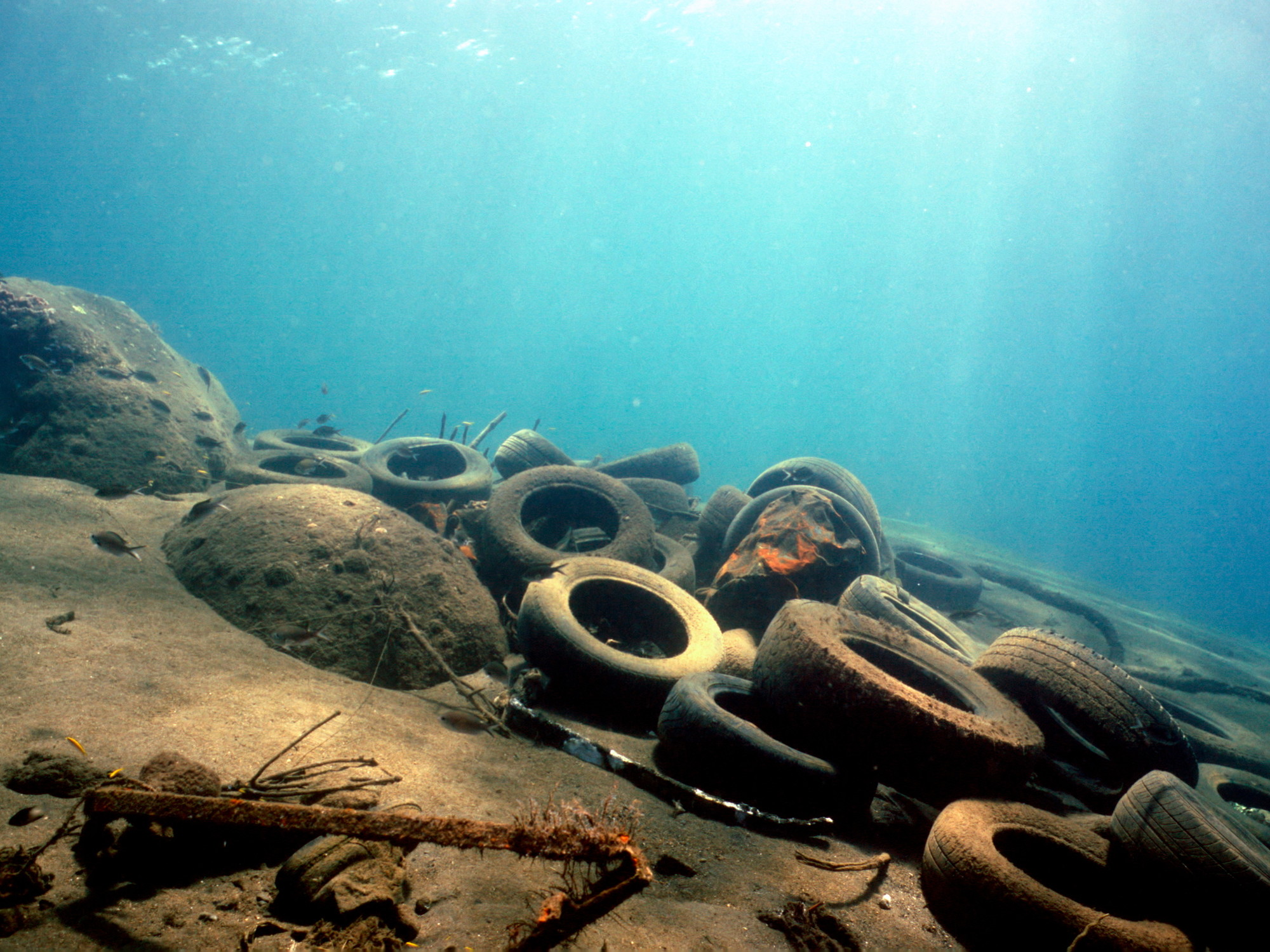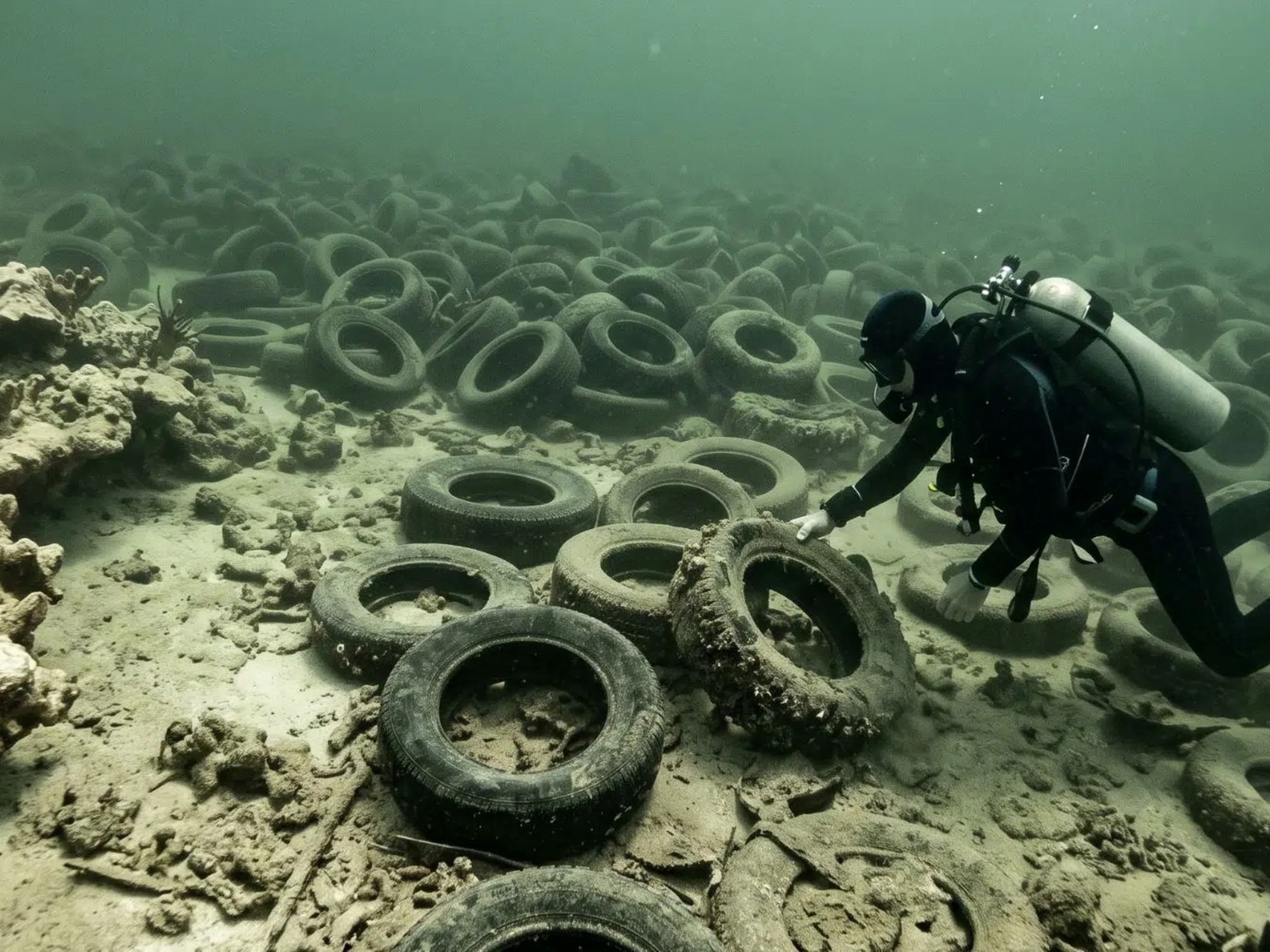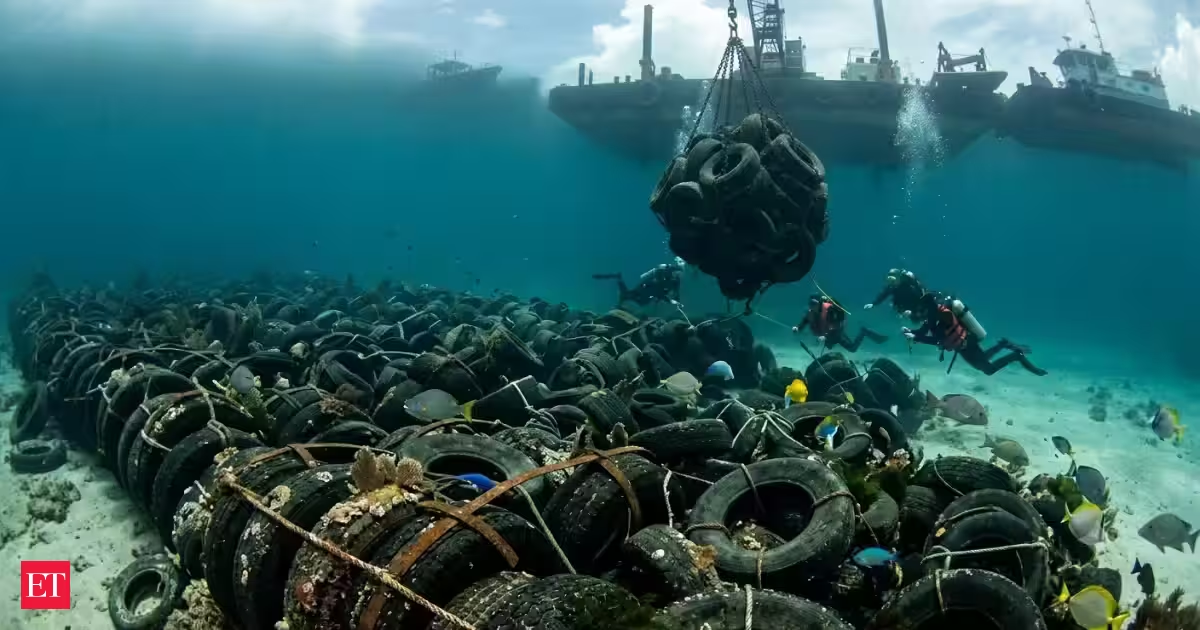
In 1972, a project intended to create the world's largest man-made reef took an unusual approach: about two million old tires were dumped into the Atlantic Ocean off Florida. The idea was to give marine life a new place to grow and create an artificial reef.Instead, the experiment became an environmental problem that lasted for decades. The tires failed to develop into the thriving reef that planners had envisioned. Worse, many of them became loose and began moving across the ocean floor.They damaged nearby natural reefs and posed a threat to marine life, while some tires eventually washed up along Florida's coast. Decades later, the enormous cleanup operation required an equally unusual solution.ALSO READ: In 1995, NASA sent 30 fertilised Japanese quail eggs to the Mir space station for 16 daysThe reef that went wrongThe tire reef was created with good intentions. At the time, artificial reefs were being explored as a way to provide additional habitat for marine organisms while finding a use for discarded materials.But the tires did not remain securely in place. According to U.S. Army officials involved in the later cleanup, they began drifting and spreading beyond the intended reef area.By the time authorities turned their attention to the problem, hundreds of thousands of tires remained on the ocean floor, with some reaching existing reefs and shorelines. The scale of the problem meant that removing them was far more complicated than simply retrieving discarded tires from the water.ALSO READ: In 2011, NASA built a 50,000-square-foot California office that used 90% less drinking water and was designed to produce 20% more energy than it neededSoldiers were given an unusual environmental missionA team from the Army's 97th Transportation Company eventually became involved in the effort.Fifteen soldiers spent months conducting training operations before heading to the Fort Lauderdale area, where they worked alongside Army, Navy and Coast Guard divers.There was no established blueprint for removing such a massive artificial reef.ALSO READ: He built Hawell’s from one ice cream shop to 22 branches. Why is he selling the $6 million business after 27 years?"We reviewed those plans, told them what would work and what wouldn't," Chief Warrant Officer Shane Sherrad, vessel master of the LCU-2017 El Caney, said in the Army account. The crew tested three different approaches before settling on a method that could safely recover the tires.They damaged nearby natural reefs and posed a threat to marine life, while some tires eventually washed up along Florida's coast.Divers worked between two existing reefs and bundled roughly 50 to 60 tires at a time using steel cables. Lift bags brought the bundles to the surface, where they were towed to the Army landing craft.A crane then lifted the tires aboard the vessel and placed them into containers.The tires were not simply thrown awayThe cleanup was designed to give the discarded tires another use. After being collected, the tires were transported to a facility in Georgia, where they were intended to be burned for energy to help power a recycling plant."The whole mission was about recycle, recycle, recycle," Sherrad said.The military's involvement also dramatically reduced the projected cost of the cleanup. The Army account said the project could have cost about $20 million using civilian funds, while the military-led operation was estimated at roughly $2 million.The initial operation was only part of a much larger effort. Army vessels and divers were expected to return to Florida's coast during subsequent summers to continue removing the remaining tires.The unusual mission attracted attention from major media organizations, including CNN and Discovery, as well as newspapers and television stations.
In 1972, Florida dumped 2 million tires into the ocean to build the world’s largest man-made reef; decades later, the military had to remove them
In 1972, old tires were submerged as an artificial reef, but they didn't succeed in fostering marine life and instead became a daunting environmental issue for many years. Unusual orders sent soldiers on a mission to retrieve these rogue tires; they skillfully used cranes and bags to lift and transport them to Army landing vessels. The gathered tires were then incinerated to generate energy for a recycling plant.
594 words~3 min read