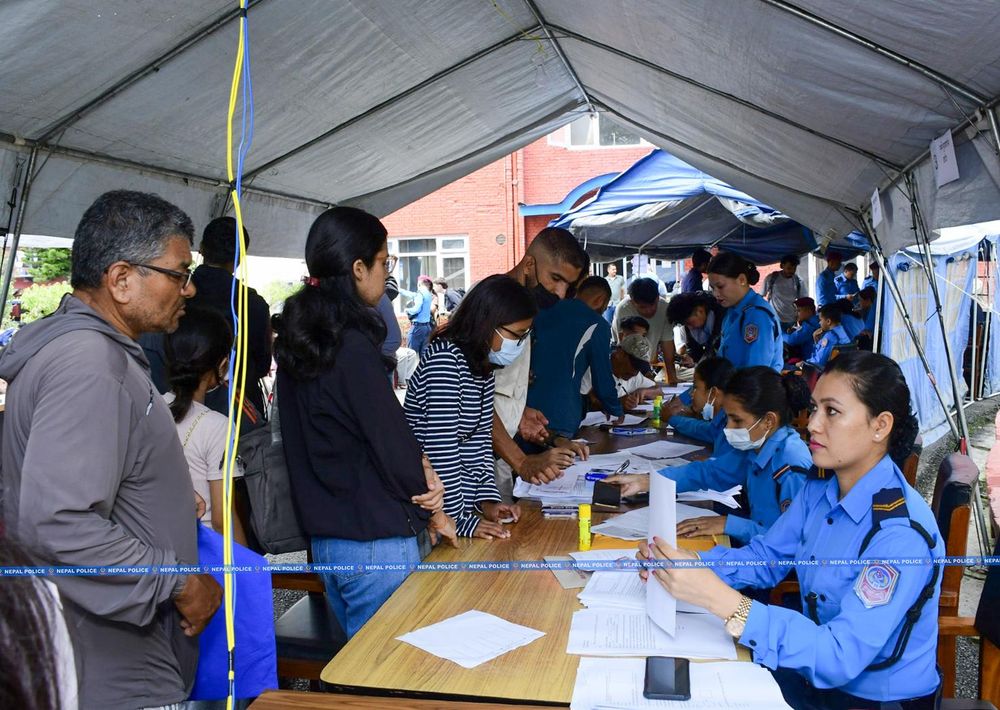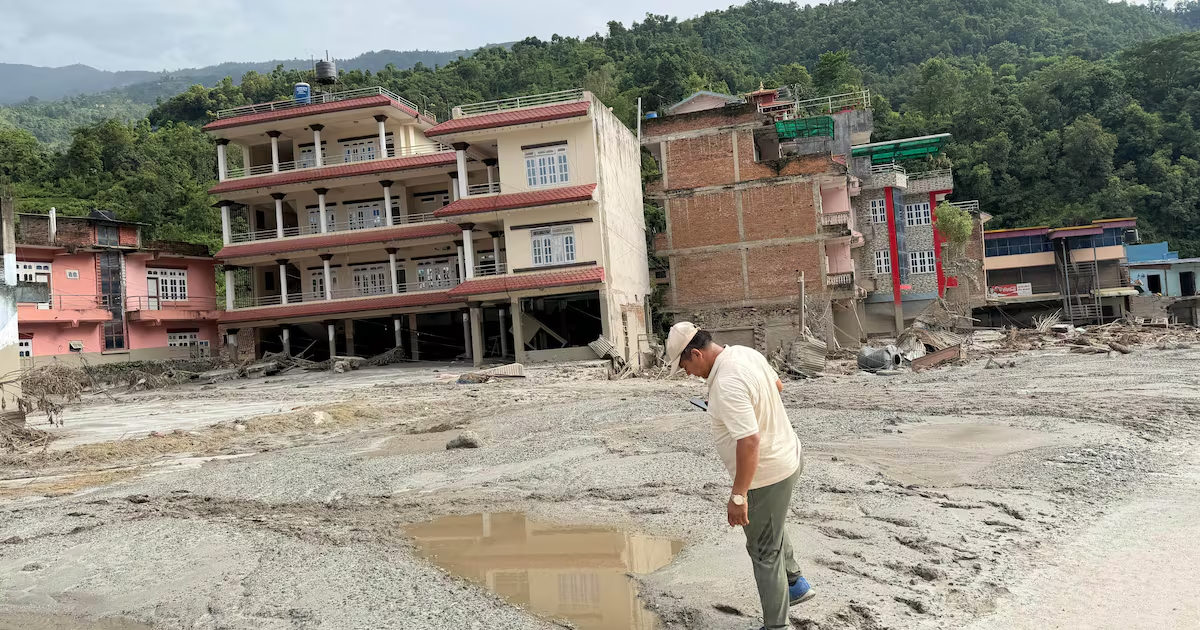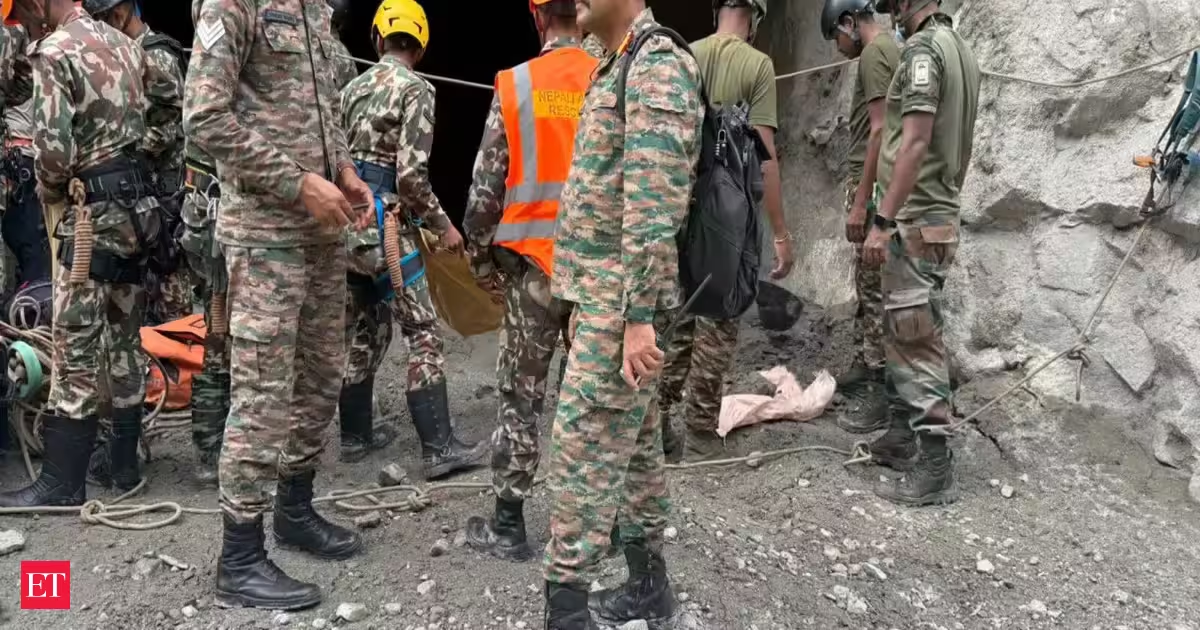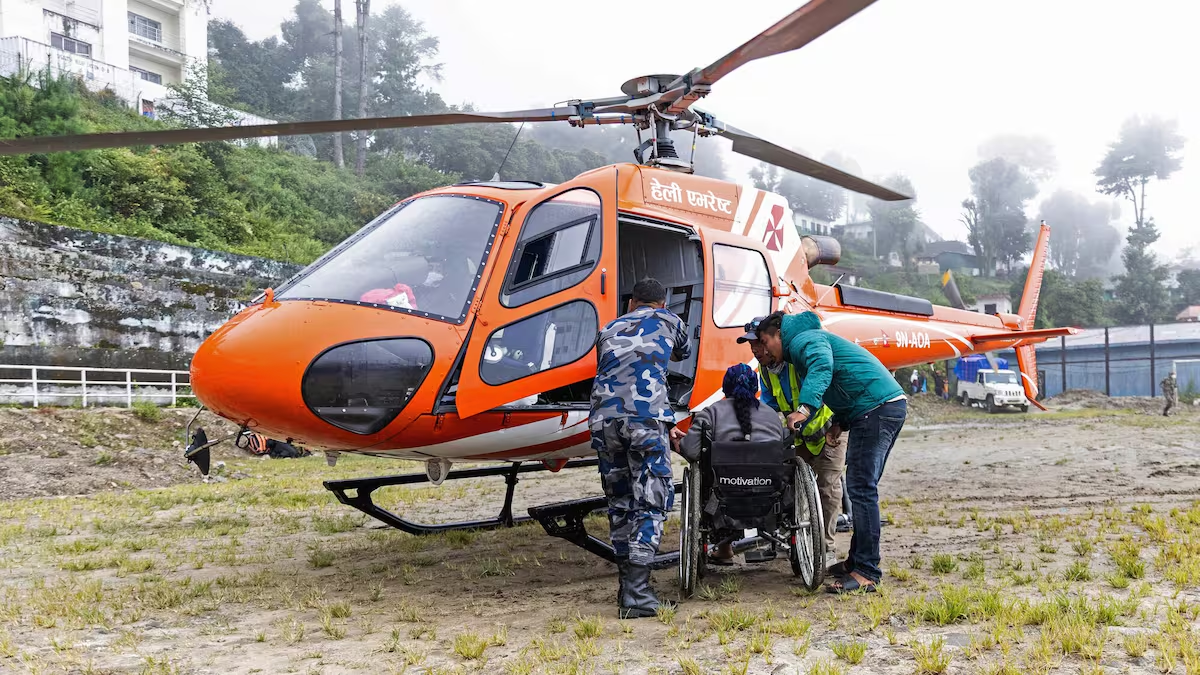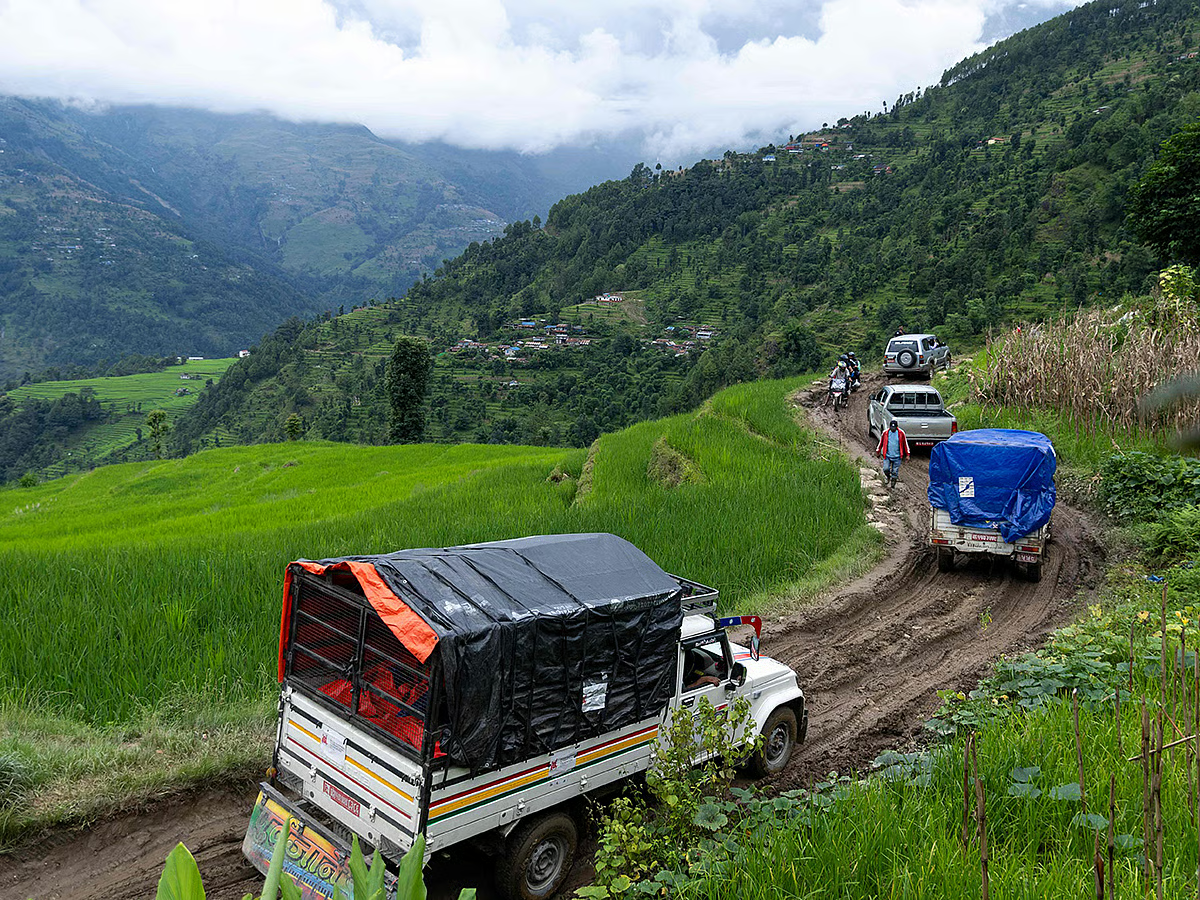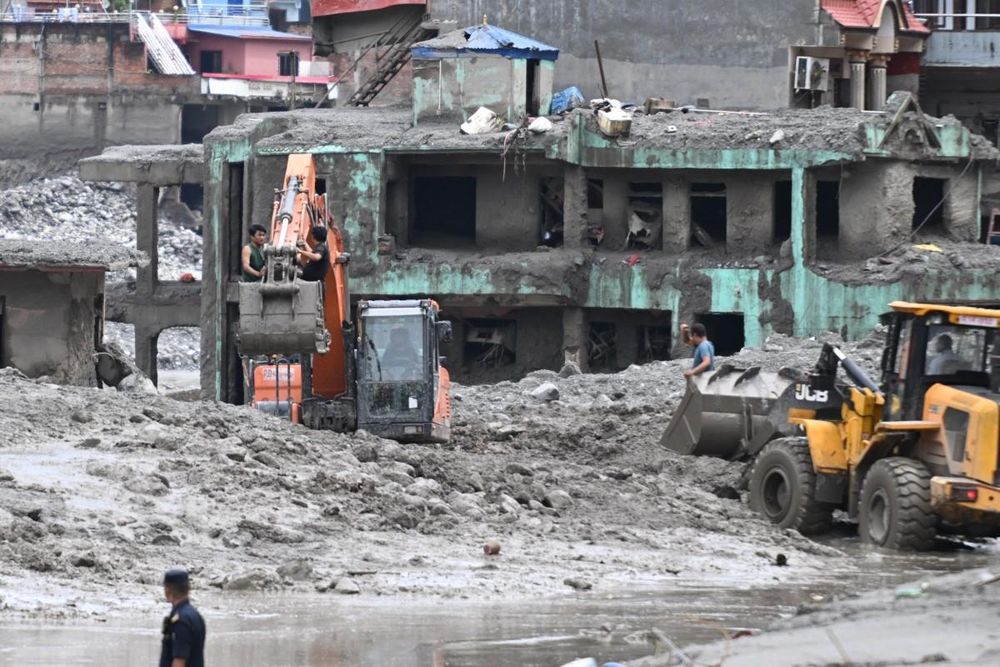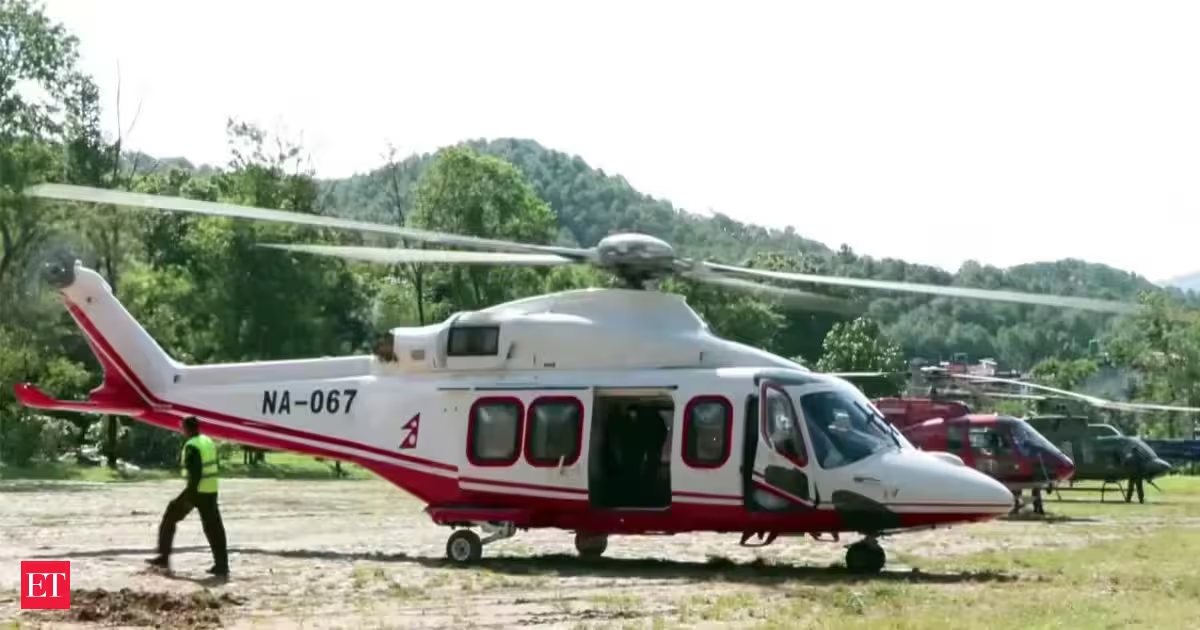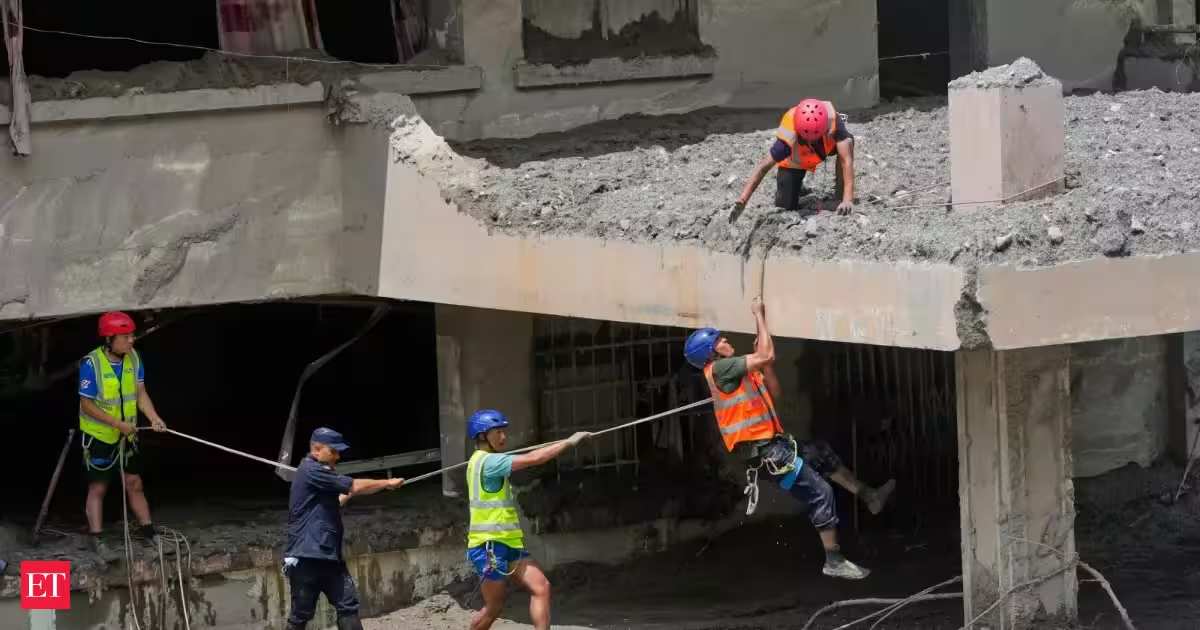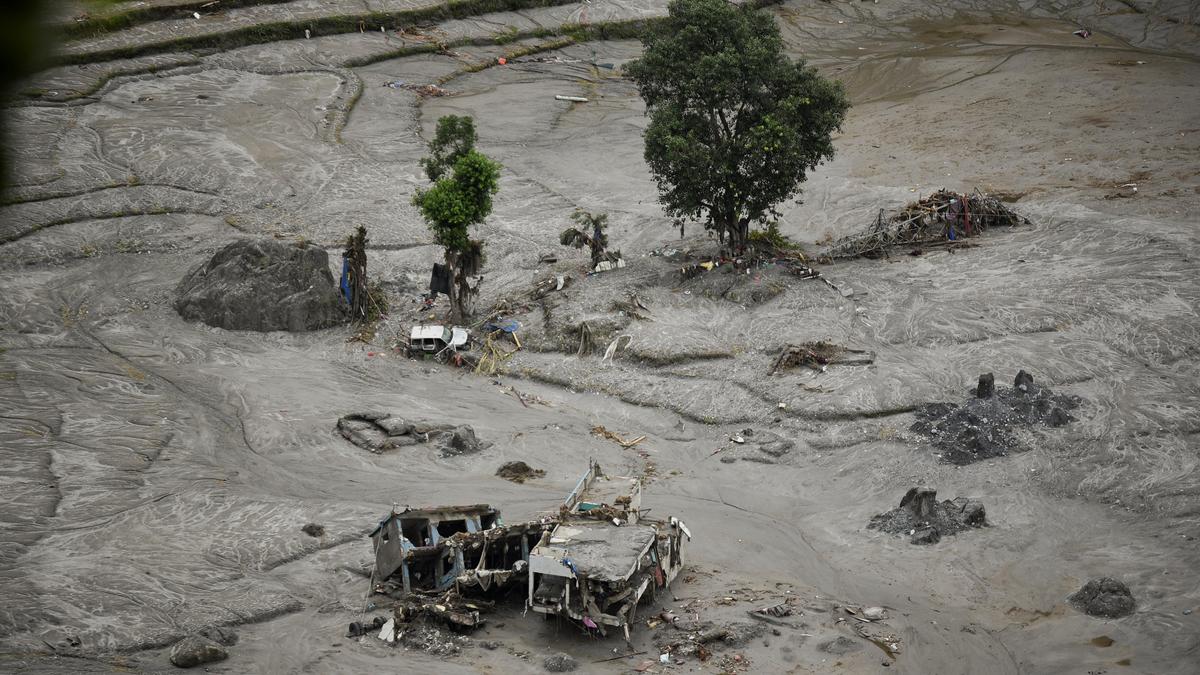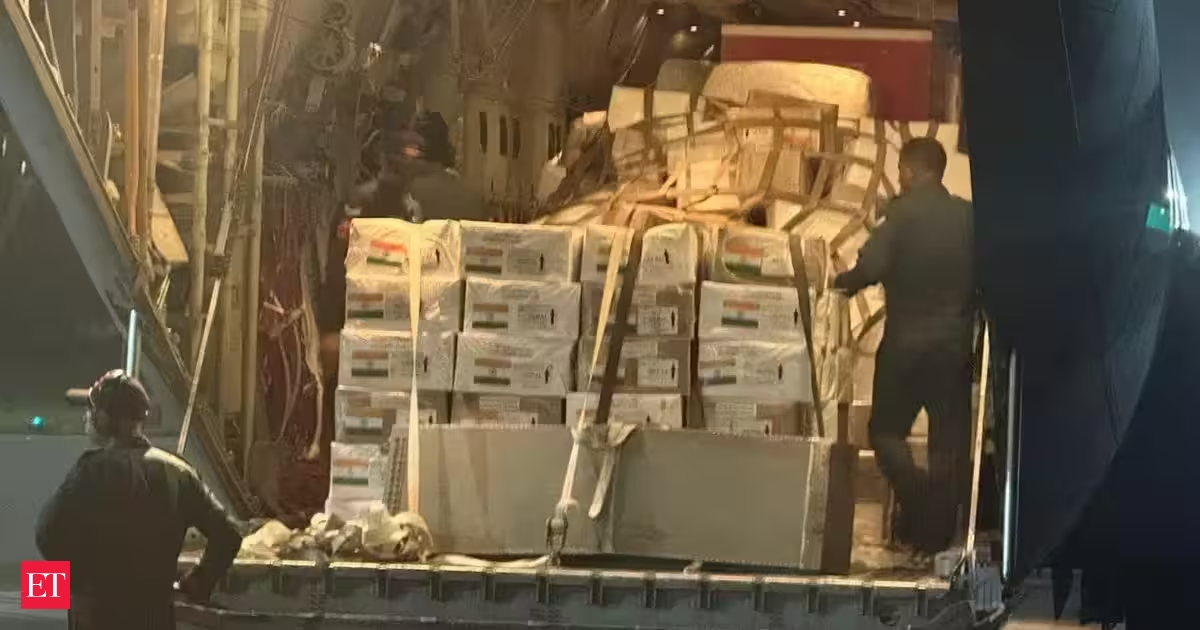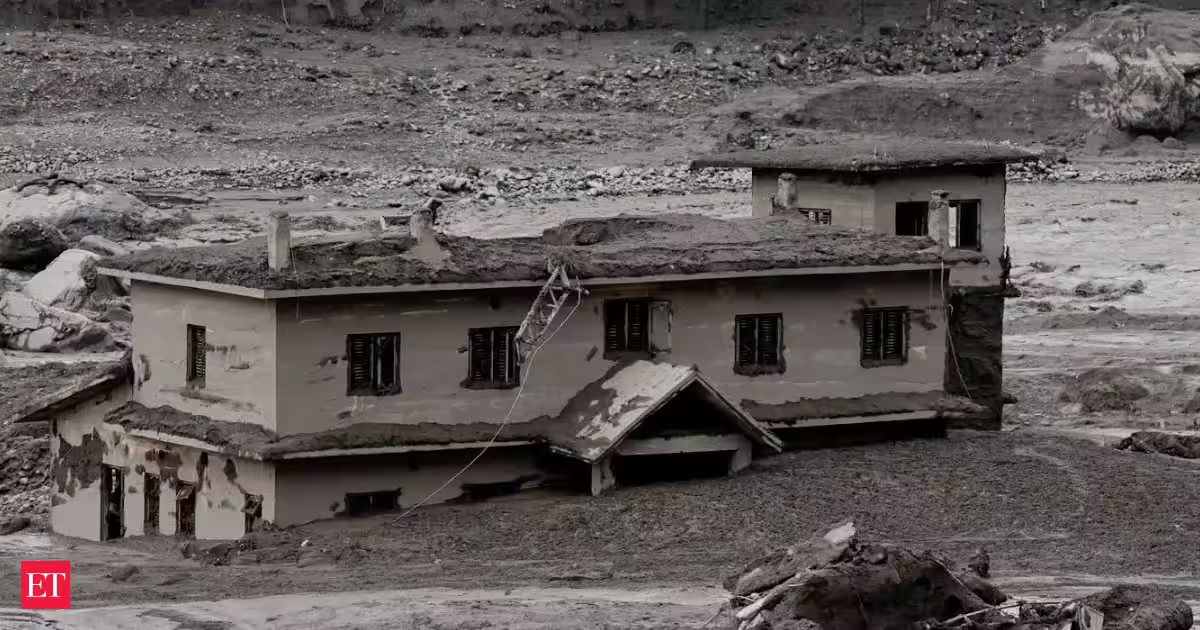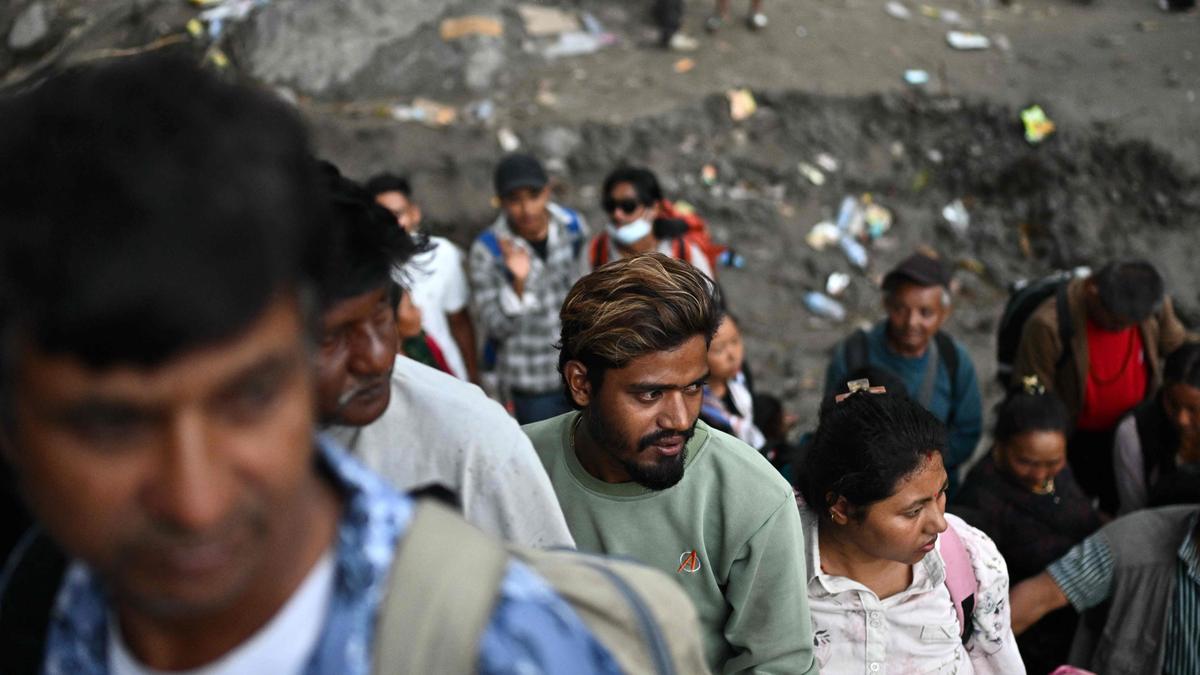
For nearly 20 members of a family in Trishuli, one room has become home after devastating floods destroyed homes, cut roads and left several families without basic amenities. A week on, Indian volunteers are travelling up to 10 hours through damaged mountain roads and bridges to take food, bedding and household essentials to such communities, while some areas of Rasuwa remain accessible only by helicopter.The relief effort is increasingly shifting from accessible flood-hit areas to isolated settlements, where families have lost homes, livestock, belongings and livelihoods, but the terrain and damaged infrastructure make reaching them difficult.“Almost a week after the floods, some of the more accessible areas are slowly seeing relief reach them, but our biggest concern now is reaching the families who have been most severely affected and remain isolated,” Manohar Naidu, a Khalsa Aid volunteer, told The Hindu from Nepal.In Trishuli, Tupche and other remote communities, volunteers have found several families living together with little shelter or basic household equipment. Some, they said, have effectively lost everything.Nepal flash floods: What caused the devastation?The volunteers also described mass burials being carried out as mortuaries run out of space, with forest land being cleared to accommodate bodies as the death toll rises and many remain unidentified.“Our immediate support is focused on essential relief such as food, clothing, bedding and basic household requirements. At the same time, we are assessing and documenting what each community will need for longer-term recovery,” Mr. Naidu said.
Nepal floods: Indian volunteers take relief to isolated communities
Indian volunteers brave treacherous terrain to deliver essential relief to isolated communities devastated by Nepal floods.
609 words~3 min read