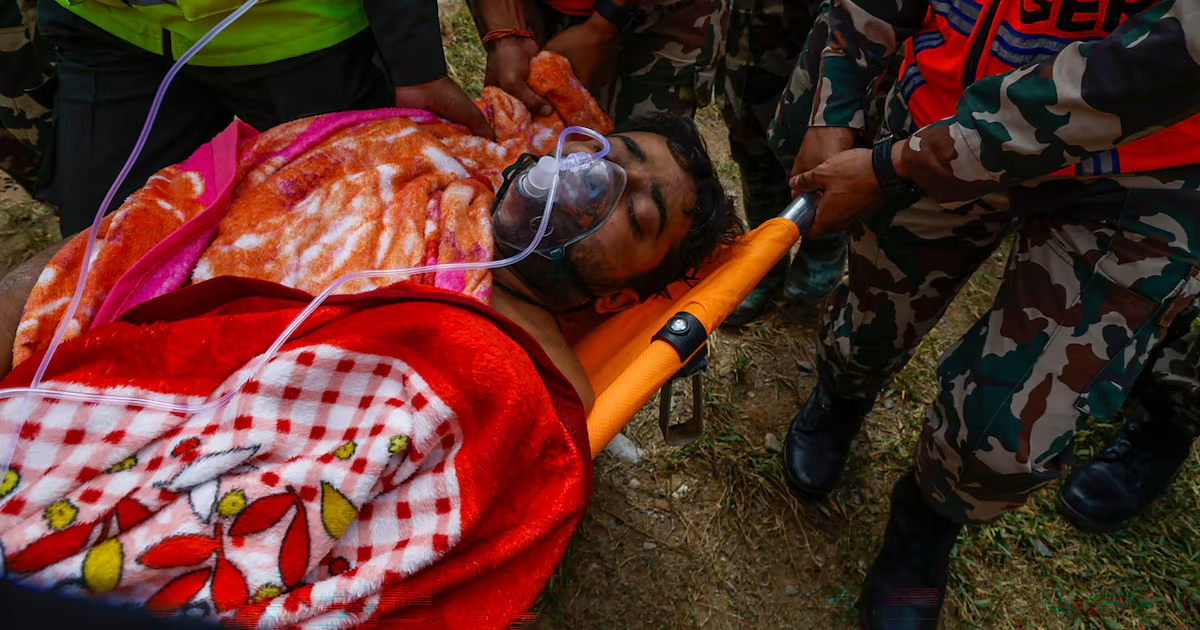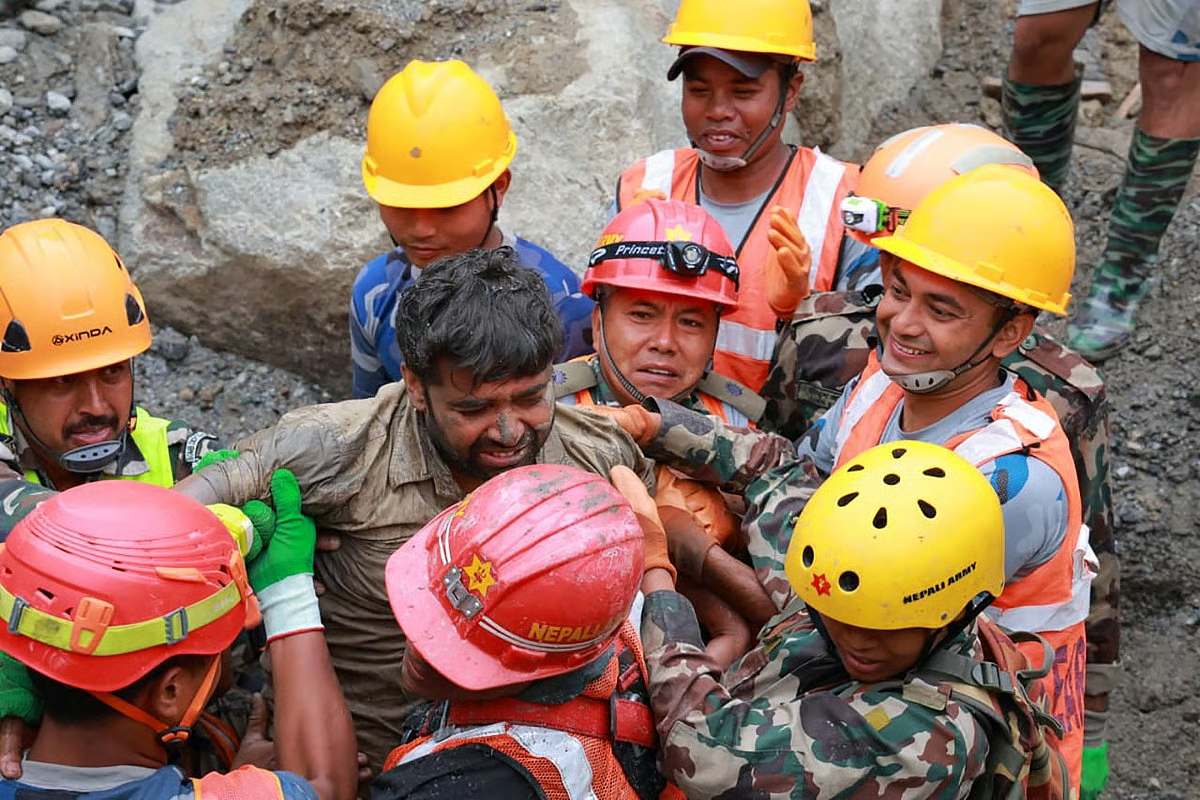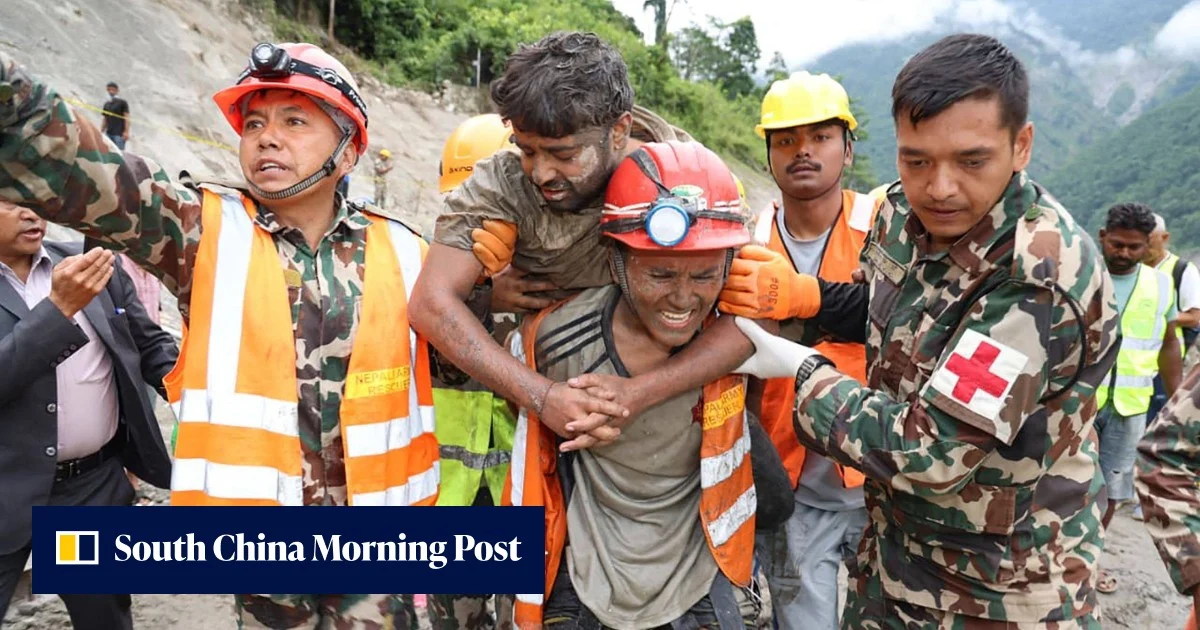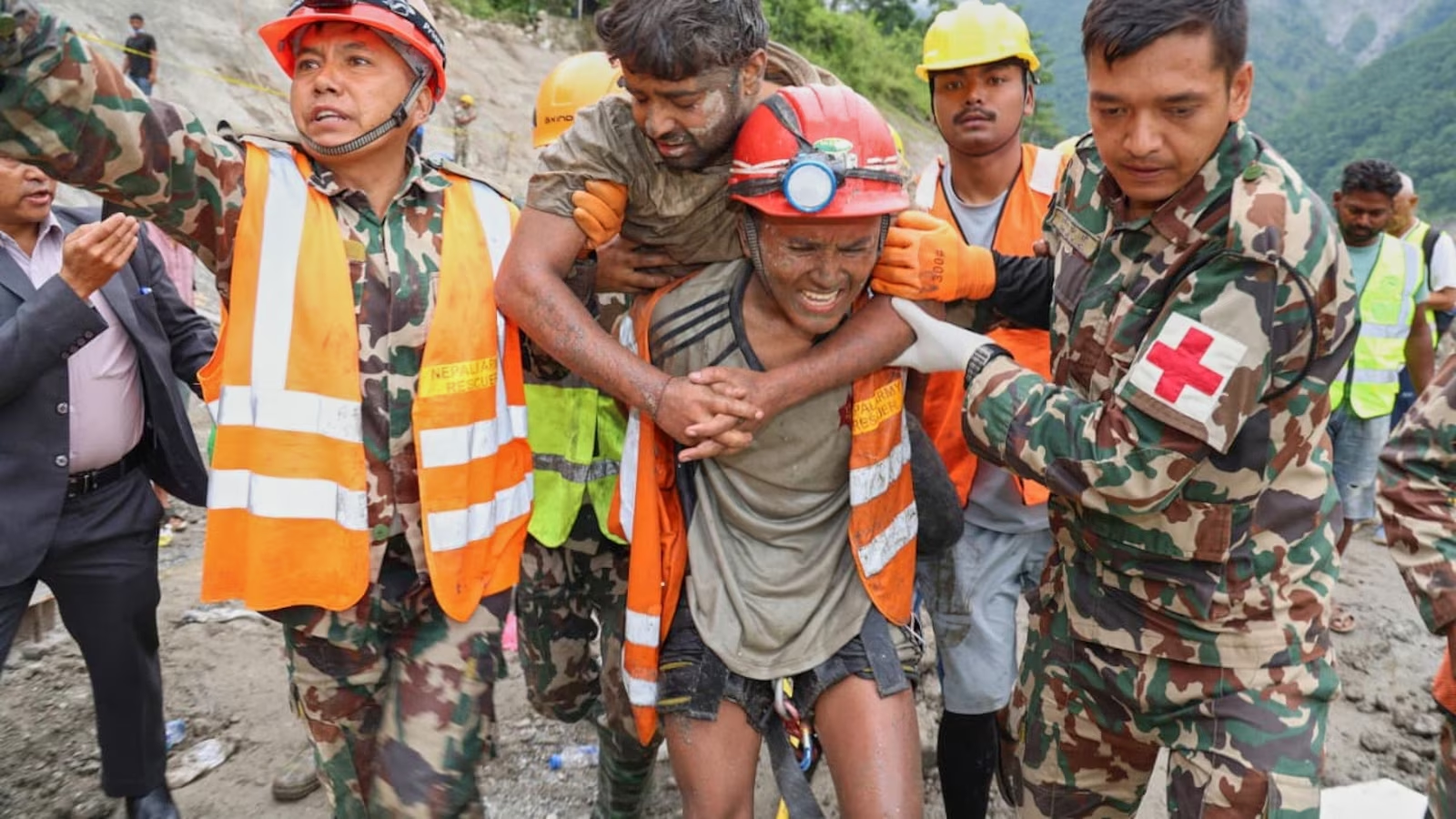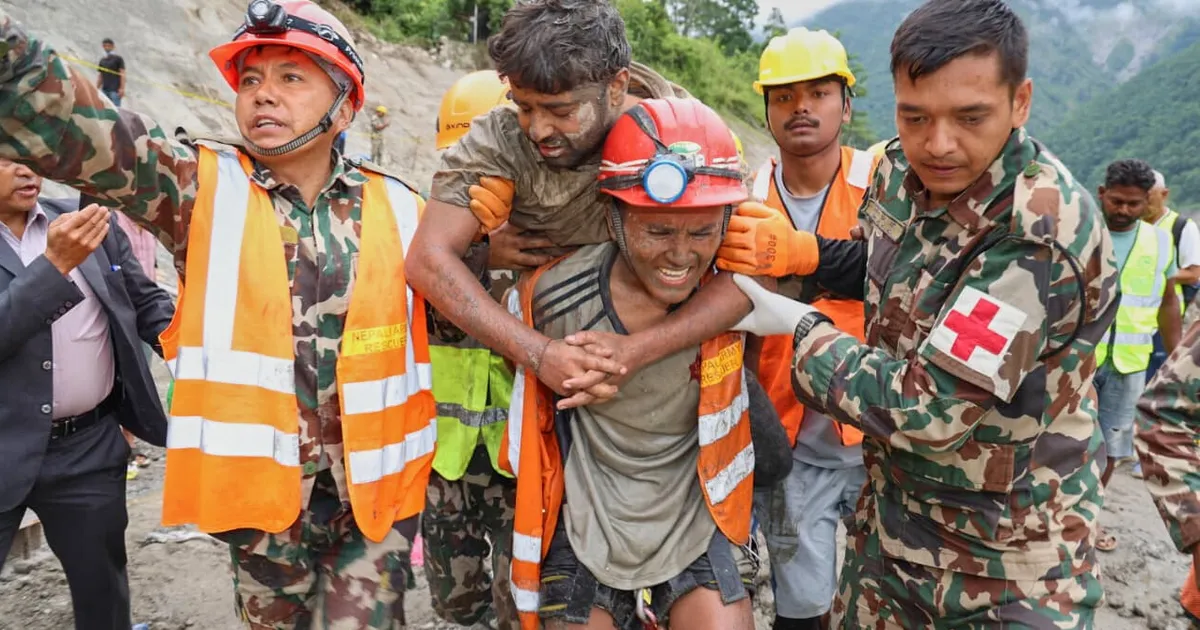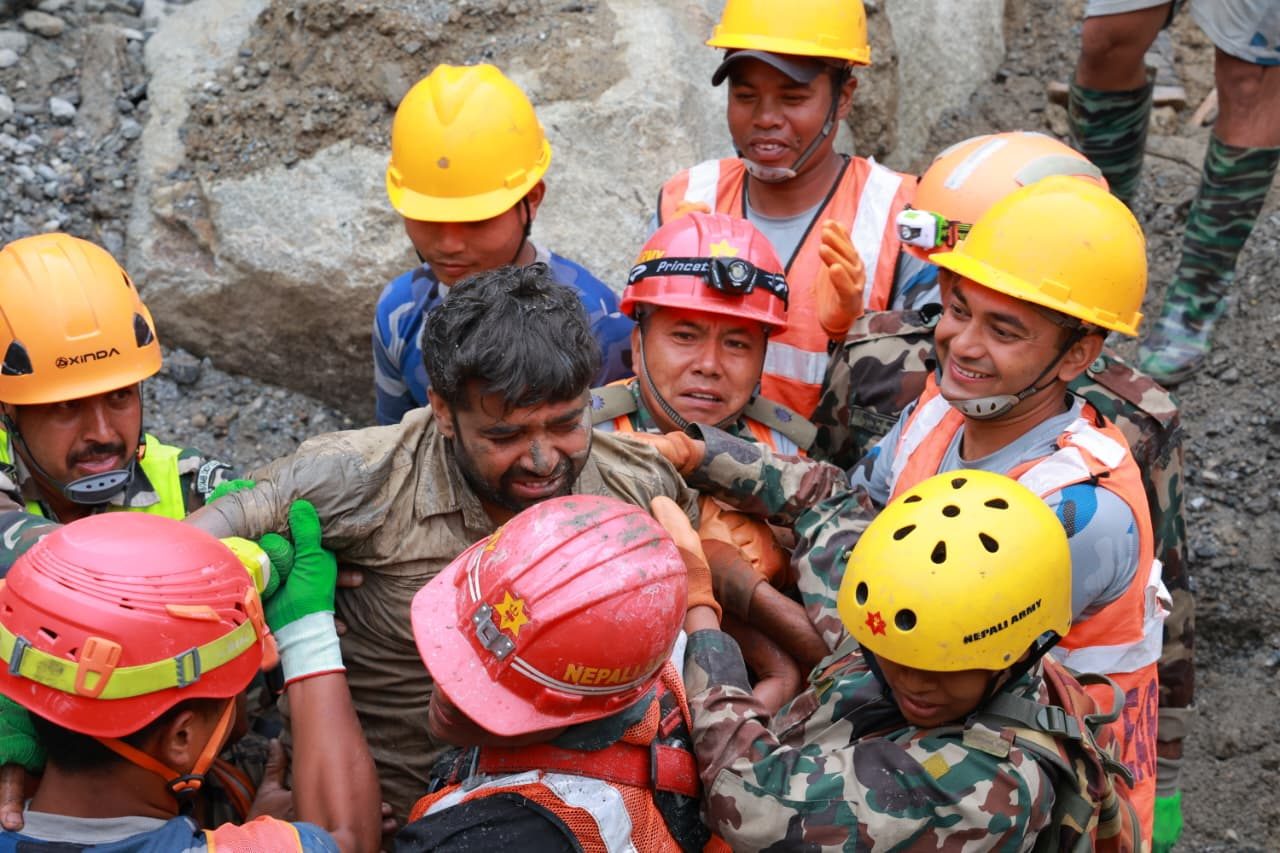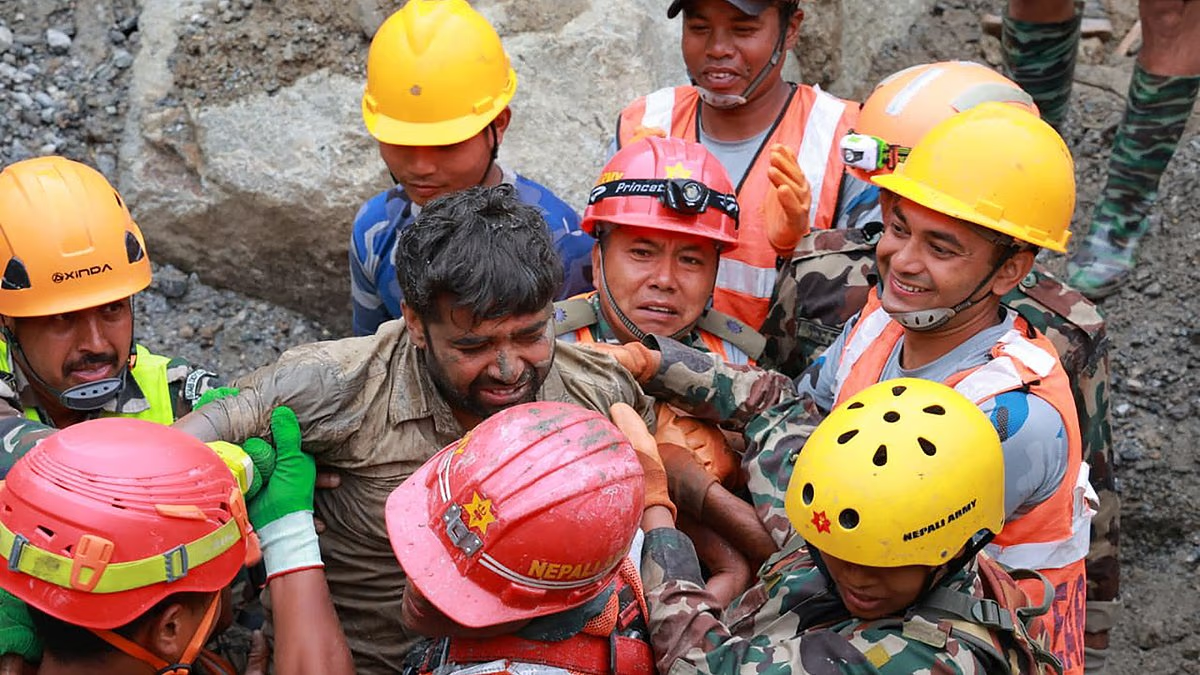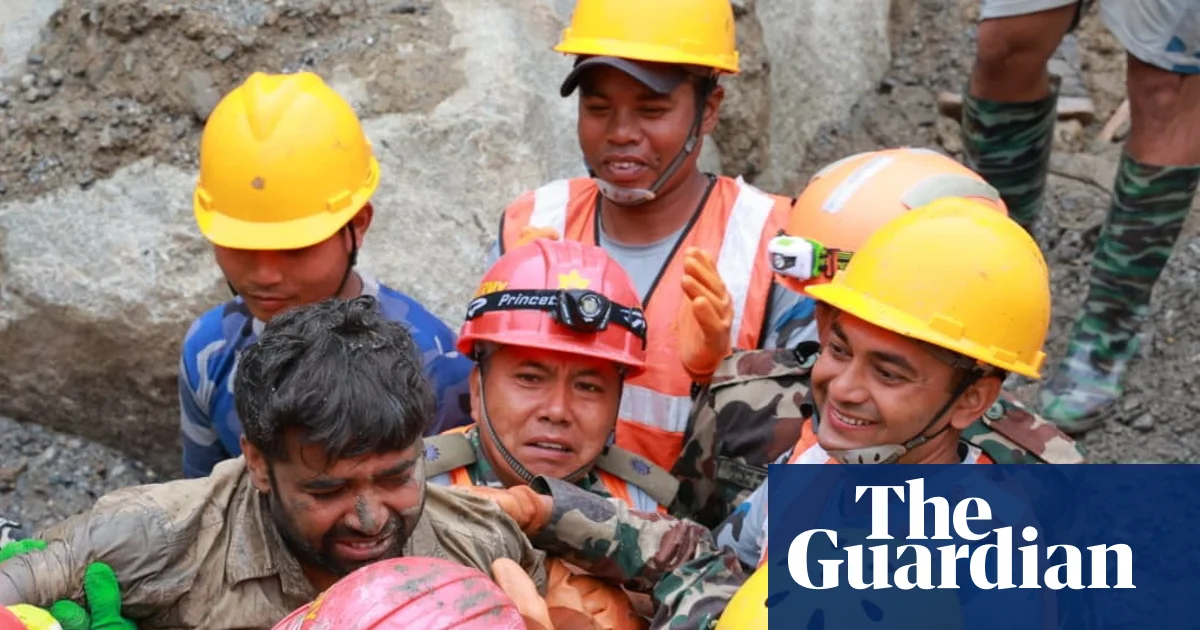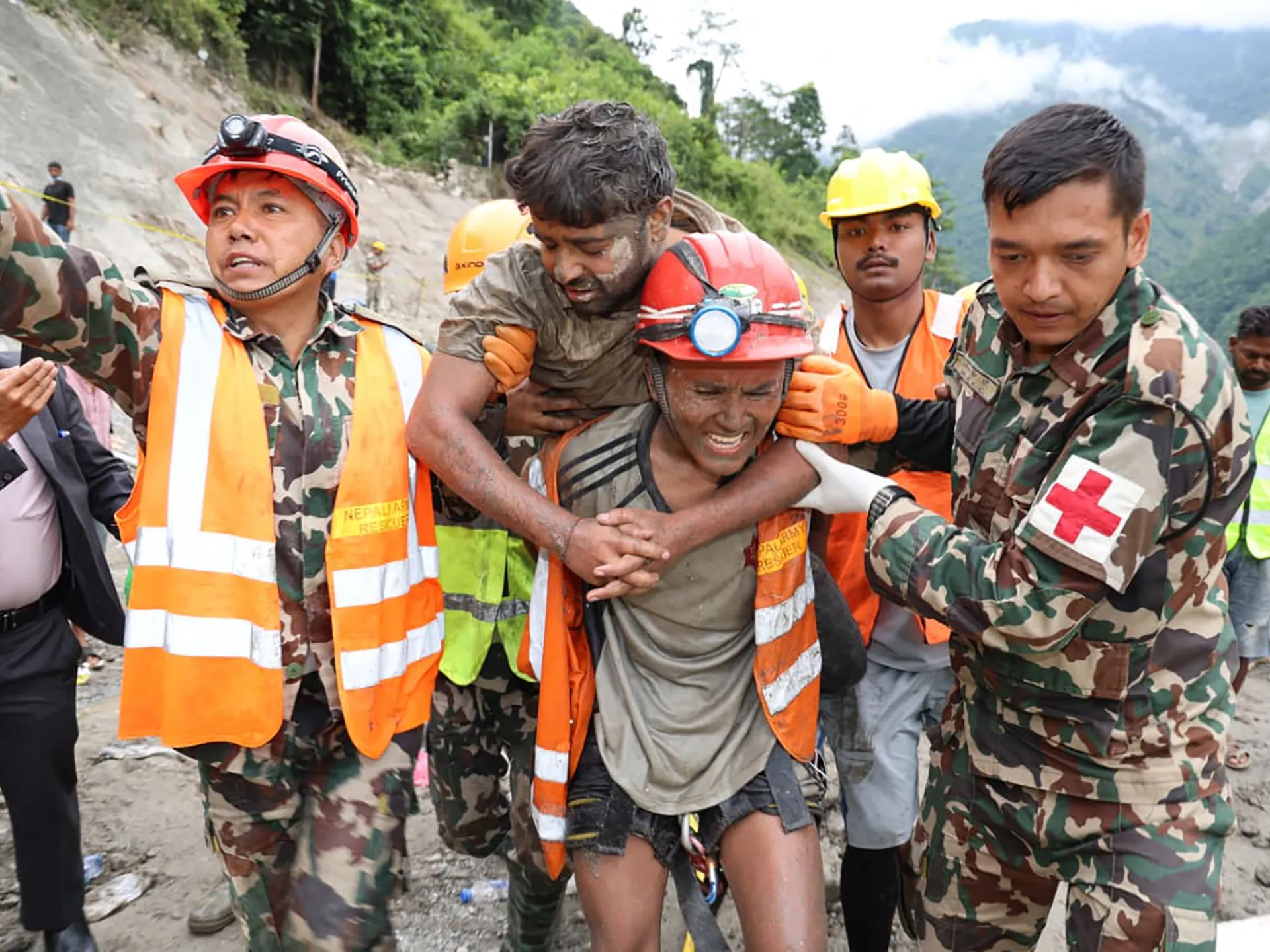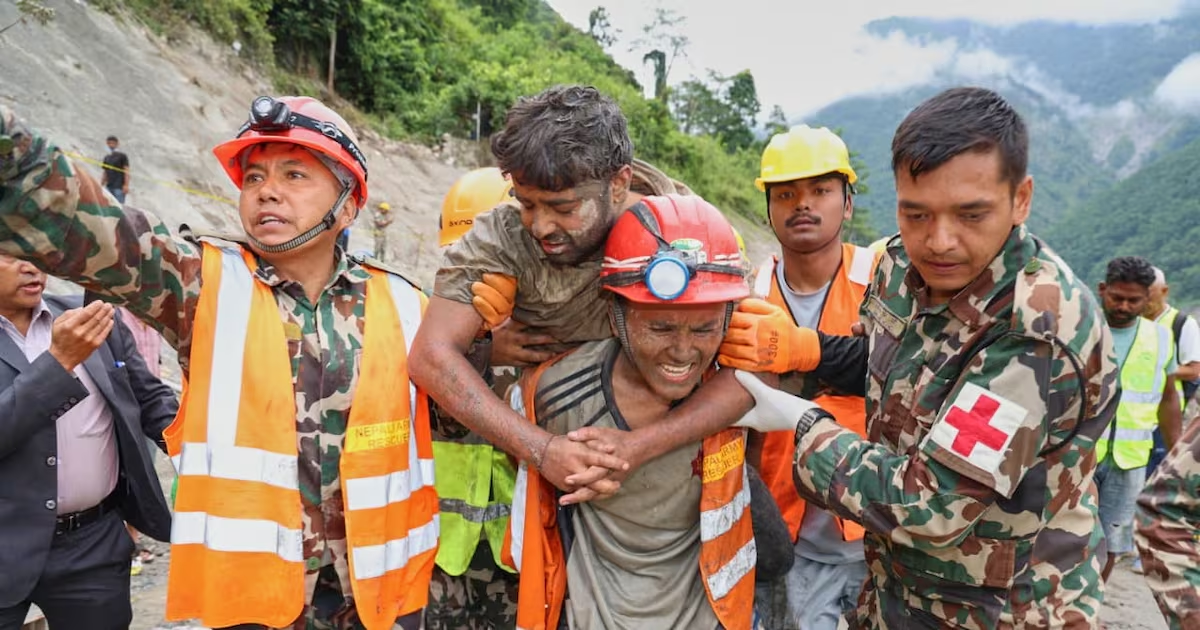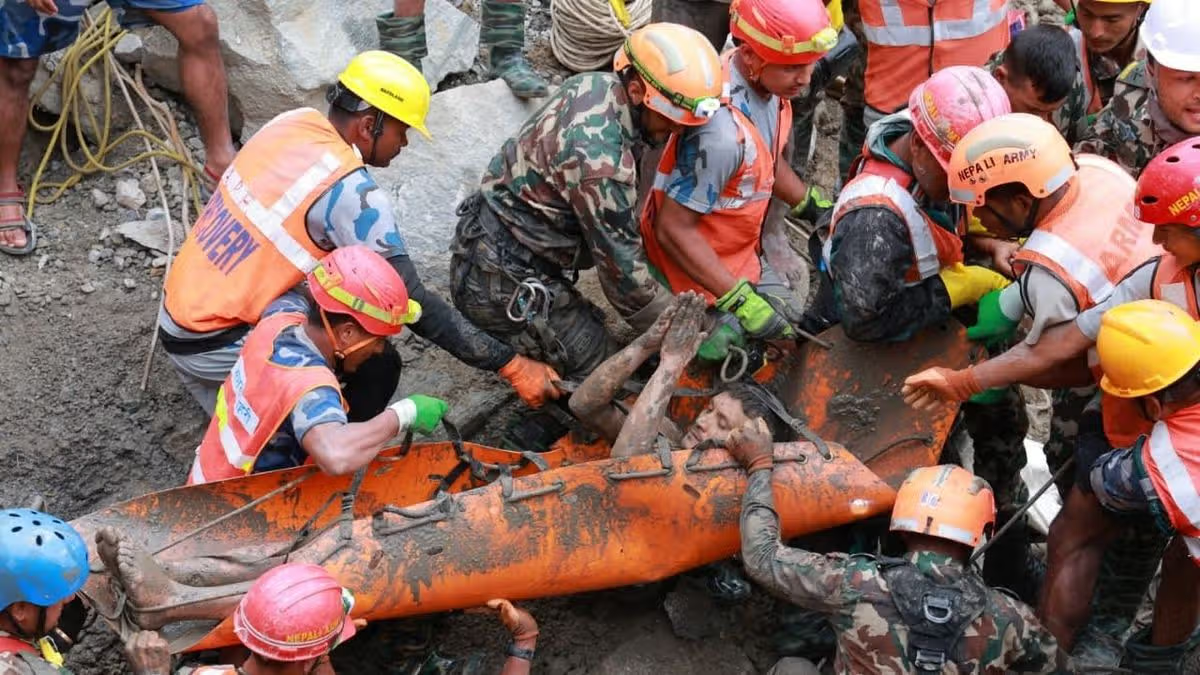
Holding his hands together, here’s the remarkable moment a survivor is rescued from a Nepal tunnel nine days after deadly flash floods.The stretcher-laden worker was one of two saved from a flooded hydropower project — but dozens more are believed to be trapped. Over 1,000 people have been killed in the disaster and over 5,000 are missing including 36 Brits, after devastating floods struck the Nepal-Tibet border.The men, airlifted to hospital on Friday, were pulled alive from Trishuli 3A plant, along the Trishuli River. One of the survivors is in a “critical” condition, according to the Nepal PM’s office. "Kabir Maharjan, who was rescued second, is in a critical state and is undergoing treatment at the Army Hospital in Kathmandu," a statement said.In a video released by the Nepali Army, the other survivor Sanjaya Shah gave a dramatic account of how events unfolded. Speaking from behind a mask as he lay down, he said: "I was in the control room so my responsibility was to save everyone's lives."When there was such a big accident, it was not right for me to run away, my responsibility was to save others. So I told everyone that there was a big accident on the big dam, and asked everyone to run and in the end, I ran out of time and could not run out."Mr Maharjan’s wife Hirashova told of her joy that he had been found alive. She said: "I saw the photos on Facebook. I was very happy. They are bringing him to the army hospital in Kathmandu. I am heading towards the hospital.” Speaking to BBC Nepali, she added: "We couldn't properly eat or drink for 10 days. We were very scared. Now we are all happy. We are even crying."Suresh Raut, a deputy manager at the Nepal Electricity Authority, said that the two survivors "appeared exhausted but they were happy". He explained: "Kabir had joined both hands and did Namaste [a traditional Nepalese greeting]. Kabir had injuries in his knee and waist. He may have been injured while trying to come out."Meanwhile, the body of a third person was found in the tunnel after the two men were rescued, it was reported. Mr Raut said: “It appears that the person died after being caught in floodwater while trying to flee from the tunnel.”Arnold Dix, president of the International Tunnelling and Underground Space Association, told the BBC: "I've never known a rescue operation where you had to look for an entrance of a tunnel that was previously up the hill, that was now underground.”Mr Dix, who has been advising the Nepalese government on how to conduct the rescue, added: "You can imagine the enormity of the avalanche, it completely buried the entrance." Satellite data helped rescuers identify a place to dig. "We didn’t know where they were, we had to make our best guess using technology," Mr Dix explained.Rescuers reportedly worked through a tunnel blocked with mud and rocks, using explosives. Mr Dix said: "Then we found these two men. It's like layer upon layer of layer of miracles."Around 900 workers are missing from 12 hydropower projects in Nepal, with about 500 believed to be trapped in tunnels, according to authorities. About 115 are believed trapped in the tunnel at Trishuli 3A alone, according to the Independent Power Producers Association of Nepal.Nepal's Communication Minister Bikram Timilsina said that officials “are waiting for the rescue of more and more people”. At least 1,287 people were killed in the August 26 floods, likely caused by a glacier collapse, according to the country's disaster management agency.On Wednesday, China said that 21 people were killed and 541 were missing on the Tibet side of the border. Nepal's disaster agency estimates that flooding caused at least 387.5 billion Nepalese rupees (£1.9 billion) in damage to infrastructure and property.The Foreign Office said: “The scenes along the Nepal-China border are devastating and our thoughts remain with all those affected by this tragedy. We recognise this is a distressing time and are working around the clock to support families and loved ones of British nationals missing in the floods.“We are coordinating closely with the Nepali and Chinese authorities and have deployed consular staff to the region to ensure British nationals can access support."
Remarkable moment survivor rescued from Nepal tunnel 9 days after deadly floods
The stretcher-laden worker was one of two saved from a flooded hydropower project but dozens more are believed to be trapped after disaster struck the Nepal-Tibet border
705 words~3 min read