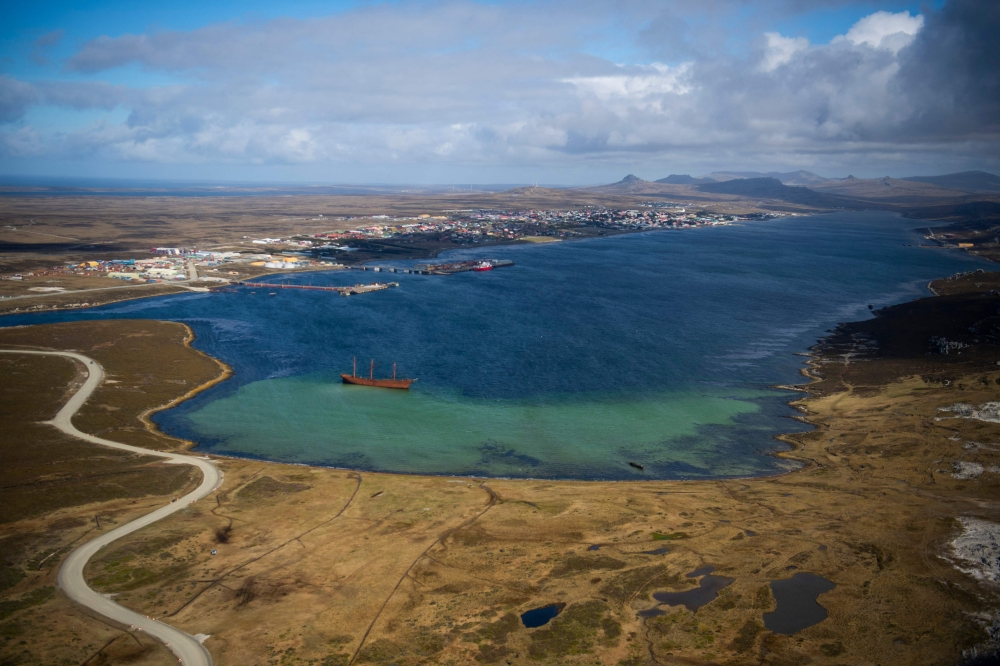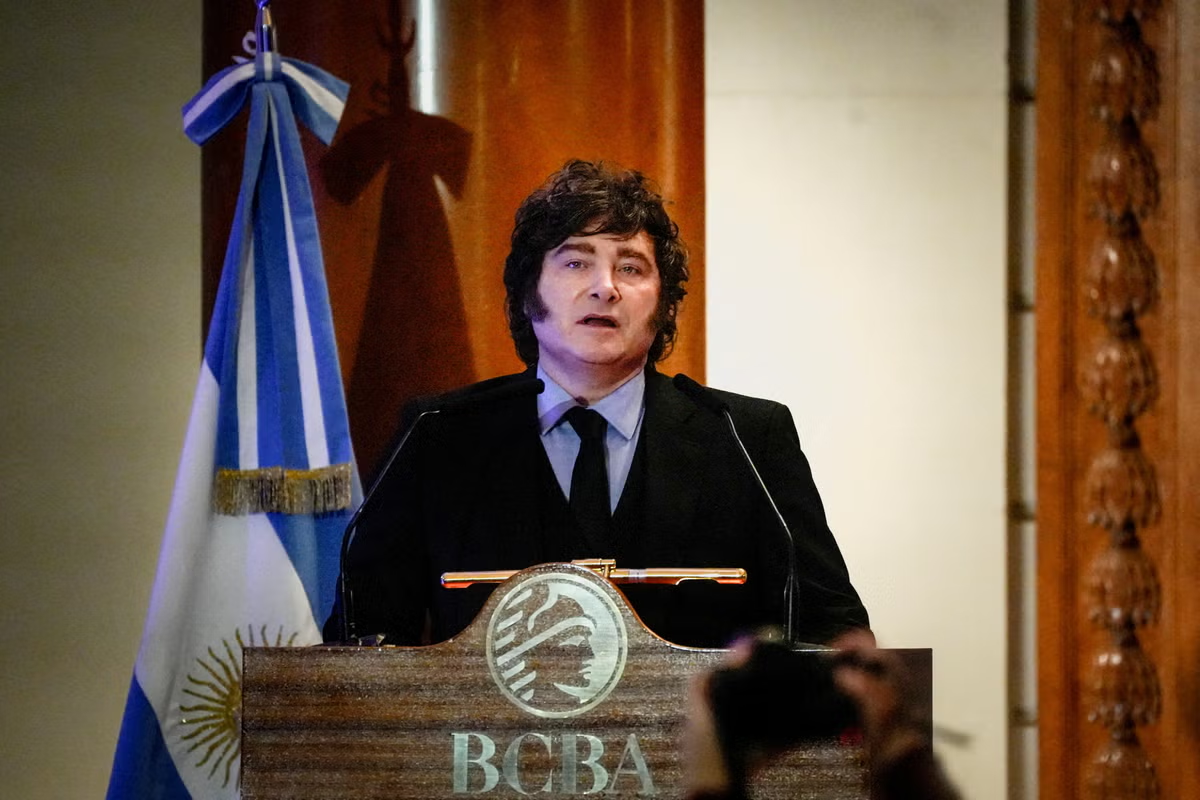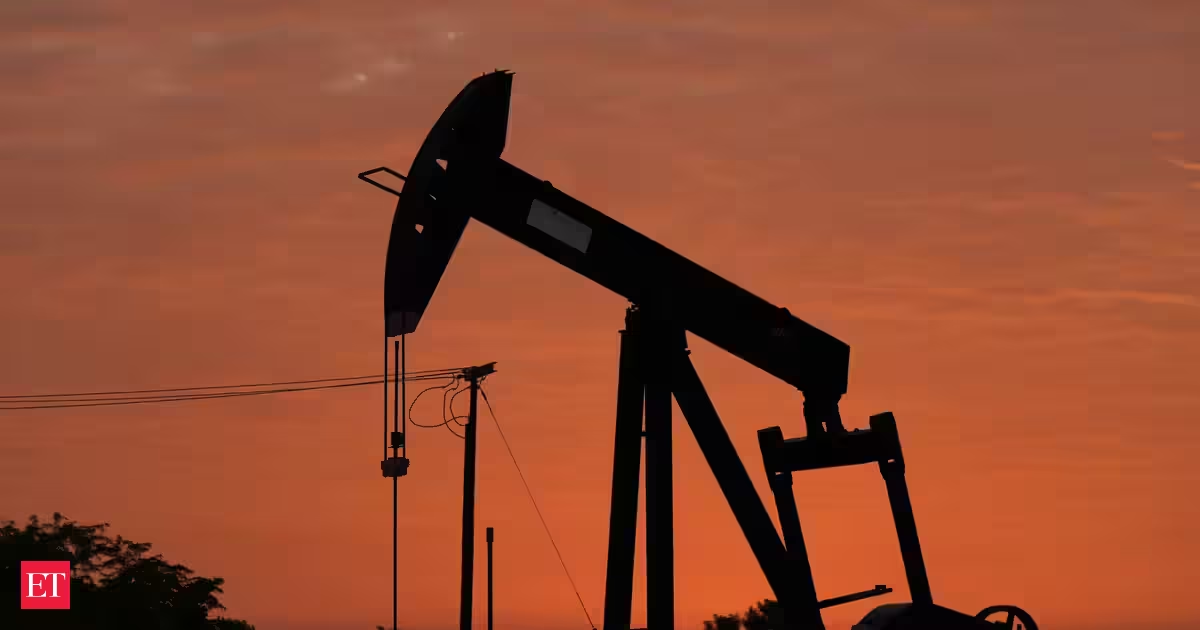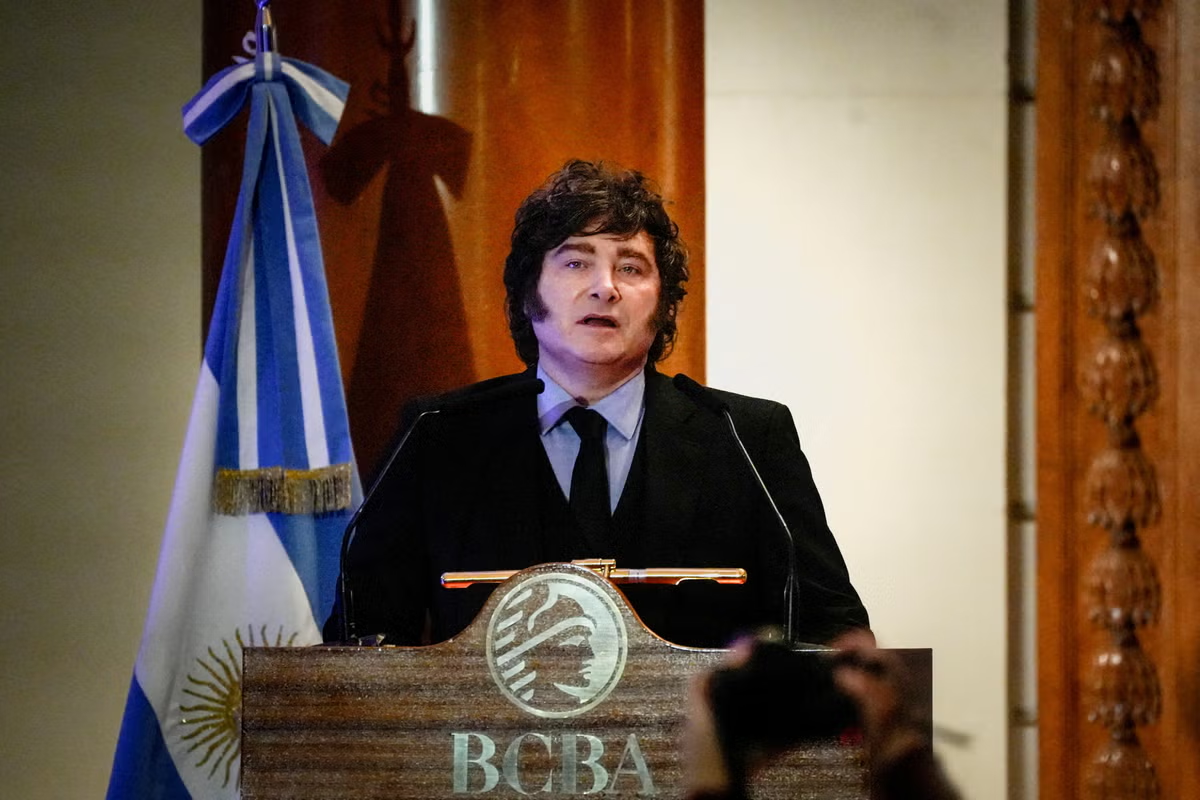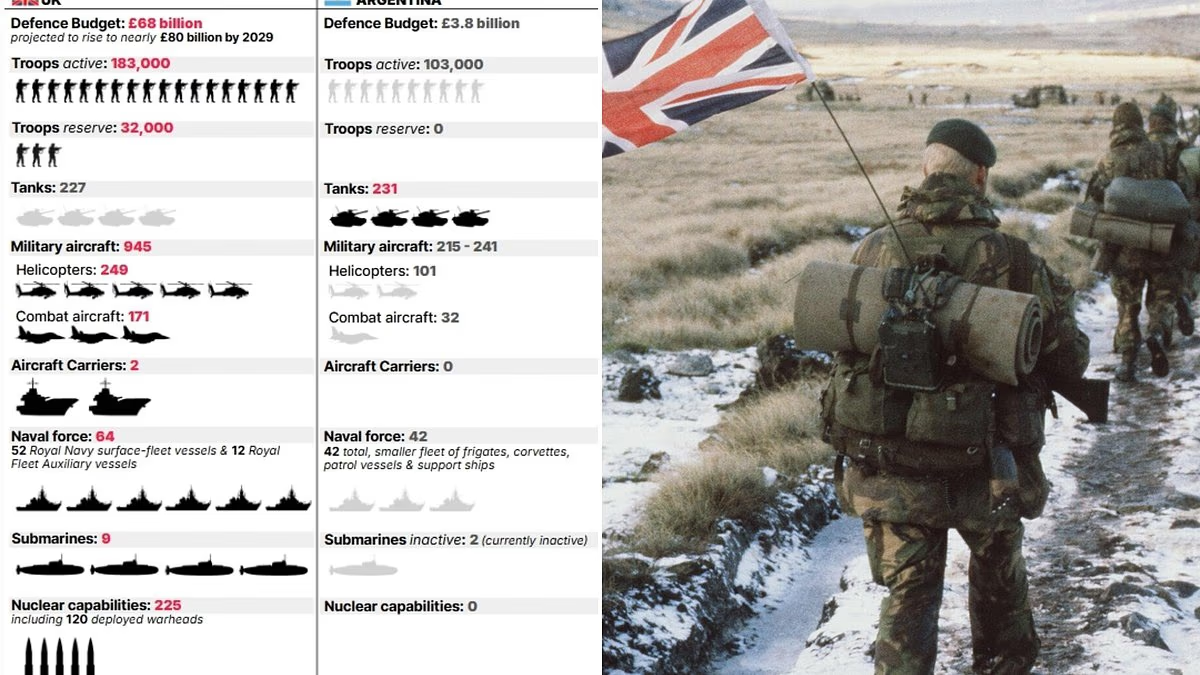
Tensions between Britain and Argentina have escalated this week as a decades-old dispute over the Falkland Islands has been reignited.Argentina's firebrand president Javier Milei warned yesterday that sanctions would be imposed on companies drilling for oil off the Falklands, while insisting that the islanders have no right to self-determination.With an election just a year away and his poll numbers falling, Mr Milei said Argentina must 'recover these islands' and vowed to use 'all the tools of the state: diplomatic, economic, judicial and legal' to obstruct drilling at the Sea Lion oilfield, which is estimated to contain 1.7 billion barrels of oil.While he did not threaten military action, Mr Milei also announced an emergency decree to build a naval base on Tierra del Fuego, the part of Argentina closest to the Falklands.The islands have remained a bitter point of contention since Argentina's 1982 invasion, which prompted Britain to send a task force 8,000 miles to retake them. A total of 907 people were killed in the conflict, including 255 British servicemen. During the 1982 conflict, Argentina initially held a significant numerical advantage in the South Atlantic, with more than 200 aircraft and a garrison of around 13,000 troops on the islands.However, its forces faced significant disadvantages, including limited training and logistical difficulties. Britain ultimately overcame Argentina’s numerical advantage through a combination of nuclear submarine power, the effectiveness of its Sea Harrier jets and the superior combat training of its professional infantry forces. But more than four decades after the war, Mr Milei's renewed claims raise a fresh question – how does Argentina's military compare with Britain's today?
How would Britain fare against Argentina in a second Falklands war?
Argentina's firebrand president Javier Milei warned yesterday that sanctions would be imposed on companies drilling for oil off the Falklands.
1,313 words~6 min read