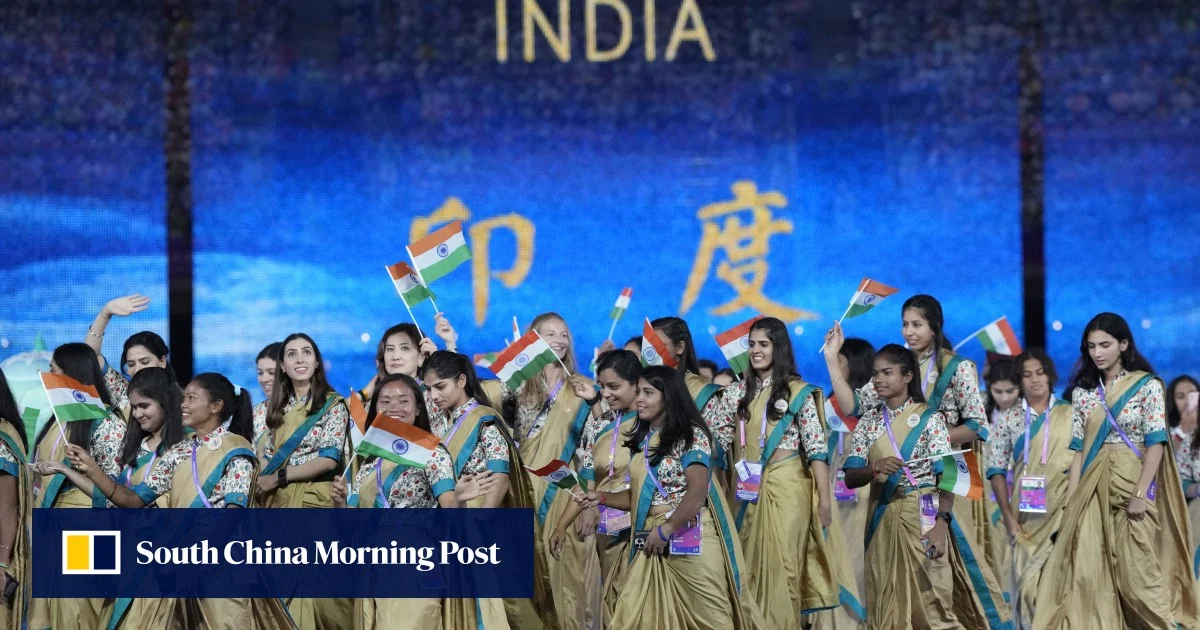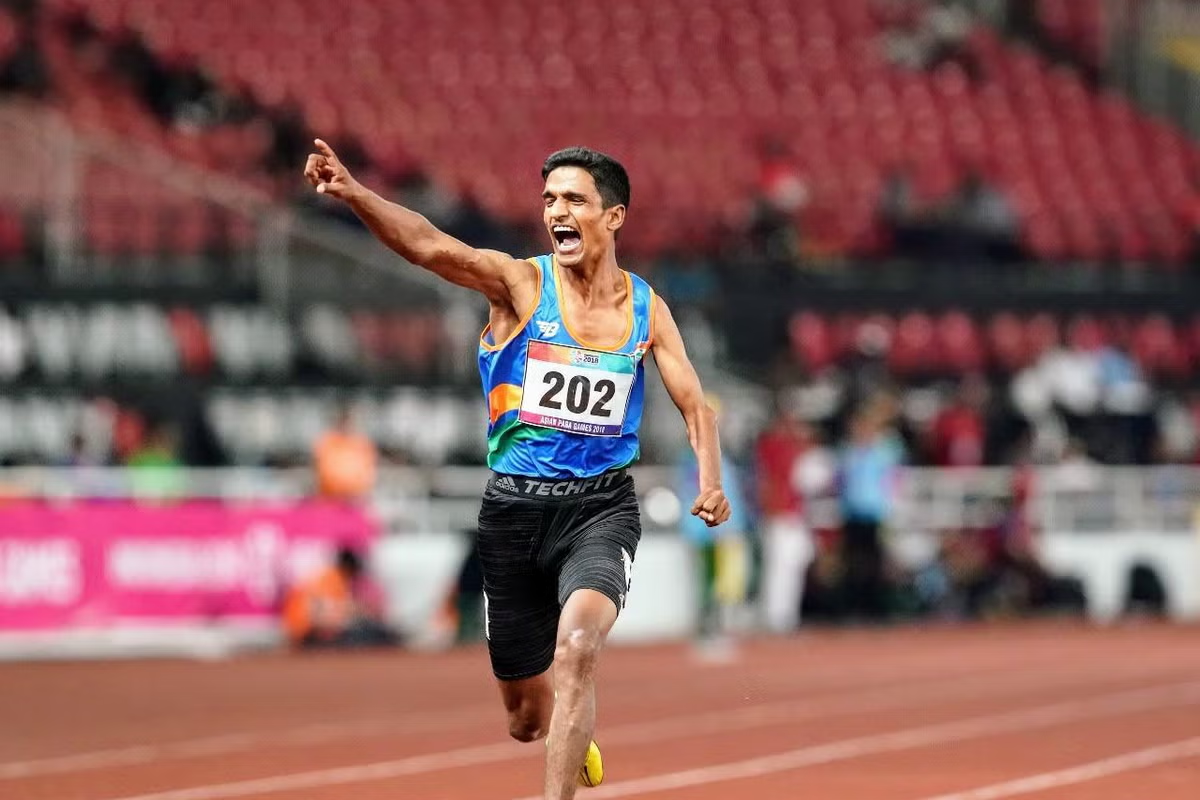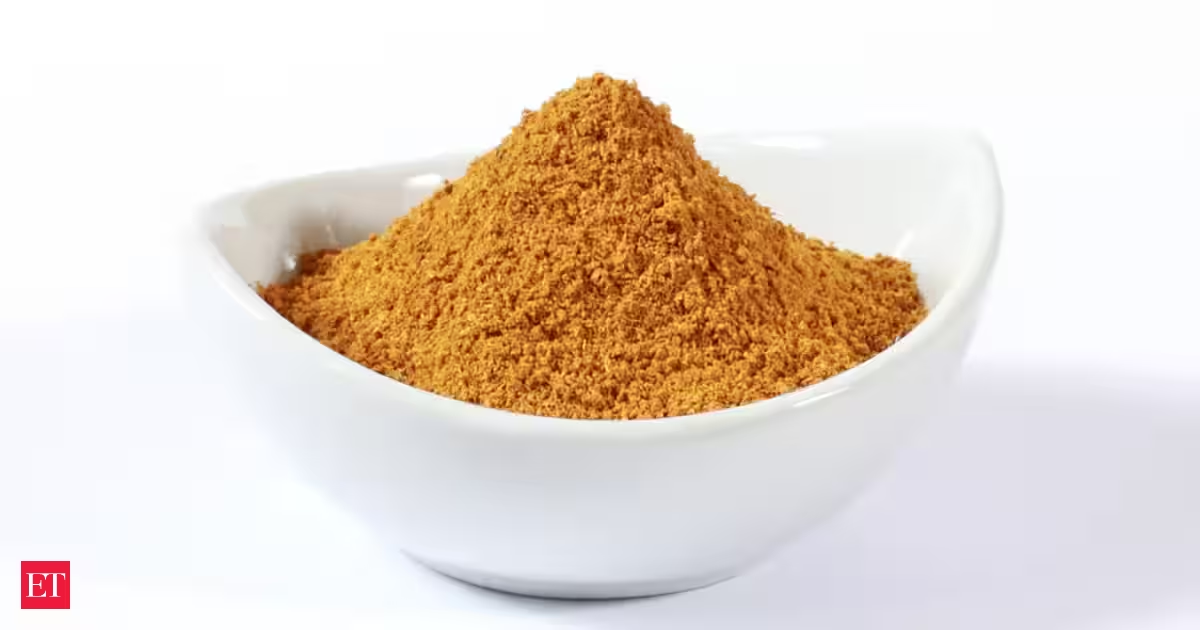
With the Athletics Integrity Unit (AIU) executing unannounced anti-doping checks on elite Indian athletes preparing for the Asian Games, specialists warn that consuming herbal supplements could lead to Adverse Analytical Findings (AAF). When tested at international World Anti-Doping Agency (WADA) laboratories, these natural remedies pose a significant hazard.Sources confirm that herbal products are widely used in national training camps. Commonly consumed substances include bhasmas, ashwagandha, shilajit, and kida jadi (Cordyceps sinensis). Kida jadi, a Himalayan fungus typically ingested with honey, is extraordinarily costly, fetching ₹16–20 lakh per kilogram (or roughly ₹1.66 lakh per 100g on online retail platforms).Despite a month-long regimen costing nearly ₹1 lakh, many track and field athletes—including sprinters, throwers, and middle-distance runners—routinely spend their personal savings on kida jadi. However, because these natural preparations rarely undergo rigorous purity testing, they carry a high risk of contamination. Crucially, most athletes fail to list these herbal supplements when submitting their mandatory disclosure forms.Also read: Asiad-bound shooters to undergo final preparatory camps in Delhi and BhopalWhile kida jadi has been used for years without producing a positive drug test, growing concerns indicate that certain commercial batches may contain substances prohibited by WADA. Experts caution that while national-level testing by the National Anti-Doping Agency (NADA) might miss specific trace compounds, the sophisticated analytical methods employed by the AIU present a much higher risk of flagging a violation.Addressing the issue, Mihira Khopkar, lead nutritionist for the Indian team at the Paris Olympics, emphasized that elite competitors must rely strictly on scientifically validated supplements that have passed independent quality verification.Unprecedented doping scrutinyCurrent and former athletics coaches report an unprecedented level of surveillance targeting Indian competitors prior to a major international championship. AIU officials have carried out targeted, unannounced testing across key training hubs in Patiala, Bengaluru, and Bhubaneswar, including the Anju Bobby Sports Foundation and the SAI South Centre.Also read: A first for India at Asian Games: Safeguarding Officer to tackle abuse or neglectUnlike athletes enrolled in the Registered Testing Pool (RTP) who must strictly adhere to location reporting requirements, competitors outside the RTP cannot be penalized for missing an unannounced off-site check. AIU officials previously attempted a similar testing drive during an overseas camp in Potchefstroom, South Africa, but faced limited success due to athlete unavailability.The heightened oversight follows a dismal anti-doping record: India recently topped the AIU's global registry of anti-doping rule violations with 162 offenders, surpassing Kenya (148) and Russia (60). As a result, the AIU upgraded the Athletics Federation of India (AFI) to its highest-risk category (Category A). AIU Chairman David Howman publicly expressed concern over the situation, observing that India's domestic anti-doping measures remain inadequate relative to the actual scale of performance-enhancing drug use within the country.
AAF risk: Herbal remedies put India’s Asian Games athletes under the doping scanner
Elite Indian athletes face heightened doping checks from the Athletics Integrity Unit. Herbal supplements, widely used, pose a significant risk of contamination and positive tests. India's high anti-doping rule violation record has placed its athletics federation in a high-risk category. Specialists advise athletes to use only scientifically validated and quality-verified supplements.
449 words~2 min read