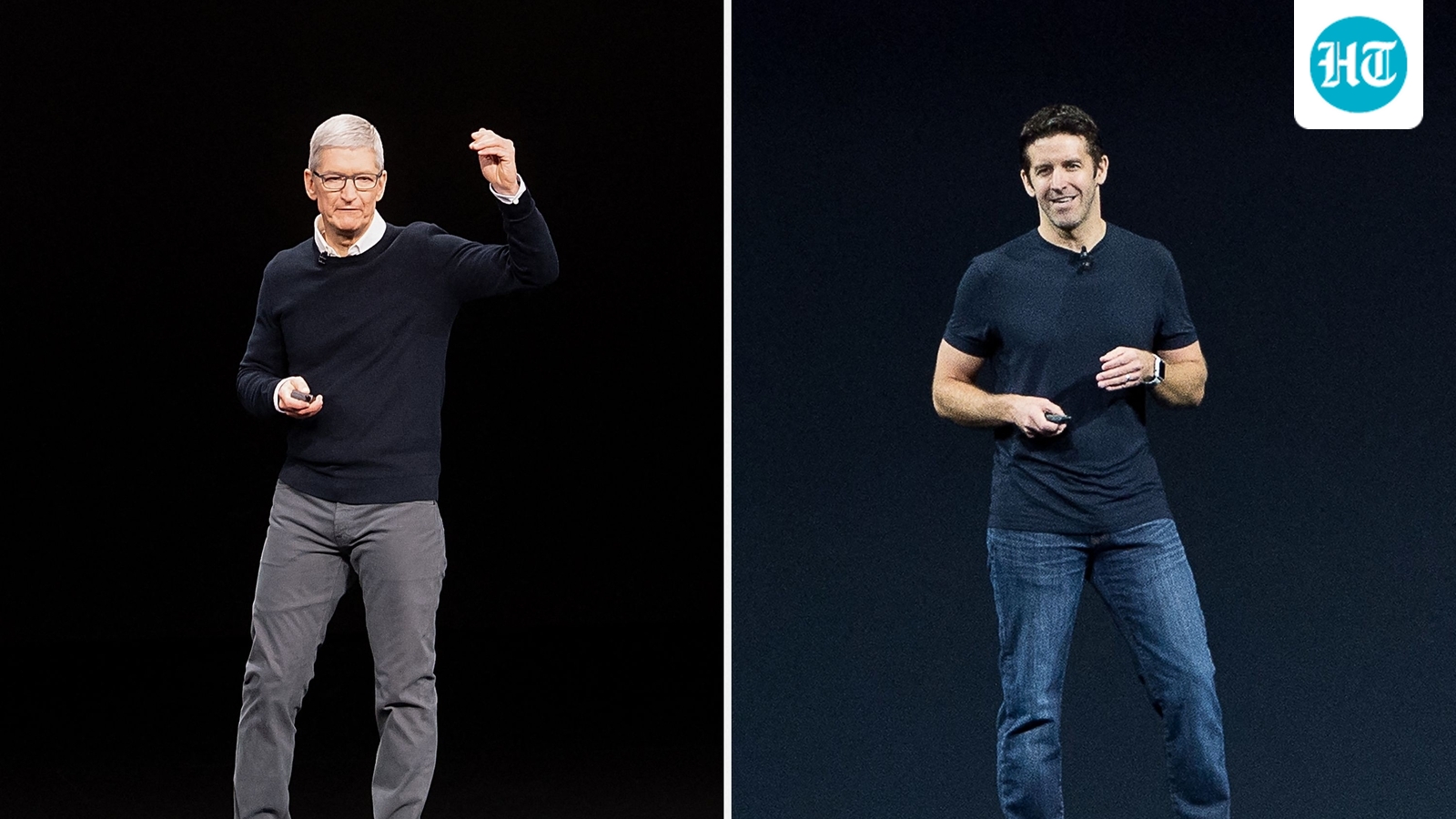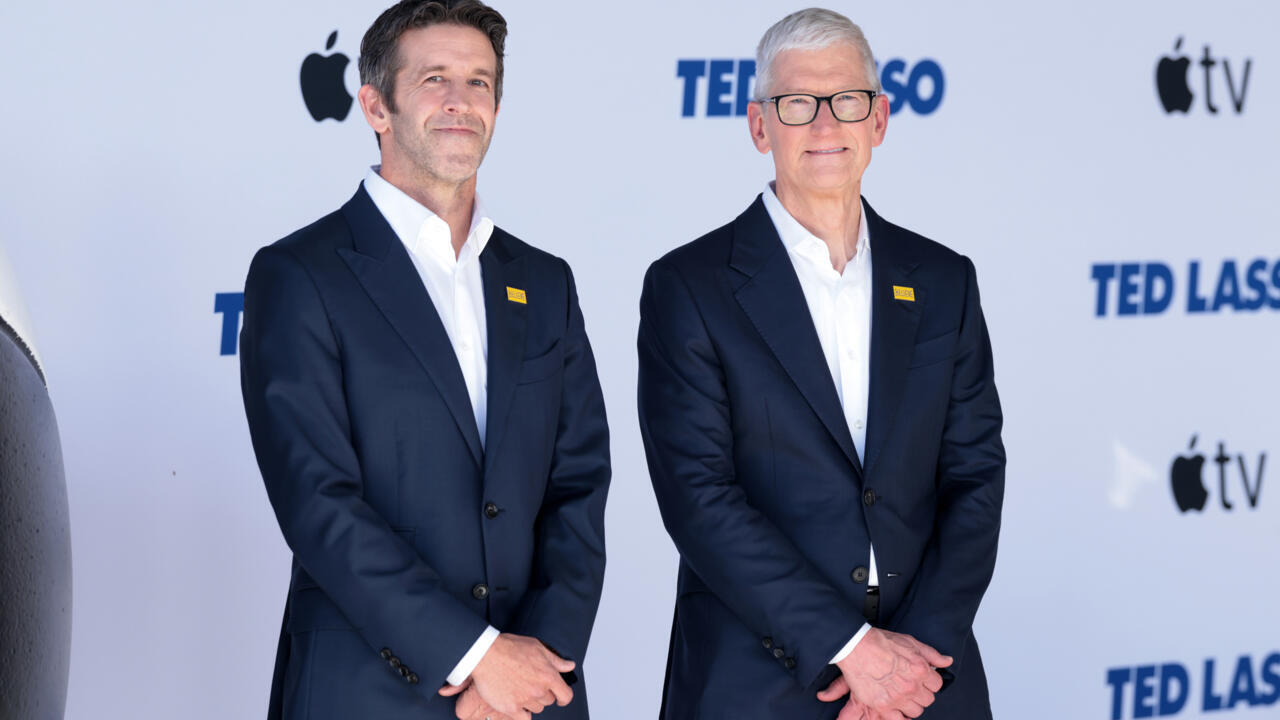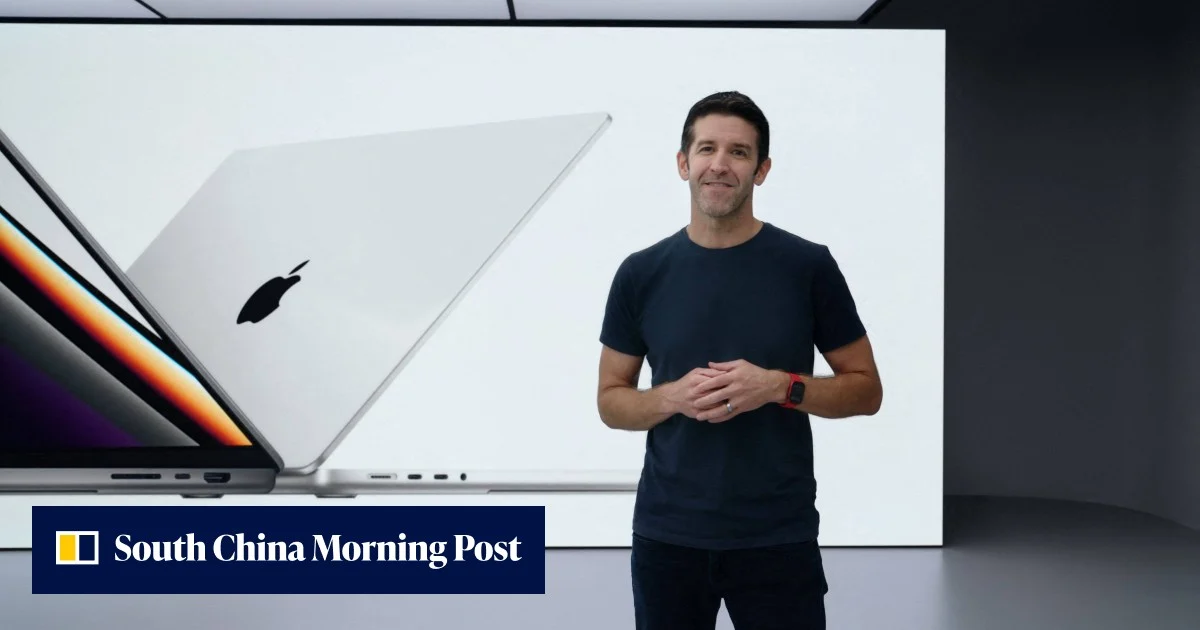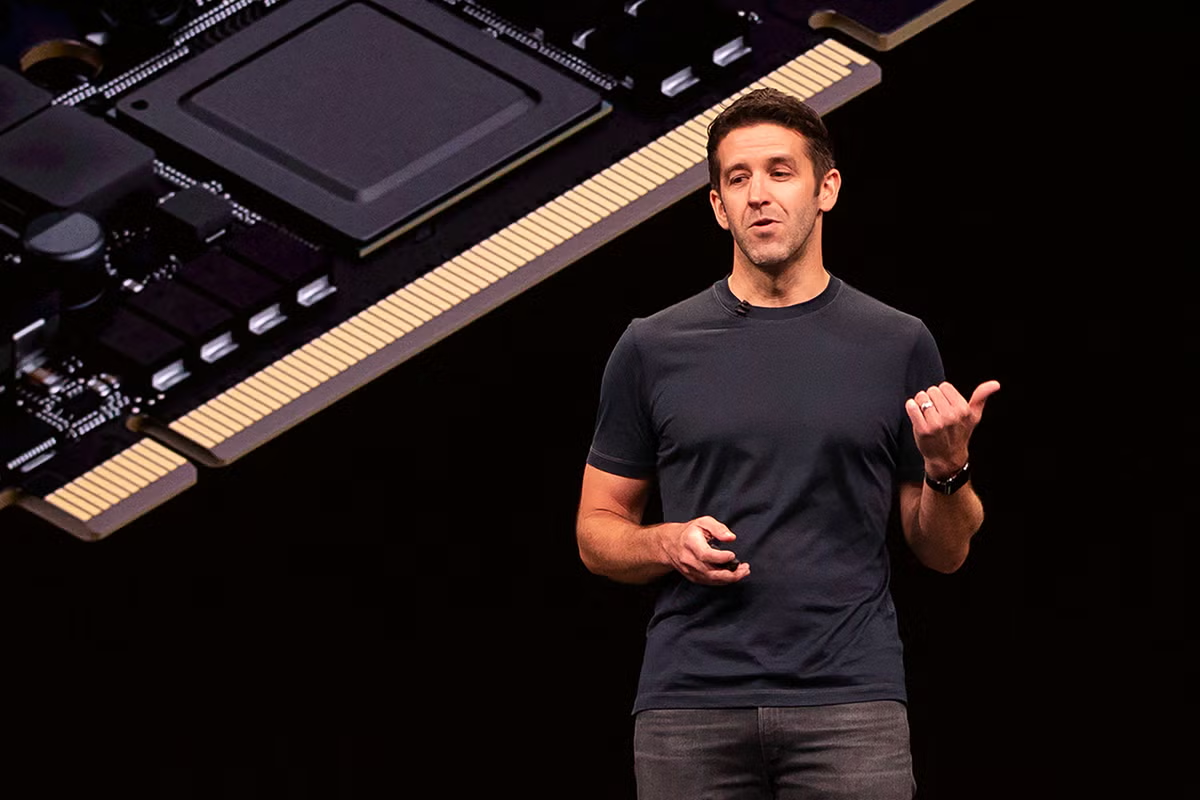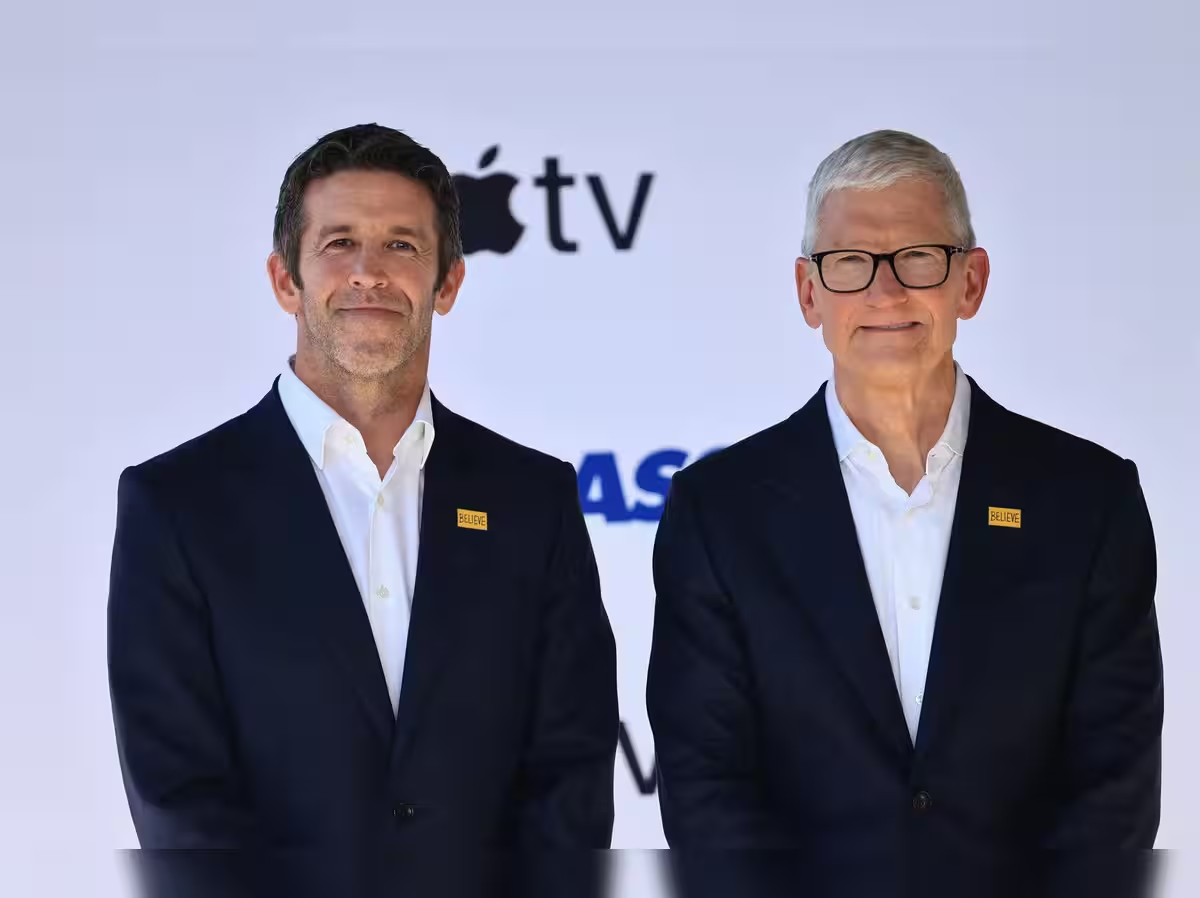
After 15 years as CEO, Tim Cook stepped aside, replaced by longtime executive John Ternus. As my colleague Sebastian Herrera wrote in a just-published profile of Ternus, he steps up at a tense moment for the $4.75 trillion company:
Cook has made Apple a cash-flow king and one of the world’s supply-chain titans, but as Ternus inherits the iPhone-maker from the legendary CEO, Apple is grappling with questions about its strategy on artificial intelligence, where it is facing competition from hot upstarts like OpenAI. Meanwhile, a memory chip shortage threatens to squeeze its margins, its revenue growth is slowing, and even longtime Apple fans admit the maker of aspirational tech has lost some of its product design mojo.
Though Apple accounts for roughly one in five smartphones shipped worldwide, it’s been a while since the company truly surprised consumers. Recent launch events have mostly settled into a predictable cadence of incremental camera upgrades and routine spec bumps. There have been notable misfires, too, including the Vision Pro headset and updates to its Siri voice-activated assistant. Major software overhauls, like the polarizing Liquid Glass iOS redesign, faced sharp criticism over legibility and performance. Meanwhile, Apple’s long-rumored foldable phone will arrive years after competitors like Samsung defined the category.