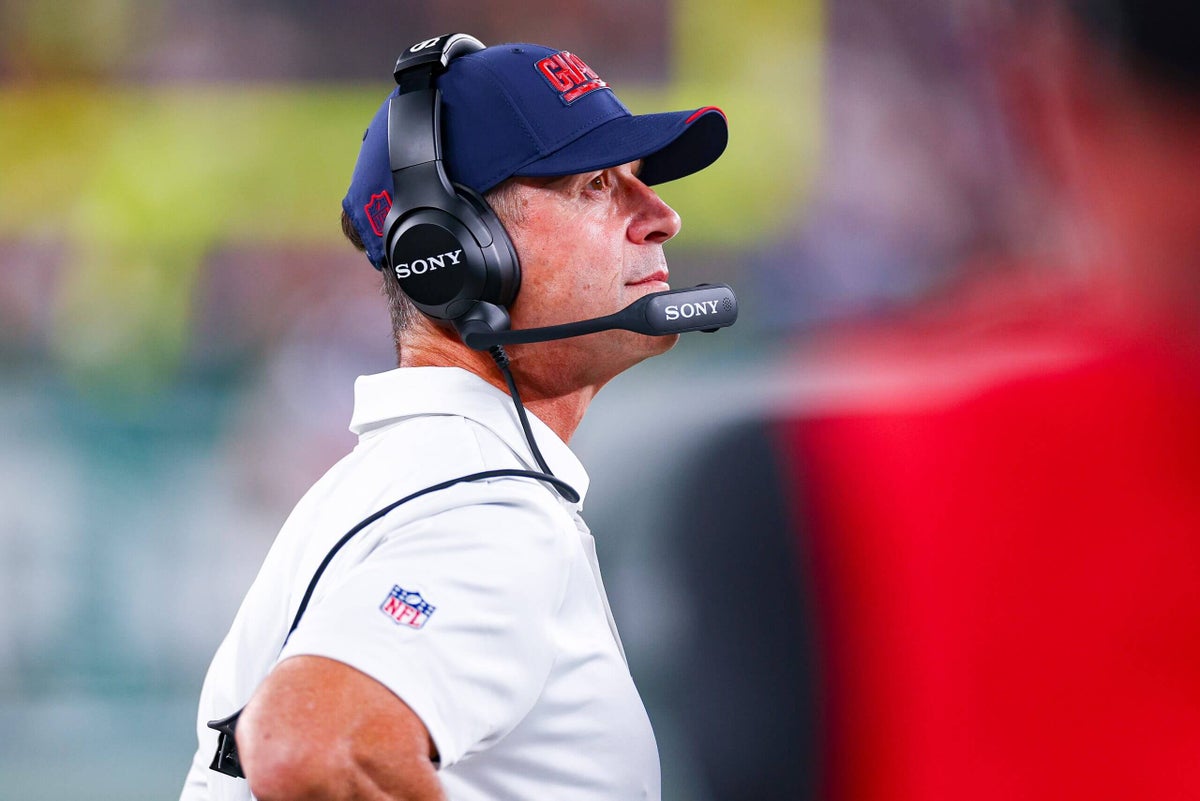
Peak newsletter 🧠 | This is an excerpt from The Athletic’s weekly newsletter covering the mental side of sports. Sign up here to receive the Peak newsletter directly in your inbox.Every month, New York Giants coach John Harbaugh will answer reader-submitted questions about leadership.Harbaugh is in his first year with the Giants and also the co-founder of the Harbaugh Coaching Academy, a non-profit that helps coaches at all levels.Anyone interested in asking Harbaugh a question about leadership can submit one in the box below. You can read last month’s Q&A here.Now, on to the questions:When dealing with a subordinate (player or coach) who feels as if they have earned an opportunity you can’t give them, how do you navigate that? — Cole K.Harbaugh: Just with honesty. I’ve had those conversations here in the last few days.I think most of these guys deserve more of an opportunity than they’re actually getting because the competition is so tough. So many times the key to making it is just the chance to break through. Getting that chance is not always easy.I just try to explain the circumstances: “Here is where we’re at. This is where we stand and how you fit into that.”I try to acknowledge the fact that they deserve more; they’ve earned more. I tell guys: “You should be on this 53-man roster. You should be on another 53. You deserve to be on a 53-man roster. But this is why it’s not working out here right now.”Do you coach an established star and an undrafted rookie the same way? And why? — Pierre B.Harbaugh: I don’t think you coach any two people the same way. Everybody is unique. Nobody is the same.You don’t categorize them as an established star or an unestablished player or whatever. It’s more about: Who is this person? I try to have as many conversations with the unestablished player as I do with the star player.The conversations are different because they’re different people, and what they need and where they’re at is different.I try to think of them individually more than I do categorically.Alan Page's definition of "seeking excellence"Elise DevlinAs a young coach, my biggest struggle is knowing early on whether a player responds to hard coaching or a softer touch. What tangible signs do you look for to figure that out fast, instead of learning through trial and error? — Jack D.Harbaugh: So interesting, but I don’t know if I would define it like that. How would you define what a softer touch is and what hard coaching is? What does that mean exactly?It probably means different things to different people, so I think you have to be careful about that.To me, start with yourself first. Check your own heart.Yeah, I want to be pragmatic, I want to be utilitarian, I want to find the best way to reach the player to get the most out of them. But I have to check myself first. What is my motivation? Is my motivation that I want to win a bunch of games? Yeah, of course. But it should be more about the player themself.What’s best for this player? What can I do to help this player be the best version of themself? Why are we here? What’s the end goal?
John Harbaugh answers your leadership questions before the start of his first Giants season
Harbaugh explains how he has difficult conversations with his players and staff and how he holds people accountable.
1,487 words~7 min read