Published September 3rd, 2026 - 16:20 GMT
Highlights
The escalation follows a broader deterioration in Yemen's relative calm since July. On August 6, Houthi missile and drone attacks on government military camps in Marib and Hadramout killed at least 30 government soldiers, according to Yemeni government
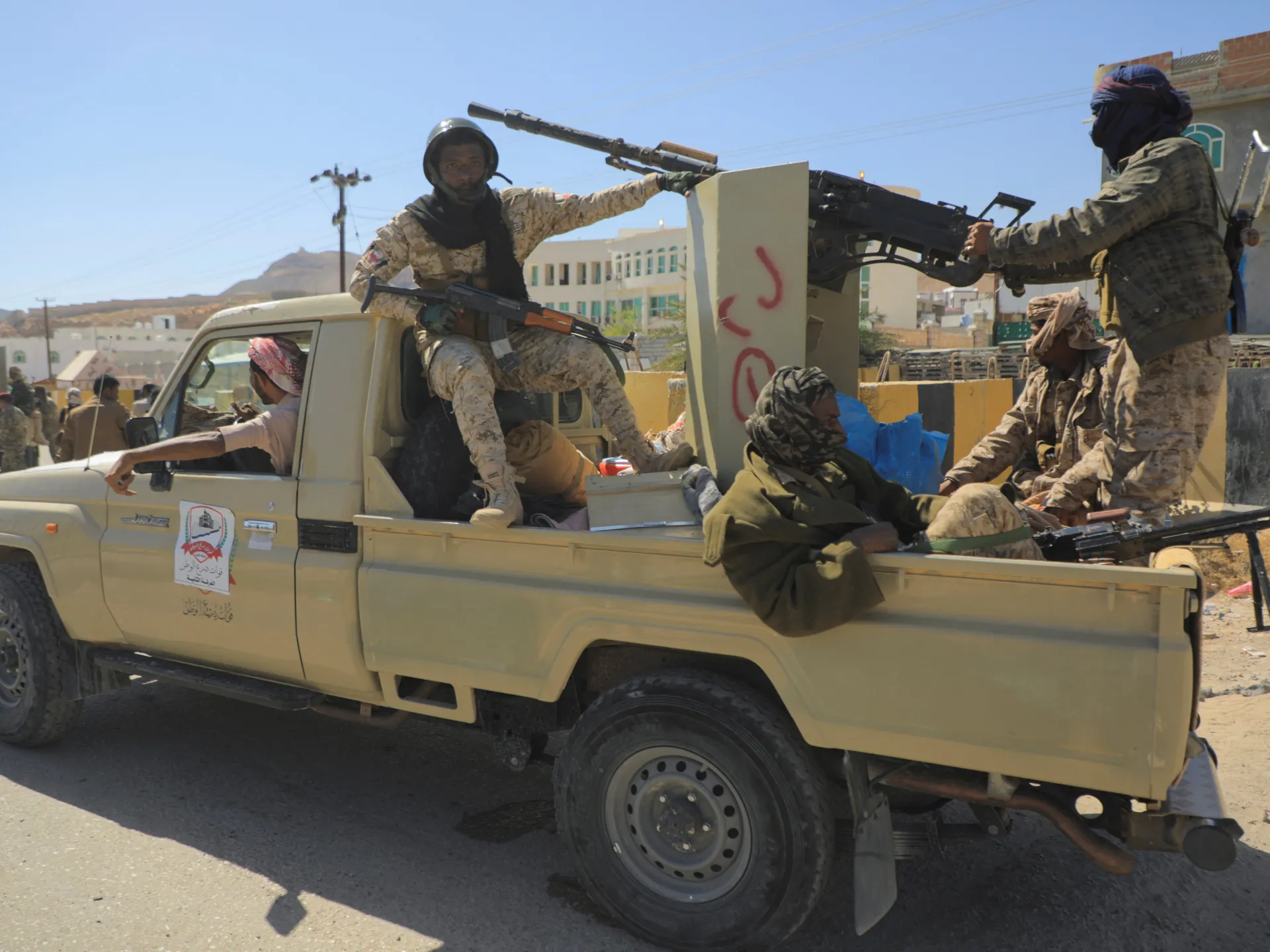
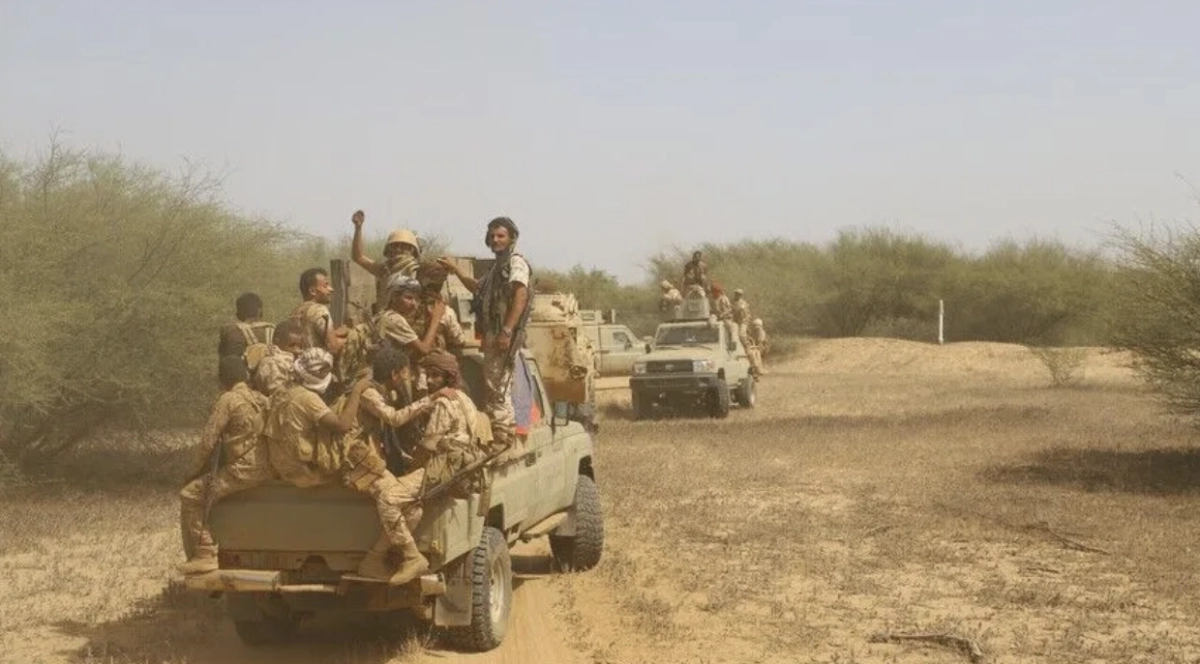
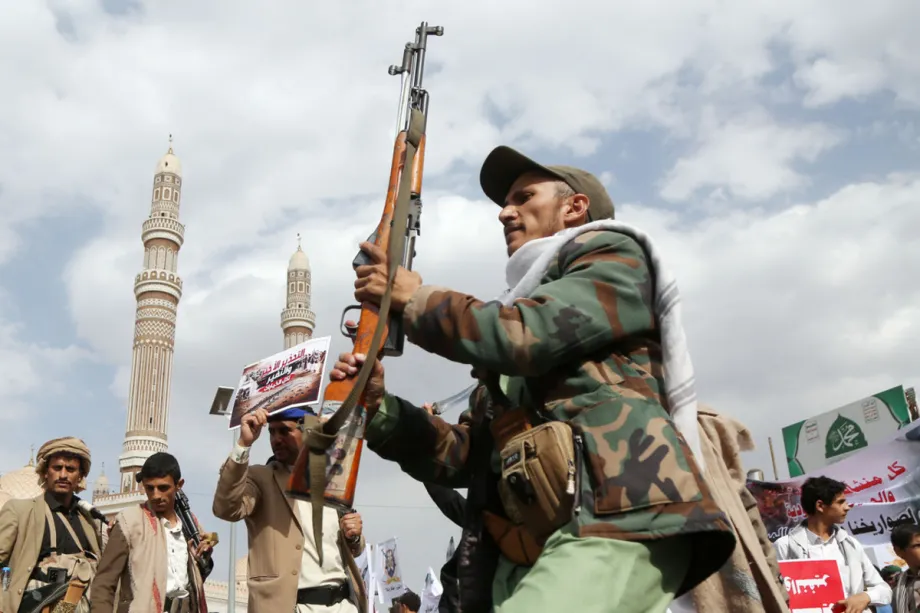
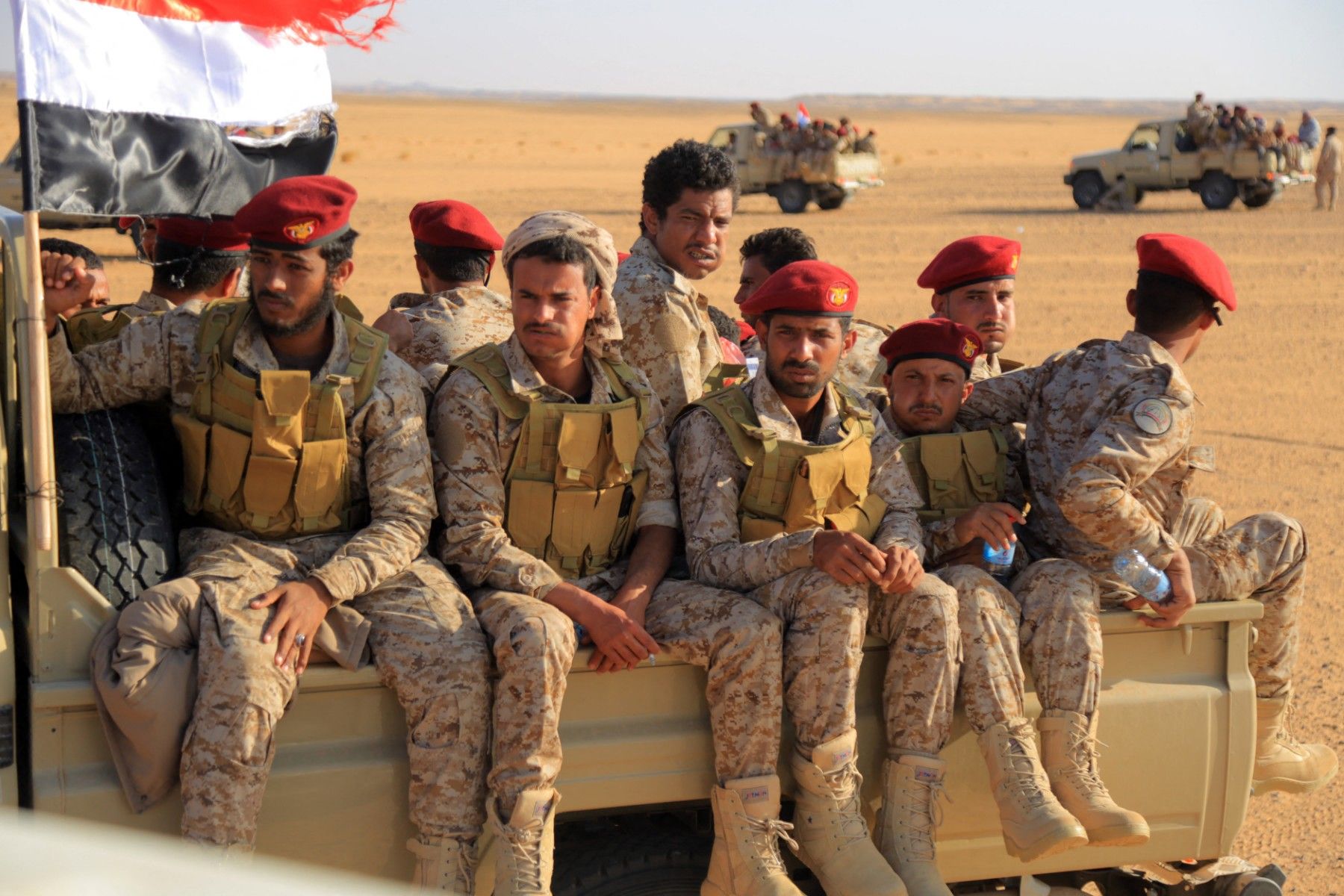
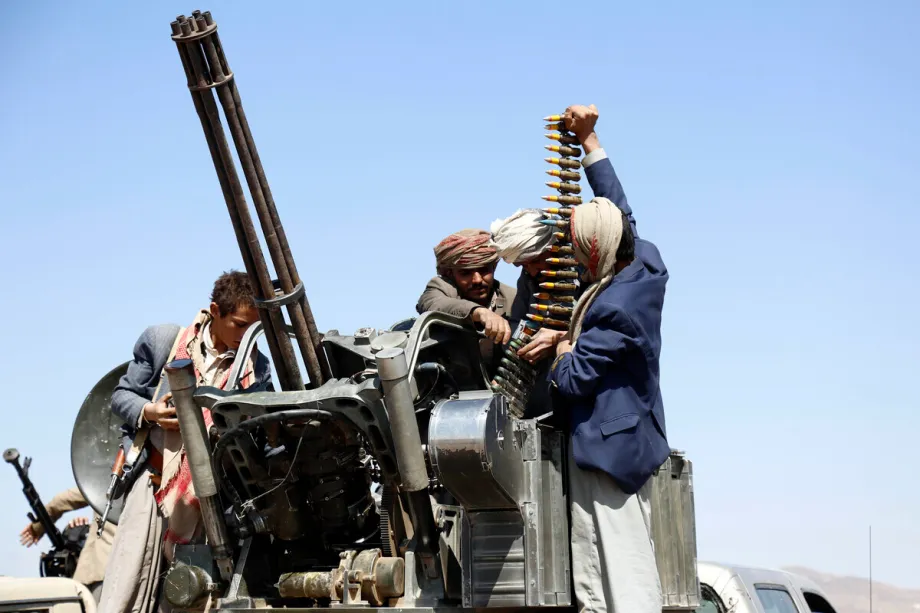
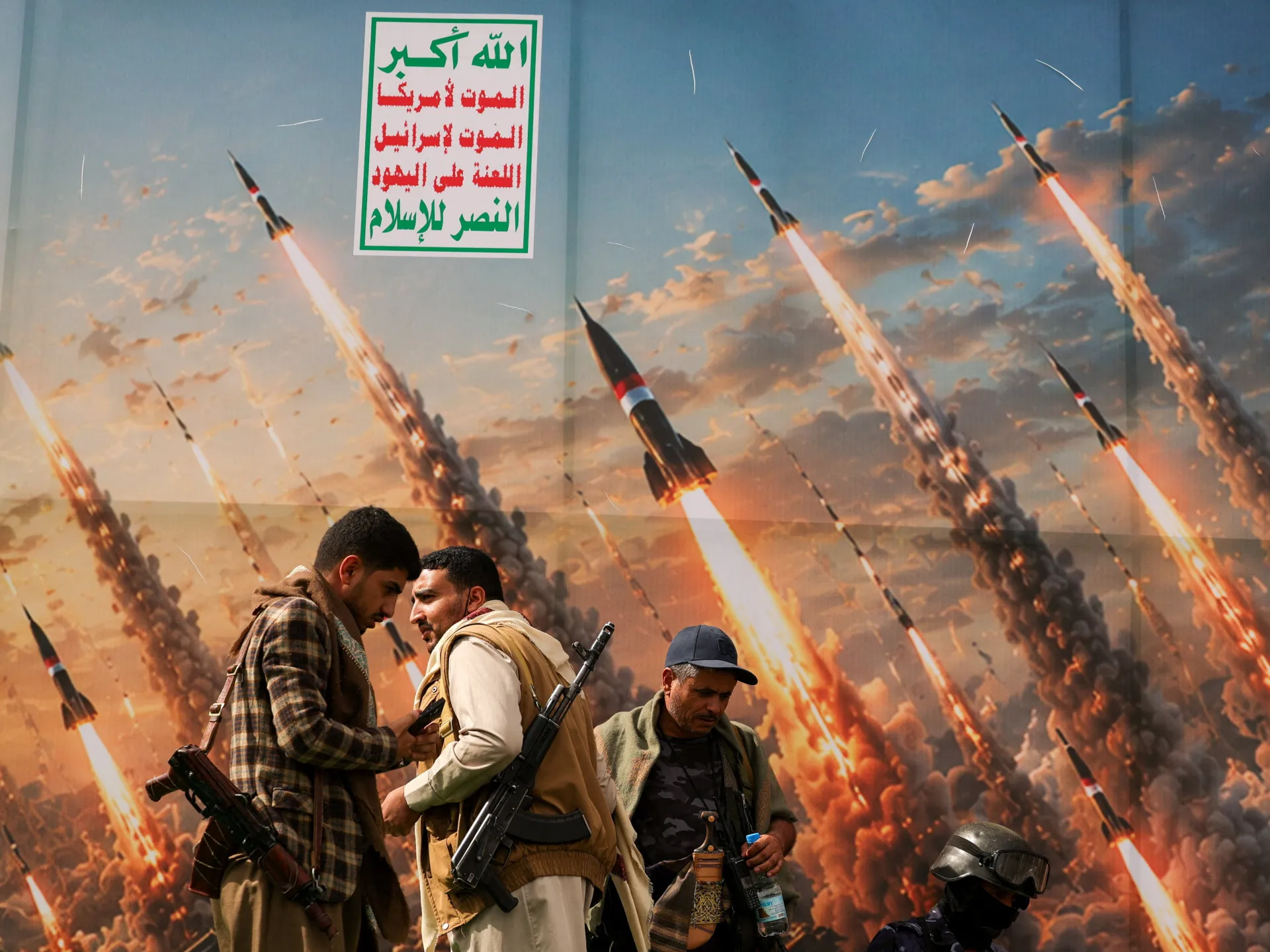
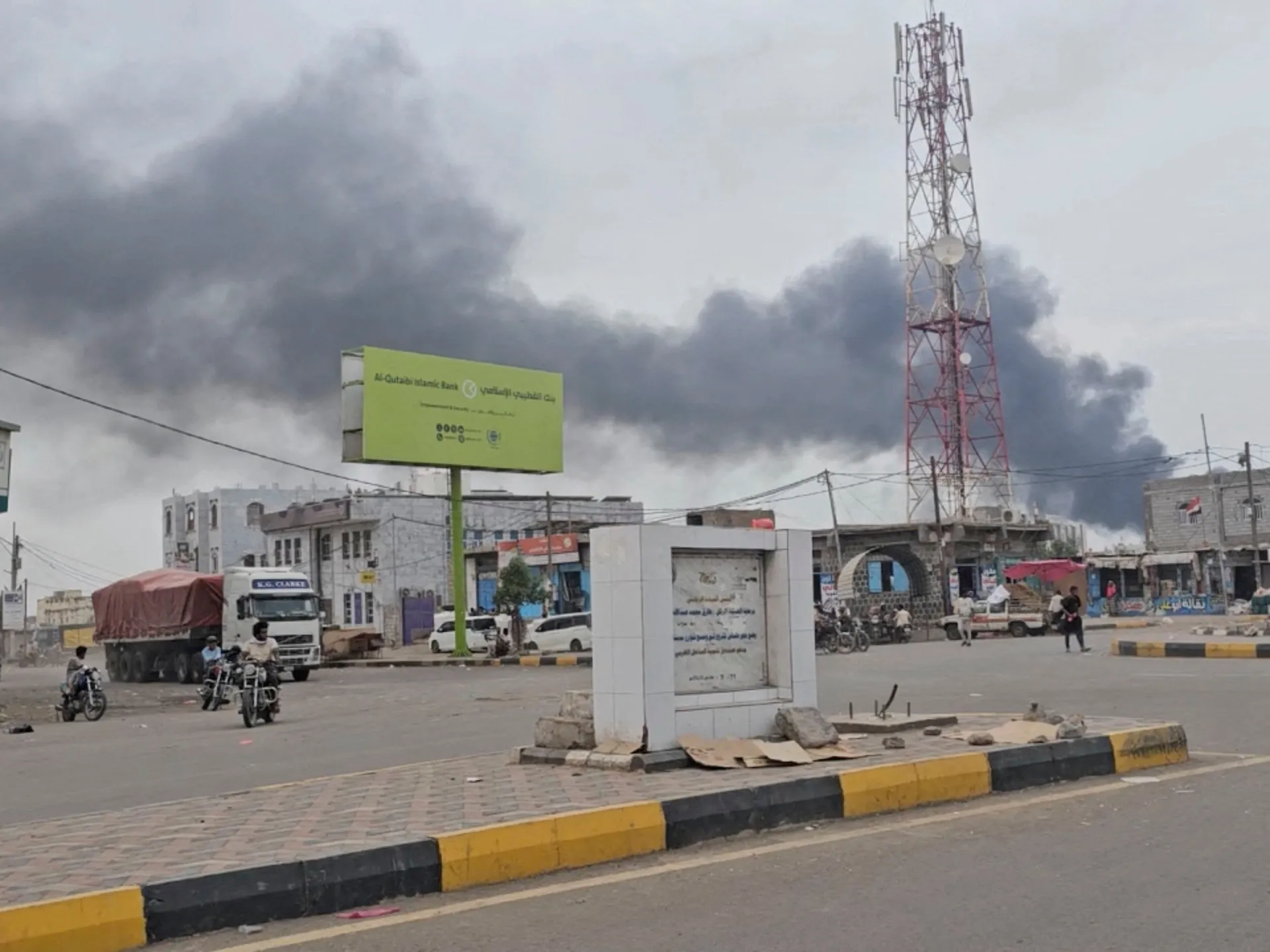
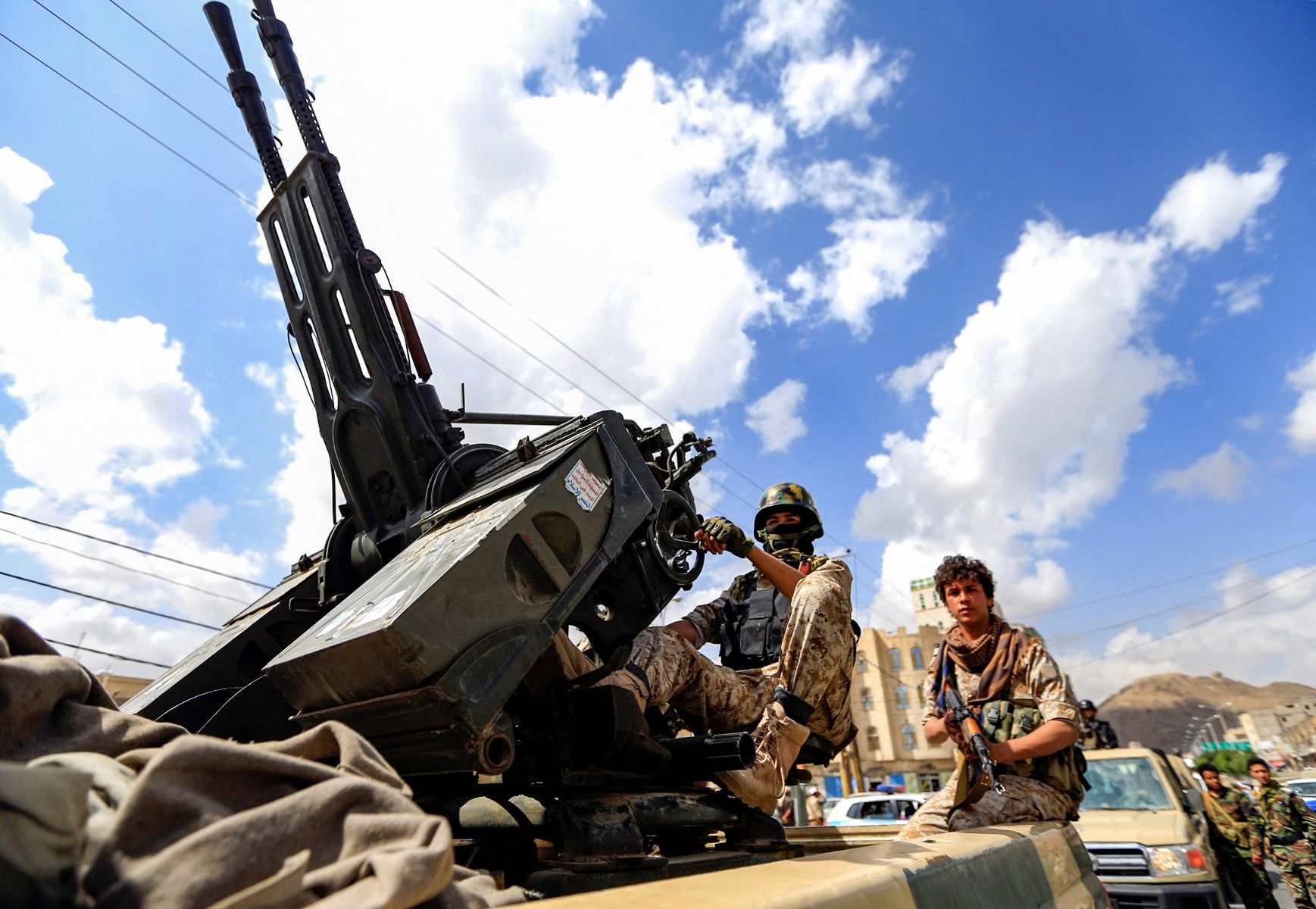
ALBAWABA- The Ansarullah Houthis launched a major overnight ground assault on government-held positions in western Taiz on Thursday, marking one of the most serious escalations along the front since Yemen’s April 2022 truce, as the group sought to penetrate the mountainous areas of Maqbanah, Al-Kadha and Jabal Habashi.The Houthis have taken control of Mount Nu'man, which contains several strategic positions and overlooks the extensive residential villages in the Al-Ashruh and Bani Bakari areas of Jabal Habashi District. The escalation has triggered widespread displacement, with residents fleeing residential villages across the district amid intensifying clashes and indiscriminate Houthi shelling.The offensive was preceded by a barrage of ballistic missiles, drones and heavy artillery. The Houthis fired nine ballistic missiles in the hours before the ground assault, while Yemeni government forces said the group also launched a broader wave of missile and drone attacks against government-held areas along the western coast. The Yemeni Armed Forces later said 14 ballistic missiles had been launched toward areas in Taiz and Hodeida, accompanied by drone attacks. The ground assault focused on positions in the Maqbanah Mountains, with Houthi fighters attempting to infiltrate Al-Ahtoub, Al-Tuwair, Al-Kadha and Jabal Ghabari, according to the government military media centre. Government forces said they halted the incursions and subsequently launched a counteroffensive supported by concentrated artillery fire. The latest fighting has produced conflicting casualty claims. Local reports cited by government-aligned sources put the government death toll at eight soldiers, including two officers, while reporting dozens of Houthi fighters killed or wounded. The government military media center, meanwhile, said more than 18 Houthi fighters were killed and others wounded or captured during Thursday's fighting. Government forces also said they shot down three Houthi drones over Jabal Habashi and the Maqbanah front. Separately, a Yemeni government official said a Houthi ballistic missile struck the Al-Wazi’iyah bridge, part of the road network linking the Red Sea port city of Mokha with Taiz city through western Taiz. Heavy fighting has erupted in Yemen’s Taiz as Houthi fighters reportedly attack several areas. Government forces have sent reinforcements amid fears the Taiz-Mokha road could be cut off. Al Jazeera’s Yousef Mawry reports live. pic.twitter.com/4OnLDgGefy— Al Jazeera English (@AJEnglish) September 3, 2026 The latest offensive follows weeks of Houthi military mobilization around western Taiz. Local sources have reported the arrival of additional fighters and military equipment along the Maqbanah front, including more than 30 military vehicles in recent days. The geography gives the fighting wider strategic significance. Maqbanah and the surrounding mountainous areas overlook approaches toward the western coast and lie near routes connecting Taiz with Mokha, which is close to the Bab al-Mandab Strait. Control of these positions could therefore improve the Houthis' ability to threaten government supply lines and exert pressure on the Taiz–Mokha corridor. The escalation follows a broader deterioration in Yemen's relative calm since July. On August 6, Houthi missile and drone attacks on government military camps in Marib and Hadramout killed at least 30 government soldiers, according to Yemeni government sources, in what was described as the deadliest episode of the renewed fighting at that point. The escalation then spread to Taiz and the western coast. On August 9 and 10, the Houthis launched successive missile and drone attacks on Mokha, killing at least 11 people in the initial strikes and another seven in subsequent attacks, according to Yemeni authorities and international reporting. Fighting subsequently intensified along the Maqbanah and Al-Barh fronts. Government-aligned forces reported killing more than 27 Houthi fighters and wounding 19 others over three days in mid-August, while government forces also conducted drone strikes against Houthi positions and reinforcements in Maqbanah. The latest offensive thus represents an escalation from the recent pattern of missile and drone exchanges into sustained ground combat over strategically important mountain positions. The combination of pre-assault missile fire, drone attacks, troop mobilization and attempts to advance through Maqbanah and toward Jabal Habashi suggests that the Houthis are seeking to put greater military pressure on government-held western Taiz rather than relying solely on stand-off attacks.The fighting has also triggered fresh displacement. Local reports said dozens of families fled areas around the confrontation lines as missiles and artillery fire intensified, adding to the burden on civilians and internally displaced people already affected by years of conflict.The renewed fighting is particularly significant because Yemen had experienced a relative lull in large-scale hostilities since the UN-brokered truce of April 2022. Although the truce formally expired in October that year, the broader reduction in frontline fighting largely held for several years.