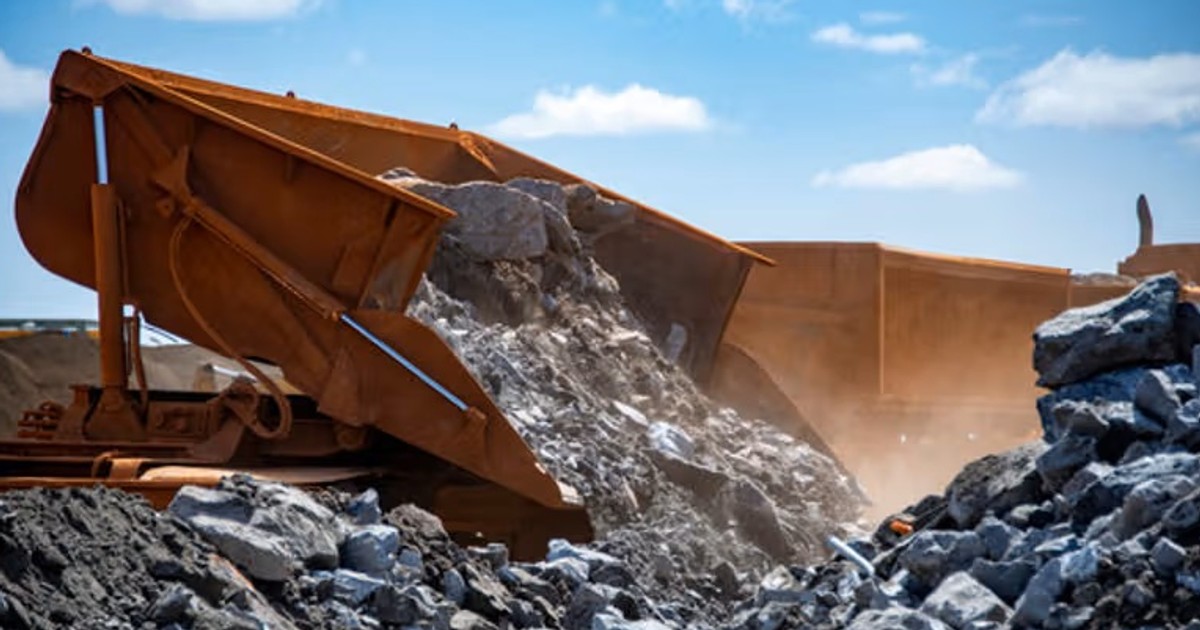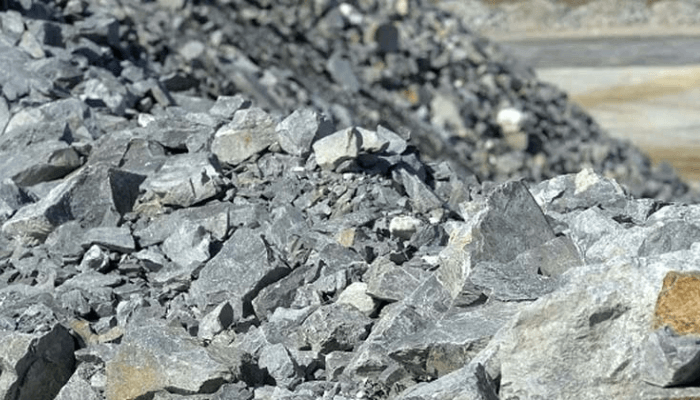
Stakeholders in Nigeria’s energy and solid minerals sectors are escalating calls for a decisive policy shift from raw material extraction to domestic processing, warning that the country risks missing out on the massive economic gains of the global energy transition if it continues to export unprocessed critical minerals like lithium, copper, and cobalt.
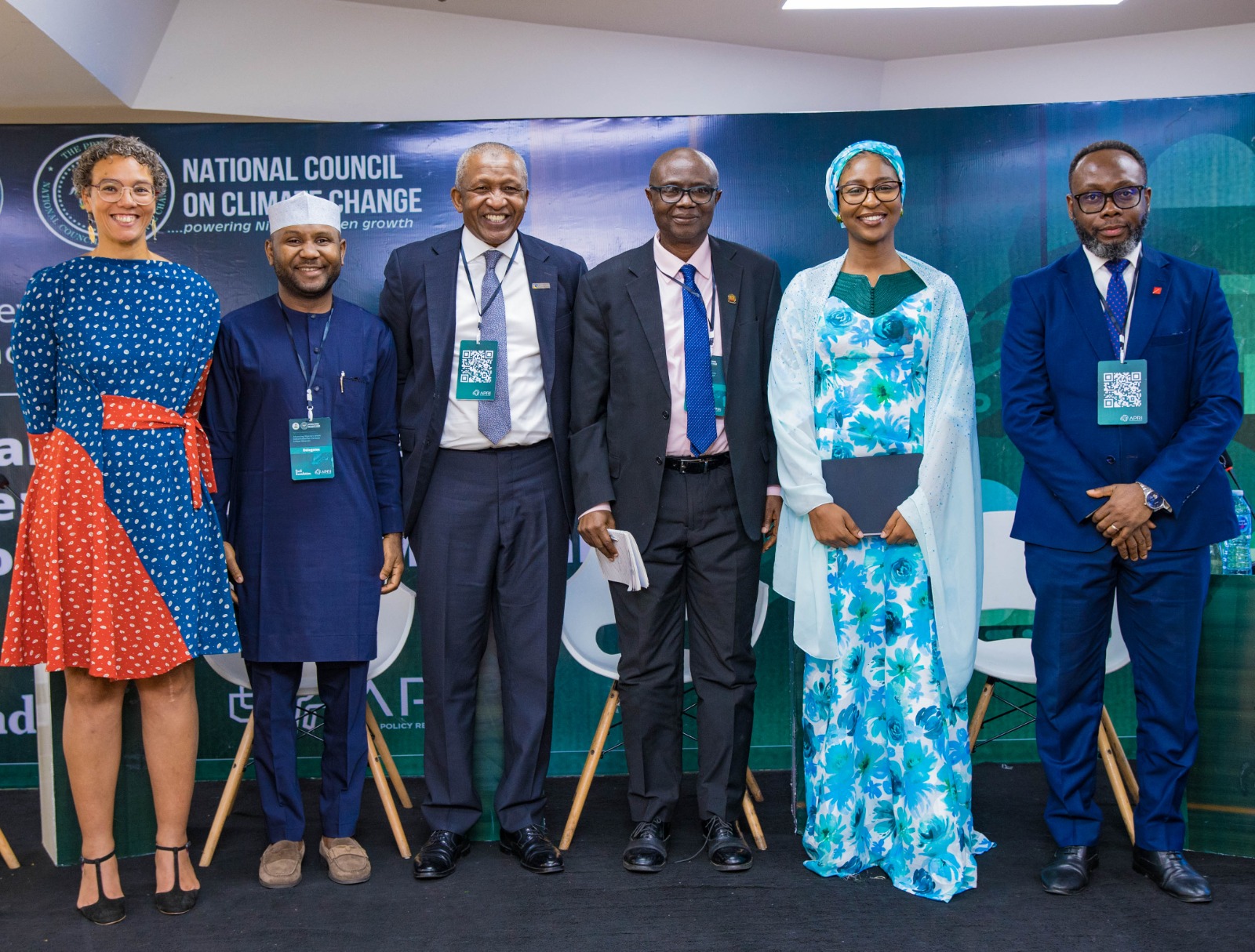
The consensus emerged at a high-level strategic convening in Abuja organized by the National Council for Climate Change (NCCC), with technical and financial backing from the Africa Policy Research Institute (APRI) and the Ford Foundation. Themed “Advancing Nigeria’s Green Industrialisation Through Critical Minerals,” the meeting brought together public sector leaders, development partners, and private sector actors to chart a sustainable roadmap for the country’s energy transition assets.
Speaking during the event, Tenioye Majekodunmi, Director General of the NCCC, stressed that Nigeria must desist from transacting minerals, such as lithium, copper, and manganese as simple replacements for crude oil in Nigeria’s export ledger.
She said that extracting resources from Africa, exporting them in their lowest value form and importing them back as expensive finished products is not industrialization. Noting that not every stage of the value chains can be localized, Majekodunmi said operators must be deliberate about identifying where Nigeria has a genuine competitive advantage and building domestic capacity there.