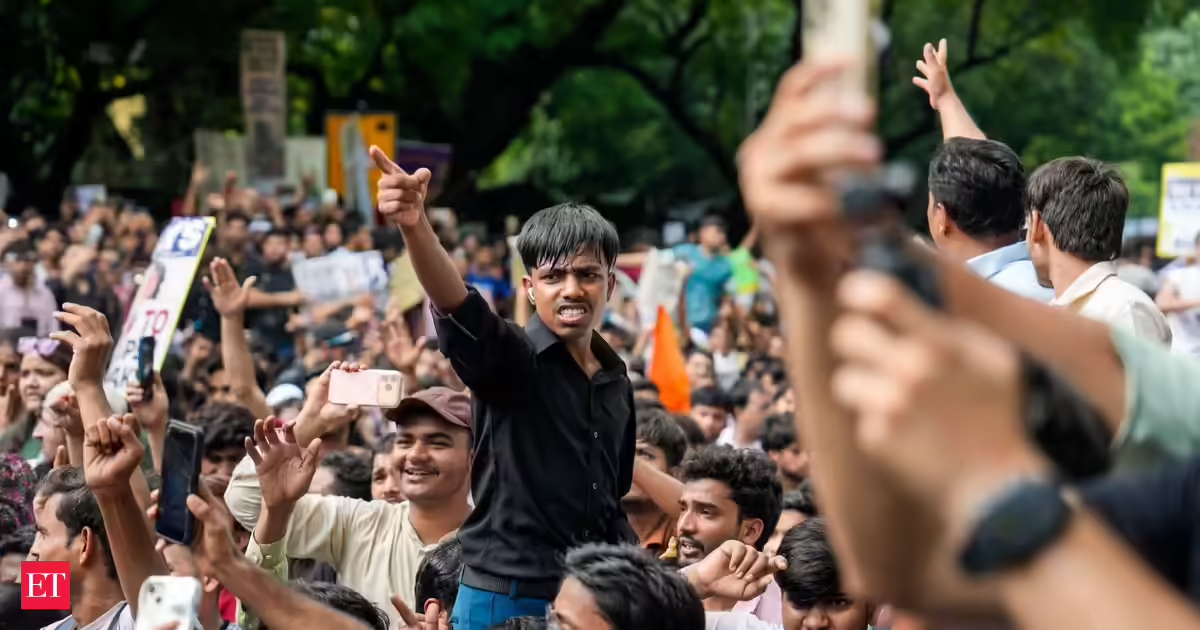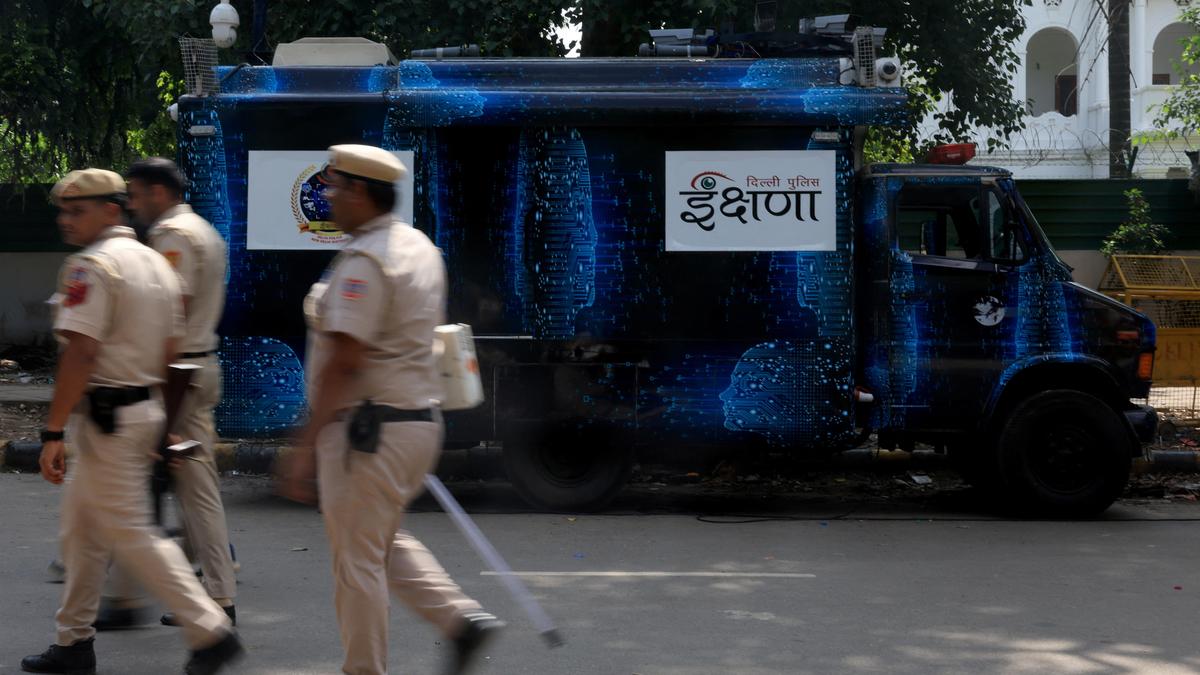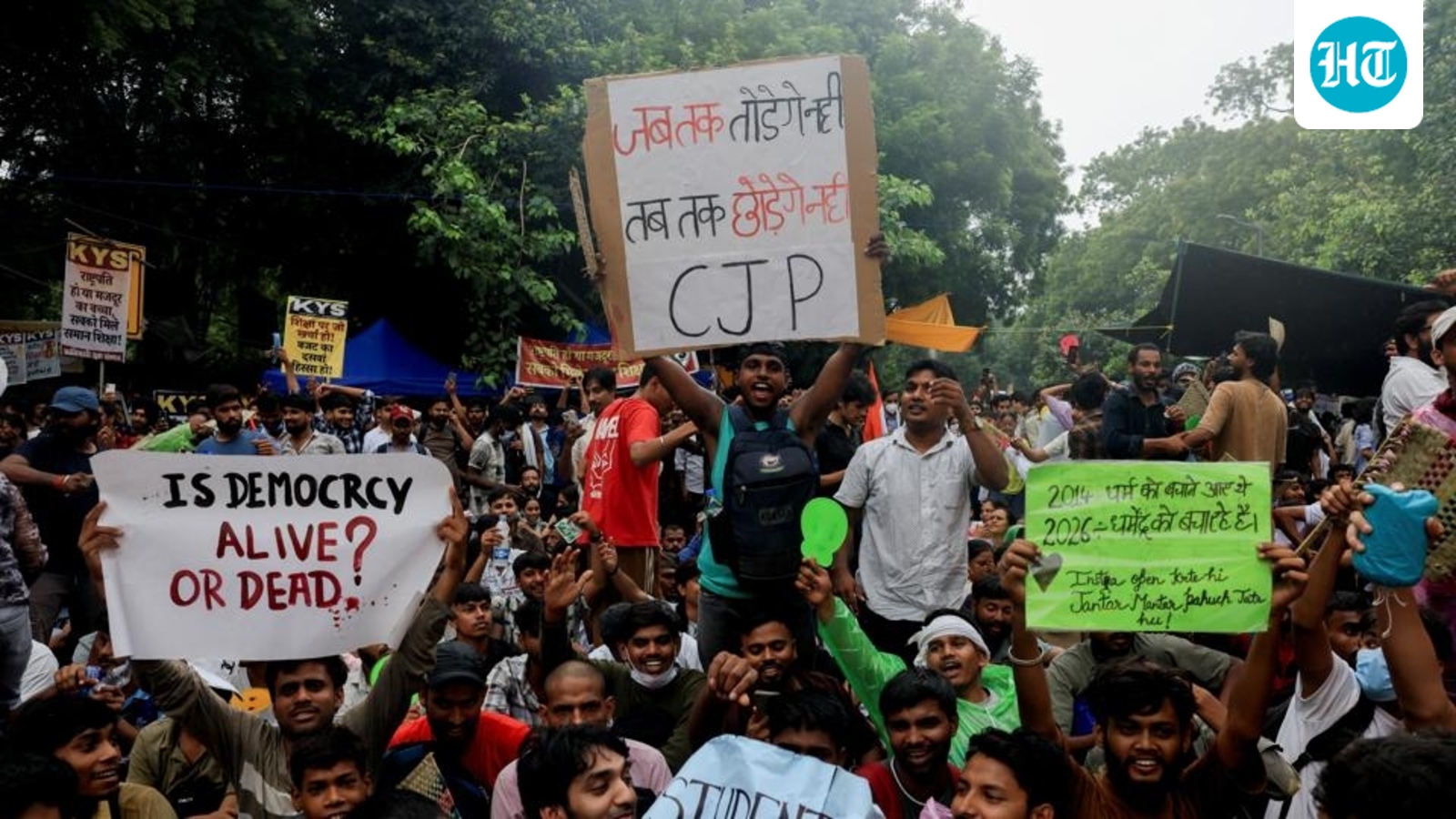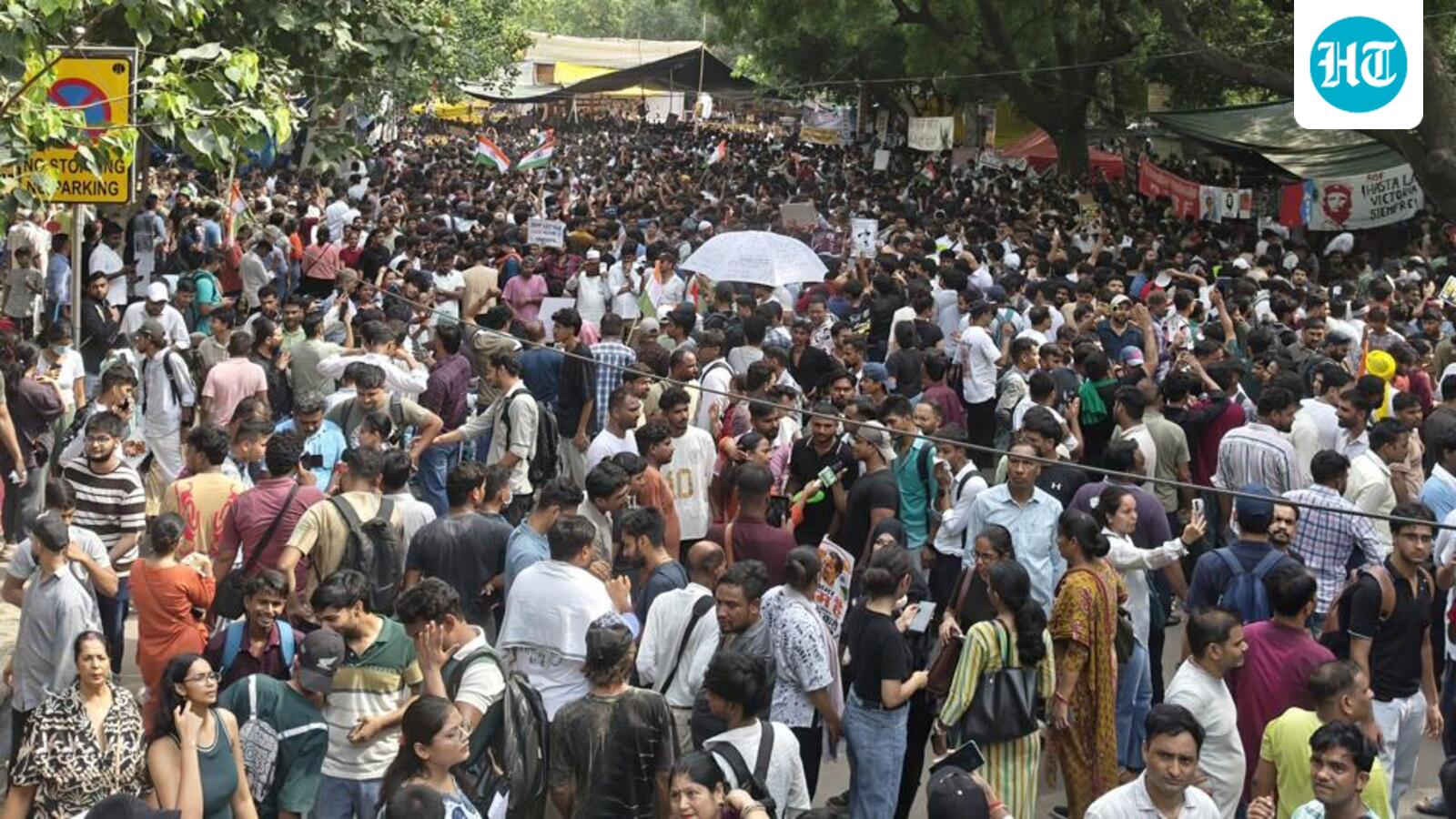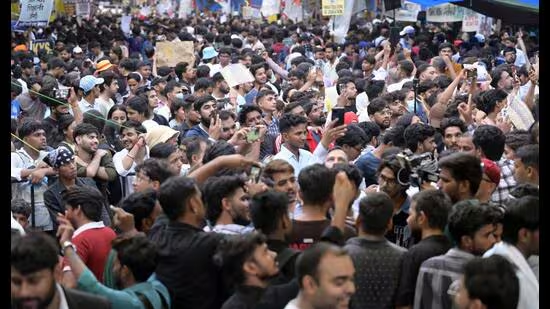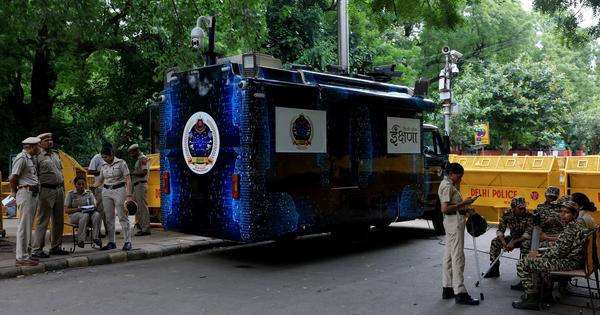
Of the 2,873 persons that the facial recognition software identified as allegedly having criminal records among those present during the youth protest at Jantar Mantar, 25 were in jail according to police and court records when they were spotted, The Indian Express reported on Friday.The police had submitted the data to the Supreme Court on August 17 during the hearing in a case alleging that the police used excessive force against the protesters during the march to Parliament on July 20.It said that its facial recognition software identified persons at the protest site whose “particulars matched with existing records available in official police databases”, reported the newspaper.However, the police did not specify if those identified were accused, convicts or only named in criminal cases.The Indian Express reported that an investigation of the records showed that of the 25 persons, allegedly in jail but present at the protest site, 17 face charges of murder, four of rape and four more of attempt to murder.In its affidavit, the police had told the court that “no actions are taken solely based upon the result of the facial recognition system”.After the face is recognised, field verification is done as the person’s details are already in police records, the police said. If it is found during the process that the person was present at the site, action is taken, the police added.In 2022, in response to a Right to Information query, the police said they considered a match “positive” if the facial recognition system achieved an accuracy rate of 80%. This could, however, depend on the algorithm, camera angle, lighting, image quality, masks and the database being searched.In response to the newspaper’s questions about the findings, the police said on Friday that further investigation was pending.Action against identified individualsThe Union government had moved the Supreme Court on Monday seeking to quash all first information reports filed in connection with the youth protests. However, it said that it would continue the investigation against the 2,873 persons with criminal records at the protest site.The government said that the investigation would focus on “bodily harm or destruction of property”, proposing to register a single, fresh FIR against the identified persons.On Tuesday, the court allowed the government to proceed with the proposal, while ordering that all other FIRs registered in connection with the protests be quashed.Subsequently, the Cockroach Janta Party political campaign withdrew its call for a march on Saturday, which it had called, alleging that the Union government had failed to “honour its July 25 commitments”. The commitment had led the campaign to call off its protest at Jantar Mantar at the time.One of the demands was that “no punitive action would be taken against any protester, either now or in the future” in any state ruled by the Bharatiya Janata Party or its National Democratic Alliance partners.The youth protests began on June 6, when the Cockroach Janta Party held a demonstration at Jantar Mantar demanding the resignation of Dharmendra Pradhan, the Union education minister at the time.On July 20, thousands joined the protest. This came two days after the police forcibly took activist Sonam Wangchuk, who had been on a hunger strike for three weeks, to hospital.The protesters’ march to Parliament was met with a crackdown by police. Dozens were injured as the police used lathis and fired tear gas shells and pellet guns at the demonstrators. The police action turbocharged the agitation, which spread to other parts of the country. Pradhan resigned as the education minister on July 25.Edited by Nachiket Deuskar.
At Jantar Matar, facial recognition ‘spotted’ 25 persons who police say were in jail: Report
The government has said it would continue to investigate 2,873 persons at the protest site who were identified to allegedly have criminal records.
586 words~3 min read