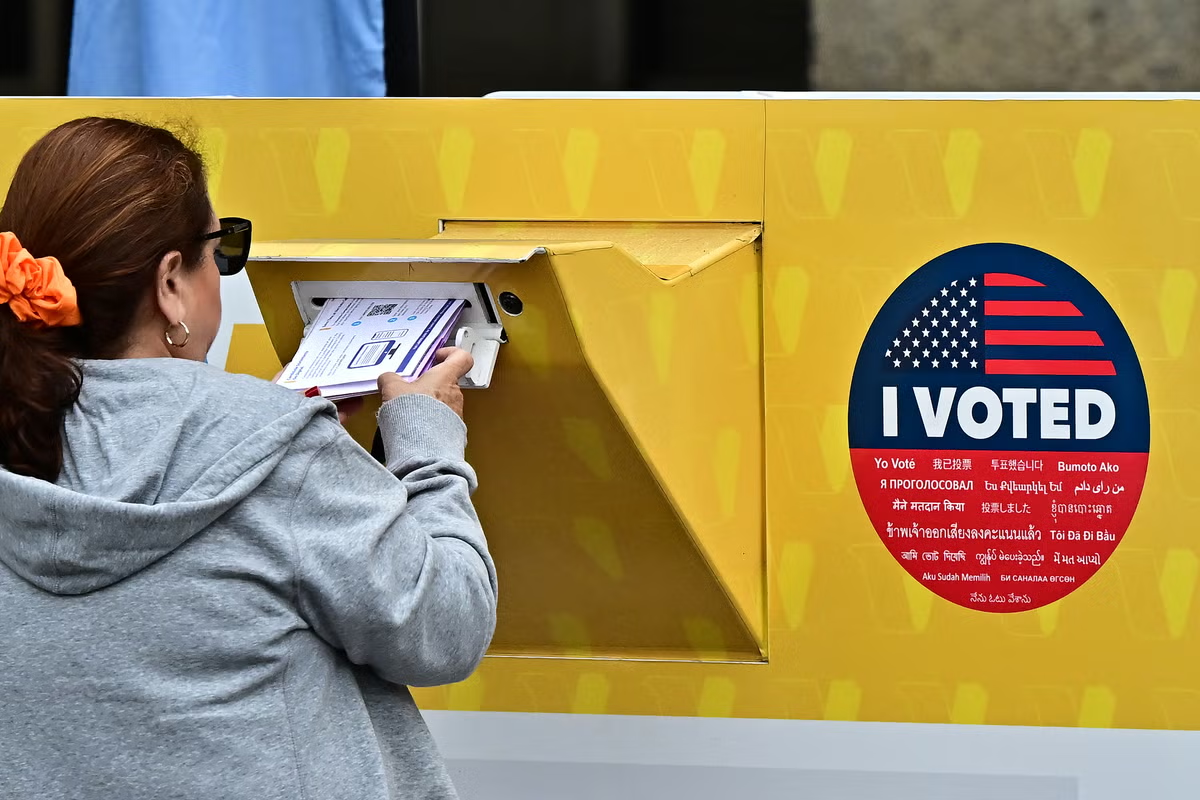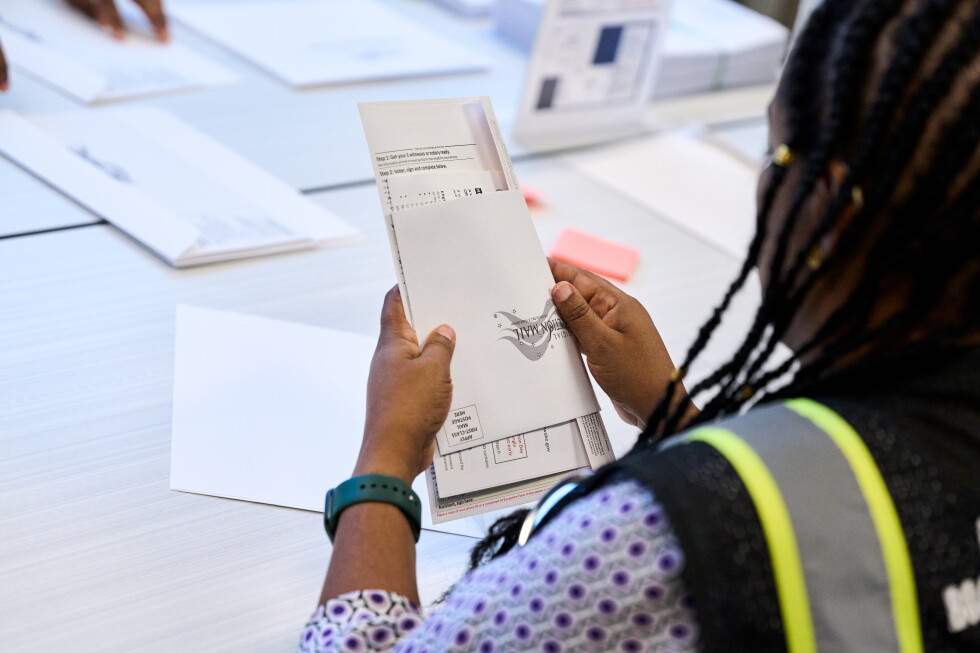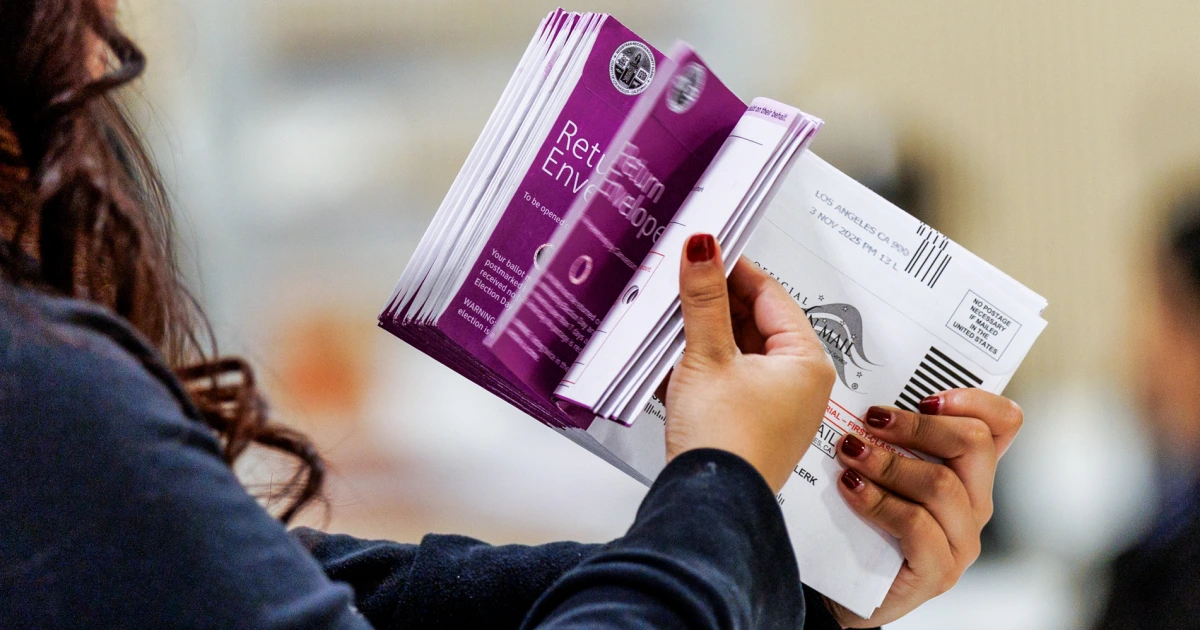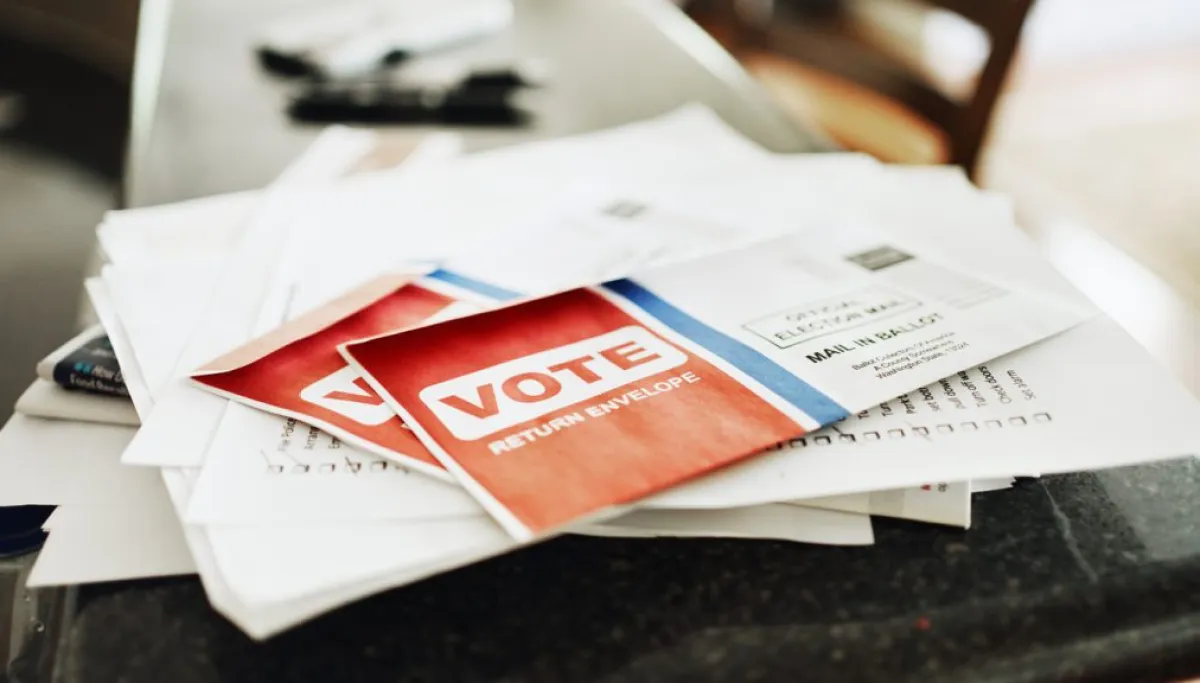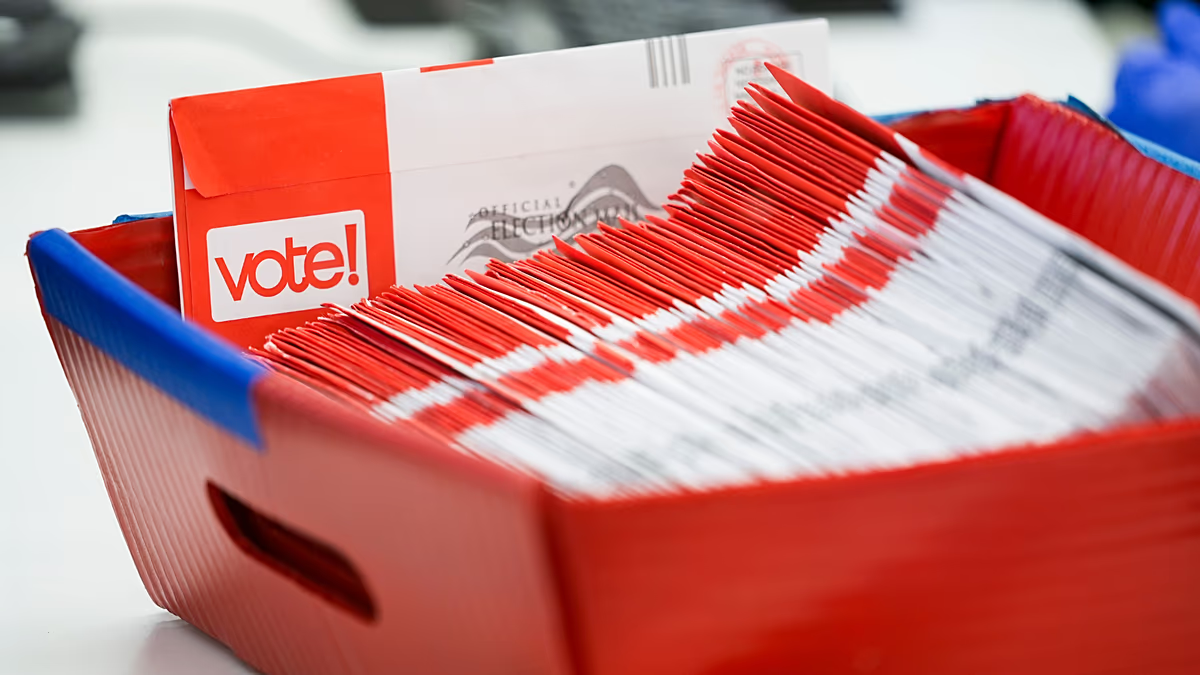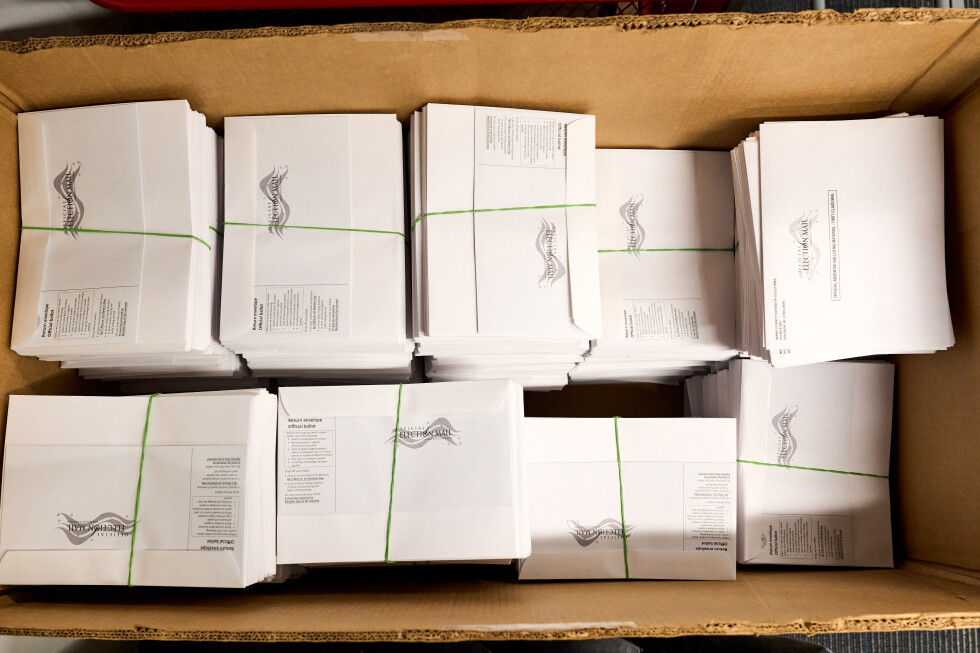
Mail-in voting in the 2026 midterm elections officially begins Friday in North Carolina, even as the rules governing those votes remain uncertain amid an ongoing legal fight.
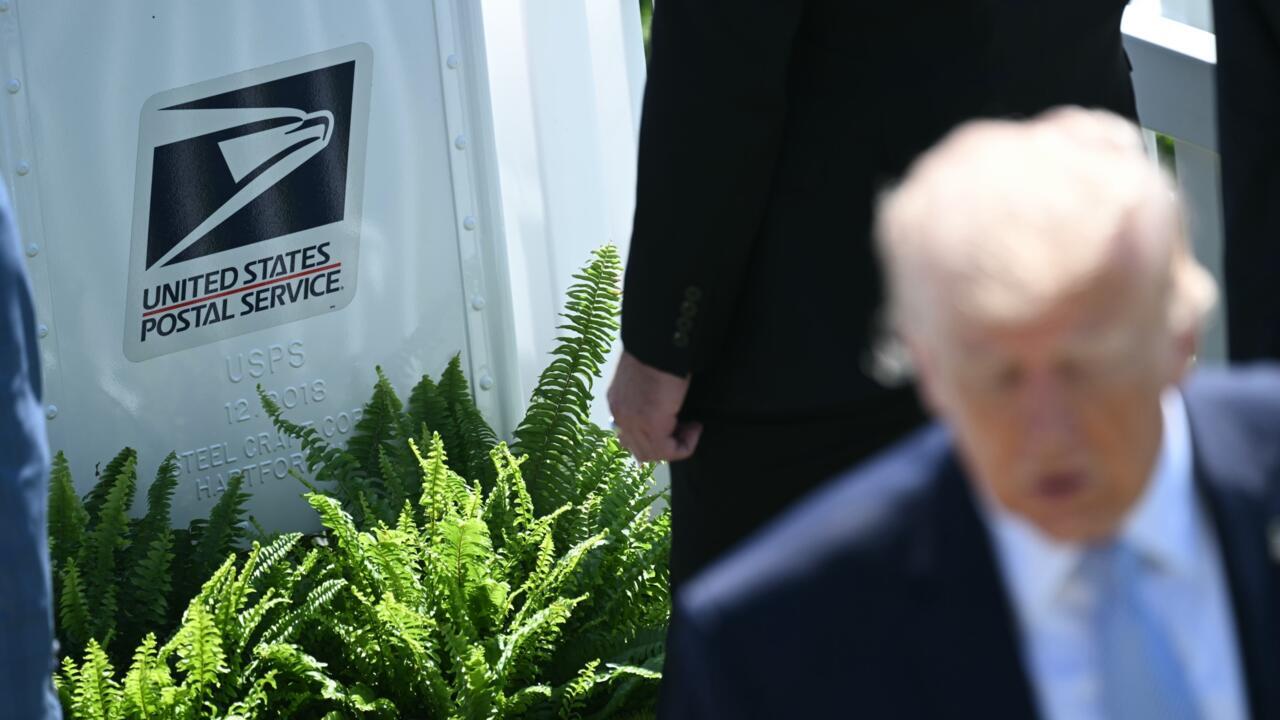
A federal judge has, for now, temporarily blocked the US Postal Service from enforcing new mail-in voting requirements stemming from a sweeping executive order signed by President Donald Trump in March. The pause came days after the Supreme Court ruled that the Trump administration could begin implementing parts of the order.
Beyond the legal uncertainty, the effort is facing internal concerns at USPS. A whistleblower report alleges that USPS officials have flagged significant IT concerns about a new system for verifying mail ballots.
Voting by mail has grown significantly and has become a popular and well-established part of US elections over the past two decades. States set their own rules for who can vote by mail, creating a patchwork of policies that has shifted considerably over the past two decades.
In 2000, 21 states allowed any voter to cast a ballot by mail. Today, 37 states and the District of Columbia do, while another 13 states offer mail voting with some restrictions, according to the Center for Election Innovation & Research.