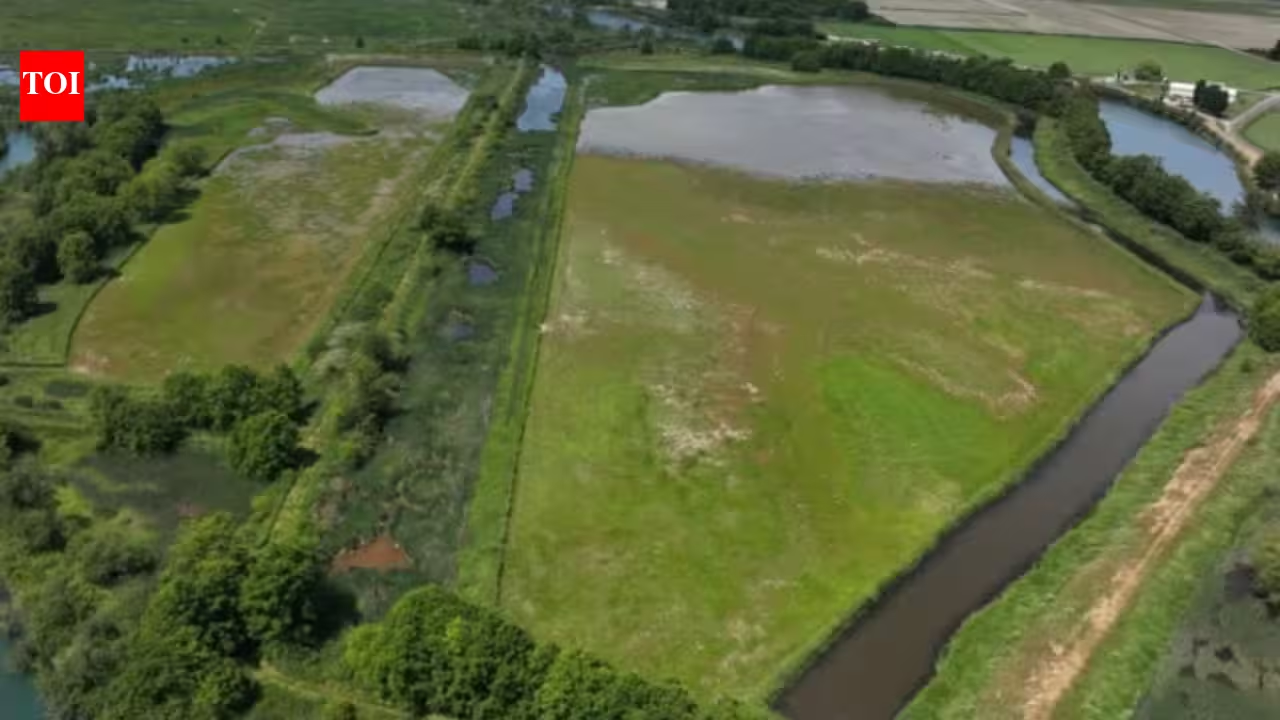
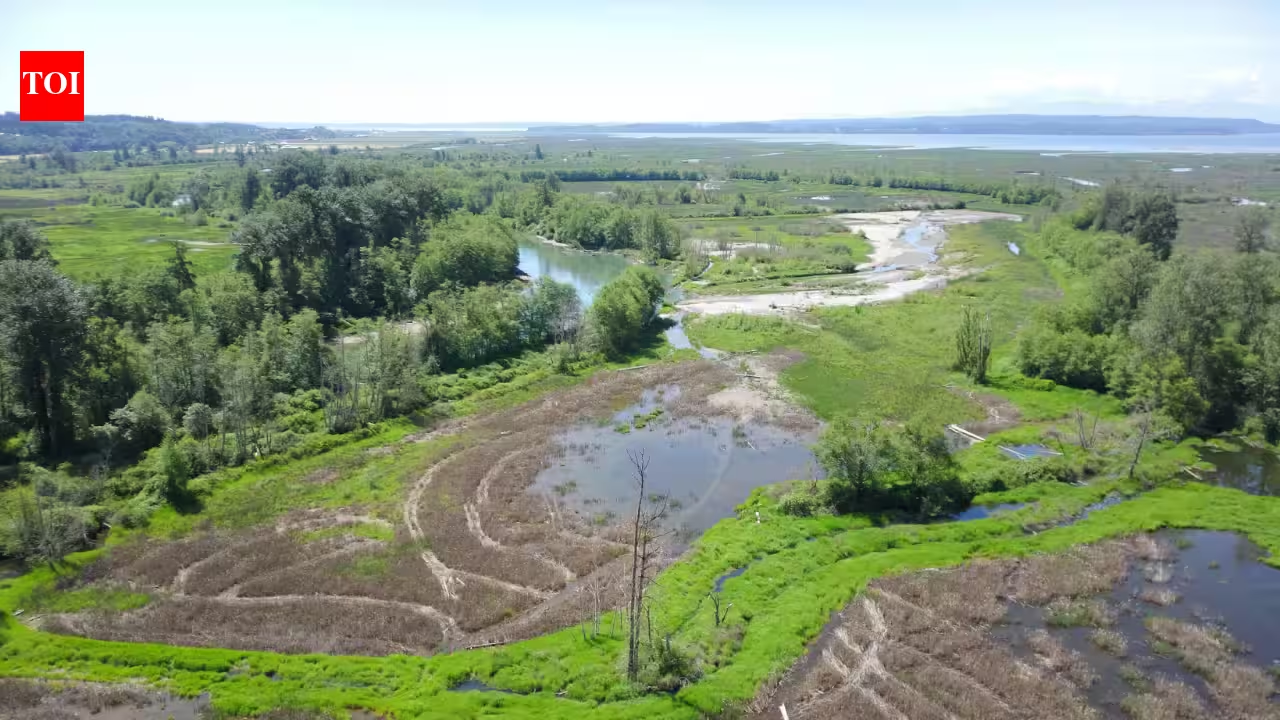
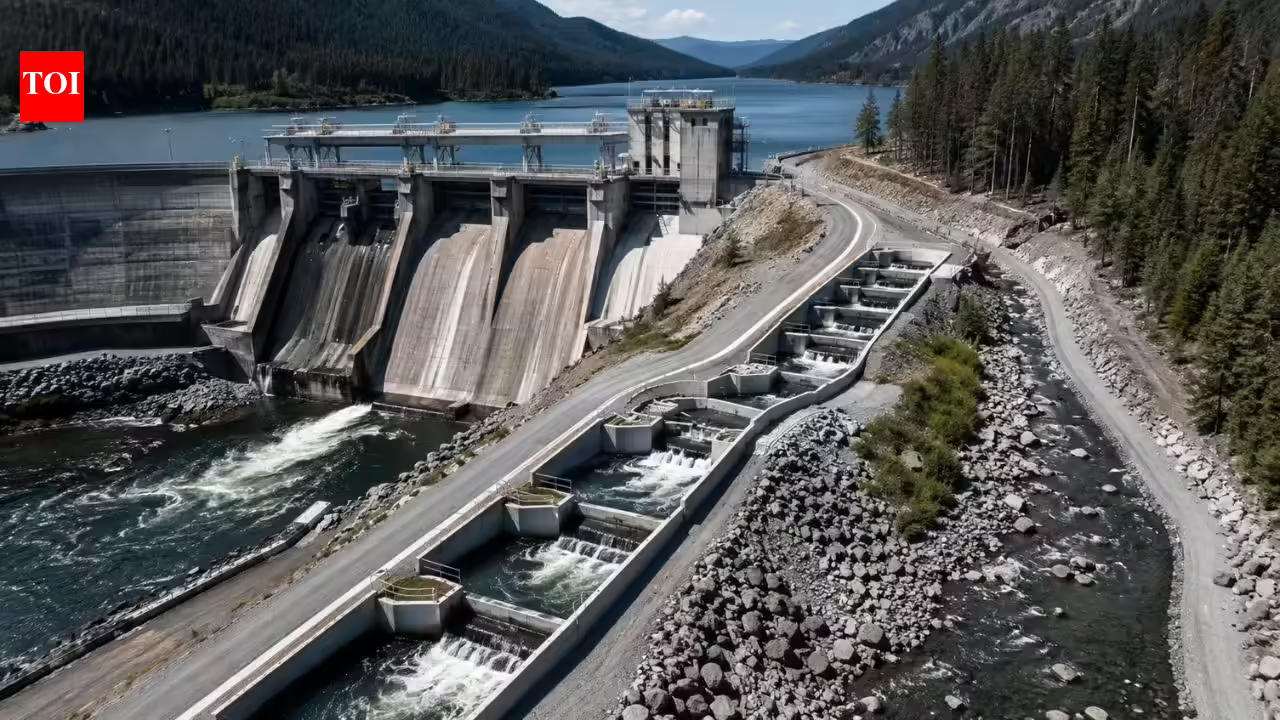
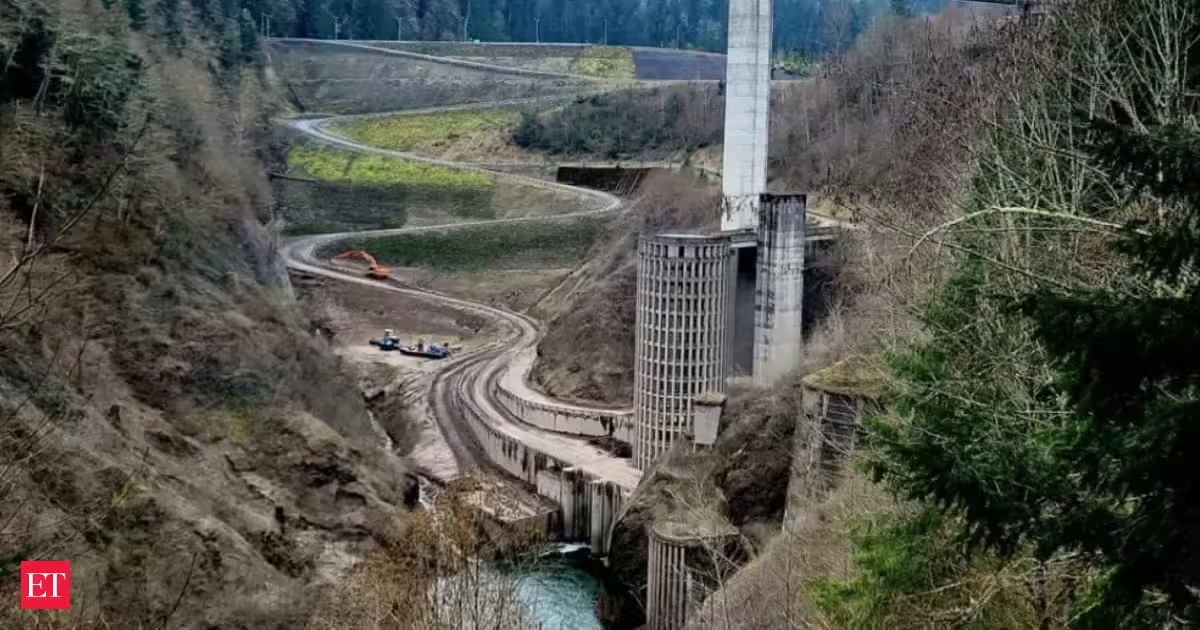
Floodplains can provide important habitat for fish while also influencing how water moves through a river system. In Washington's Barnaby Reach, a long-term restoration effort has focused on removing infrastructure, improving connections between floodplain habitats and restoring fish passage.Phase 1 of the project focused on removing infrastructure at Barnaby Slough to improve water flow and fish passage. It also included the design and construction of culvert projects planned to restore fish passage and address flooding challenges for residents along Martin Road.The initial phase was completed as part of a larger, planned multi-phase restoration project involving the Skagit River System Cooperative, Department of Fish and Wildlife, Seattle City Light, and The Nature Conservancy. The partners had been functioning with the nearby community for almost a decade to enhance habitat conditions while reducing flooding and erosion concerns in the Barnaby Reach.A floodplain shaped by the riverThe Barnaby Reach of the Skagit River runs from the mouth of Illabot Creek downstream to the Sauk River for more than four miles.Historically, the river moved across a wide floodplain in this region. That movement resulted in a network of sloughs, wetlands, ponds, side channels and other off-channel habitats.These floodplain environments offer spawning and rearing habitat for Chinook salmon and other species. Over time, however, the area was altered by dikes, culverts and other infrastructure connected with a hatchery facility that is no longer operating.Much of the land within the Barnaby Reach is held in conservation or public ownership. According to the project information, that ownership pattern created an opportunity for significant floodplain restoration.First phase focused on Barnaby SloughPhase 1 included final design and construction work focused at removing infrastructure from Barnaby Slough. The objective was to improve floodplain connectivity and restore fish passage.Construction happened in 2021 and involved many major changes to the site.The project removed extensive dikes and flow control structures in Barnaby Slough. Unused hatchery facilities and related infrastructure were also removed, alongside five wells.Another component involved decommissioning a culvert that had linked Barnaby and Harrison Sloughs. An 80-foot pedestrian bridge was installed over the Lucas connector channel, while a recreational parking region was relocated.The project finished under budget because of unexpected efficiencies during construction.Martin Road work was not completedThe original plans also included culvert and drainage activities along Martin Road. However, no construction was completed for those elements as there was insufficient landowner support.As a result, the completed work in Phase 1 centered on Barnaby Slough and the associated infrastructure removal, fish passage and floodplain connectivity improvements.A broader restoration effortThe Barnaby Reach project represents the first phase of what was planned as a larger, multi-phase restoration project. The work brought together the Skagit River System Cooperative, Department of Fish and Wildlife, Seattle City Light and The Nature Conservancy, alongside the nearby community.The completed Phase 1 work removed infrastructure that had affected Barnaby Slough, restored fish passage elements and improved floodplain connectivity. The 80-foot pedestrian bridge over the Lucas connector channel was among the infrastructure changes completed during the 2021 construction.While the planned Martin Road culvert and drainage work did not move forward because of insufficient landowner support, the Barnaby Reach restoration work established the completed first phase of the broader project.Source: Salmon Recovery PortalFAQs:Q1. Where is the project located?The project is located in the Barnaby Reach of the Skagit River. The reach extends from the mouth of Illabot Creek downstream to the Sauk River.Q2. What was the main focus of the project?The project focused on improving floodplain connectivity and restoring fish passage. It also addressed infrastructure affecting Barnaby Slough.
In 2021, Washington's Skagit River System Cooperative installed an 80-foot bridge over the Lucas channel. 5 years later, the project has helped reconnect fish habitat across the floodplain
A restoration project in Washingtons Barnaby Reach has focused on improving floodplain connectivity and fish passage by removing infrastructure at Barnaby Slough. The first phase included extensive dike and flow control structure removal, demolition of unused hatchery facilities, removal of five wells, decommissioning of a culvert, installation of an 80-foot pedestrian bridge over the Lucas connector channel, and relocation of a recreational parking area. The Skagit River System Cooperative, Department of Fish and Wildlife, Seattle City Light, The Nature Conservancy and the nearby community have worked together on restoration and flood-related concerns.
587 words~3 min read