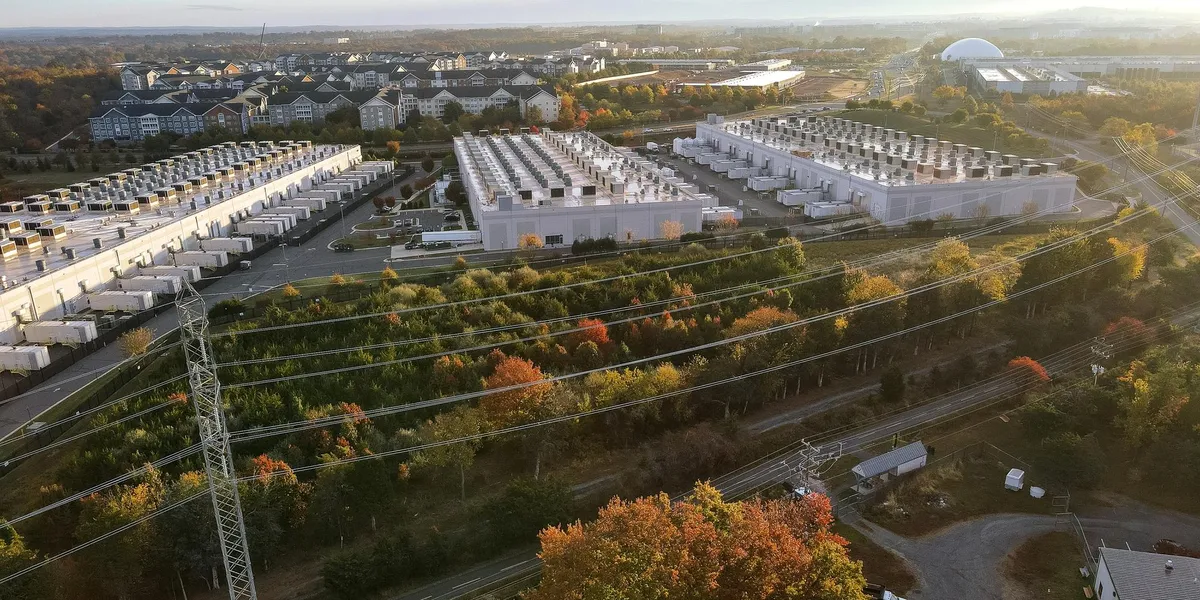
AI is expanding faster than any technology in history, propelled by competing hyperscalers and millions of users. And as a result, the data centers built to enable this growth have drawn scrutiny from communities and across party lines, including concerns over higher electric bills.
But there’s also an emerging imbalance: OpenAI, Google and Meta can finance and build AI infrastructure faster than the U.S. can build the electricity generation and transmission needed to power it.
“There is a real disconnect there,” Rob Gramlich, president of consulting firm Grid Strategies, told Fortune. He said tech companies are famous for moving fast while utilities “notoriously move very slowly” because they have to ensure thousands of pieces of an interconnected grid are working together, which requires “deliberate study and planning” that can take years.
This creates a “mismatch in timing,” Gramlich said, which is why the electric grid might not be ready to meet data centers’ electricity demand. They’re projected to consume nearly 12% of all U.S. electricity by 2030, nearly six times the pre-AI boom share in 2018, according to the Lawrence Berkeley National Lab, a federally funded scientific research center focusing on energy.