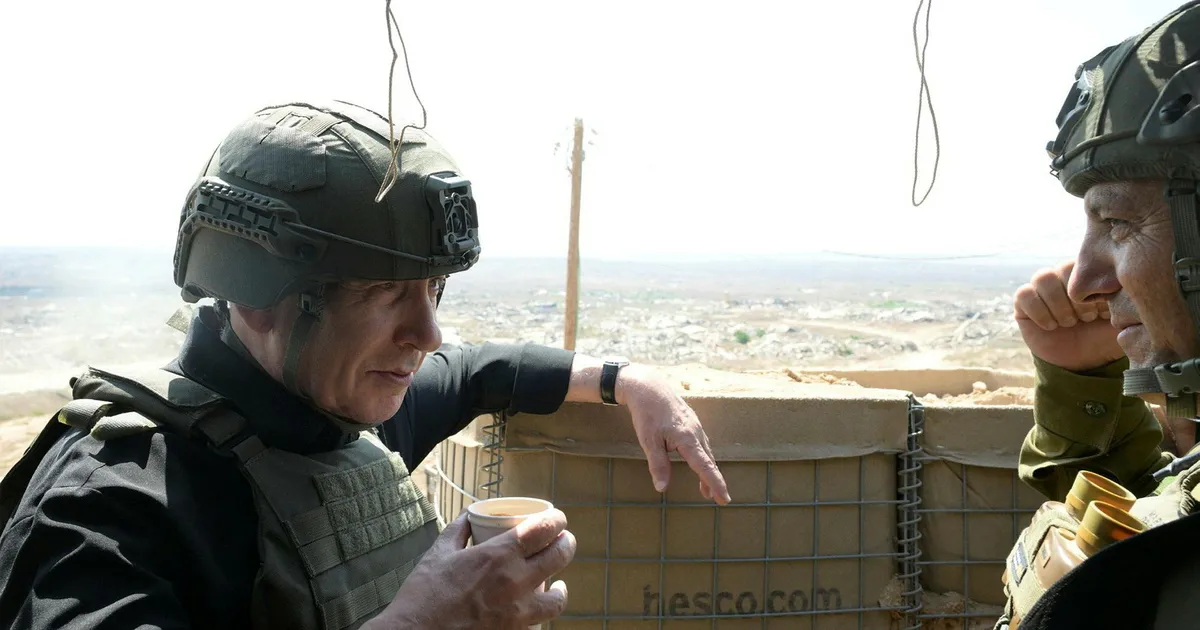
It is now abundantly clear: Conspiracy is the central message of Likud’s campaign regarding the events of October 7, 2023.
The party is cultivating the “betrayal” theory, and despite all official denials, it repeats it time and again. The narrative has been steadily making its way from the most junior activists all the way up to Likud’s most senior politicians and back again, including the prime minister himself and his inner circle.
With no way to escape responsibility for the terrible failure that enabled Hamas to invade southern Israel, massacre 1,200 people and seize 251 hostages, the political leaders who were culpable and their acolytes are casting blame on senior figures in the military and security establishment who supposedly engineered this disaster deliberately, as horrific as that sounds. Benjamin Netanyahu’s Likud has prevented the establishment of a state commission of inquiry into October 7 for three years, making it far easier for people within the party’s ranks to spread the betrayal narrative.
There is no truly effective way to confront such an elusive theory; it is like fighting ghosts and phantoms. It is worth noting that, according to recent polls, close to 40% of the public buy into the possibility that there was a conspiracy behind October 7; Benjamin Netanyahu and his allies intend to win next month’s election on that very basis.