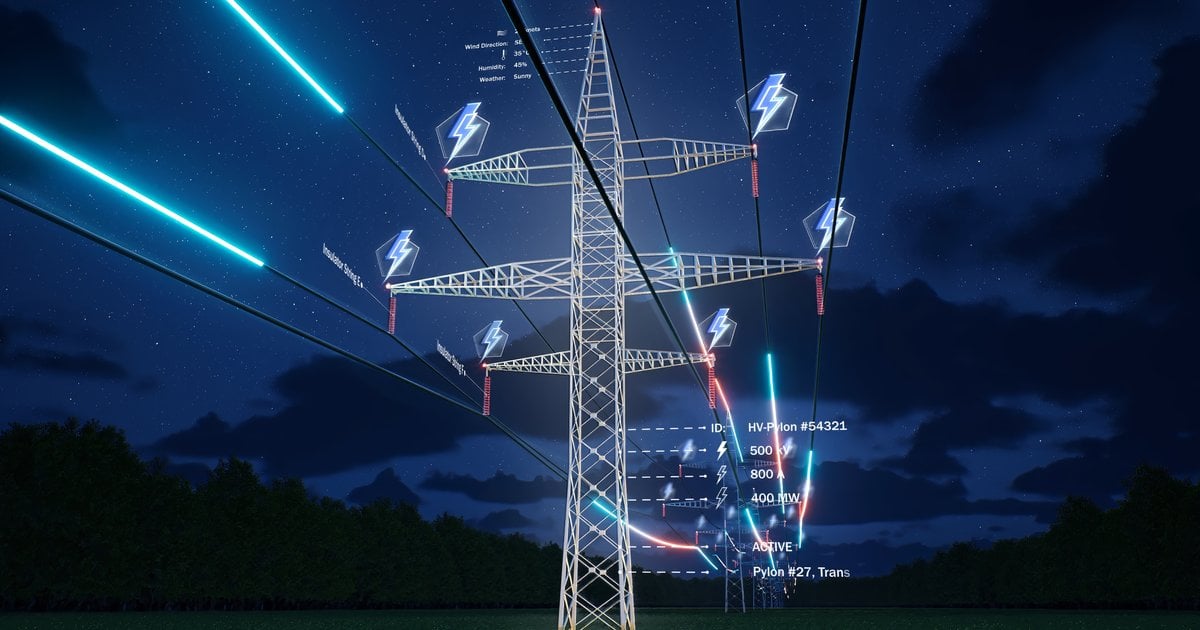
Phantom capacity is the planning problem underneath Texas's decision to freeze new data center grid connections, and the problem has less to do with megawatts than with whether the demand signals feeding the queue can be trusted. On August 3, Governor Greg Abbott ordered the Public Utility Commission of Texas and ERCOT to stop approving new grid connections for data centers until every pending request could be audited. The stated rationale was power and water usage. Underneath that rationale sits a planning-architecture problem: nobody — not ERCOT, not the PUCT, not the developers filing the requests — could say with confidence how much of the capacity sitting in the interconnection queue represented projects that would actually get built.
That distinction matters more than the headline. Most coverage of this story is framed as an AI-power-consumption problem: too many data centers, not enough grid. That framing is wrong, or at least incomplete. If those 474 gigawatts represented verified, committed demand, nobody would be writing about a moratorium — they'd be writing about a generation shortfall, which is a different problem with different solutions. The story exists because Texas can't tell the difference between a data center that will get built and a placeholder reservation filed to lock in a queue position. That's not a power problem. It's a planning-signal problem, and it shows up anywhere a system accepts reservations as a proxy for demand.