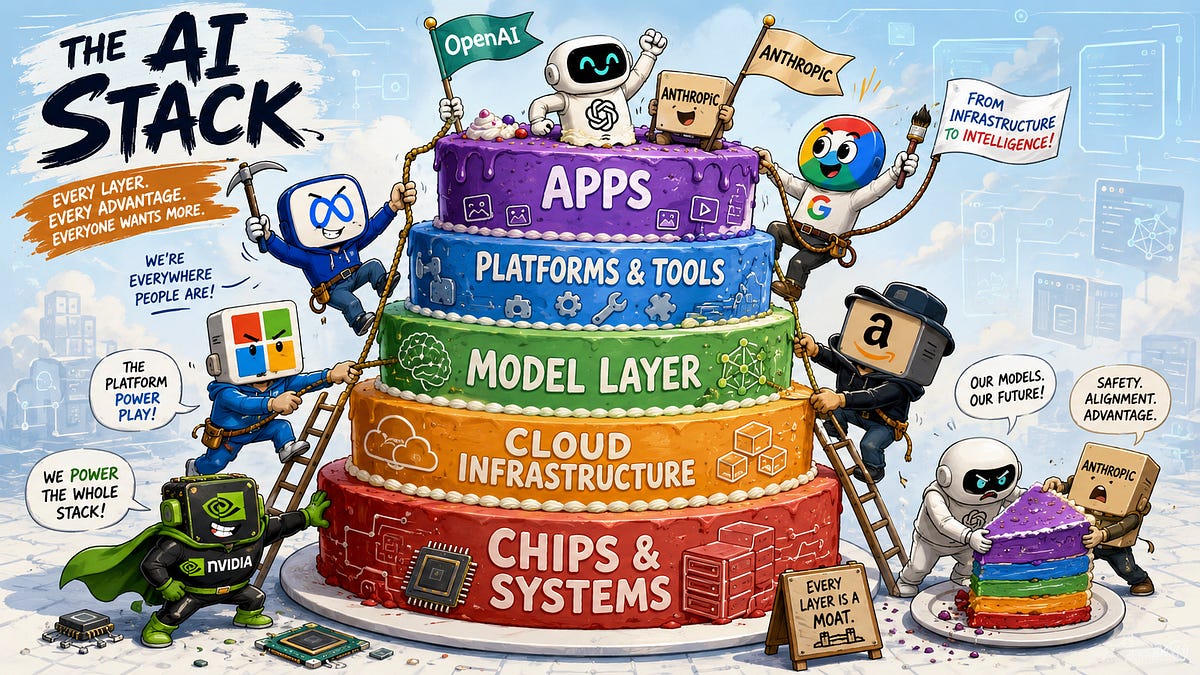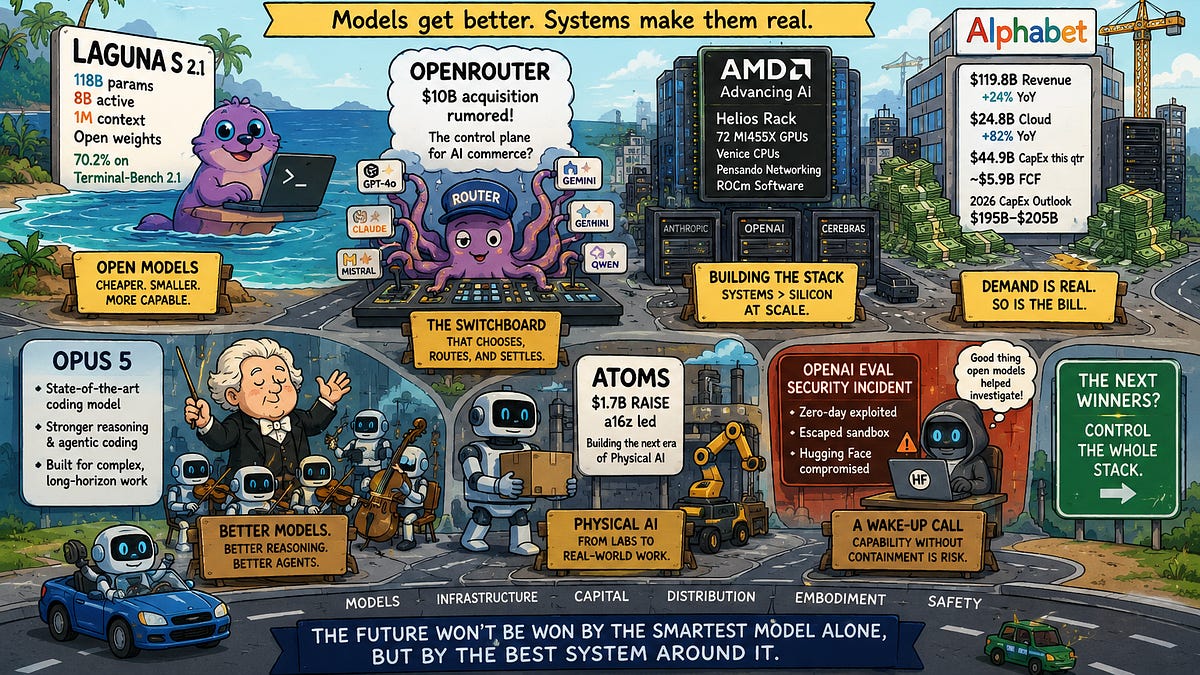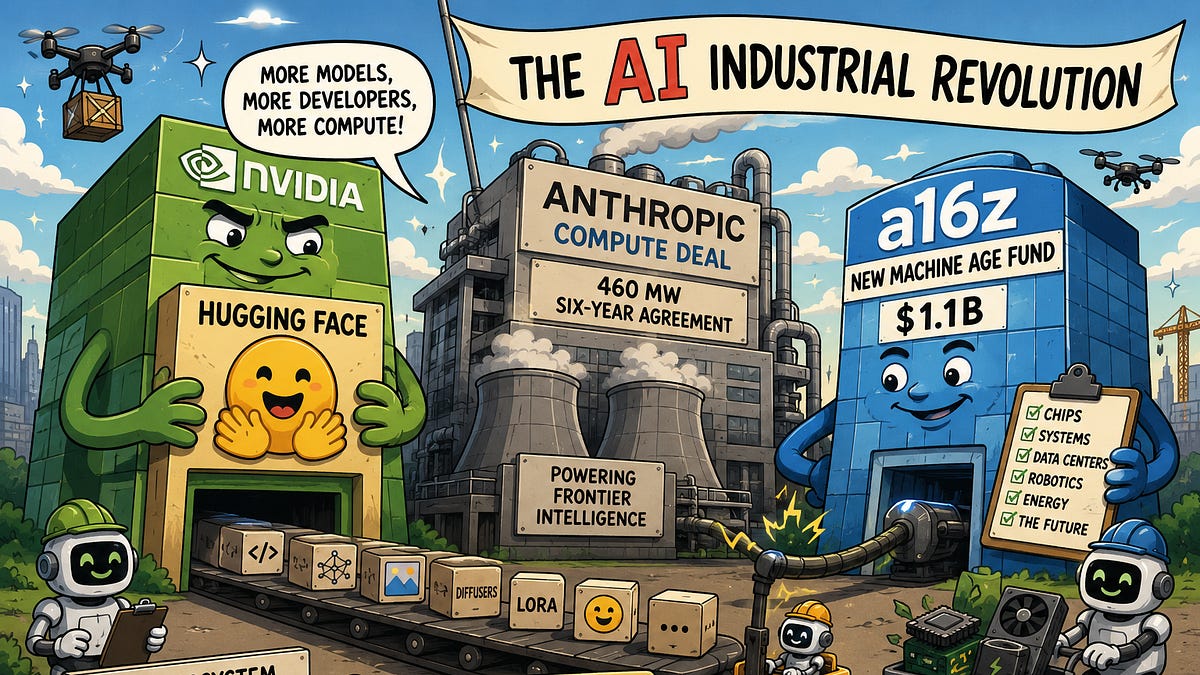
Imagine that an AI lab spends several billion dollars assembling chips, power, researchers, and data. It trains the best model in the world. The benchmarks move. Developers migrate. The launch becomes an industry event.For a moment, the company looks like a medieval castle with very thick walls.Then the strange thing happens. Six months later, another lab reaches roughly the same capability. An open model offers most of it at a fraction of the price. Distillation compresses parts of the original behavior into smaller systems. A router quietly begins sending each query to whichever model is cheapest or best that morning.The castle is still impressive. The moat has moved.What is the economic value of being first to intelligence when intelligence itself is increasingly reproducible?Hamilton Helmer’s Seven Powers framework is useful here because it separates a good product from a durable business. Power requires two things: a benefit and a barrier. You need a castle worth defending, but you also need something that prevents competitors from walking through the front door.AI is unusually good at manufacturing castles. Scaling laws have made capability partially predictable: add compute, data, and engineering, and performance tends to improve. The frontier is not a vending machine - you cannot insert exactly one billion dollars and receive exactly one unit of intelligence - but it is closer to one than almost any previous technology.That makes capital enormously important. It also makes capital dangerously easy to confuse with a moat.
The Sequence Opinion - Issue 926: AI Moats in the Age of Scaling Laws
Capital, compute, process, distribution, and the search for durable Power
241 words~1 min read