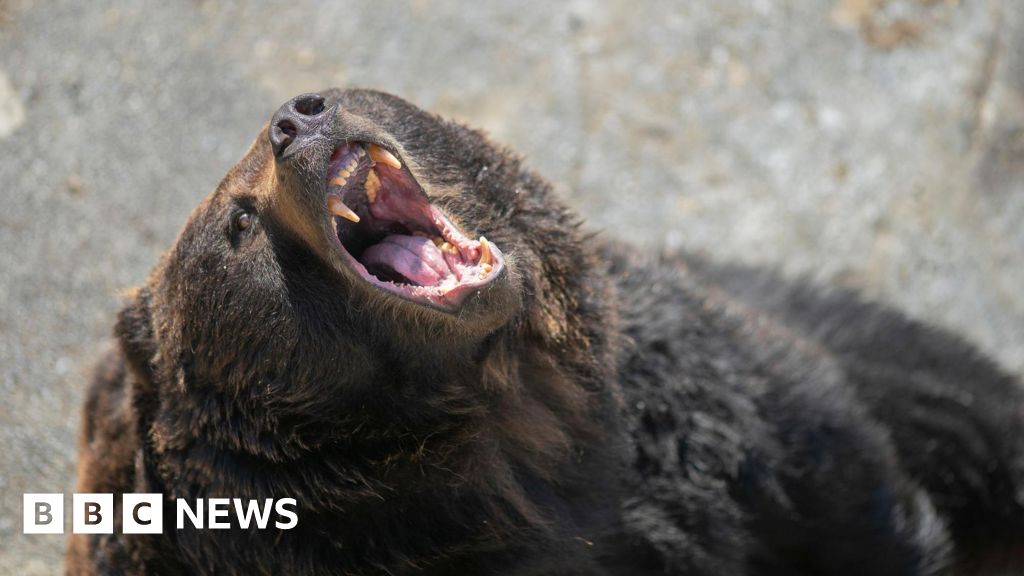
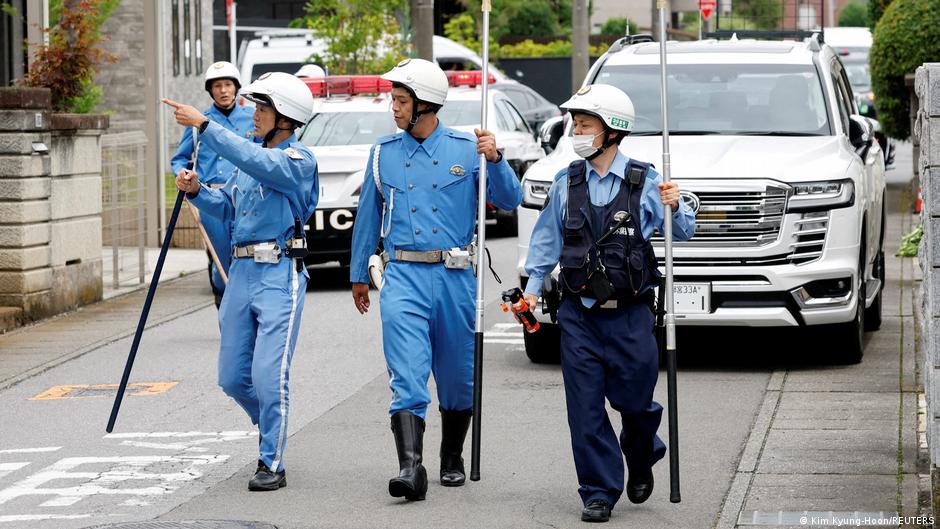
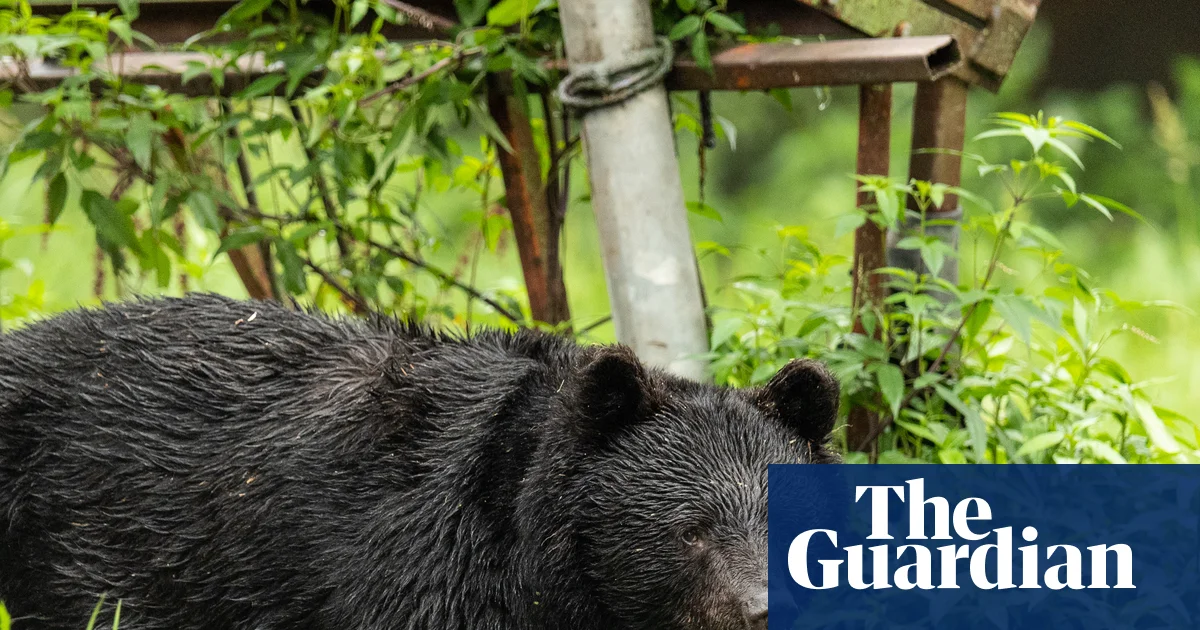
Tokyo is resuming the hunting of Asian bears after almost 20 years as encounters with the wild animals continue to rise. The culling will start from April next year. An expert panel of the Tokyo metropolitan government endorsed a five-year bear management plan allowing hunters to cull 34 animals each year in western Tokyo and along the river routes into urban areas. This follows a rise in bear sightings from 70 in 2021 to 114 in 2023 and 213 in 2025, with more than 40 per cent of the sightings now occurring within 200 metres of homes and farms. Tokyo estimates 120 to 378 bears in the region, which means that there is one bear roughly every two square kilometres of forest. The estimate is based on DNA analysis of hair samples taken from traps, which researchers use to track the movements of bears, according to The Japan Times. The management plan allows culling solely by licensed hunters, who will be permitted to operate in the municipalities of Hachioji, Machida, Ome, Akiruno, Okutama, Hinode, and Hinohara. The Tokyo metropolitan government banned the hunting of Asian bears in 2008 after categorising them as a nearly endangered species in need of protection. In Tokyo, Asian black bears live in the mountains around Okutama, an area bordering Saitama and Yamanashi prefectures. Hikers walk past a warning sign in Okutama on the outskirts of Tokyo on 14 June 2026 (AFP/Getty)Bears have killed a record 13 people nationwide last year and at least five between April and June this year. No one has been killed by a bear in the Tokyo region, and attacks remain relatively rare, but other regions of Japan have seen a steady rise in deadly encounters over the past few years.Wildlife experts have linked the increase in bear sightings and attacks to poor acorn and nut harvests, changing hibernation patterns, rural depopulation, and a decline in the number of licensed hunters.Traditional matagi mountain hunters once helped keep bear populations in check using skills passed down generations, according to the magazine Metropolis Japan. But their numbers have declined in recent years. Rising bear encounters in other regions, particularly Akita, have prompted authorities to deploy the military to lay down traps. In some regions, schools have had to be closed due to bear sightings. In others, hikers have been urged to use bells and walk in groups on trails.
Tokyo lifts two-decade-old hunting ban as bear encounters rise
Authorities allow hunters to cull 34 bears a year from next April
396 words~2 min read