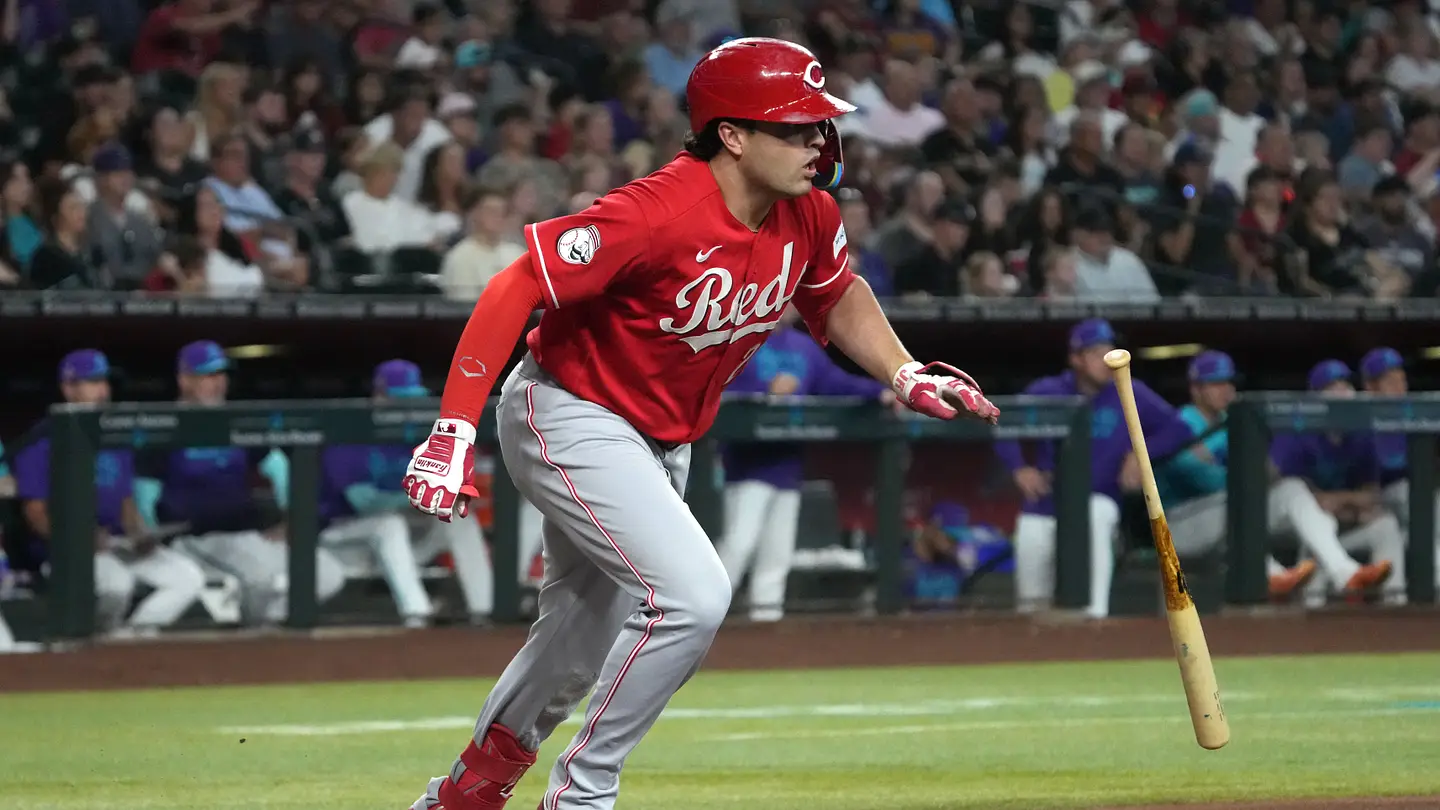
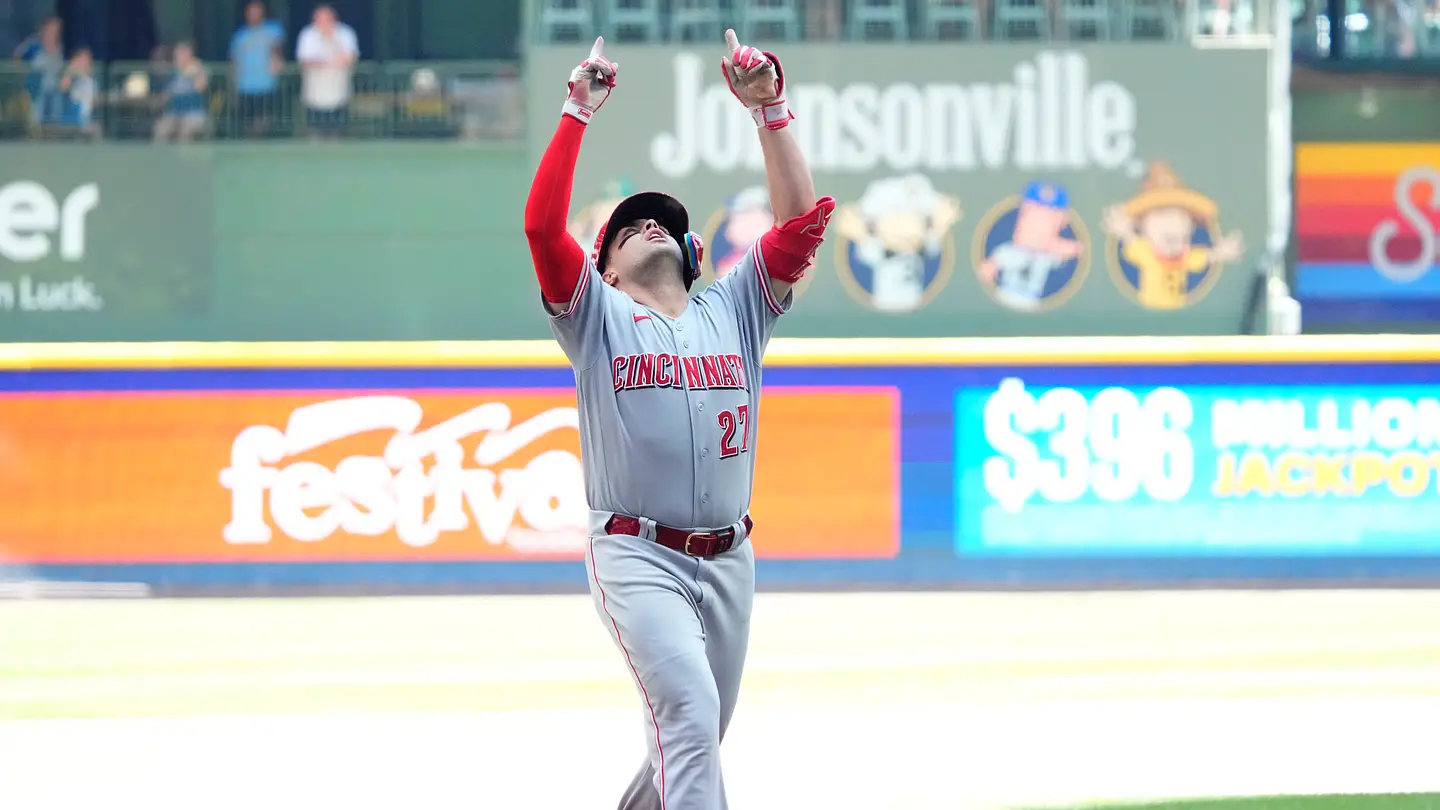
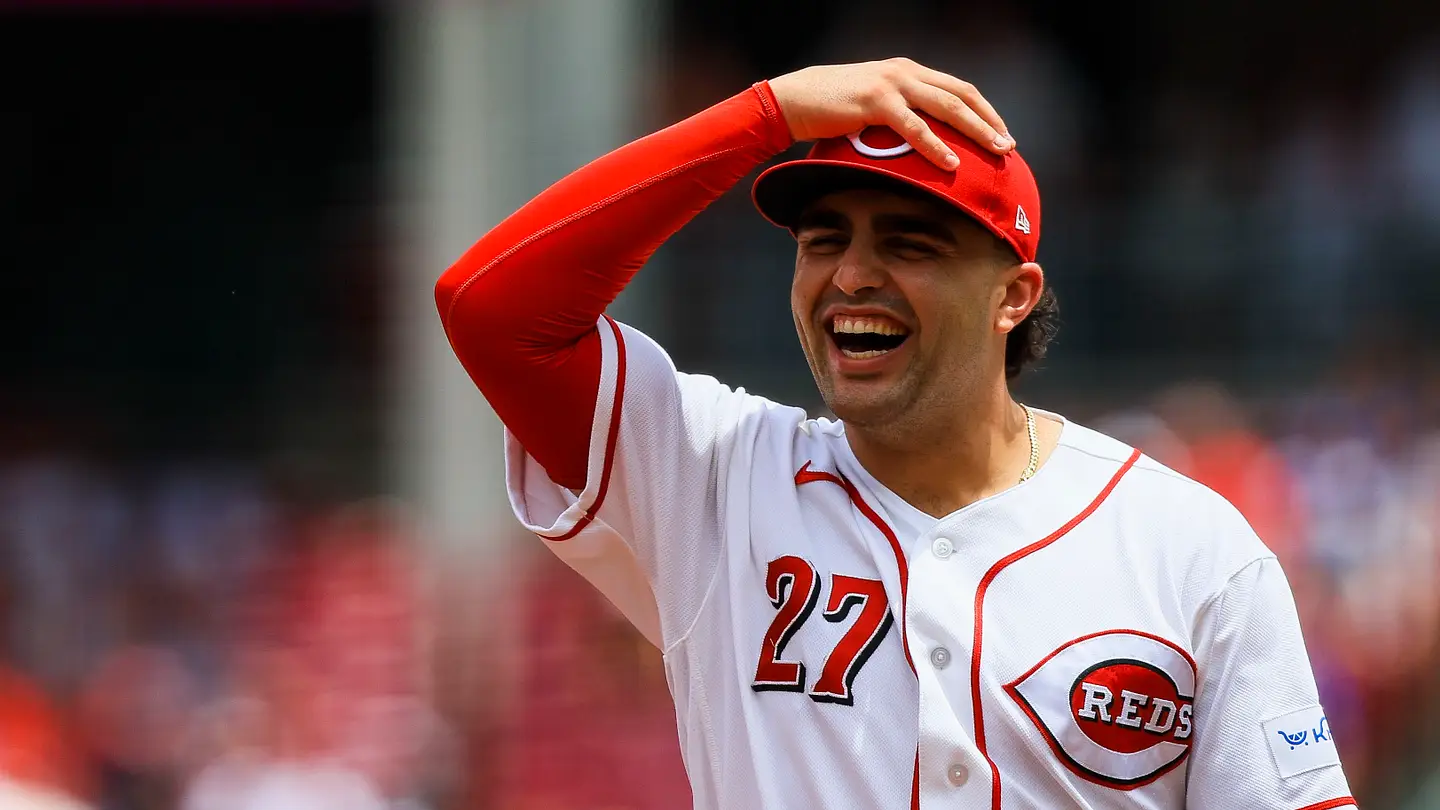
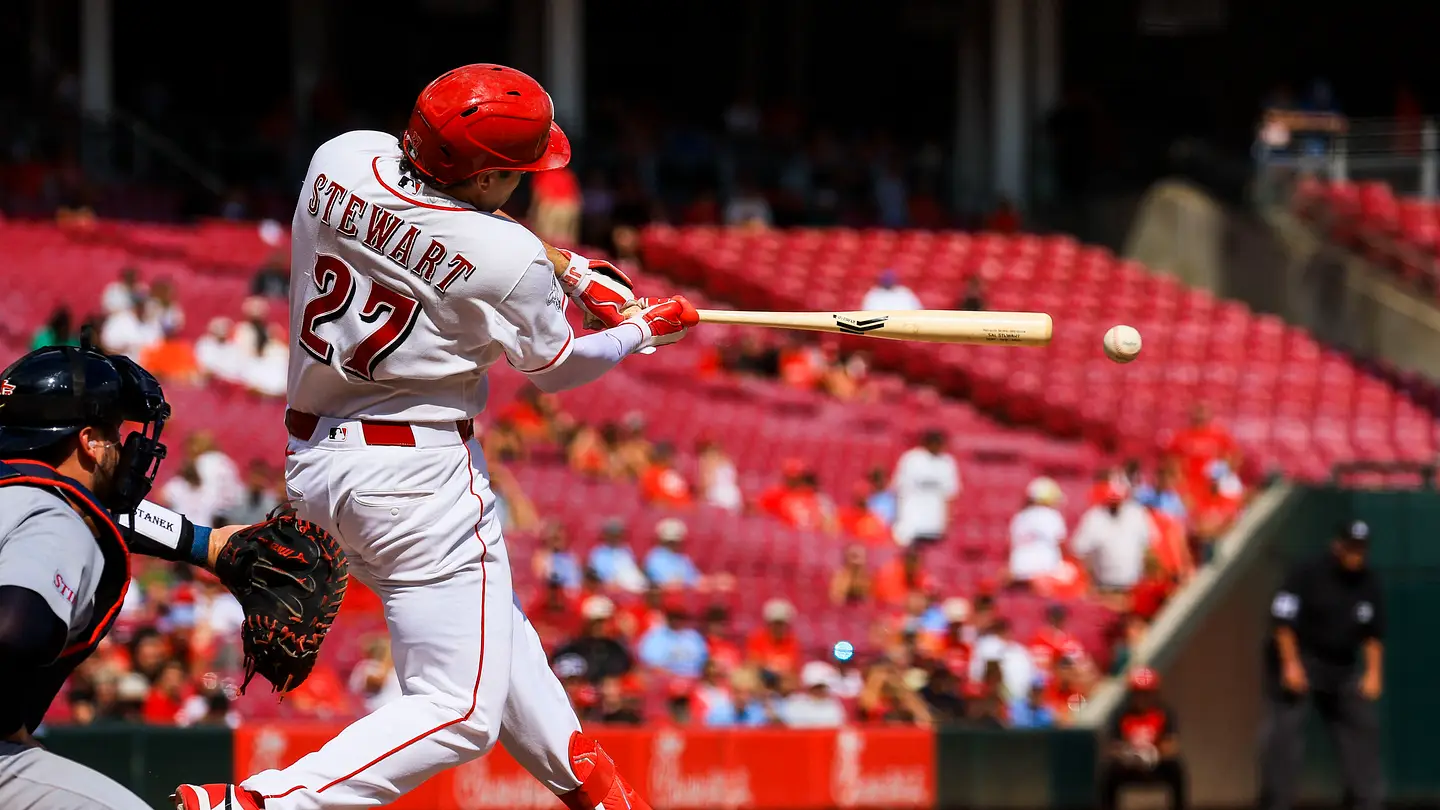
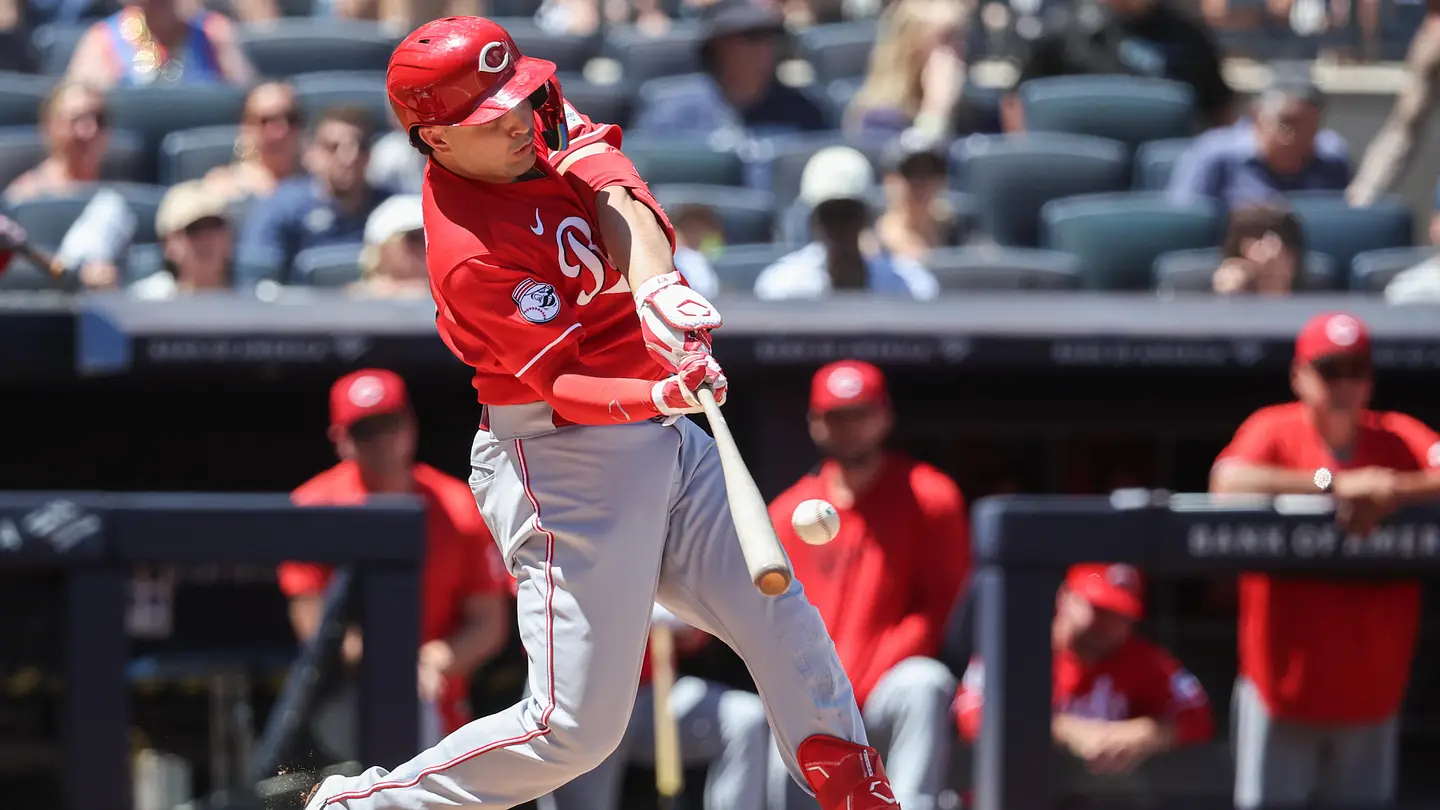
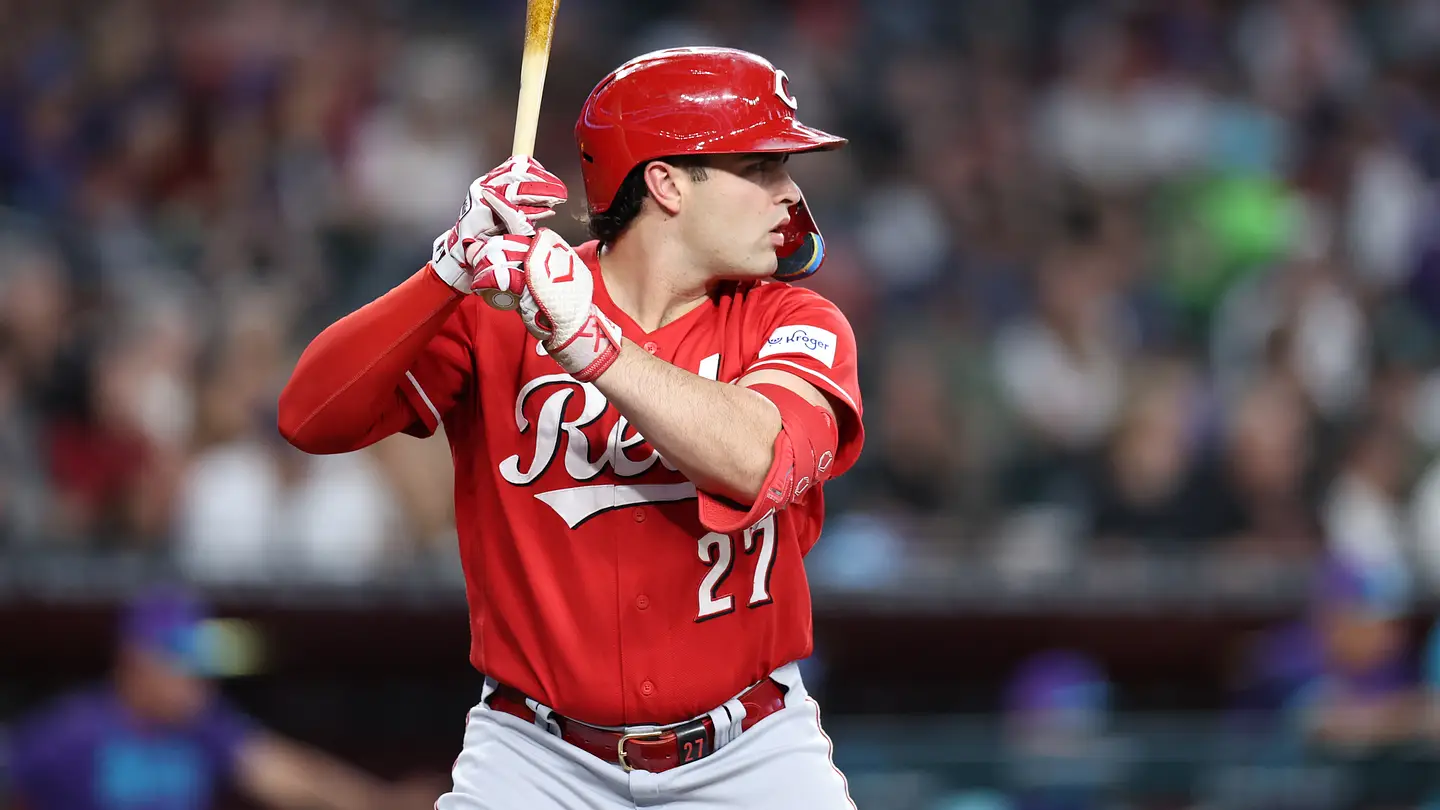
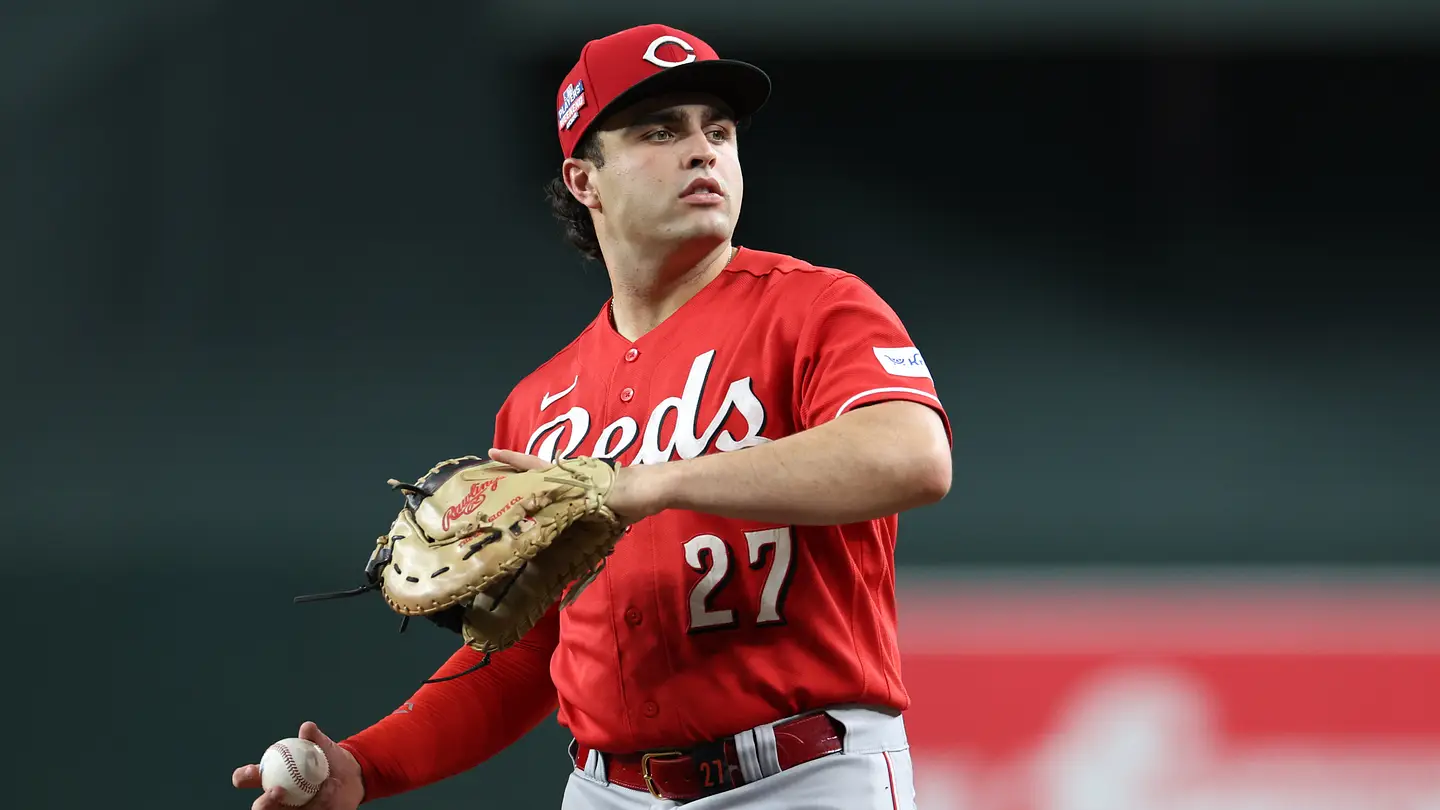
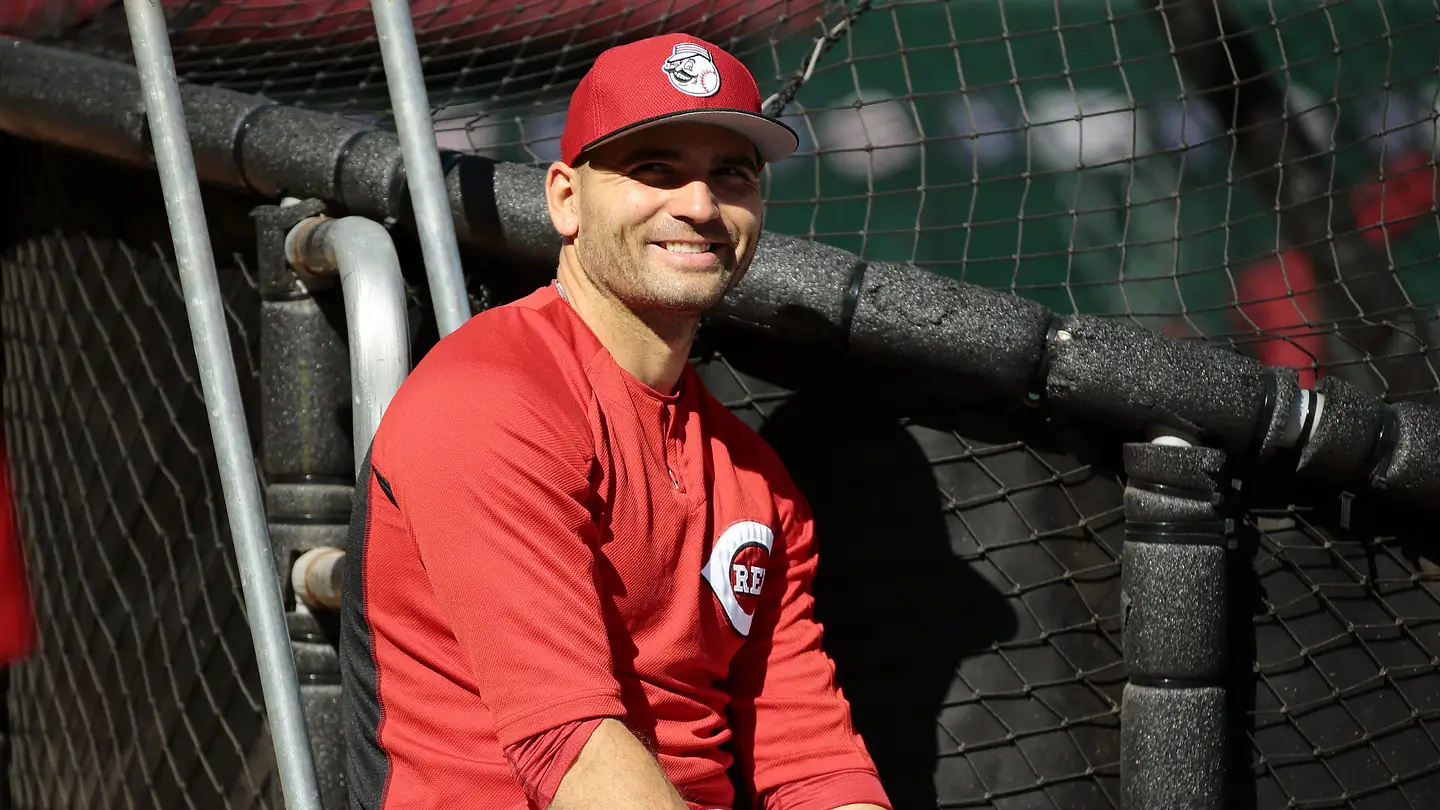
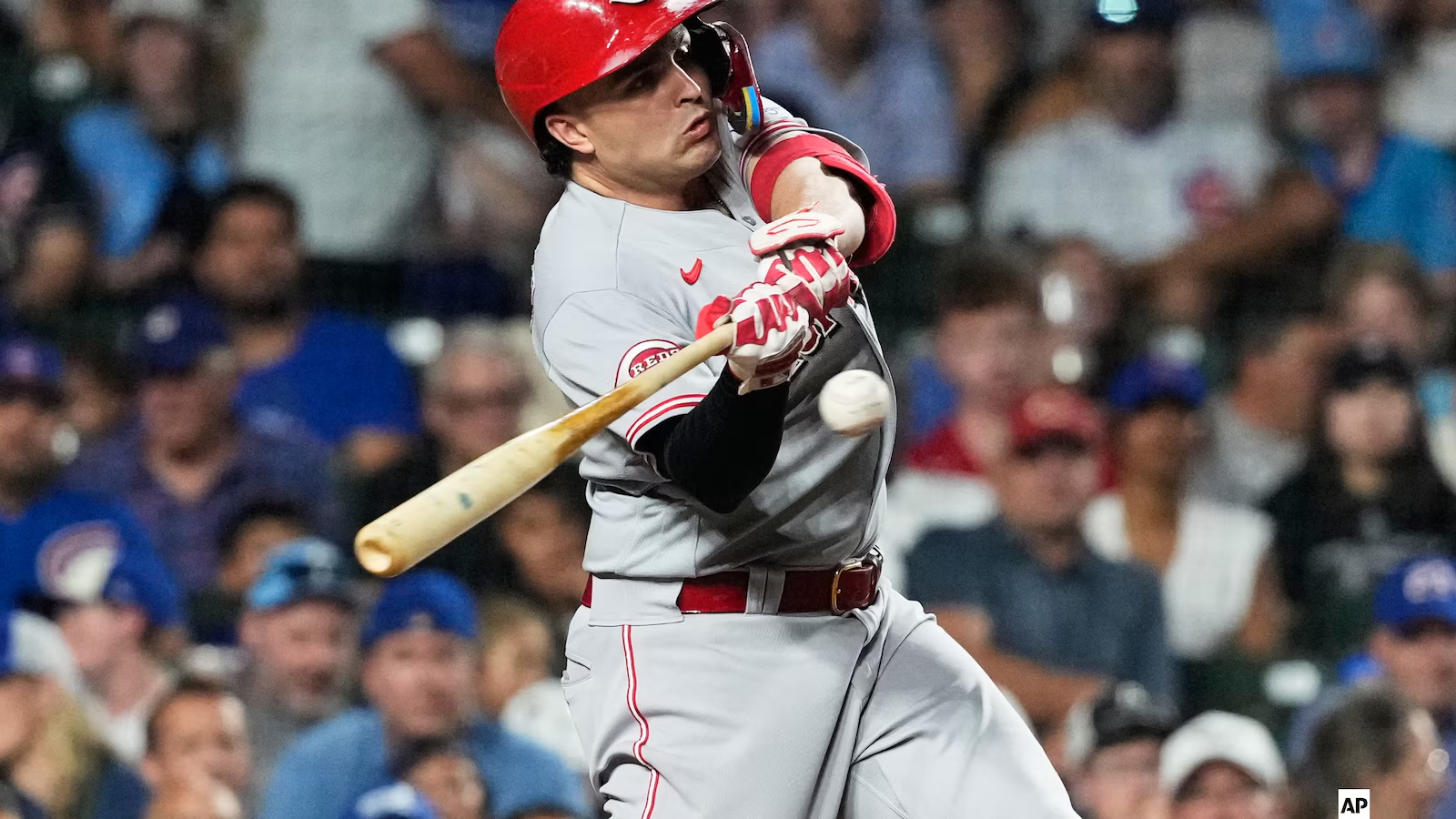
Just this once, can we pause in our fixation with advanced metrics and be cool with RBIs again? Can we acknowledge the Cincinnati Reds’ Sal Stewart as a unique candidate for National League Rookie of the Year, lacking in WAR but bringing his team great peace?“I’m struggling with this one because I think part of winning an award is what story you’re telling,” said former Reds great Joey Votto, the 2010 NL MVP. “With Sal, he’s hit so many home runs and driven in so many runs on a not-strong team that it’s almost as if we’d be OK collectively for him to be the exception to the rule.”What’s this? Votto, an analytical darling throughout his potential Hall of Fame career, talking about narrative?Stewart, who has 31 homers and leads the majors with 105 RBIs at age 22, is inspiring such conversation.Most statistical analysts do not view RBIs as a meaningful gauge of offensive production, considering rate stats and park-adjusted measures more useful. But many current and former players hold a different opinion.Talking about Stewart’s Rookie of the Year candidacy on “Foul Territory,” former catcher A.J. Pierzynski said, “If you’re a rookie, you’ve got 30 homers and you’re leading the league in RBIs, there shouldn’t even be a doubt.”The game has evolved. Instruction at the professional level is better than it has ever been. But that instruction often is based more on improving individual metrics than playing a team game. The ability to drive in runs has become underappreciated, in part because many analysts say it is not repeatable from year to year.Is that the proper view?“You can’t say there’s no relevance to guys who move the ball forward efficiently and therefore produce more runs,” former infielder Justin Turner said. “Adrián González is the perfect example of taking advantage of what the defense gives you and driving in a run every chance he had. But analytics would rather you walk than put a pitch out of the zone in play and produce a run because they’d rather have an opportunity for a three-run homer or grand slam than take one run.”So there you have it, the great divide between some who played the game and those who break it down analytically — a divide that continues to spark intense debate.Votto, who sometimes drew criticism for his willingness to walk rather than swing with runners on base, was ahead of his time, at least in terms of what he valued. Even now, Votto says he viewed driving runs as the easiest thing to do in the sport and not making outs the hardest.“If you have the ability to make contact, if you have the ability as a major-league hitter to direct the ball where you want it to go, it’s very easy,” said Votto, who finished with 1,144 career RBIs, 194th in AL-NL history, just behind Mark Grace. “I could have had another 50 percent more if I really, really wanted to.”Votto, while partial to Stewart for NL Rookie of the Year, understands the role advanced metrics will play in the voting. Citing those numbers, he described St. Louis Cardinals second baseman JJ Wetherholt as the clear leader for the award, at least before Wetherholt went on the injured list Sunday with right wrist tendinitis. He is expected to return this season.Wetherholt’s candidacy is based largely on his defense, which ranks among the best in the majors at any position. But defensive metrics, while vastly improved, still are not as trustworthy as offensive measures. Wetherholt’s offense dropped off after a big first month, then cratered in August as he dealt with his wrist issue.Perhaps in the final month New York Mets outfielder Carson Benge will emerge as an even better all-around contender than Wetherholt. Or perhaps Mets right-hander Nolan McLean, eighth in the NL with a 3.06 ERA, will trump all of the hitters, including Colorado Rockies first baseman TJ Rumfield, whose .826 OPS slightly eclipses Stewart’s .821, albeit while playing his home games at Coors Field.Stewart, though, would be only the third rookie since 1920 to lead the majors in RBIs, joining Ted Williams (145 in 1939 with the Boston Red Sox) and Walt Dropo (144 in 1950, also with Boston).He also is only the 14th rookie to go 30-100 in a single season since 1920, when RBI became an official stat. The other nine rookies to do it since 1947, when the Rookie of the Year award was created, all earned the honor.The problem with RBIs is that they are context-driven, dependent on game situations and teammates’ performances. Stewart through Tuesday had 278 plate appearances with runners on base, tied for the eighth-highest total in the league. Benge was at 204, Wetherholt 190.“Obviously, guys get on base for you. I totally understand that,” said Arizona Diamondbacks third baseman Nolan Arenado. “When I was in Colorado, DJ (LeMahieu) and Charlie (Blackmon) were on second and third, it felt like almost every day. I was so lucky and fortunate to have those guys on base all the time.“But you’ve still got to do it. I don’t ever want to take that away from people and act like it’s not a big thing. Especially if you’re in a corner infield spot, 30 and 100 is a big deal, I don’t care who you are. Those are the numbers you dream about and want.”It’s not like Stewart is playing for the Big Red Machine, either. The Reds’ .307 on-base percentage is the third-worst in the majors. But Stewart was seizing his opportunities, producing a .991 OPS with runners in scoring position through Tuesday, the game’s 13th-highest.Whether batting second, third or fourth, Stewart often gets the benefit of hitting behind Elly De La Cruz. But when De La Cruz missed three weeks in June with a strained right hamstring, Stewart continued to display his knack for getting runners home, driving in 17 runs in 19 games, including a signature six-RBI performance at Yankee Stadium.As noted by ESPN’s Paul Hembekides, Stewart has produced 19 percent of his team’s total RBIs, the highest percentage for a 22-or-younger player since Johnny Bench in 1970. Yes, Stewart is getting ample opportunities, but that’s also a reflection of how much manager Terry Francona trusts him. On Opening Day, Francona batted Stewart cleanup, between De La Cruz and Eugenio Suárez.Playing at Great American Ballpark, one of the five best home-run parks for right-handed hitters, certainly is an advantage for Stewart, just as playing at Busch Stadium, one of the worst run-scoring environments for hitters, is a disadvantage for Wetherholt. But Stewart actually has hit more homers on the road (17) than at home (14). And Great American plays neutral for right-handed hitters overall.Like Benge, Stewart also has improved over the course of the season, opening with a big first month, then rallying from a .711 OPS in May to produce figures of .758, .816 and .884 over the next three months. But here’s the issue some will take with Stewart’s candidacy: His 2.7 fWAR through Tuesday would be the lowest by a Rookie of the Year position player since Wil Myers’ 2.3 in 2013. (Wetherholt was at 4.4 fWAR, Benge 3.0).The three 30-100 players to win ROY since 2001 — Pete Alonso (2019), Aaron Judge (2017) and Jose Abreu (2014) – all finished with fWARs considerably higher than Stewart’s present number.Yet, Votto cites an extenuating circumstance.Stewart has moved between positions to a greater extent than Wetherholt, who has played mostly second, and Benge, who has played mostly right. Eighty-five of Stewart’s starts have come at first base, a position he played only twice in the minors and is essentially learning on the fly. He has started 33 games at third and seven at second, his most frequent spots in the minors. He also has switched positions 18 times in the middle of games.“If, for example, they plugged him in at second base all year, he would have gotten the defensive benefit, would have gotten the reps at the position. He would have been probably the best offensive player at the position,” Votto said.“That’s a lot of the reason why I think he’s the Rookie of the Year. It just so happens they’re putting him at a few different positions. Which makes it quite a bit harder to adjust to the game.”For all that, Stewart is still at 31-105, and counting.Let’s not diminish his accomplishments. Let’s not trash RBIs indiscriminately. This is a special season by a special rookie. It deserves to be honored.
Why Sal Stewart’s old-school numbers should make him NL Rookie of the Year
The Reds first baseman is on pace to be just the third rookie since 1920 to lead the majors in RBIs.
1,413 words~6 min read