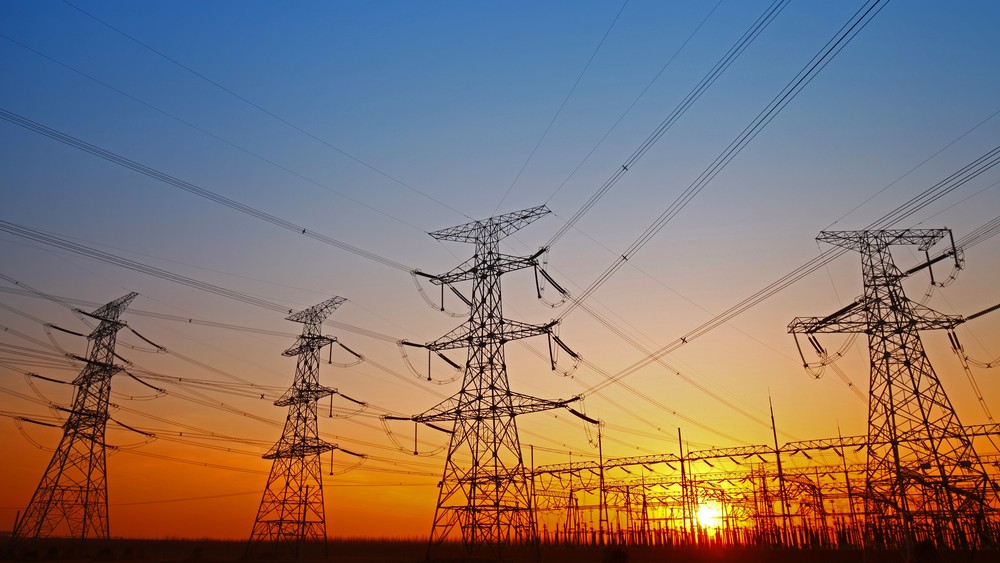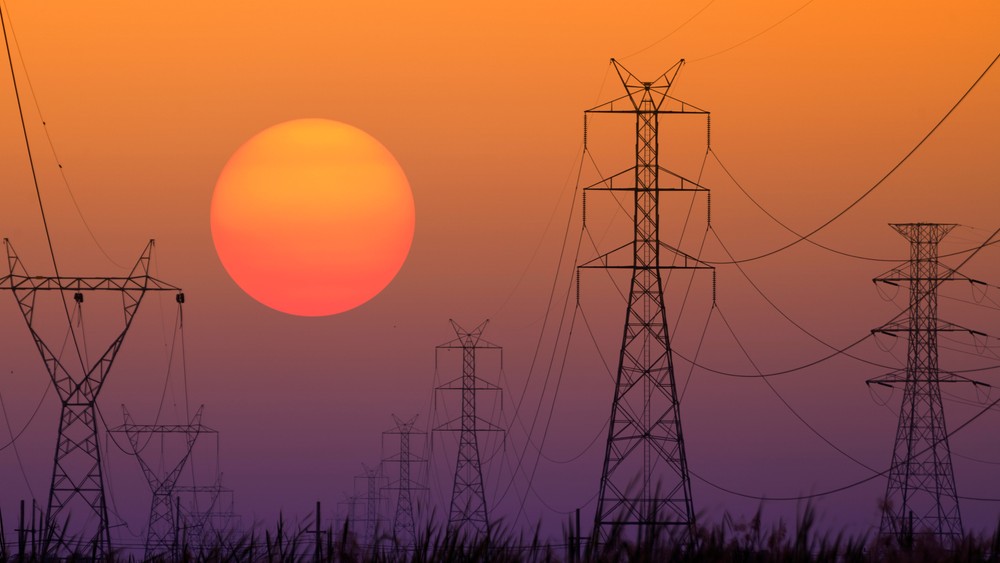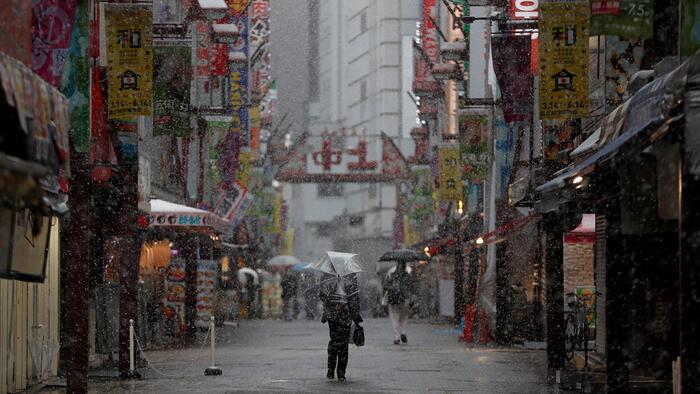
The International Energy Agency expects Japanese wholesale electricity prices to rise by nearly 40 percent year on year in the second half of 2026, reaching roughly $105 per megawatt-hour. The equivalent increase across the European Union is around 25 percent. Two advanced economies buying from the same global gas market are absorbing the same disruption at very different rates, and the reason has less to do with how much gas Japan imports, than with how the price of that gas is written into contracts.
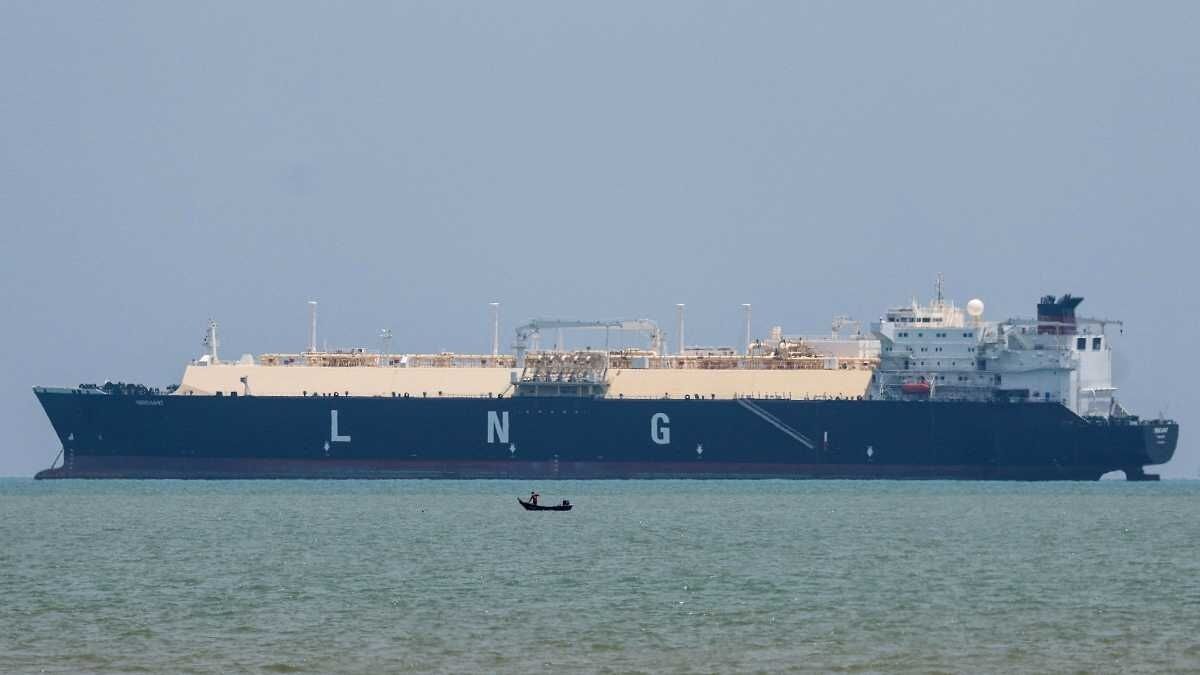
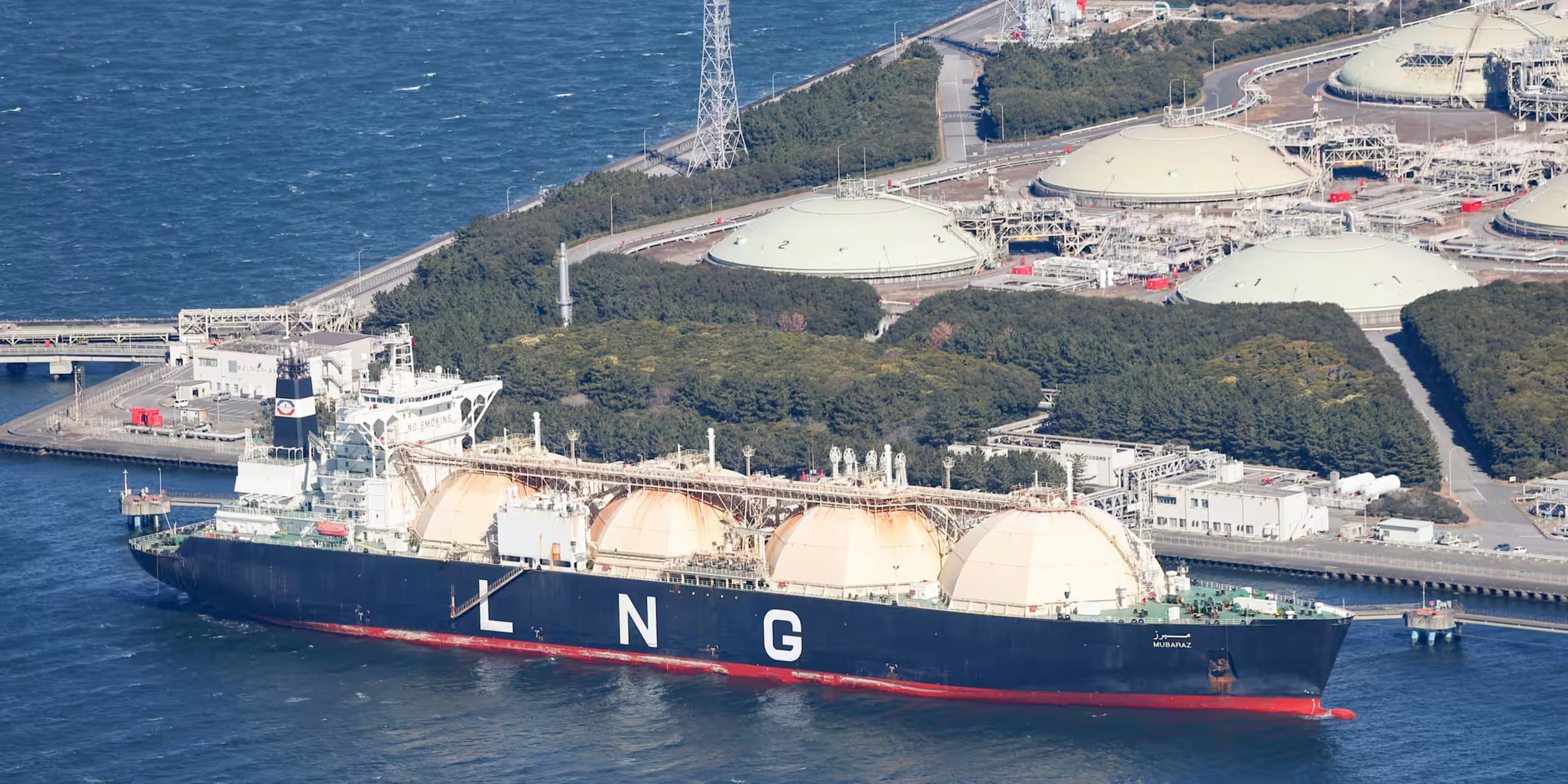
Each market’s exposure is structural. Natural gas accounted for 32 percent of Japan’s power generation in fiscal year 2024, and almost all of it was imported by ship. When the delivered cost of a cargo moves, it feeds directly into the marginal cost of generation, and there is little in between that can help absorb the increase. The nature of European systems means that these have somewhat more options for substitution available. Europe’s geographic position also means that it has greater interconnectivity with neighboring markets. Japan’s geographic position means that very differently, its grid converts an LNG price shock into an electricity price shock at a significantly faster rate. This of late, has been climbing.