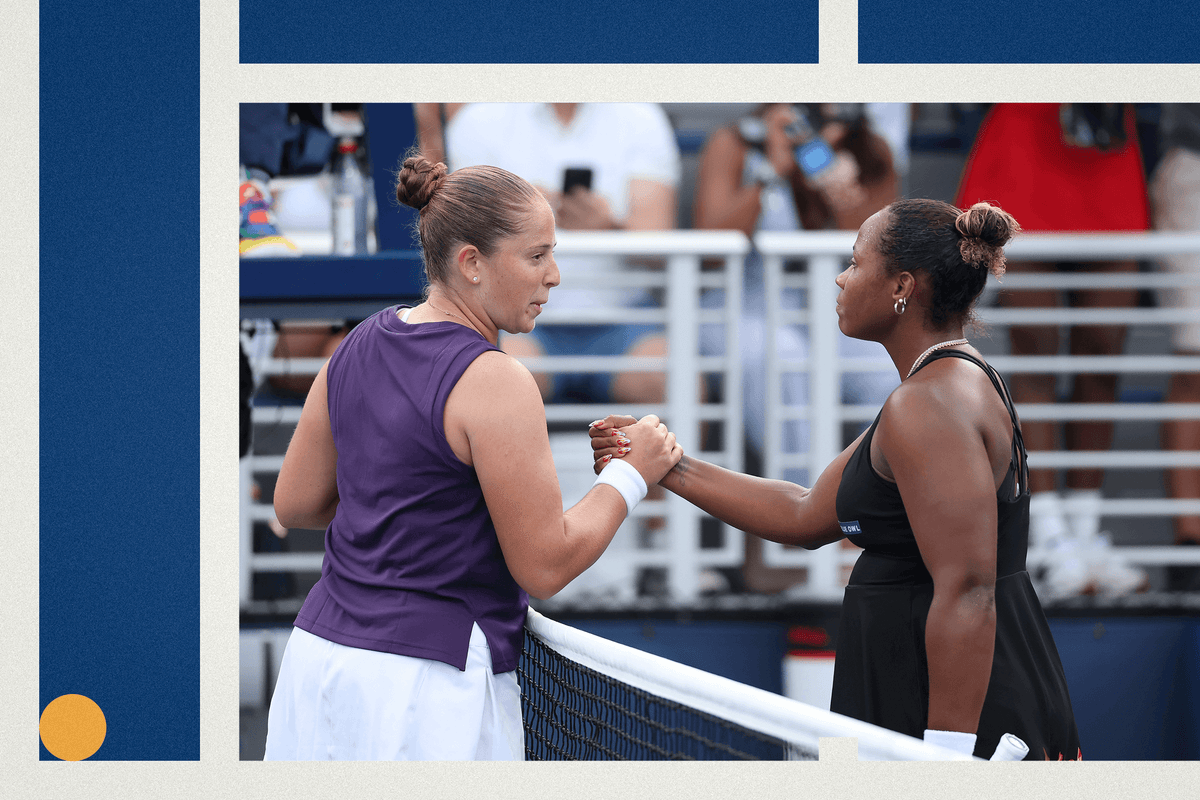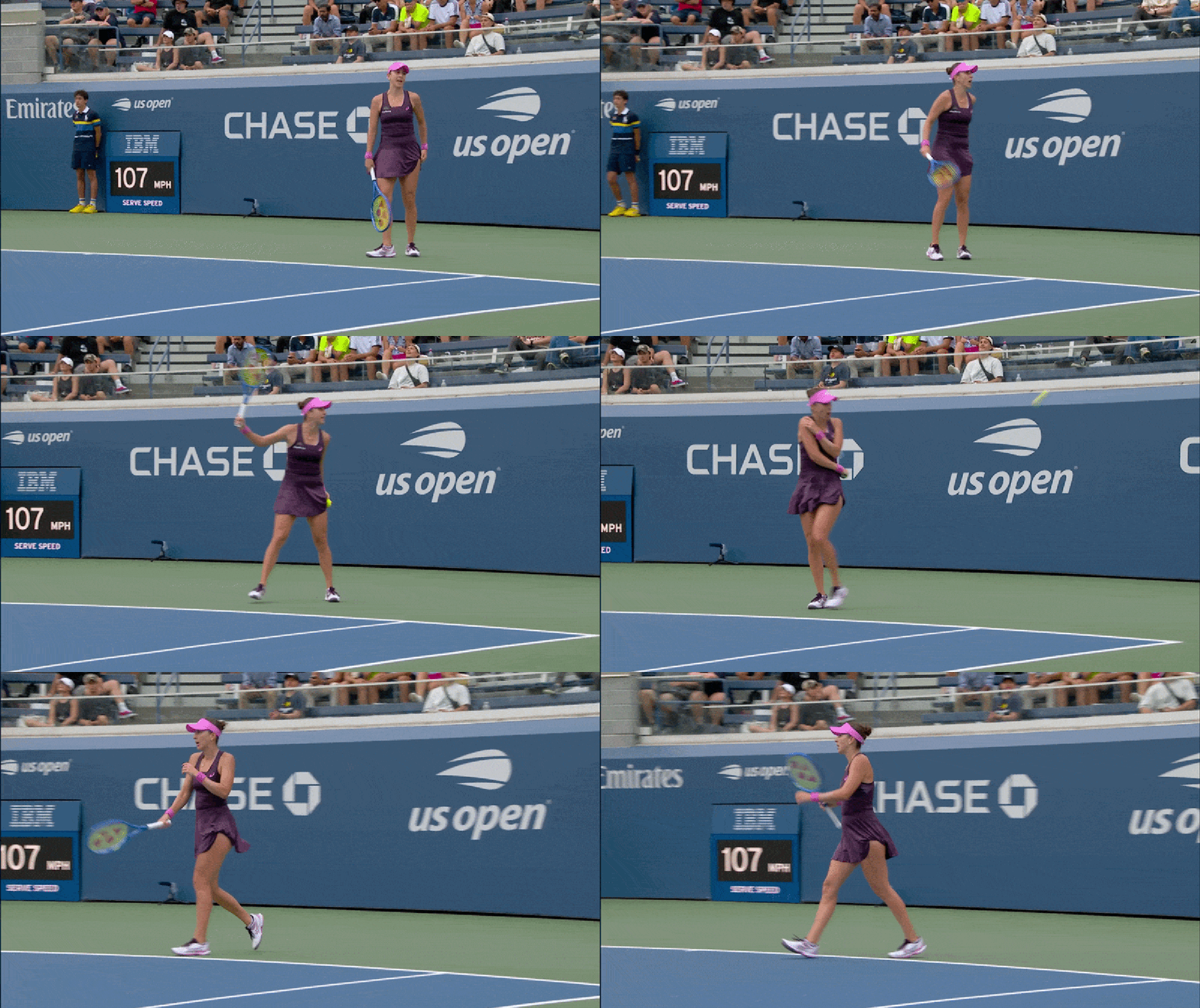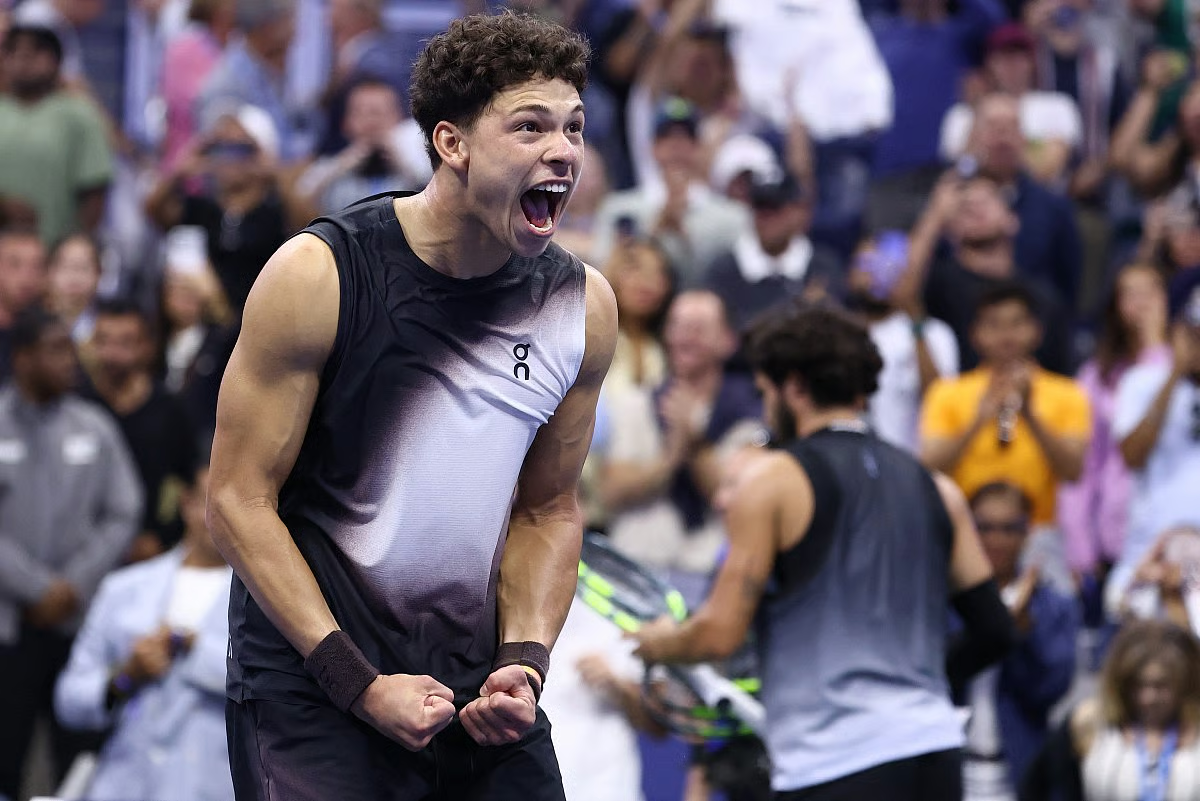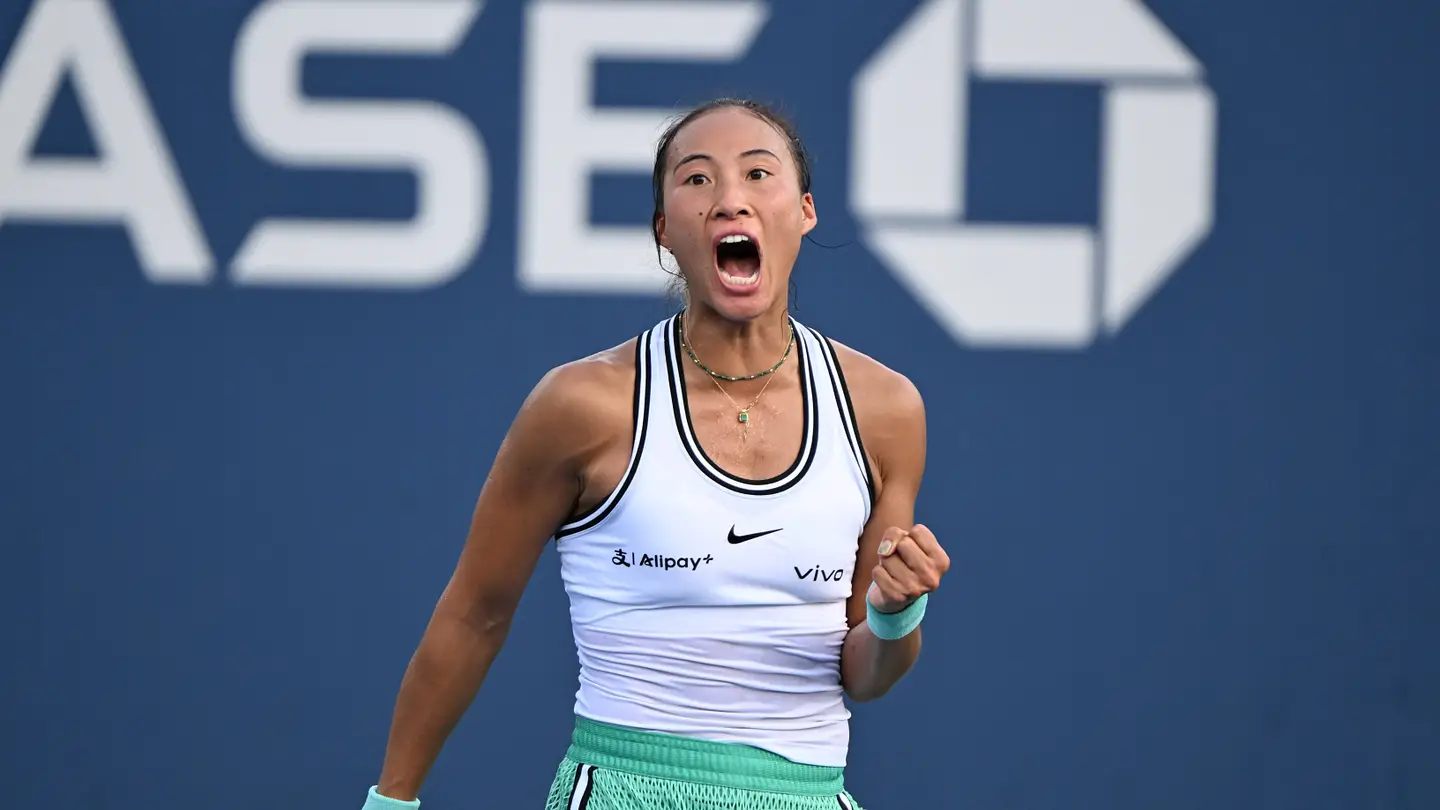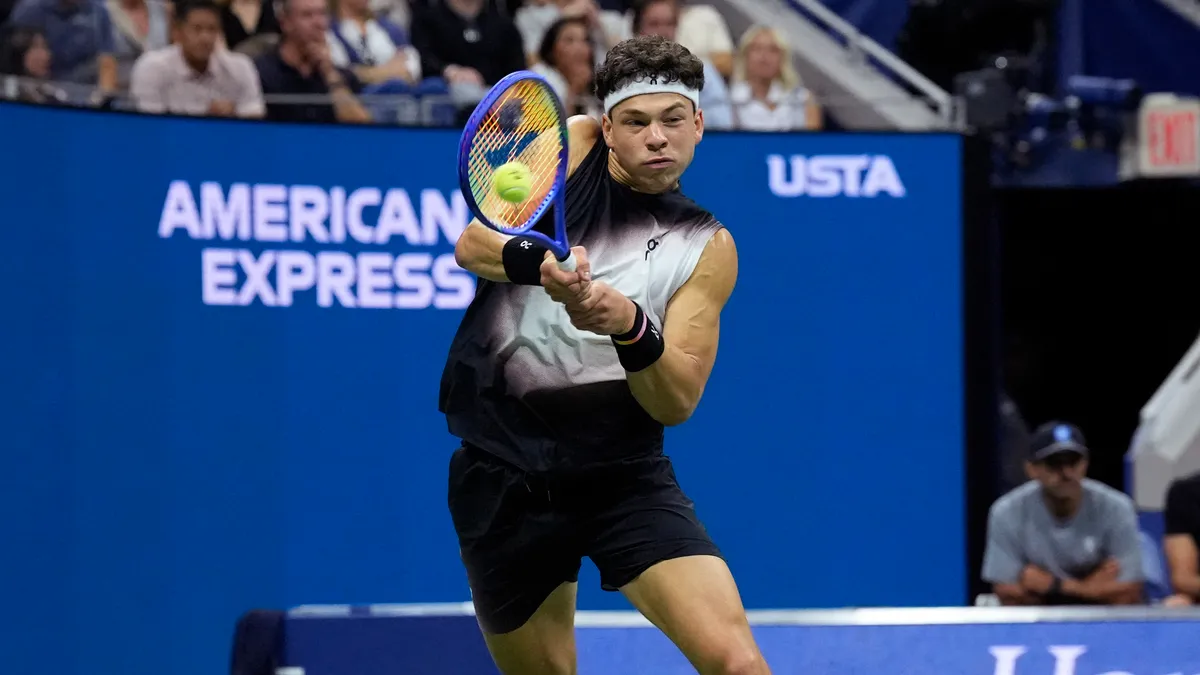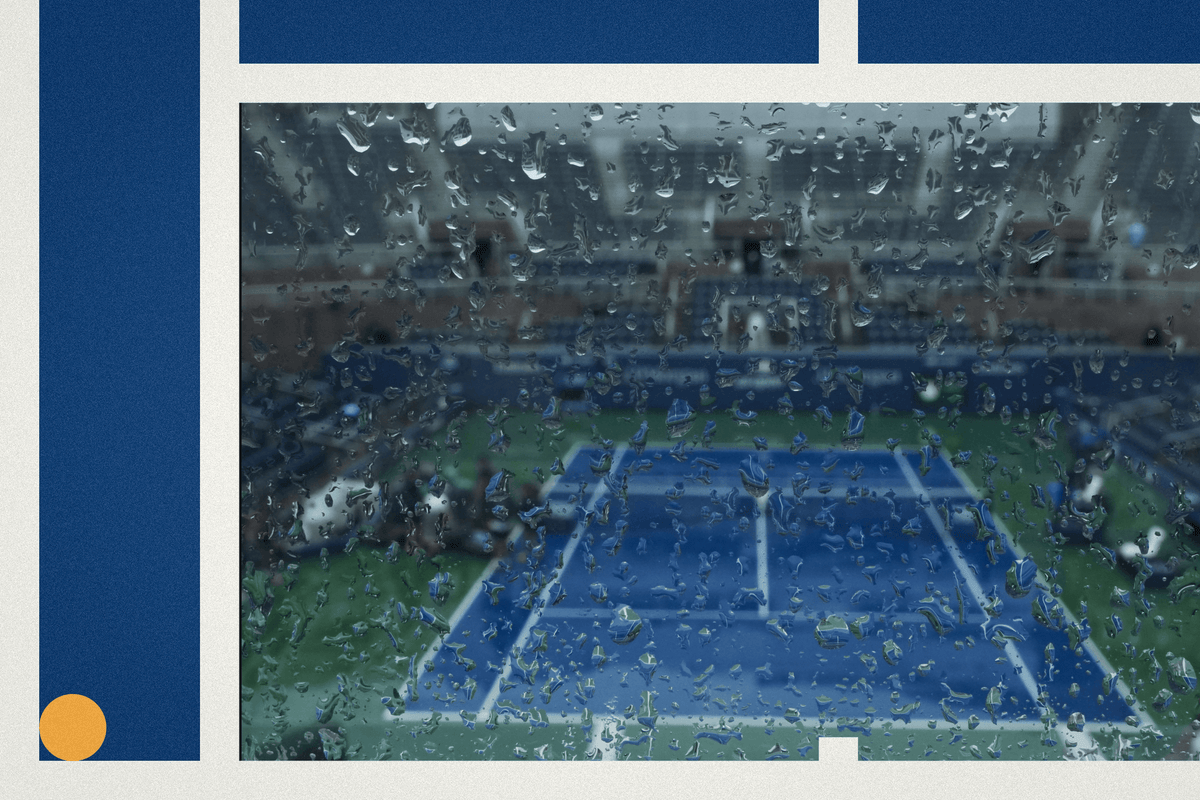
The Athletic has live coverage of the 2026 U.S. Open. Welcome to the U.S. Open briefing, where The Athletic will explain the stories behind the stories on each day of the tournament.On Day 4, a surreal nine minutes and 48 seconds on Stadium 17, the art of scheduling tetris and making sense of three surprise results.How did 10 minutes encompass all of the wonders of tennis?At about 12:45 p.m Wednesday, Paula Badosa and Daria Kasatkina walked onto Stadium 17 at the U.S. Open.Nine minutes and 48 seconds later, they walked off, with Badosa headed into the second round. The scoreline read a routine 6-1, 6-4; the match was anything but.For the fourth day in a row, rain suspended matches across the tournament, which meant players on the roofless outer courts started and stopped and restarted their matches as they waited for them to dry.For Badosa and Kasatkina, that meant warming up to play Tuesday morning, getting delayed for hours due to rain, and finally starting to play Tuesday night. More rain left them hanging at around 10:30 p.m., with Badosa up 6-1, 5-4, serving with the game at deuce. She had already seen two match points come and go when play was stopped. They picked back up more than nine hours later, to play what could have been two points or 10 games. In the end, it was 16 points.U.S. Open round one: What did we learn?Ava Wallace and Johnny SweetDelayed matches aren’t necessarily a rare occurrence — especially at the U.S. Open so far this year — but stopping so close to match point heightens the mental stakes. At Wimbledon last year, a match restarted for just 70 seconds, as Ben Shelton beat Australia’s Rinky Hijikata after officials paused their match overnight due to darkness.“Honestly, you can’t prepare for a situation like that,” Kasatkina said in a media conference after the match. “Nothing can prepare you for this.”During the night in between, Badosa, 28, couldn’t sleep, replaying the match over and over in her head.“I tried to meditate a bit and I tried to do some breathing and stuff to sleep, but I was waking up,” she told reporters after the win. “Honestly, I was playing the whole time, the two points I was supposed to play and thinking how it could go either way or another. I played the match 50 times already, so I felt like I played five set matches.”Kasatkina, 29, slept for seven hours straight.“It happened to me maybe a few times in my career, and before, I would face it differently, more stressful. I would not fall asleep until a very late hour,” she said. “But now, I swear to God, yesterday I went to the hotel, I just took the sushi, and I was sleeping in 10 minutes.”Back at Stadium 17 Wednesday, Badosa said she adjusted her typical warm-up because she was tired and emotional. She was so nervous that she struggled to eat before the match. The Spaniard, who has managed a chronic back injury and other issues for the past few years, saw her ranking drop to No. 141 earlier this year. To ensure her spot at the U.S. Open, she had to win nine out of 10 matches in June and July to get back into the top 100.Paula Badosa will face Coco Gauff in the second round of the U.S. Open after winning a rain-delayed first match. (Caleb Bowlin / Getty Images)“We always say that tennis is mental, but this I think was another level of mental,” she said. The tension was still with her when the match resumed, as she swung hard and clean to earn five more match points, before getting tentative with the finish line one away.Kasatkina has also had a difficult year, injuring her hip and falling to No. 83 at one point. She took a different approach.“I was just trying to keep it a bit more chill and not to overthink, because when you stop on this score, you can overthink very easily,” she said.Badosa ultimately won the day with a 114 mph ace, sixteen points after the match restarted. The world No. 87, who was born in New York but represents Spain, will play No. 4 seed Coco Gauff on Thursday night. She has a 5-3 head-to-head record against the two-time Grand Slam champion, including wins in their past two meetings.“Sometimes you have doubts, especially with the year I had, but generally I know I belong here and I know that the ranking I have now, it’s not where it is supposed to be for the level I have,” Badosa said. “But I think slowly and step by step, I’ll get back there.”It was good that Badosa ended the match when she did. A few hours later, it started to rain.— Rebecca TauberWhat challenges do a four-day first round bring for scheduling?The rain came for a fourth consecutive day at the U.S. Open.It was supposed to be the start of the second round all across the grounds, but the rain the previous two days pushed several first-round matches into the fourth day of competition.Unfortunately for the handful of players fated to a long wait Tuesday, the skies opened in the middle of the afternoon, precisely at the time that the first-round matches that had been held over were scheduled to be played. In tennis, matches that are held over traditionally don’t lead off the schedule. They get slotted in after the first matches on the court where they were being played.The rule is intended to prevent players participating in a match that gets suspended late at night from having to wake up early the next morning to resume play. Sometimes it makes sense. Sometimes the only explanation is, “that’s the way tennis does it.”Shortly after play was suspended on the courts without roofs, Louis Armstrong Stadium opened up. Its two scheduled matches went quickly, in straight sets.The start of the U.S. Open has been shuffled up by persistent rain in New York City. (Angela Weiss / AFP via Getty Images)Within minutes, Karolína Muchová and Katie Boulter walked out for their second-round match, even though a bunch of the first-round matches still had to finish.A spokesperson for the USTA said that when they started, there were about four hours until the night session began. That meant there was likely enough time for a full women’s match.A men’s match might have stretched to five sets and five-and-a-half hours, which could have pushed back the night session. So far, those have been having a hard enough time finishing before dawn.Also, the forecast called for dry skies for much of the afternoon and evening. The USTA was pretty confident that it could get those first-round matches finished at a reasonable hour — a good thing, since their winners have to come back Thursday for their second-round matches.By the early evening, all the matches that needed to be played were on court, and by the end of the night, they were done.— Matt FuttermanWhen is a flop not a flop?What might have been a banner day for up-and-comers on the ATP tour grew soggy in an unexpected downpour Wednesday. No. 12 seed Rafael Jódar fell to world No. 123 Bu Yunchaokete 6-2, 6-1, 6-1; No. 16 seed Brandon Nakashima lost to fellow American Alex Michelsen 6-3, 6-4, 6-4.Jódar, 19 and Nakashima, 25, had both been surging coming into New York, Nakashima immediately before the U.S. Open and Jódar for most of the year. No. 10 seed Arthur Fils, the 22-year-old Frenchman on a similar steep rise this year, called his performance “almost unprofessional” in a news conference Monday after a four-set loss to Stefanos Tsitsipas from a set and a break up.If there were any connective tissue between three very different players and three different losses, it was that they all looked like a long year of tennis was catching up to them.Chalk that up to inexperience. Jódar, who is learning the ropes in his first full year on the tour, has played 64 matches this season including ATP Tour Challengers (the second tier) and Grand Slam qualifying rounds.Jódar was drenched in sweat by early in the third set Wednesday, on a humid — but not intensely humid — day in New York despite the rain later. He looked so depleted that he was asked several times about his physical condition in his news conference after and said he was feeling alright.Nakashima has played 50 matches this year, and though he has a few more years of experience than Jódar with managing the rigors of the tennis calendar, he’s been trying to maintain a more aggressive style of play under new coach Wayne Ferreira. It made him the tour’s leader in hard court wins this season, with 23. But keeping that up can be a tiring proposition once a Grand Slam rolls around.Fils, 22, about summed up the challenge of the U.S. Open after he lost to Tsitsipas on Monday — he said his energy plummeted in the second set and there was nothing he could do to get it back. All these players arrived with high expectations, but this was a case of learning, not failing.— Ava WallaceWhy did Daniil Medvedev think a decision was for the birds?Daniil Medvedev has faced his fair share of surreal situations at the U.S. Open — a good few entirely of his own making.In a news conference after a 6-1, 6-3, 7-5 win over 22-year-old American wild card Sebastian Gorzny, Medvedev nominated some. Among them was his 2019 speech after a win over Feliciano López, in which he told the New York crowd: “I want all of you to know when you sleep tonight, I won because of you.”Medvedev had been booed for most of the match, after he yanked a towel out of a ball kid’s hands and made a gesture with his middle finger.He also nominated last year’s indefensibly surreal first-round loss to Benjamin Bonzi of France, in which he incited the crowd to jeer for over six minutes after a photographer walked onto the court and interrupted Bonzi when he was serving up match point, and his 2021 title win over Novak Djokovic.Medvedev was asked for those incidents because, during the otherwise frictionless win over Gorzky, he had faced what he called “the most ridiculous decision I’ve seen in my life.”Because of birds. Two little birds.(U.S. Open)With Gorzny serving late in the second set, he and Medvedev got into a rally. Early in the exchange, two small birds flew down and landed on the net tape. After sitting undisturbed even as a few shots passed close to them, one flew for its life — just as Medvedev cracked a forehand crosscourt that Gorzny could only send into the net.“Let, let, let, let, let,” said the chair umpire.“This is the most ridiculous decision I’ve seen in my life. This is very bad,” said Medvedev.“Because of the birds, we have to replay the point,” said the chair umpire.It was smooth after that.— James HansenOther notable results on Day 4:
U.S. Open recap Day 4: A 10-minute tennis microdrama as rain finally clears
In a match held over from Tuesday, Paula Badosa and Daria Kasatkina lived the sport's ups-and-downs in miniature.
2,487 words~11 min read