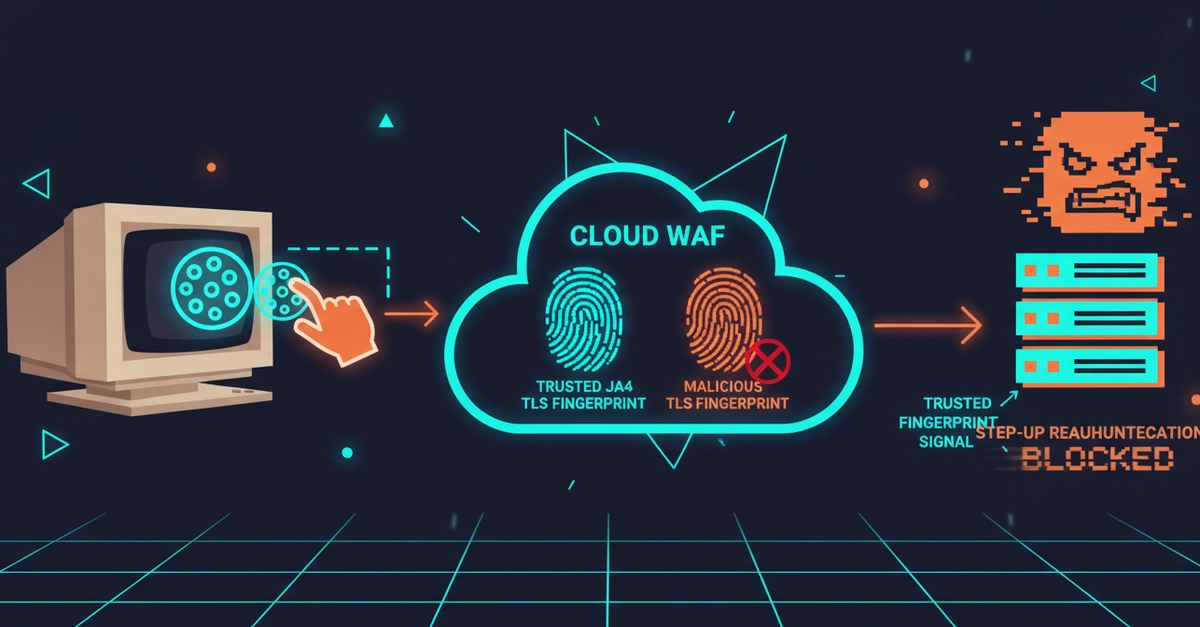
When a support agent is trying to recover an account after a suspicious login, JWKS verification and session verification define different trust boundaries for API requests. The distinction decides which recovery path the agent can offer and how much damage a stolen credential can do.
Short answer: use JWKS verification for a stable, distributed signature boundary, and session verification when the request must reflect current session state; most customer-support systems need both, with an explicit recovery policy between them.
1. Separate the two trust boundaries before scoring a device
JWKS verification checks a token signature with a public key set. The verifier never needs a copy of the issuer's private key, which keeps key material out of every API service. That is a good fit for a high-volume edge where the identity claim should remain stable while requests cross service boundaries.
Session verification asks a different question: is this particular session still valid right now? Revocation, expiry, or a changed recovery decision can make a previously well-signed token unsuitable for a sensitive action. A valid signature is necessary, but it does not satisfy the business constraints by itself.